


UK scientists send worms into space to study effects of microgravity and radiation

5 min read
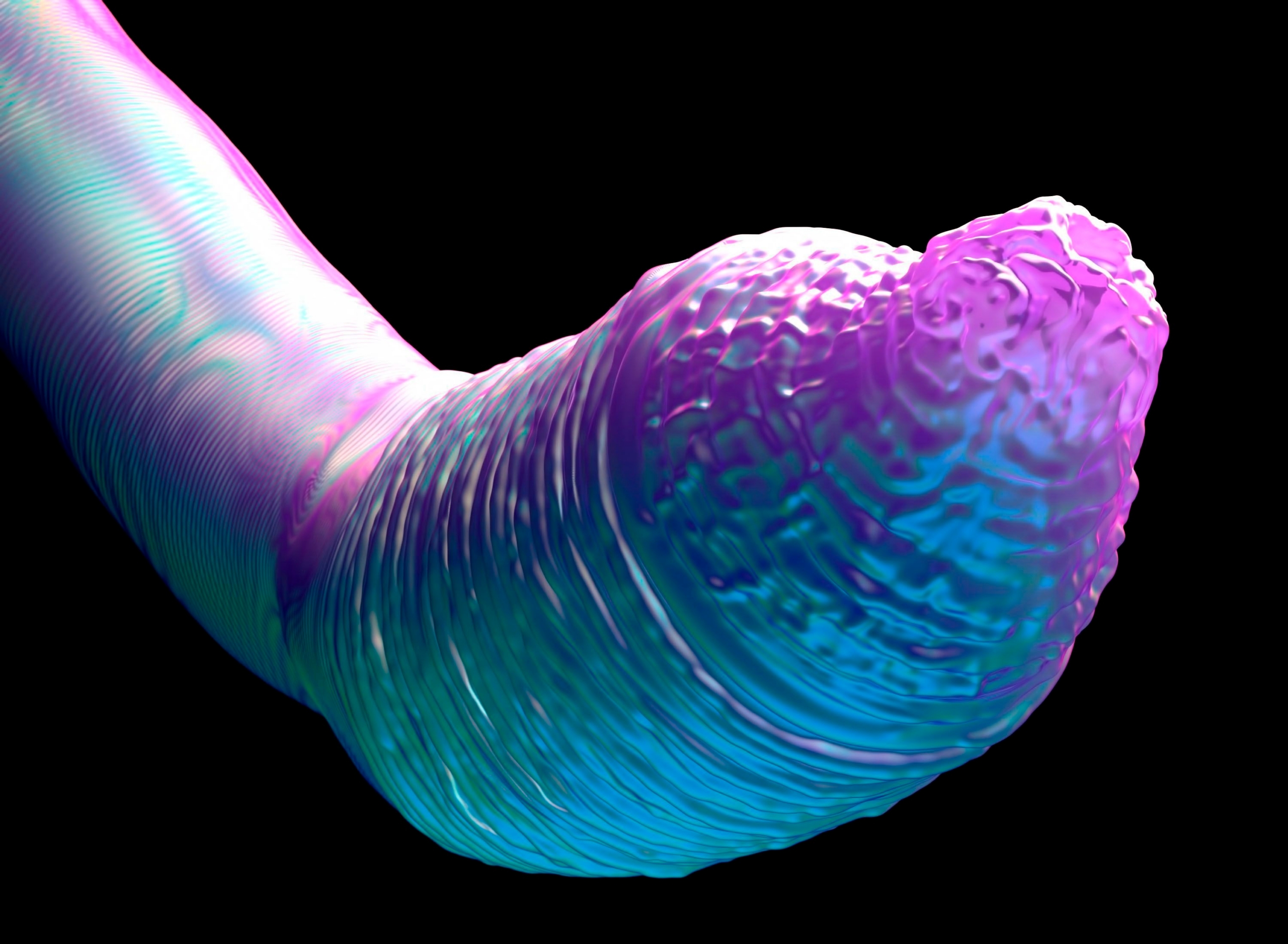
A group of UK scientists has sent a tiny crew of worms into orbit to answer a very human question: how do you keep astronauts healthy in space for a longer period?
The experiment, now aboard the International Space Station, is designed to study how living organisms respond to microgravity and radiation, two of the biggest risks that astronauts could face on future missions to the Moon and beyond.
The work comes as space agencies prepare for missions such as Artemis III, which aims to return humans to the lunar surface for the first time in more than five decades.
Why scientists are sending worms to space to study astronaut health
The mission may sound unusual, but the goal is clear.
Long-duration space travel takes a toll on the human body. Astronauts can lose bone density and muscle mass. Fluids shift within the body. Vision can be affected. Radiation adds another layer of risk, potentially damaging DNA.
“The mission addresses a critical challenge in humanity’s ambitions to explore the Moon and other planets: the harmful effects of extended space travel on human health,” the UK Space Agency said.
That is where the worms come in.
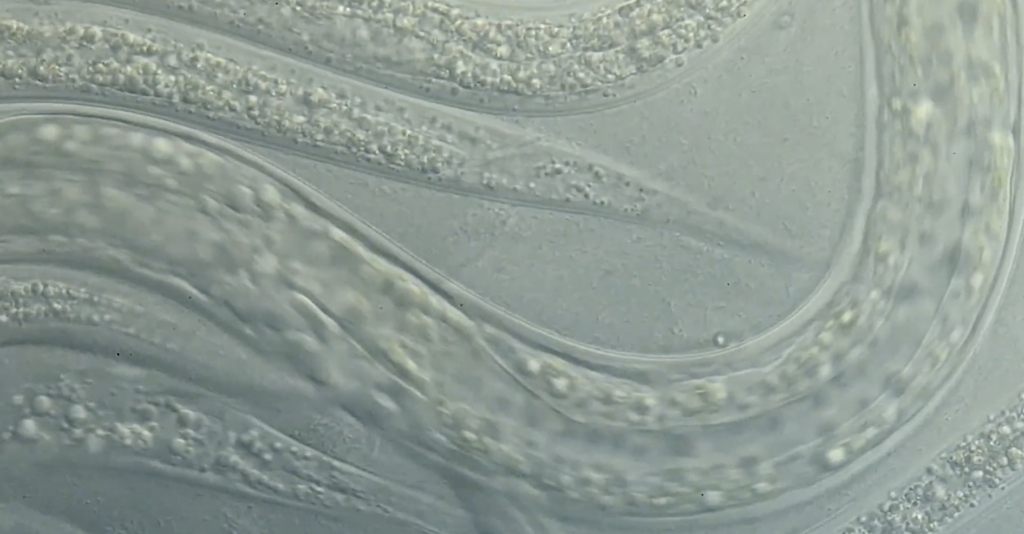
The experiment uses C. elegans, microscopic organisms about one millimetre long. They are widely used in biological research because they share many genetic similarities with humans.
By studying how these nematode worms react to space conditions, scientists hope to understand what happens inside the human body during long missions.
Inside the ISS experiment sending microscopic worms into orbit
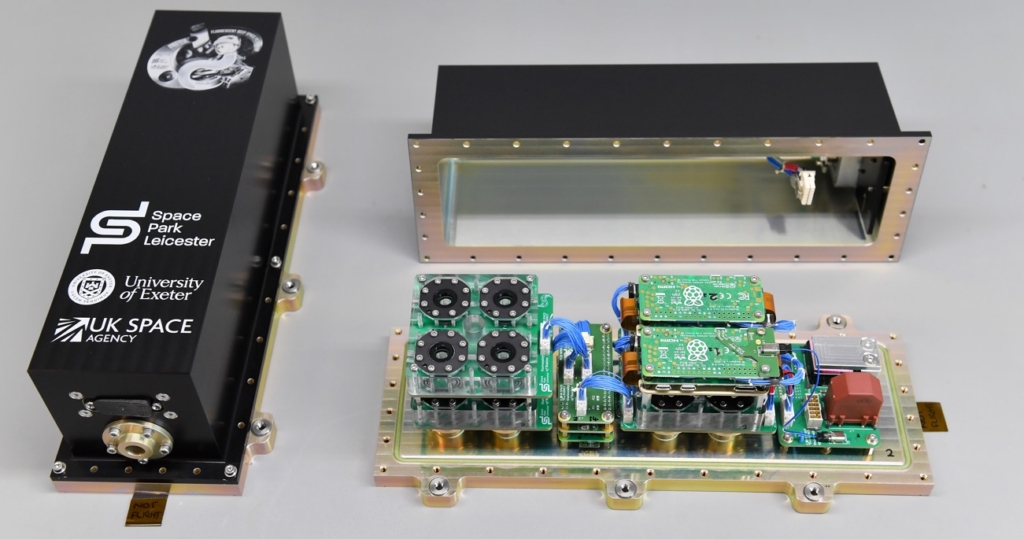
The experiment is housed in a compact unit known as the Petri Pod.
It is small and about the size of a shoebox, but carefully designed. Inside are 12 tiny chambers, each acting as a controlled environment for the worms.
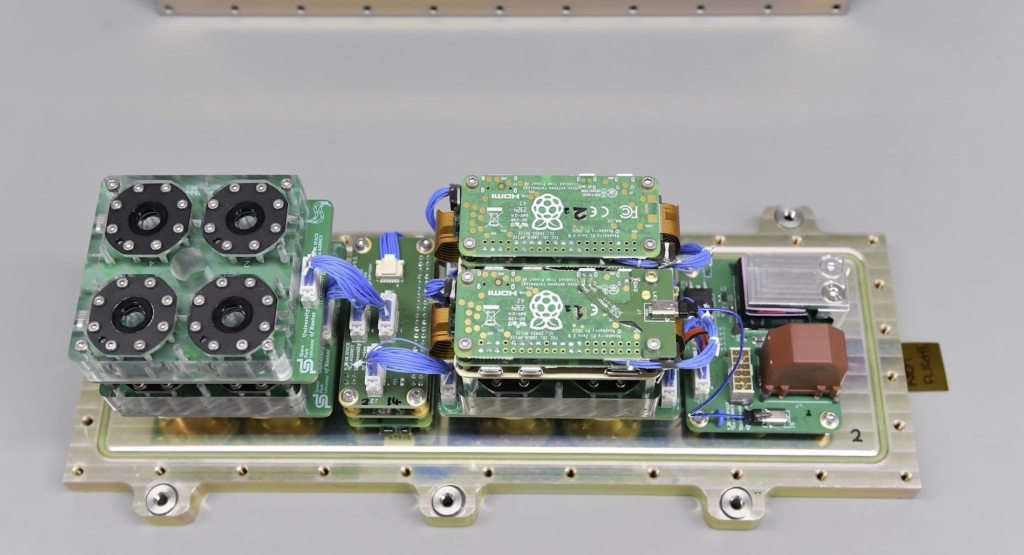
The system regulates temperature and pressure. It provides food and water. It even includes imaging systems to track how the worms behave over time.
Once installed outside the ISS, the experiment will be exposed to real space conditions, including radiation and the vacuum environment, for up to 15 weeks.
Researchers on Earth will monitor the worms remotely, using cameras and sensors to track changes in their biology.
What the space worm experiment could reveal about the human body
The aim is not just scientific curiosity. The data will feed directly into planning for human missions.
“It might sound surprising, but these tiny worms could play a big role in the future of human spaceflight,” said UK Space Minister Liz Lloyd. “As we prepare for a new era of exploration… research like this will help astronauts stay healthy and return home safely.”
Dr Tim Etheridge from the University of Exeter, who is leading the research, put it more directly.
“To do that safely, we need to understand how the body responds to the extreme conditions of deep space,” he said.
“By studying how these worms survive and adapt in space, we can begin to identify the biological mechanisms that will ultimately help protect astronauts during long-duration missions, and bring us one step closer to humans living on the Moon.”
Artemis III Moon mission: Why human biology matters for future exploration
The research comes at a time when human spaceflight is entering a new phase.
NASA’s Artemis programme is designed to return astronauts to the Moon and eventually establish a sustained presence there. Artemis III is the mission where that return is expected to happen.
It will send four astronauts aboard the Orion spacecraft to lunar orbit using the Space Launch System rocket. Two astronauts will then transfer to a Human Landing System and descend to the Moon’s south pole, while the other two remain in orbit.
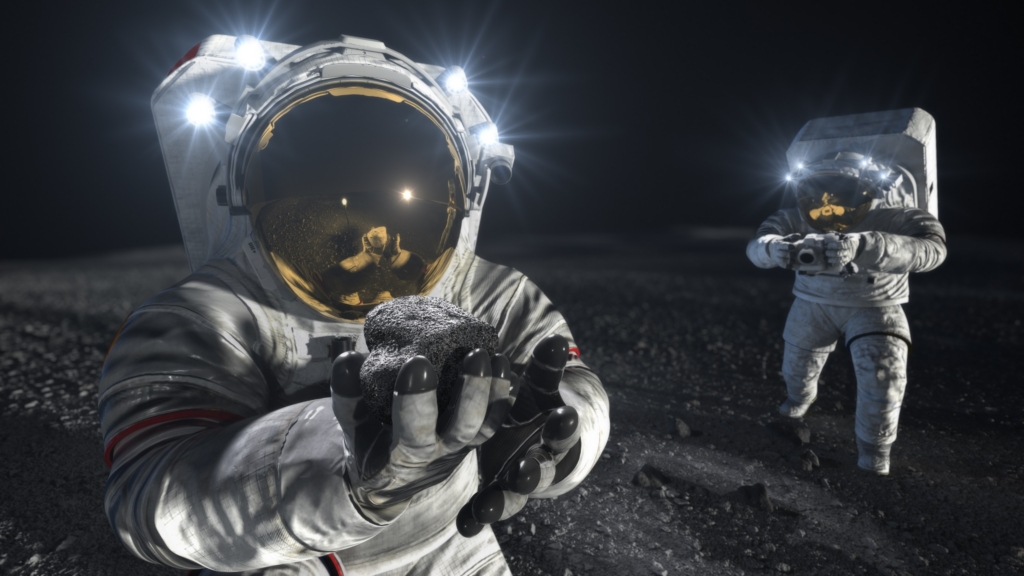
The landing phase is expected to last several days, during which astronauts will carry out experiments and explore the surface before returning to orbit and then back to Earth.
The South Pole has been selected because it may contain water ice, an important resource for future missions.
While the engineering challenges of reaching the Moon are largely understood, keeping astronauts healthy over longer missions remains a major concern. Unlike short missions, future exploration will involve extended stays, on the Moon and eventually on Mars.
That increases exposure to microgravity and radiation. Scientists believe that understanding how the body responds at a biological level is essential before such missions can be carried out safely.
This is where small-scale experiments like the worm study become important. They allow researchers to observe biological changes quickly and under controlled conditions.
Small space experiments are changing research on the ISS
Another aspect of the mission is how it is being carried out.
The Petri Pod is a miniature laboratory. It weighs around 3kg and fits into a small payload slot, yet it can run complex biological experiments in orbit.
This reflects a broader trend in space research, moving towards smaller, more efficient systems that can deliver results at lower cost.
The project was led by the University of Exeter, with hardware developed by the University of Leicester and support from Voyager Space Technologies.
At first glance, sending worms into space may seem like a niche scientific exercise. In reality, it addresses one of the most fundamental questions of human spaceflight: How do you live and work in space for long periods without harming the body?
The answer will shape everything from lunar bases to missions to Mars. If scientists can understand how simple organisms adapt, they can begin to design ways to protect more complex ones, including humans.
And that, ultimately, is what will make long-duration space travel possible.


