


Spring Airlines targets 300 aircraft as Chinese LCC goes for growth

3 min read
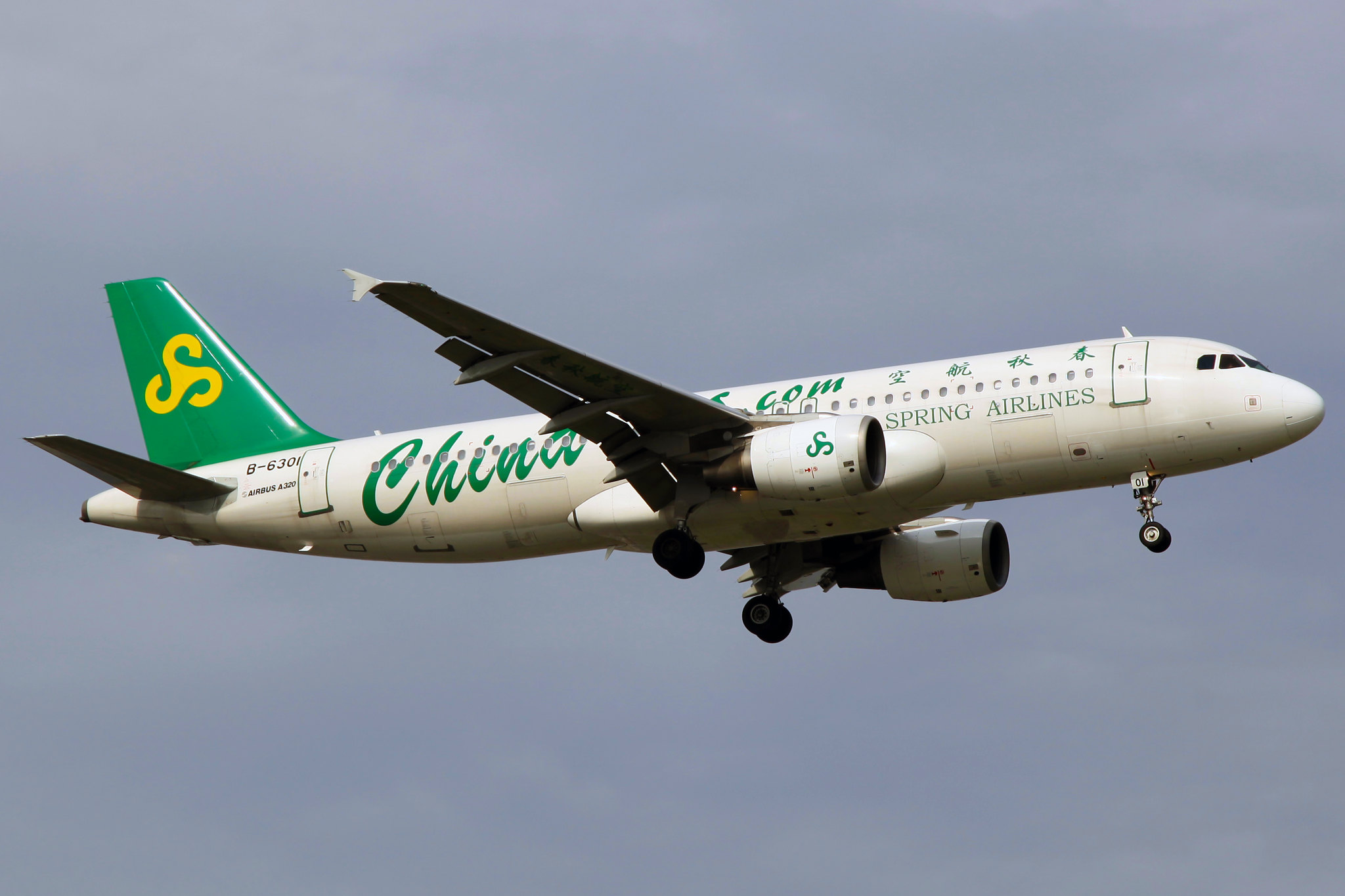
Spring Airlines is planning a major expansion that it says could help put air travel within reach of far more people in China, as the budget carrier reaffirmed its commitment to a low-cost model.
The airline expects its fleet to grow to more than 200 aircraft within five years, rising to around 300 by 2035, according to Zhang Wuan, its vice president and spokesman.
Spring Airlines’ goal: making flying affordable for the mass Chinese market
The goal, he said at the Routes Asia 2026 event in Xi’an, China, was to make flying affordable for the mass market.
“Our LCC model seeks to achieve the objective that all Chinese people can afford to fly,” he said.
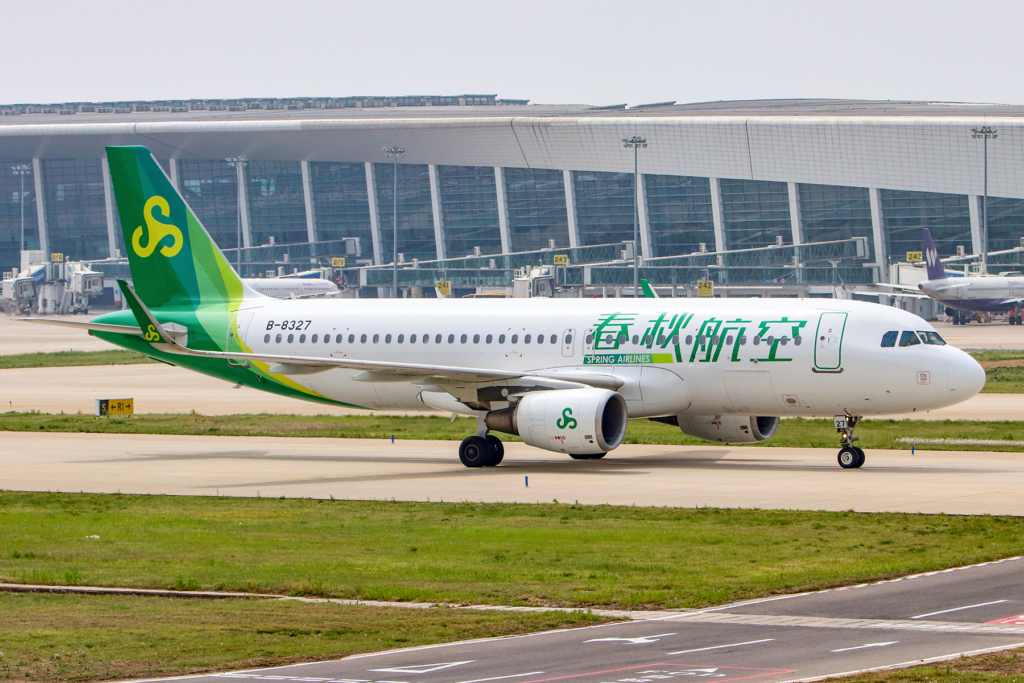
At the end of 2025, the company had a fleet of 134 aircraft serving more than 260 routes. They include Airbus A320-200ceos (75), Airbus A320neos (47) and Airbus A321neos (12).
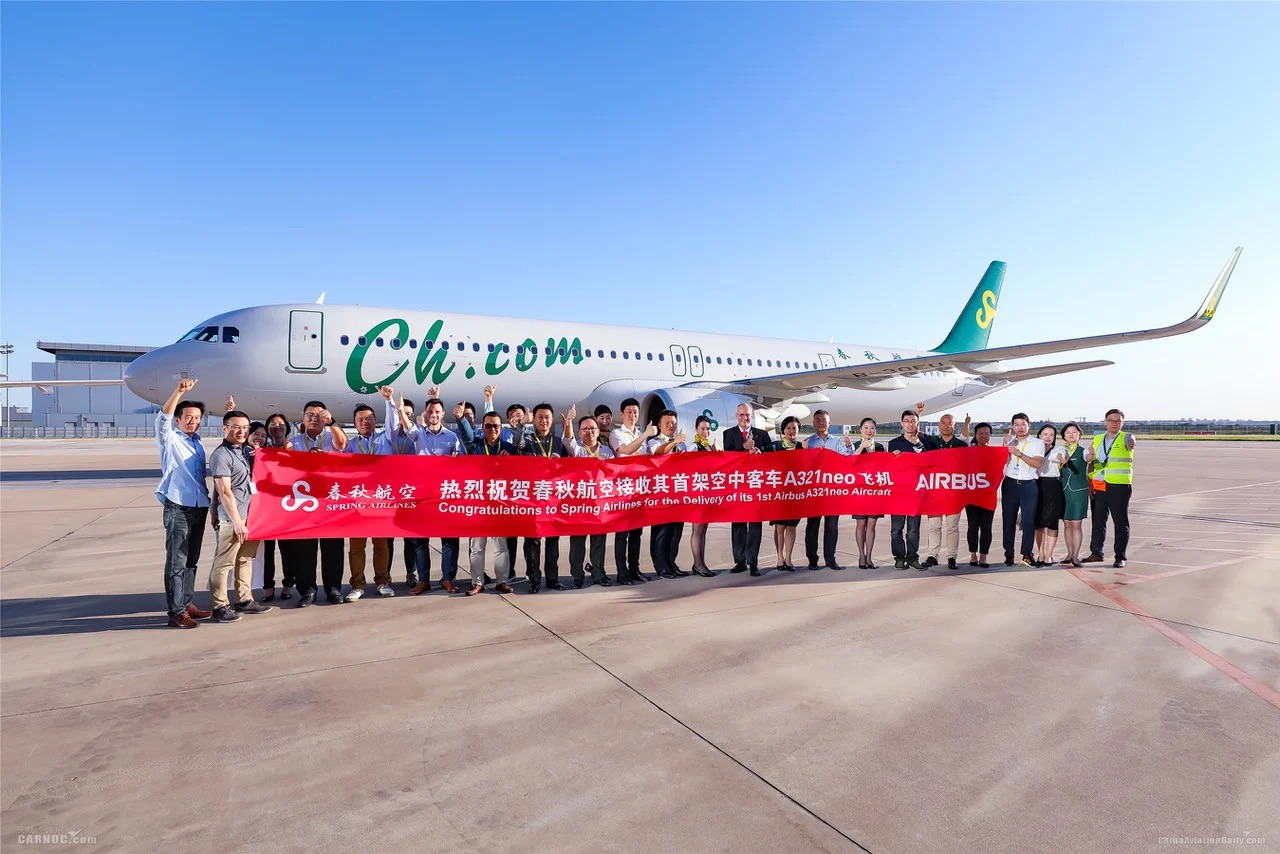
At the end of last year, the Shanghai-based carrier ordered 30 Airbus A320neo aircraft. The aircraft are due to be delivered progressively between 2028 and 2032.
Spring Airlines’ strategy focuses on single aircraft family fleet
Spring Airlines’ strategy is to operate a single aircraft family comprising Airbus A320s and A321s, with a single-class cabin. This helps to keep costs down and ensures high utilisation and revenue per seat.
Operating an airline in China comes with its own challenges, including the proliferation of reliable and cheap high speed rail. Alongside the state-owned carriers, the advanced rail system acts as a major competitor for Spring Airlines.
Zhang said avoiding direct competition with China’s high-speed rail network was part of the company’s low-cost strategy, which also includes placing limits on spending outside its core business, and retaining a fleet exclusively comprising narrow-bodies.
“We operate a single aircraft type — all Airbus A320 and A321 — and a single‑class product in the cabin to maintain low cost,” he said.
This approach is also shaping how the airline builds its network. Instead of expanding aggressively, Spring Airlines is continuously adjusting its routes to focus on markets where it can stimulate demand without going head-to-head with rail on shorter journeys.
Spring Airlines seeks international expansion
International growth is also becoming a bigger priority, helped by liberalised entry rules which has seen China extend visa-free policies for more countries.
Zhang said expanding overseas is “very important” at a time when the Chinese market is opening up again. Its network includes cities across Asia, from Tokyo to Singapore.
Founded in Shanghai in 2005, Spring Airlines was one of China’s first private carriers and the country’s first low-cost airline. It grew out of a tour operator business that once ran charter flights across the country.
“From the beginning, our average load factor remained above 95%, and for several years we have been number one in punctuality and top in profitability,” he told the Routes audience.
“Our utilisation target is 13 hours per day – fly the business flights in daytime and fly the late flights in the evening and at midnight. It’s very useful to increase our load factor and utilisation.”
The airline has achieved significant domestic growth with bases at both of Shanghai’s airports – Hongqiao and Pudong – as well as Shenyang, Shijiazhuang, Shenzhen, Yangzhou, Ningbo, Lanzhou, Xi’an, Chengdu, Dalian, Nanchang and Jieyang. Overseas bases include Jeju in South Korea.
In the end, Zhang said, further growth will depend on how far the airline is willing to innovate: “A little innovation can bring a little development. Bigger innovation can bring bigger development. If you have no innovation, you won’t have rapid growth.”
Featured image: Flickr/byeangel


