AI-controlled morphing wings take flight as DLR tests aircraft that reshape themselves mid-air

5 min read
An aircraft that changes the shape of its wings in mid-air, once the realm of futuristic sketches, is now flying in real conditions, guided not by a pilot’s hand alone but by artificial intelligence.
Researchers at the German Aerospace Centre (DLR) have completed the first flight tests of shape-changing wings controlled by an adaptive AI system, marking a turning point in the long-running effort to move morphing aerodynamics out of the lab and into the sky.
The work, carried out under the morphAIR programme, is not just about replacing flaps or refining airflow. It is about rethinking the wing itself and turning it from a rigid structure into a responsive surface that continuously reshapes to suit the air it is flying through.
DLR morphing wings challenge traditional aircraft control surfaces
For more than a hundred years, aircraft have relied on the same basic solution to control: rigid wings with moving parts.
Flaps, slats and ailerons deflect airflow in discrete steps, creating the lift and control forces needed to fly. But they also introduce gaps, turbulence, and drag compromises that engineers have long accepted as unavoidable. DLR’s morphing wing turns that logic on its head.
Instead of moving parts bolted onto a fixed wing, the wing itself flexes and reshapes smoothly, maintaining an unbroken aerodynamic surface.
The result is cleaner airflow, lower drag and more precise control, particularly in demanding flight regimes.
“The morphing wing can change its shape during flight, allowing it to adapt optimally to different flight conditions,” said Martin Radestock, project lead at DLR.
DLR PROTEUS flight tests prove morphing wings work in real conditions
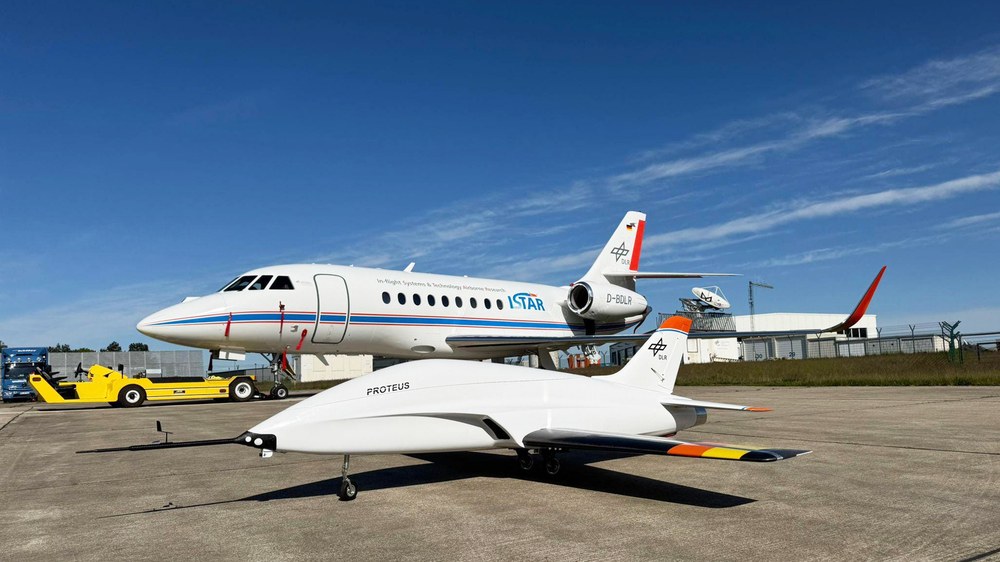
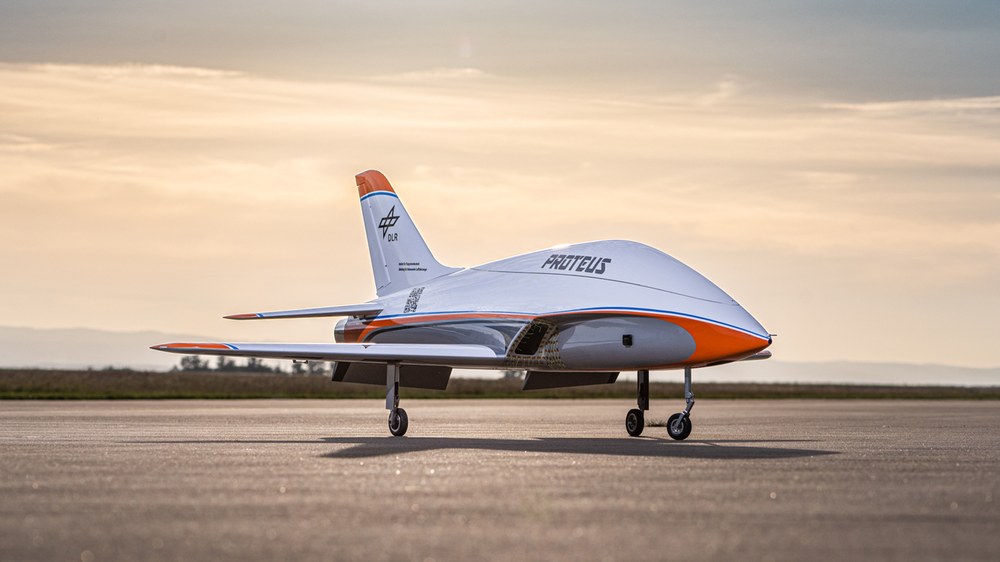
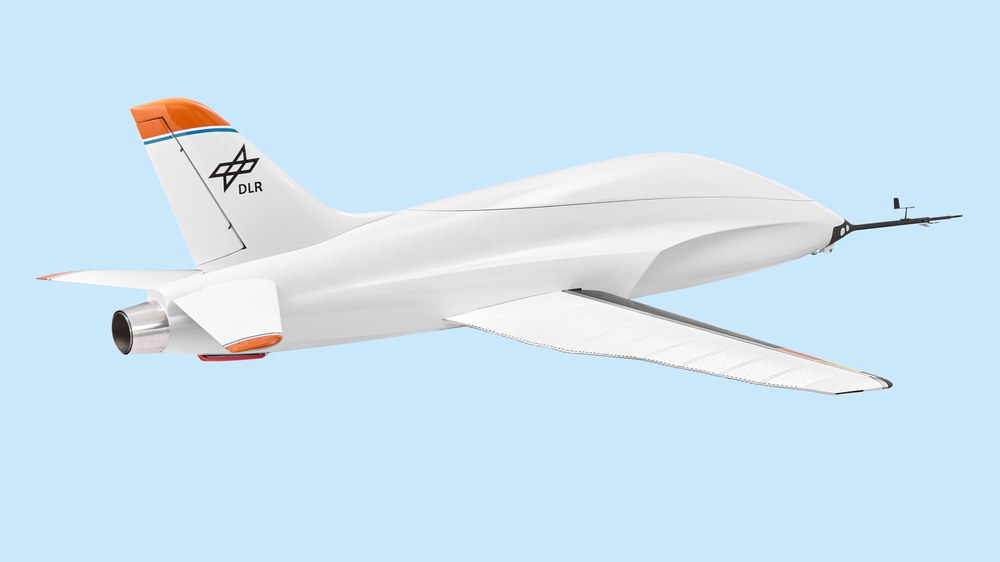
The recent tests were carried out using DLR’s PROTEUS unmanned research aircraft at the Cochstedt test centre in eastern Germany.
Rather than relying solely on simulations, engineers flew both a conventional wing and the morphing version on the same platform, allowing a direct comparison of behaviour in real air.
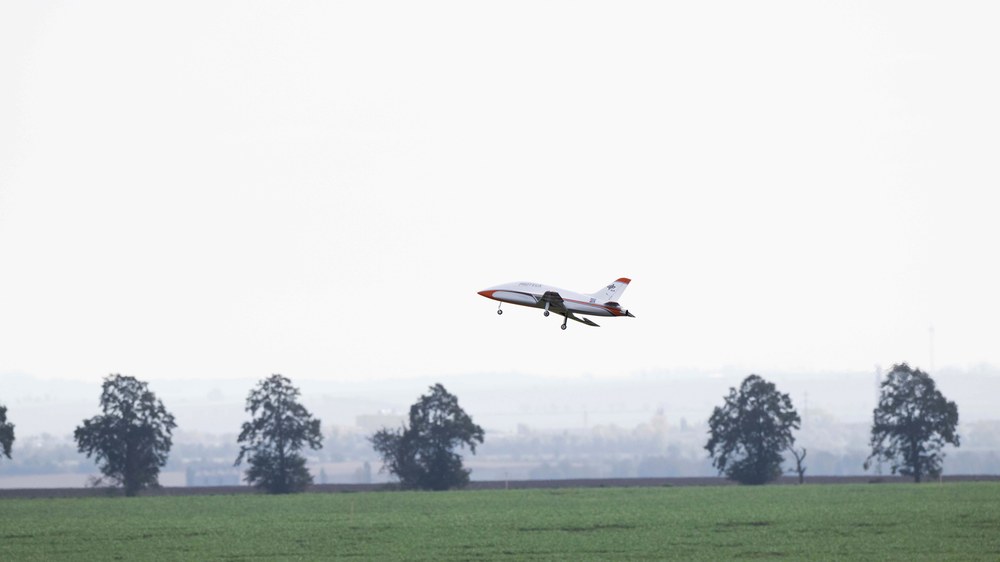
This matters. Morphing concepts have been demonstrated before in wind tunnels and controlled environments, but translating them into stable, repeatable flight has been a persistent hurdle.
The PROTEUS flights show that the system can operate in the unpredictable conditions of the real world, where airflow, turbulence and structural loads are constantly changing.
AI control system enables real-time morphing wing adaptation in flight
What sets the morphAIR project apart is not just the wing, but how it is controlled.
Instead of relying on fixed control laws, the aircraft uses an adaptive AI system that continuously monitors its behaviour and updates how the wing is shaped in real time.
If conditions change due to gusts, manoeuvres or even simulated damage, the system adjusts automatically.
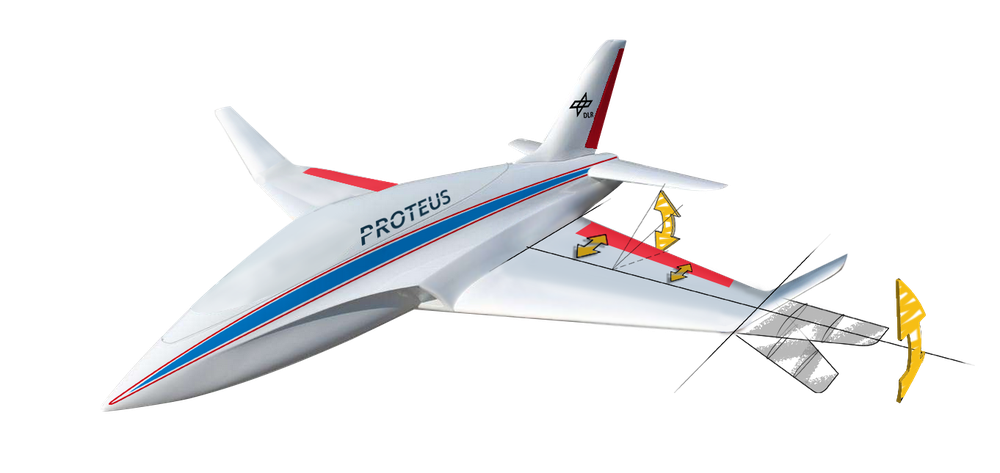
It does this by comparing expected flight behaviour with actual performance, then redistributing control inputs across the wing’s multiple actuators.
In effect, the aircraft is not just flying but is learning how to fly better as it goes.
HyTEM morphing wing replaces flaps and ailerons with distributed actuators
At the heart of the system is the Hyperelastic Trailing Edge Morphing (HyTEM) concept.
Instead of large, single control surfaces, HyTEM uses multiple small actuators embedded along the trailing edge. These work together to subtly reshape the wing across its span.
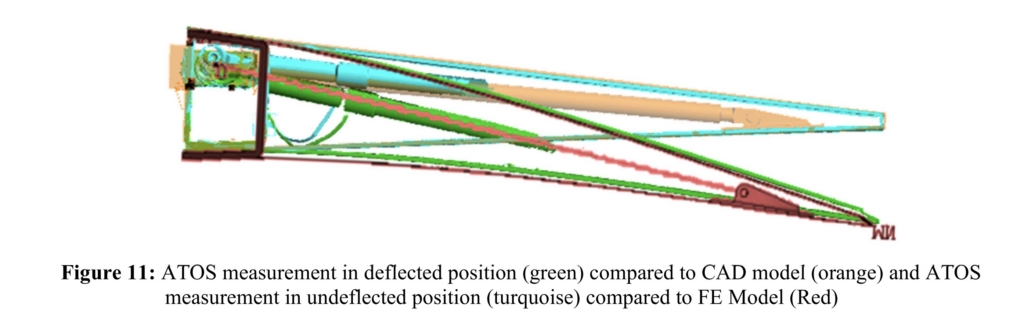
“The HyTEM concept replaces conventional flaps and ailerons with an intelligent system comprising several small actuators distributed across the wingspan,” Radestock said.
This distributed approach brings two key advantages.
First, it allows finer control of airflow, improving aerodynamic efficiency. Second, it introduces redundancy; if one actuator fails, others can compensate, improving resilience.
Morphing wings could improve aircraft efficiency, emissions and stealth
In civil aviation, smoother airflow and reduced drag translate directly into lower fuel consumption and emissions, an increasingly critical factor as the industry faces pressure to decarbonise.
In military aviation, the benefits are even broader.
A smooth, continuous wing surface reduces radar reflections, supporting stealth. At the same time, the ability to change wing shape allows aircraft to optimise performance for different phases of a mission, whether cruising long distances, manoeuvring in combat or operating at low speeds.
What was once a compromise, which is designing a wing that works “well enough” across all conditions, could be replaced by one that adapts in real time.
Global research accelerates morphing wing technology development
DLR’s work is part of a wider surge of interest in morphing technologies.
In China, researchers have explored bio-inspired metal structures based on plant seed designs, creating materials that can bend, recover shape and carry aerodynamic loads, offering an alternative to complex mechanical systems.

In India, efforts backed by DRDO have focused on shape-memory alloys that can alter wing geometry in flight, using heat-driven actuation to achieve smooth deformation.
What is changing now is not just the materials, but the integration of combining smart structures with intelligent control systems.
DLR morphing wing moves from lab concept to flight-tested system
For decades, morphing wings have been seen as promising but impractical or too complex, too slow or too fragile for real-world use.
The morphAIR flight tests suggest that the barrier is beginning to break.
By combining flexible structures, distributed actuation and AI-driven control, DLR has demonstrated a system that can operate in flight, respond to changing conditions and maintain stability.
The initial tests focused on safety and integration. The next phase will further explore performance gains, scalability, and operation under more demanding conditions.
The bigger shift is conceptual. Aircraft wings have long been designed as fixed solutions to variable problems.
Morphing technology flips that idea, turning the wing into an adaptive system that responds continuously to its environment.
DLR’s work does not yet represent a finished product. But it does show that the core pieces of materials, control and integration are starting to come together.
Featured image: DLR