


MQ-25 Stingray takes first operational flight but US Navy delays carrier deployment to 2029

3 min read
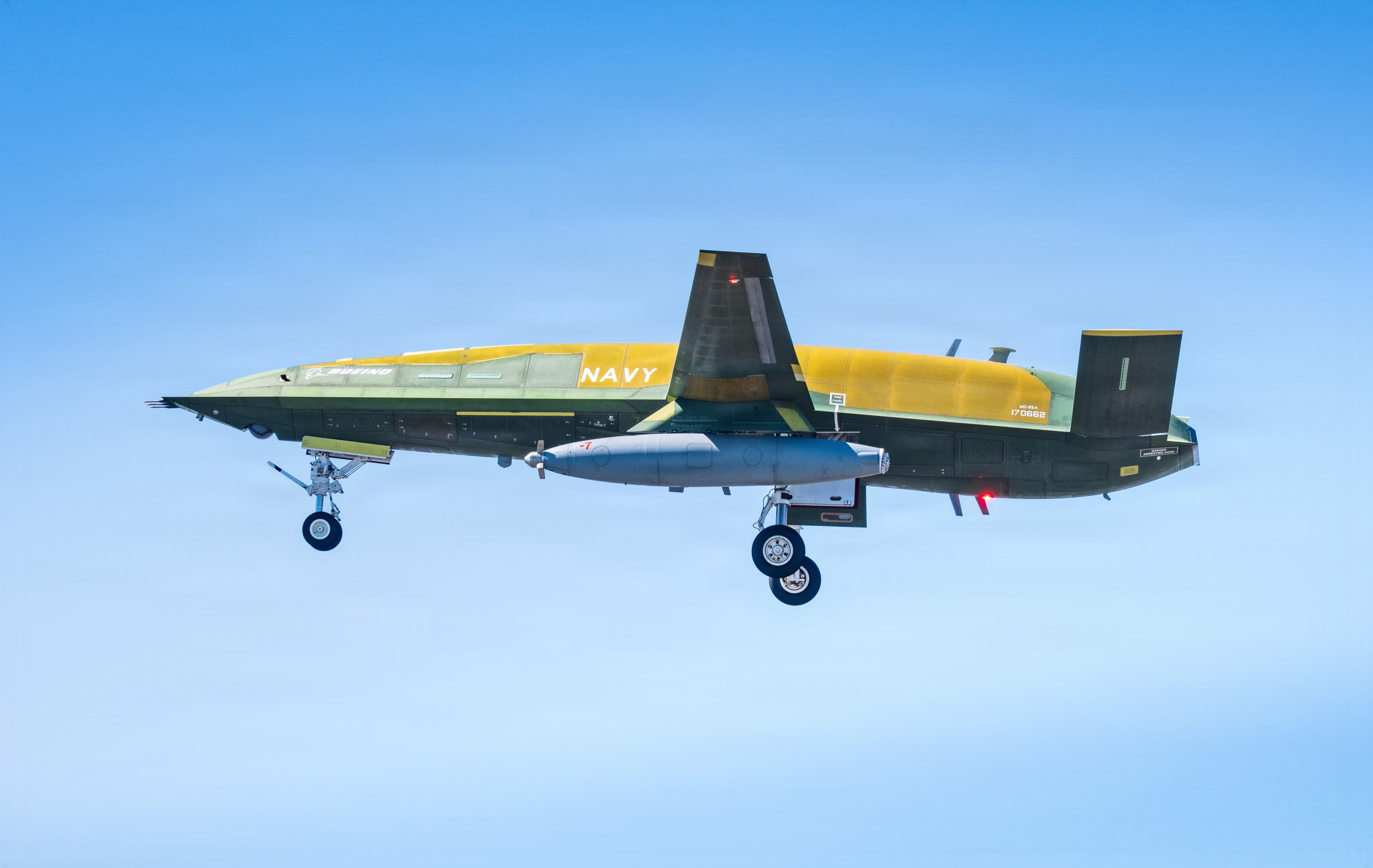
The US Navy has advanced plans to extend the range of its carrier air wing with the first operational flight of the MQ-25A Stingray, though the critical tanker drone is now not expected to enter service until 2029.
First US Navy operational test flight of MQ-25A Stingray
The US Navy completed the first test flight of an operational MQ-25A Stingray on 25 April, Boeing confirmed, as the service works to introduce a carrier-based tanker to extend the range of its fighter jets.
A new era in naval aviation takes flight!
— Boeing Defense (@BoeingDefense) April 27, 2026
The first @USNavy MQ-25A Stingray™ has completed its first flight, demonstrating its ability to taxi, take off, fly, and land autonomously.
MQ-25A will extend the carrier air wing's reach by providing unmanned aerial refueling. pic.twitter.com/mZKCb8IpBE
The test flight lasted two hours and “demonstrated its ability to autonomously taxi, take off, fly, land, and respond to commands from the Unmanned Carrier Aviation Mission Control System MD-5 Ground Control Station (GCS).”
During its flight, the MQ-25A performed a pre-determined mission plan to validate its flight controls, navigation, and safe integration with the control station.
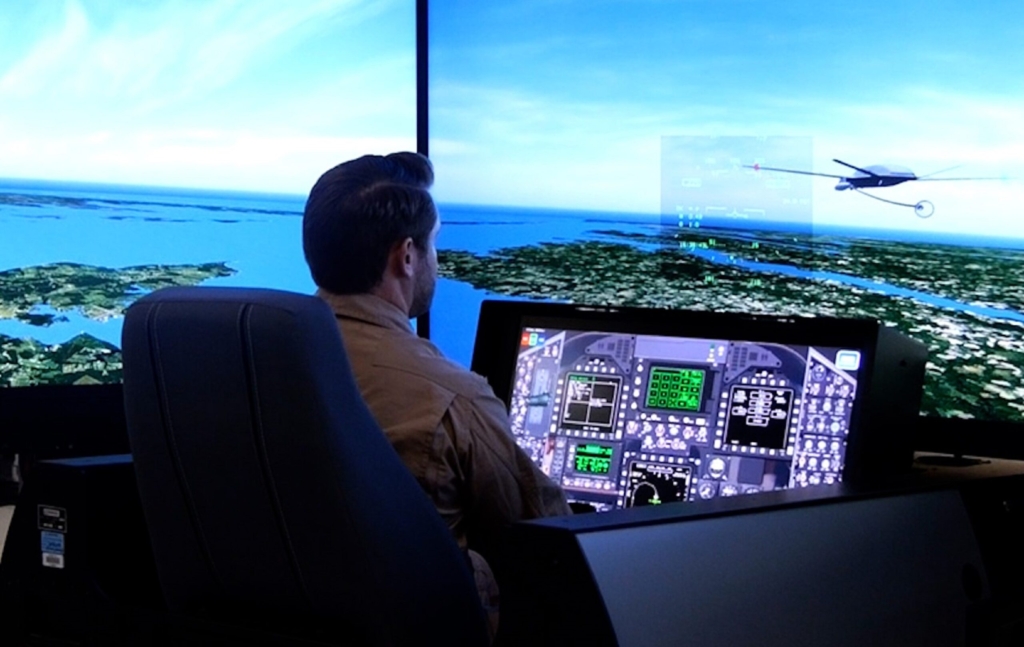
Boeing’s Dan Gillian heralded the maturation of the aircraft, adding, “The MQ-25A is the most complex autonomous system ever developed for the carrier environment, and this historic achievement advances us closer to safely integrating the Stingray into the carrier air wing.”
MQ-25A Stingray delayed to 2029
Although the Navy successfully flew the Stingray, according to USNI News, Navy budget documents now show the drone won’t be ready to deploy on aircraft carriers until 2029.

This new initial operational capability (IOC) is some three years later than had been planned. It overturns previous plans to have the MQ-25 deploy on the USS Theodore Roosevelt (CVN-71) in 2026.
The Navy defines IOC as three MQ-25As with trained personnel and equipment deployed on an aircraft carrier.
The Navy’s programme of record remains 76 Stingrays, including four Engineering Development Model (EDM) drones and five System Demonstration Test Article examples.
An important step in restoring the US Navy’s deep strike capability
Since the replacement of the F-14 Tomcat with the shorter-ranged F/A-18 Super Hornet and the retirement of its carrier-based tanker aircraft without replacement, the US Navy has largely lacked a manned deep strike capability.
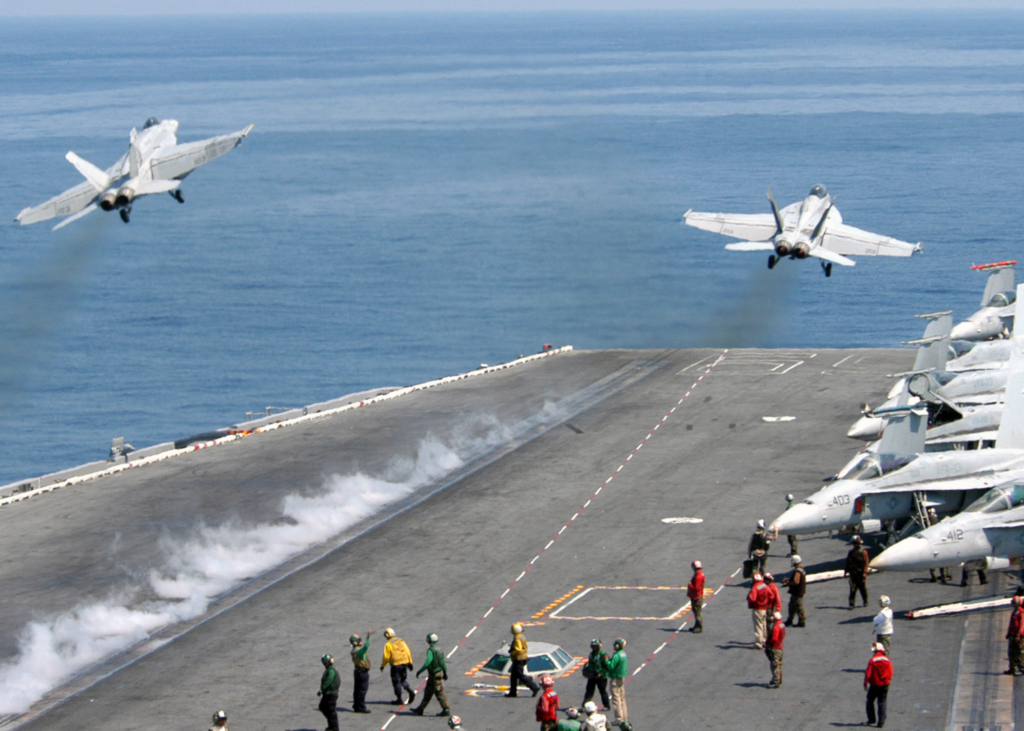
The MQ-25A tanker drone is seen as a major step in restoring the capability. It will also relieve pressure on Super Hornets used for buddy-to-buddy refuelling.
The US Navy’s Rear Admiral. Tony Rossi noted, “The MQ-25A is not just an aircraft: it’s the first step in integrating unmanned aerial refuelling onto the carrier deck, directly enabling our manned fighters to fly further and faster. This capability is vital to the future of naval aviation.”
Rossi added that the tanker drone will “significantly extend the reach and lethality of our fleet.”
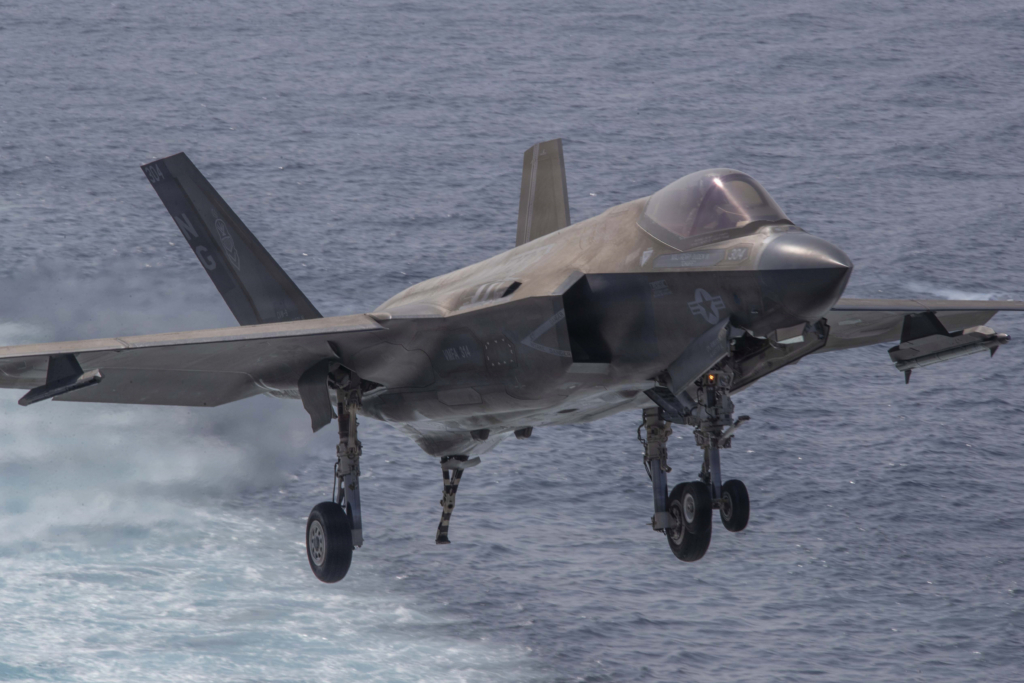
Other ways in which the Navy is working to extend the reach of its fighter jets are by upgrading the Super Hornets with modestly more range and introducing the longer-ranged F-35C.
In the 2027 White House budget proposal, the Navy could purchase a record 37 F-35Cs, which is around double the highest number in any previous year.
In the longer term, the Navy wants to develop the next-generation F/A-XX fighter jet to replace its Super Hornets. This aircraft is intended to have a significantly longer unrefueled range.
Featured Image: US Navy
Sign up for our newsletter and get our latest content in your inbox.


More from


October 25, 20266 min read

October 25, 20265 min read


