


US Air Force AI Flight Test Assistant cuts paperwork and testing timelines

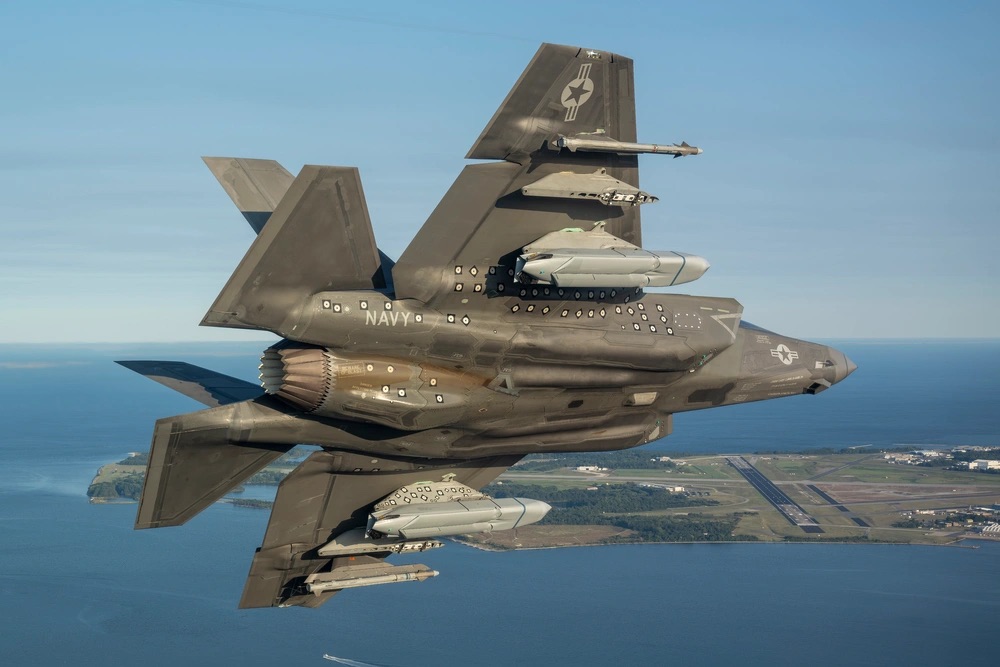
In modern air warfare, advantage is no longer defined only by the aircraft that fly, but by how quickly they can be tested, validated and fielded.
The US Air Force is now targeting that gap, using artificial intelligence to compress one of the slowest stages in capability development, the paperwork that comes before flight.
At the Air Force Test Centre, engineers are deploying the AI Flight Test Assistant (AFTA), a system designed to dramatically reduce the time required to prepare for flight testing. The aim is simple: shorten the path from concept to operational use without compromising rigour.
US Air Force AFTA AI tool makes flight test planning a breeze
The significance of AFTA lies in what it enables rather than what it replaces.
Before any test aircraft leaves the ground, engineers must produce a wide range of documents such as test plans, hazard assessments, evaluation frameworks and technical reports. These are essential for safety and data integrity, but they also slow the process.
By generating first drafts of these documents in minutes instead of days, AFTA is helping to reduce “time-to-test”, a metric increasingly seen as critical in modern defence planning.
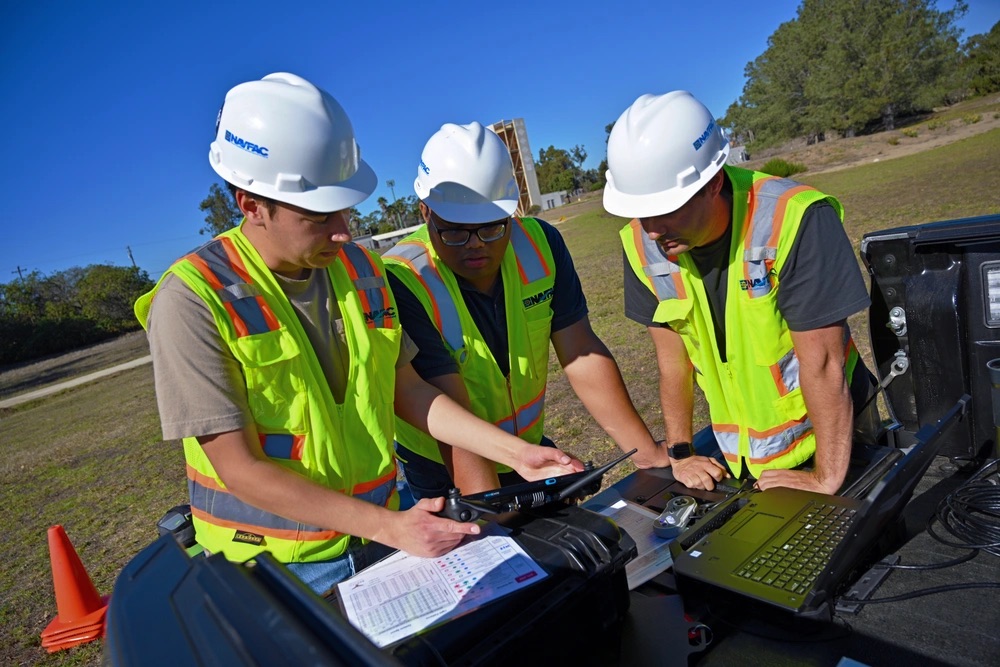
“Speed matters. Our ability to test, learn, and adapt faster than potential adversaries allows us to deliver credible capability to the warfighter,” explains Maj. Gen. Scott Cain, commander of the Air Force Test Center. “Tools that help our engineers move faster while maintaining rigorous testing standards are critical to that effort.”
In practical terms, that means new systems, whether aircraft, sensors or weapons, can move through testing pipelines faster and reach operational units sooner.
AFTA proven to reduce flight test planning from hours to minutes
The efficiency gains are already measurable.
In one case, an operational tester reduced a task that previously took more than 20 hours to under two hours using AFTA, with less than five minutes of initial human input. In another instance, a complex cost-estimation workflow was built in under ten minutes and now produces outputs in less than a minute.
The system works in the background, allowing engineers to continue with other tasks while documents are generated.
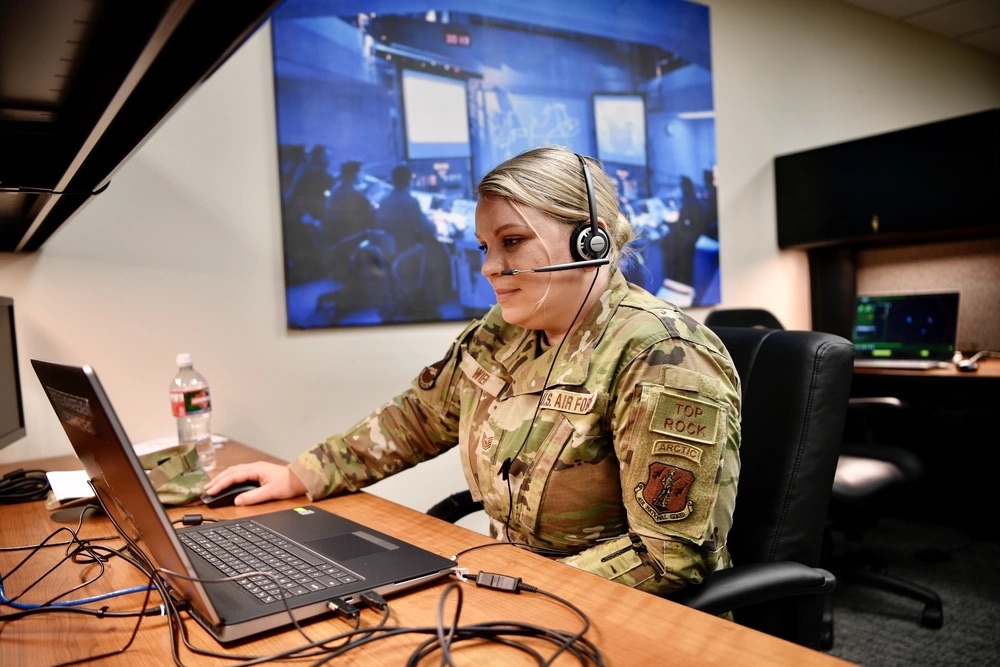
Jordan Conner, one of the programme’s leads, described the shift: “The AI Flight Test Assistant is a cloud-based tool that uses generative AI to augment labour-intensive test and evaluation processes.”
What began as a document generator has since evolved into something more flexible.
US Air Force expands AFTA from document tool to full test workflow system
Engineers can now build custom, no-code processes tailored to their organisation’s needs. By uploading reference documents and defining structured workflows, teams can automate repeatable tasks across the testing cycle.
“Initially, it was just a document generator, but now it functions as a no-code workflow editor where users can build their own custom AI-automated processes,” Conner said.
This is particularly important in a testing environment where consistency and traceability are non-negotiable. The system follows predefined processes, ensuring outputs remain aligned with established standards.
One of AFTA’s more practical applications is the generation of Rough Order of Magnitude (ROM) estimates.
A ROM is an early-stage cost estimate used when only limited information about a system or programme is available. Rather than relying on detailed calculations, it draws on comparisons with past programmes and expert judgement to provide a high-level indication of cost and feasibility.
According to the guidance document, ROM estimates are specifically intended to support decision-making in the early phases of development, when requirements are still evolving and uncertainty is high.
Traditionally, producing such estimates required multiple specialists working for several hours.
With AFTA, a first draft can now be generated in under a minute, an example of how AI is compressing timelines at the very start of the development cycle.
US Air Force keeps engineers in control of AI-driven flight test planning
Despite its speed, AFTA is not intended to replace human judgment.
Engineers remain responsible for reviewing, validating and refining every document before it is used. The system provides a starting point, not a final product.
“AI will get you to a strong first draft… but humans are always in the loop,” Conner said.
Christopher Hereford, who supports AI implementation at the test centre, offered a similar perspective: “Any AI application is just a tool… It is not a panacea.”
This approach reflects a broader understanding within the Air Force that automation must be balanced with accountability, particularly in safety-critical environments.
AFTA adoption grows across US Air Force test and evaluation teams
The adoption of AFTA has been rapid.
More than 800 users across the Department of the Air Force are now experimenting with the platform, with over 30 organisations developing their own workflows.
Its performance at a recent AI technology showcase, where it was ranked the most useful application by government attendees, suggests strong institutional support for expanding its use.
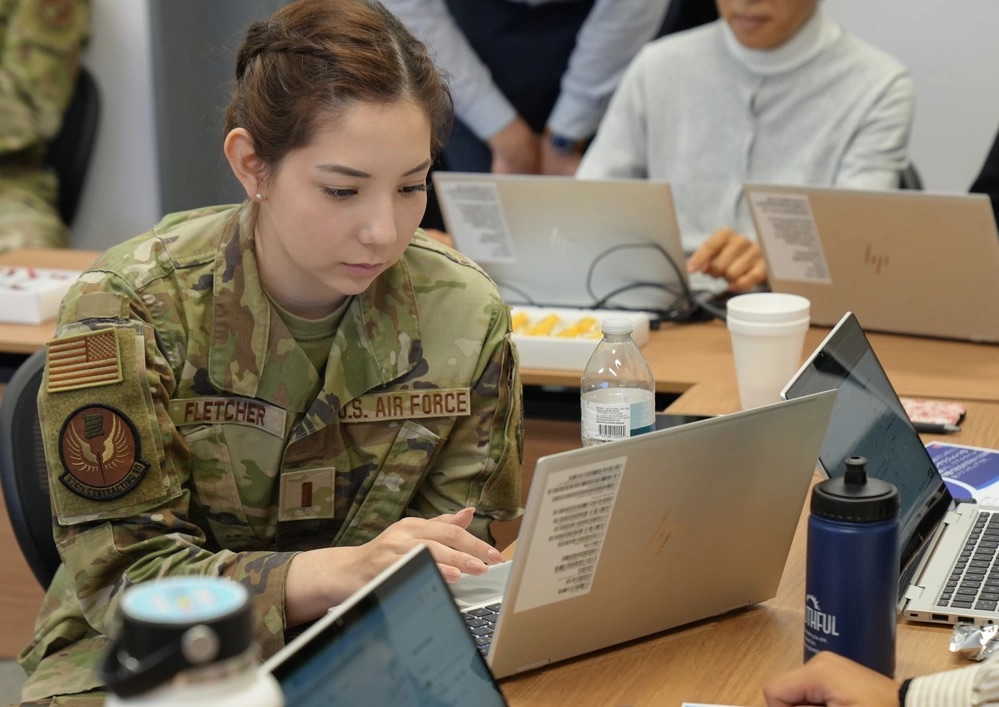
Unlike general-purpose AI tools, AFTA is designed for structured, repeatable processes, making it particularly suited to the disciplined environment of flight testing.
AI tools like AFTA are reshaping how the US Air Force develops capability
The emergence of tools like AFTA highlights a broader shift in how military capability is developed.
For decades, focus has been placed on faster aircraft, better sensors, and more advanced weapons. Increasingly, however, the speed at which those systems can be tested and fielded is becoming just as important.
By reducing administrative burdens and accelerating early-stage planning, AFTA is helping to close that gap.
In an era where adversaries are also moving quickly, the ability to test, adapt and deploy faster may prove to be as decisive as the technology itself.


