Amazon Vs Starlink: Which will win the race to supply airlines with fast, LEO in-flight WiFi?

5 min read
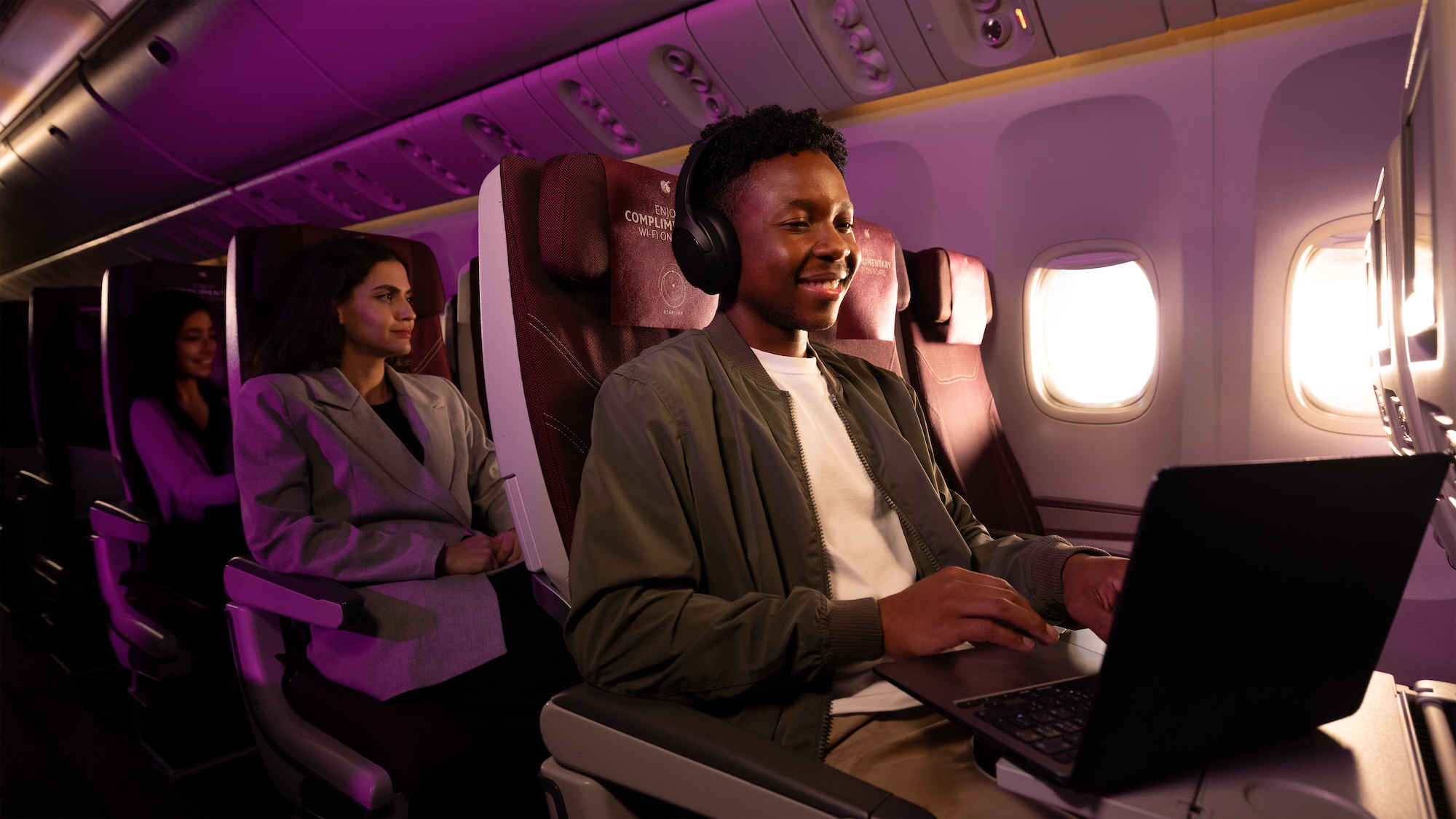
Two main contenders are vying for a big win in the high-speed Low-Earth-orbit (LEO) satellite-enabled in-flight connectivity market, with Starlink and Amazon signing significant contracts with airlines to supply their fleet.
Compared to Geostationary satellite services, LEO satellites deliver faster, lower-latency connections that satisfy passengers’ need to be constantly connected, stream entertainment, and even make calls to friends and colleagues on the ground.
Starlink has already won over a substantial number of major carriers with large fleets, including United Airlines, IAG, Emirates and Lufthansa Group.
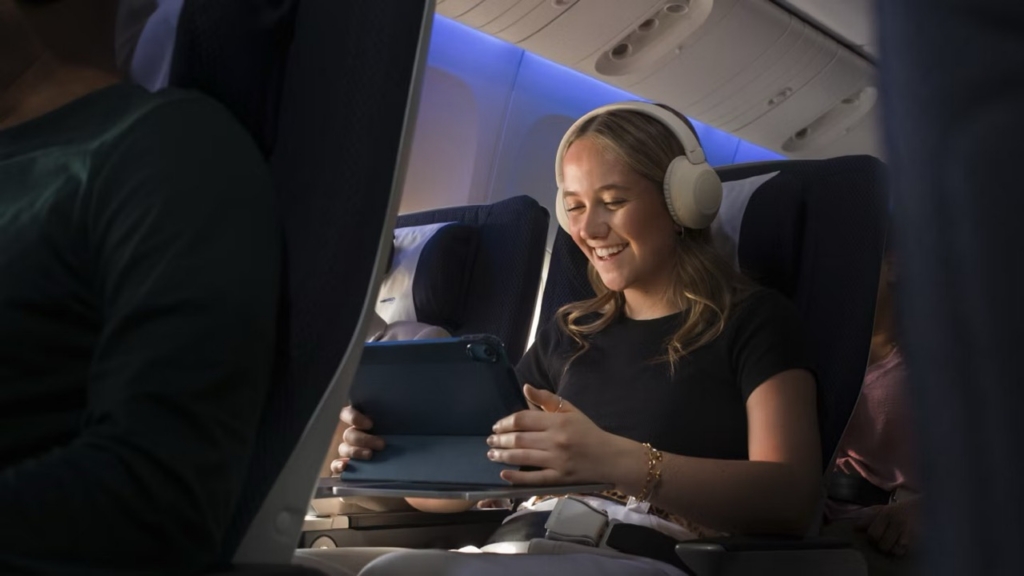
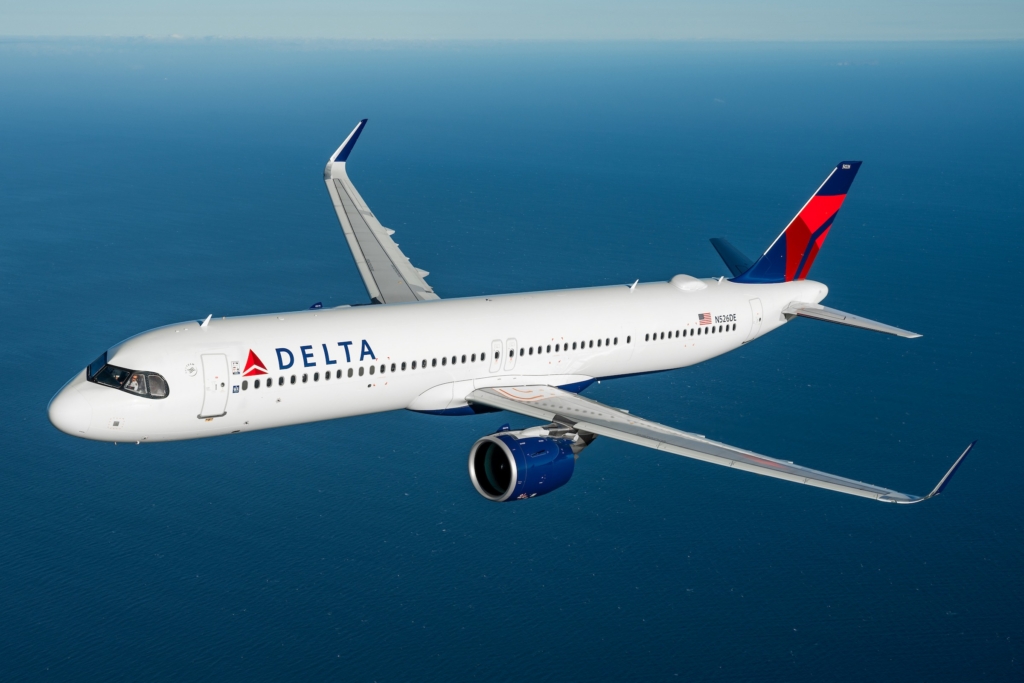
For its part, Amazon has announced deals with JetBlue and Delta Air Lines so far, though more may be in the works.
But does Starlink have an insurmountable lead, or are there other untapped market opportunities for Amazon and others in this space to claim?
AGN reached out to David Whelan, Senior Research Analyst at London-based Valour Consultancy, which specialises in the in-flight connectivity and in-flight entertainment market, for answers.
Starlink’s head start and untapped opportunities for Amazon
Valour Consultancy currently estimates the number of commercial aircraft committed to Starlink IFC now stands at 7,000-8,000, including confirmed future aircraft deliveries. By comparison, for Amazon, the JetBlue fleet represents around 300 aircraft, and Delta would add 1,000 more, but that still leaves Starlink a long advantage.

“Starlink has certainly built up a sizable lead – largely thanks to securing some major airline groups and the fact that almost all the deals have been for fleetwide rollouts,” Whelan told AGN.
“That being said, I think there are still plenty of opportunities out there for Amazon. Big prizes like American still remain. Starlink has not had much impact among small- to medium-sized airlines, particularly those that are more cost-conscious. Amazon will likely come to market with a strong product offering, and we expect it to differentiate itself from Starlink through its supporting digital ecosystem.”
Delta goes for the full digital package with Amazon
Delta certainly confirmed that Amazon’s full digital capabilities won over its in-flight connectivity business.
“This agreement gives us the best, fastest and most cost-effective technology available to better connect the world today, and it deepens our work with a global leader that shares our ambition to build what’s next,” Delta CEO Ed Bastian said when announcing the deal. The airline also plans to integrate Amazon AWS, other Amazon technologies and AI into its digital passenger experience.
Whether the additional digital platforms that Amazon can deliver are enough to persuade other carriers to sign up may depend on how quickly the Amazon Kuiper LEO service is up and running.
“I think a lot will depend on when Amazon gets its network live and starts connecting aircraft. If that can happen on schedule, then they can start impacting the market quite quickly. If it is delayed, then the challenge grows for them,” Whelan said.
American Airlines may shift the market
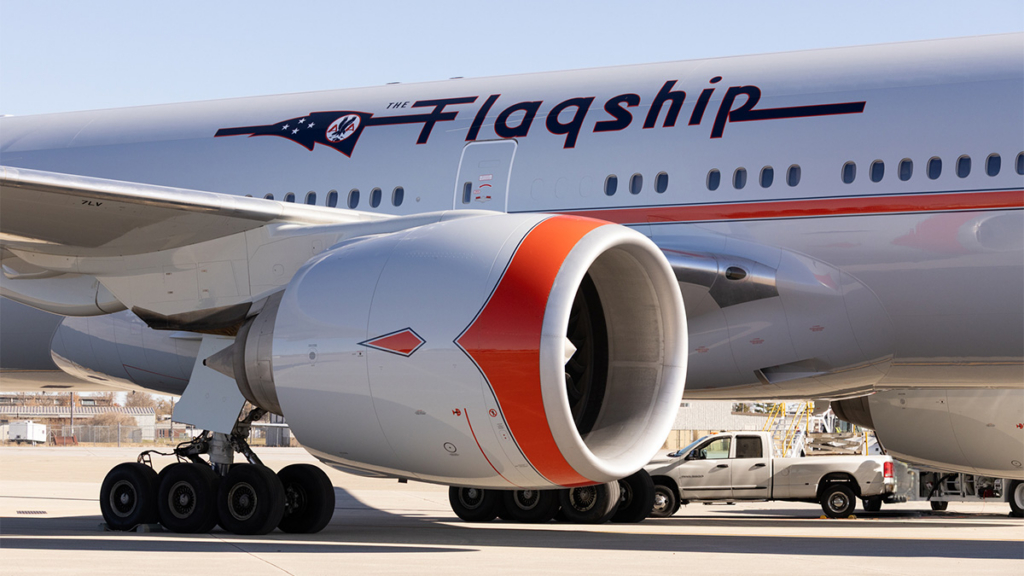
Given the size of its fleet—over 1,000 aircraft—American Airlines could significantly alter the LEO WiFi competition.
“It sounds like American are hoping to make a decision pretty quickly,” Whelan said. “I don’t know which way they will go – but it sounds like it’s between Starlink and Amazon. We also don’t know how many aircraft will be included in any prospective deal.”
With United recently suggesting a play to acquire American Airlines, which the Dallas-Fort Worth-based airline has strongly rebuffed, we wondered whether a potential merger between the two carriers (if such a thing would pass regulatory scrutiny) would sway American’s in-flight connectivity decision. Whelan doesn’t believe it would be a factor.
“I could be wrong, but I don’t think the potential acquisition will impact their plans,” he said. “Even if it did go through, I would assume the airlines would maintain separate brand identities. And having different IFC suppliers across these fleets wouldn’t be a major issue. Most large US airlines already have multiple IFC suppliers across their fleets.”
Eutelsat’s OneWeb isn’t left out
While the race between Starlink and Amazon for most aircraft served is compelling, they are not the only LEO satellite options in the sky. Eutelsat’s OneWeb has partnered with Immfly and Gogo to actively target the low-cost segment.
Together, they provide ancillary opportunities that make a better business case for budget carriers who are still undecided about offering in-flight connectivity.

“Eutelsat has been a little quieter in the market, from a brand perspective, because it isn’t selling direct to airlines,” Whelan told AGN. “However, they are having a notable impact within the IFC ecosystem. SES has been rolling out its multi-orbit service (using Eutelsat’s OneWeb constellation) to airline partners pretty successfully.
“Most installations have happened on American Airlines and Air Canada. Initial feedback on the service has been very positive. I believe they have more than 600 connected commercial aircraft using this service now.
“I think it has also got less fanfare because these have been existing SES customers that are transitioning to multi-orbit, rather than ‘new wins.’ But the impact for Eutelsat is the same – they are scaling up their customer base.”
Passengers win no matter what
Whether airlines opt for Starlink, Amazon or OneWeb, passengers can still look forward to faster WiFi on planes in the years ahead, and much of it free (or free with loyalty program membership).
That is a win for the passenger experience, no matter how you slice up the market.
Featured Image: Qatar Airways
Sign up for our newsletter and get our latest content in your inbox.


More from

October 11, 20263 min read