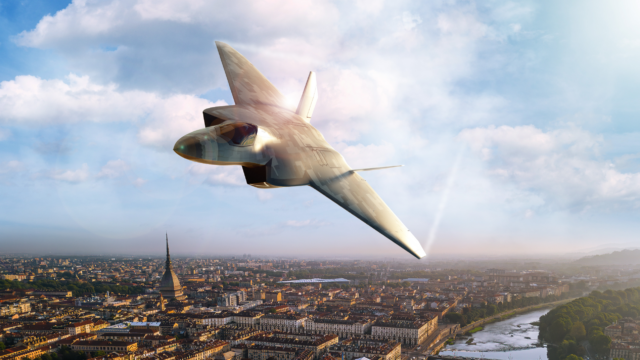
US Air Force reveals $73bn aircraft procurement plan: Here’s what it’s buying

3 min read
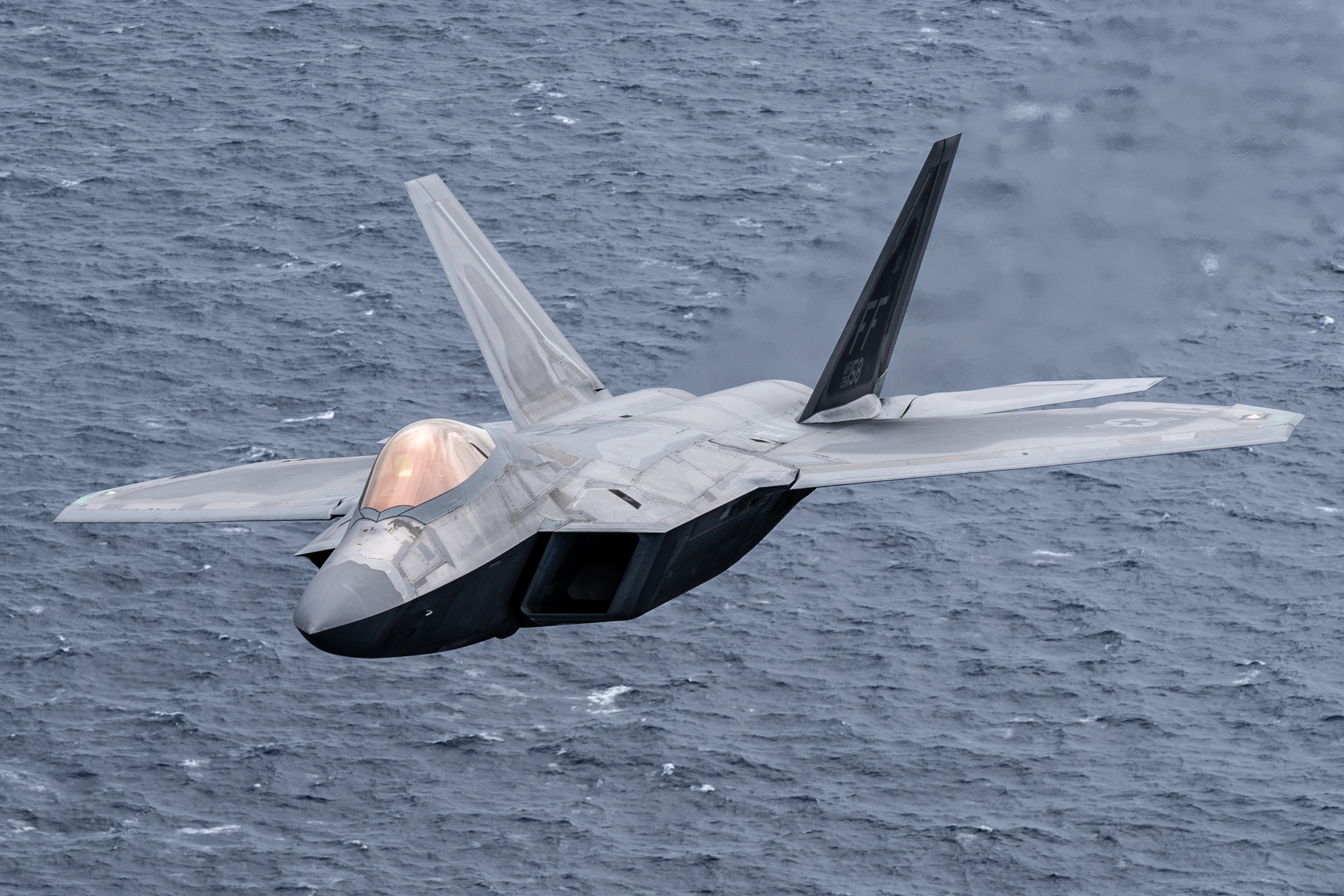
The US Air Force’s FY2027 budget request places aircraft procurement at the heart of its strategy, with $73.3 billion allocated as part of a broader push to expand combat capacity and prepare for high-end conflict.
The proposal includes new funding for F-35 and F-15EX fighters, KC-46A tankers, and, for the first time, procurement of Collaborative Combat Aircraft (CCA), signalling a shift towards a larger, more distributed force.
These procurement plans offer a clear view of how the Air Force intends to build its future fleet, balancing high-end capability with scale, endurance and emerging autonomous systems.
What the USAF wants to buy
| Aircraft | Number requested | Budget requested | Type |
|---|---|---|---|
| F-35A Lightning II | 38 | $7.4bn | Stealth fighter |
| F-15EX Eagle II | 24 | $3.0bn | Fighter jet |
| KC-46A Pegasus | 15 | $3.9bn | Aerial refuelling tanker |
| Collaborative Combat Aircraft (CCA) | Not specified | $1.1bn | Autonomous combat aircraft |
F-35A: US Air Force to buy 38 stealth fighters under FY2027 budget
The budget allocates $7.4 billion for 38 Lockheed Martin F-35A fighters, reinforcing the aircraft’s central role in contested operations.
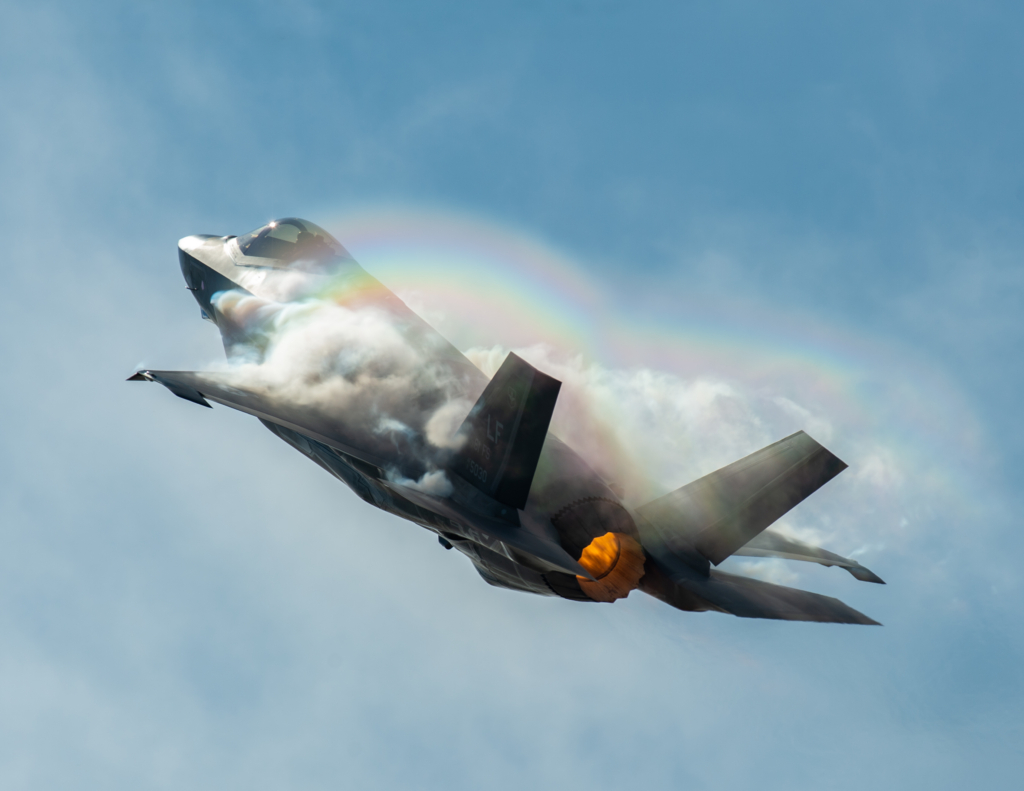
As the Air Force’s primary fifth-generation platform, the F-35 is designed to penetrate advanced air defences, gather and share data, and enable networked operations across the battlespace.
Despite its high cost, continued procurement reflects the platform’s importance in high-end conflict, particularly in regions such as the Indo-Pacific, where survivability and situational awareness are critical.
F-15EX: US Air Force plans 24 Eagle II fighters to boost capacity and firepower
Alongside the F-35, the Air Force is requesting $3.0 billion for 24 Boeing F-15EX Eagle II aircraft, part of a wider plan to significantly expand the fleet.

Unlike stealth platforms, the F-15EX is designed to deliver payload and persistence. With the ability to carry large numbers of air-to-air and standoff weapons, it provides a cost-effective way to increase combat mass and sustain operations over longer periods.
The growing emphasis on the F-15EX reflects a broader requirement for capacity, particularly in scenarios where missile volume, range and endurance are as important as stealth.
KC-46A Pegasus: 15 tankers to sustain US Air Force global operations
The budget includes $3.9 billion for 15 Boeing KC-46A Pegasus tankers, underscoring the continued importance of aerial refuelling in US operations.

Tankers remain critical to projecting power over long distances, especially in the Indo-Pacific, where geography places a premium on endurance and flexibility.
The steady procurement rate suggests the Air Force is prioritising continuity in tanker modernisation rather than accelerating the programme.
Collaborative Combat Aircraft: Moving into procurement
For the first time, the Air Force is requesting $1.1 billion to begin procurement of Collaborative Combat Aircraft, marking a significant step in the development of autonomous systems.
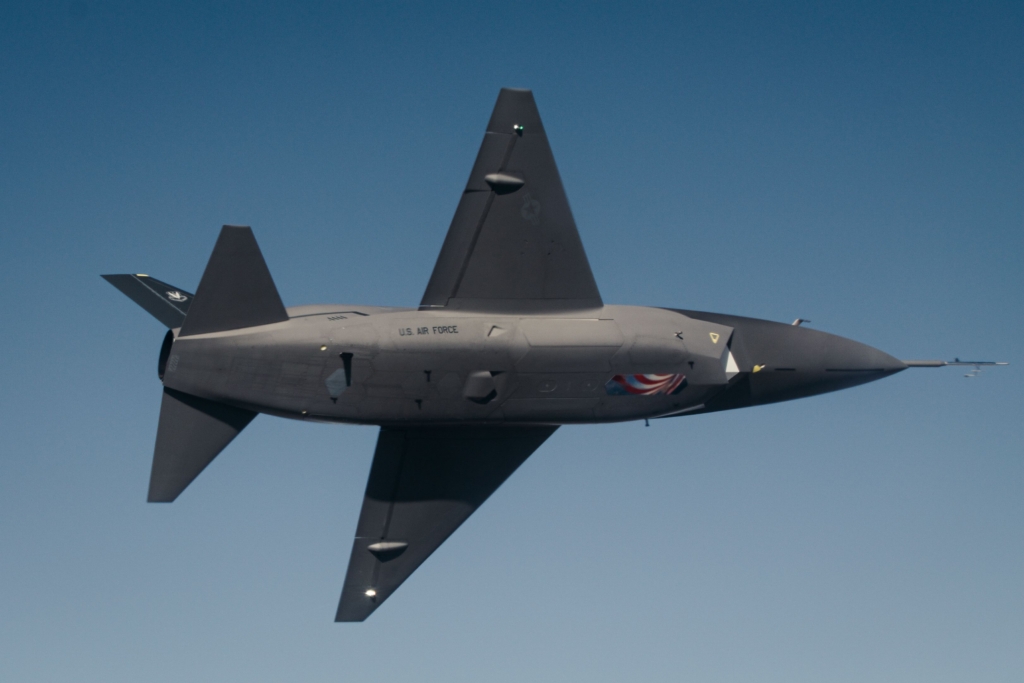
CCAs are designed to operate alongside crewed fighters, performing roles such as surveillance, electronic warfare and strike support. As semi-autonomous systems, they are expected to be produced at lower cost and in greater numbers than traditional aircraft.
This transition from development to procurement signals a shift in how the Air Force plans to generate combat power, pairing crewed platforms with multiple autonomous systems to expand reach and complicate adversary targeting.
USAF procurement strategy reflects an air force shifting priorities
Taken together, the FY2027 aircraft purchases highlight a deliberate balance between capability and scale.
The F-35 provides advanced stealth and sensing, the F-15EX adds payload and capacity, the KC-46A sustains global operations, and CCA introduce a new layer of autonomous capability.

Rather than relying on a single platform, the Air Force is building a force that combines different strengths, reflecting the demands of operating in contested environments at scale.
The FY2027 budget makes clear that the future of US airpower will be defined not just by next-generation technologies, but by the mix of platforms the Air Force chooses to buy.
By investing in both advanced fighters and scalable systems, while bringing autonomous aircraft into the force for the first time, the Air Force is reshaping its fleet for a new era of air warfare.
Featured image: USAF
Sign up for our newsletter and get our latest content in your inbox.


More from

October 17, 20265 min read


October 17, 20264 min read