The Britten-Norman Trislander: Could the world’s smallest three-engined airliner ever make a return?

14 min read
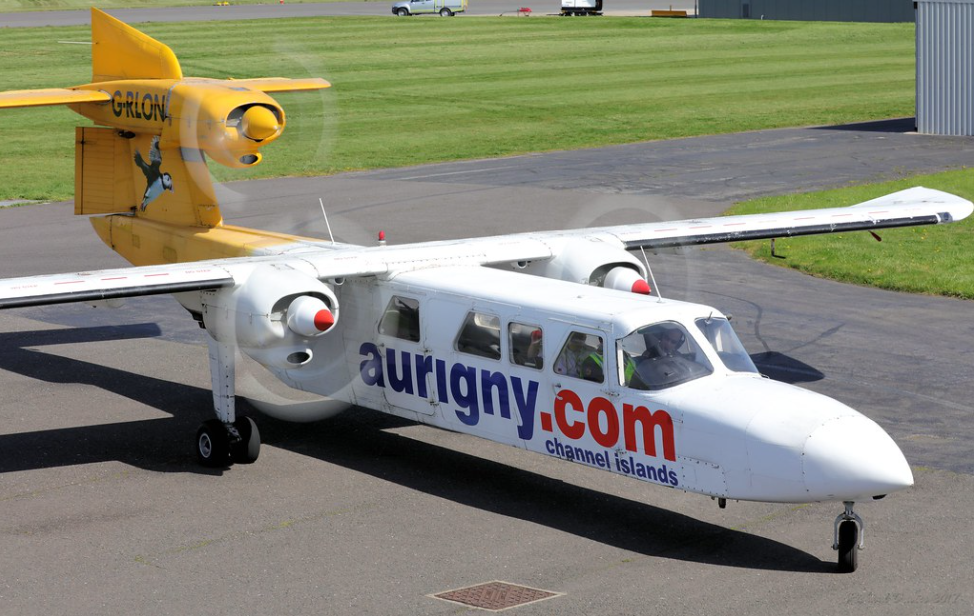
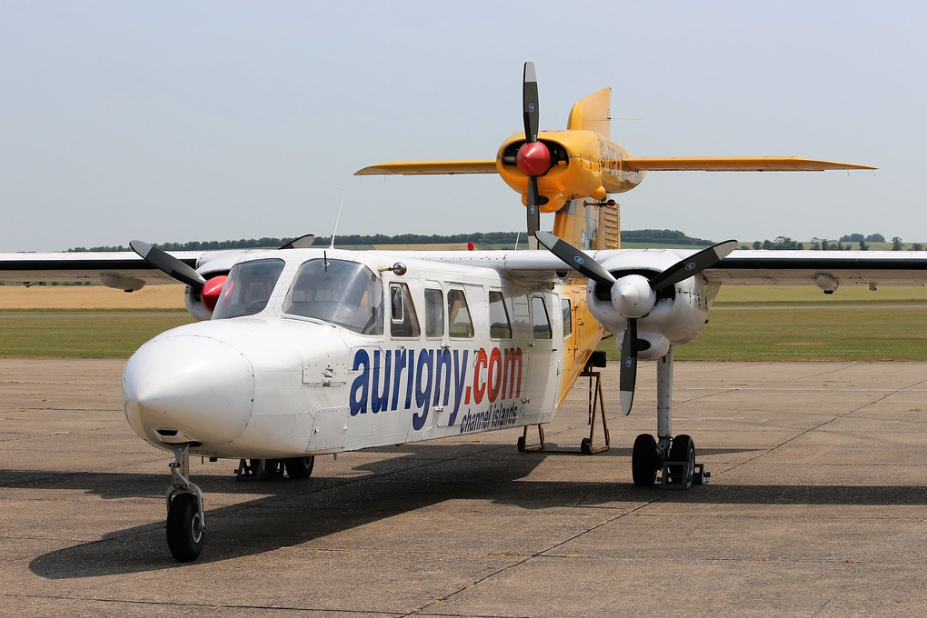
There has never been an aircraft quite like the Britten-Norman Trislander. With three engines mounted on a tiny platform, the aircraft was as unconventional as it was unusual-looking. Yet despite appearances, the type carved a niche for itself and still retains a key spot in UK aviation folklore.
With the last Trislander rolling off the Britten-Norman production line in 1980, and with less than 100 airframes completed, the aircraft may seem an unlikely candidate for returning to production any time soon.
Yet, with its smaller sister, the Britten-Norman Islander is still going strong over 60 years after it first flew. Is there scope for a rejuvenated Trislander to take to the air once more?
Analysing the list of the world’s three-engined commercial airliners
The list of commercial airliners produced with three engines is not a long one. The McDonnell Douglas DC-10 and the Lockheed L1011 TriStar would certainly spring to mind. On the smaller scale, the Boeing 727, the Hawker Siddeley Trident, and the Tupolev 154 are all certainly valid contenders.
Yet there is one further aircraft that should appear on any such list – one that has seen over 50 years of commercial service operating in niche markets and serving smaller communities.
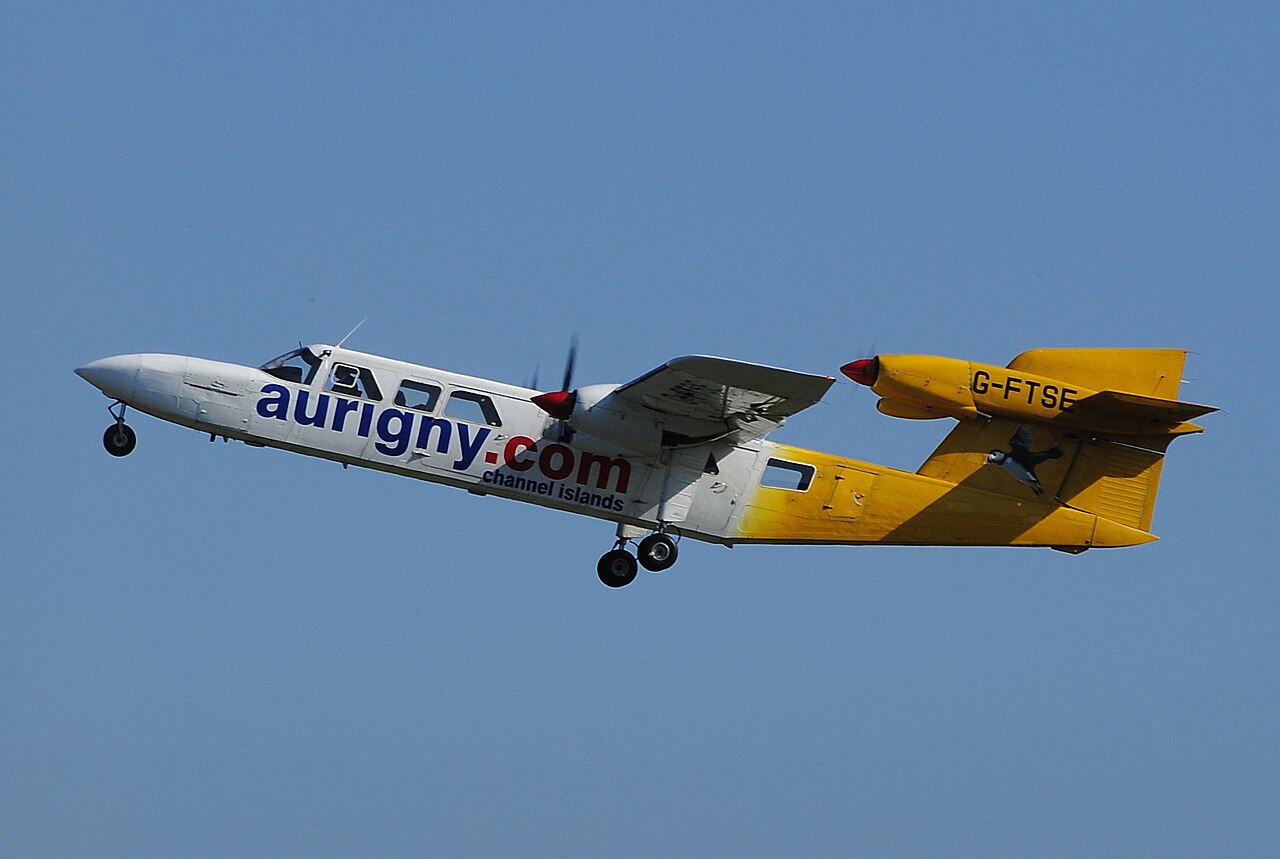
The Britten-Norman Trislander first flew in 1965. A development of the Britten-Norman Islander, the Trislander was designed after the company identified a market for a robust utility aircraft capable of operating from short, rough airstrips with minimal systems.
Single-pilot operations and the ability to accommodate 14 passengers were also part of the brief, along with ease of maintenance and low running costs.
Britten-Norman first introduced the smaller Islander in 1965
The Trislander has its roots firmly embedded in the development of the Britten-Norman Islander – a piston-engined, nine-seat aircraft designed and built to replace the ageing De Havilland Dragon Rapide.
Business partners Desmond Norman and John Britten began developing their rugged airliner in 1964, designed specifically to operate from shorter glass runways but still able to carry nine passengers, just as the Dragon Rapide had done previously.
The design called for a lightweight design, with STOL performance (Short Take-Off and Landing) and the ability to operate off unpaved and grass runways.
Their prototype first flew in June 1965 and given that the business partners had built their factory at Bembridge on the Isle of Wight, their new aircraft was appropriately named the ‘Islander.’
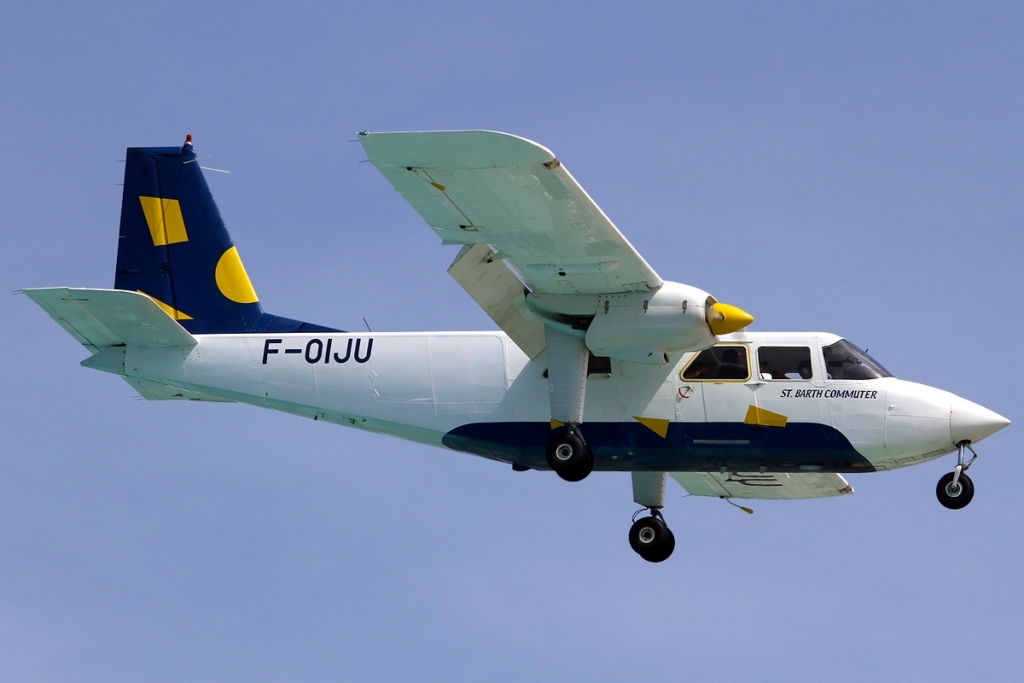
The Islander was designed as a high-wing monoplane with fixed tricycle undercarriage and wing-mounted engines. The fuselage would be a rectangular cross-section, with large cabin side windows and designed for single-pilot operation.
The Islander could be used for a variety of missions, including passenger, cargo, medevac, and special operations, and would offer a range of 750 nautical miles (870 miles / 1,400 km) at a maximum speed of 148 knots (179 mph, 275 km/h).
More than 1,300 Islanders have been built to date, and 750 remain in active service, with production shifting completely to the UK in 2026.
The same plane, but with more capacity and more engines, was needed
As the Islander entered service and operators developed a liking for its robust ability to use short runways and to operate in and out of small, remote airfields, Britten-Norman set about redesigning the Islander to increase its capacity. Operators mooted the concept of a similar aircraft that could carry up to at least 50% more passengers.
Aurigny Air Services, a prominent UK operator of the Islander based in the Channel Islands, said it required a lengthened version of the Islander to operate a similar number of inter-island flights but carrying a larger number of passengers.
It asked Britten-Norman to design a larger, 16-seat version of the aircraft that could offer the same no-nonsense dependability and ruggedness of the nine-seaters already in use.
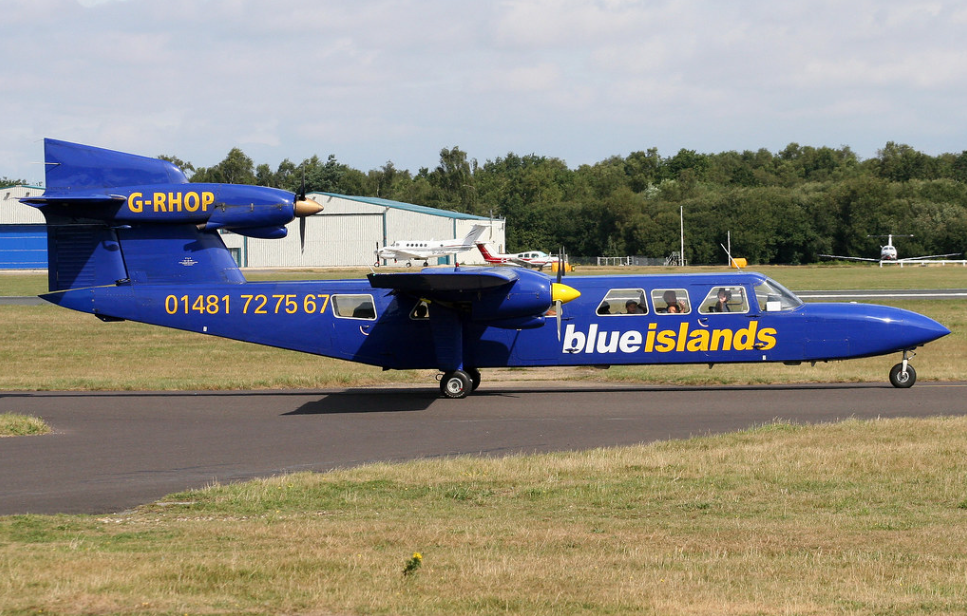
Thus, in 1970, the company unveiled the three-engined sister of the original Islander, which Britten-Norman designated the ‘Trislander’. The Islander’s fuselage had been lengthened by approximately 5 meters (16 ft).
However, the most significant change to the design was the addition of a third Avro-Lycoming O-540-E4C5 piston engine, giving the aircraft increased performance to lift the increase in size and weight.
Without the third engine, the engine-out performance was deemed to be insufficient for the type to obtain a certificate of airworthiness. However, incorporating a third engine raised the issue of where to locate the additional power plant to avoid the issue of asymmetric thrust, leading to sideways yaw of the aircraft.
This issue is often countered through locating the third engine on the nose of the plane or in the centre of the wing. However, neither of these solutions worked with the existing Islander design, so an alternative solution was sought.
Rather than design a new airframe, Britten-Norman took a leaf from the book of much larger three-engined aircraft and installed the third engine in the aircraft’s tail.
The tail design of the Islander precluded the addition of a third engine without significant modification, requiring the team at Britten-Norman to undertake considerable work to redesign the tail structure of the Islander to accommodate the additional powerplant.
While this could be done, the designers also had to ensure that the engine was mounted high enough to ensure that the propeller arc would be clear of the rear fuselage for obvious safety reasons.
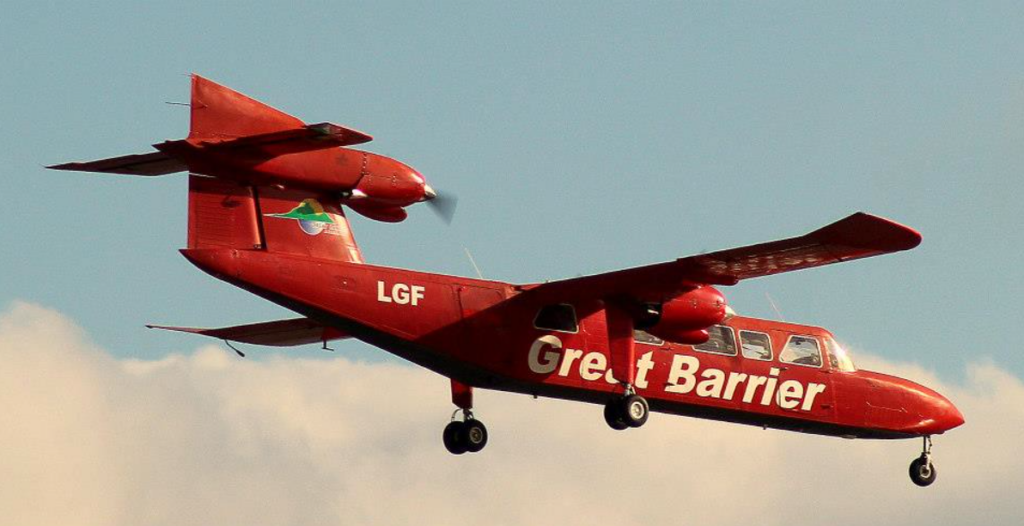
Other changes to the Islander design were the addition of a 2.3 meter (7ft 6in) fuselage ‘plug’ forward of the wing, strengthening the rear fuselage to support the additional weight of the tail and extra engine, and the installation of new landing gear units with larger wheels and tyres.
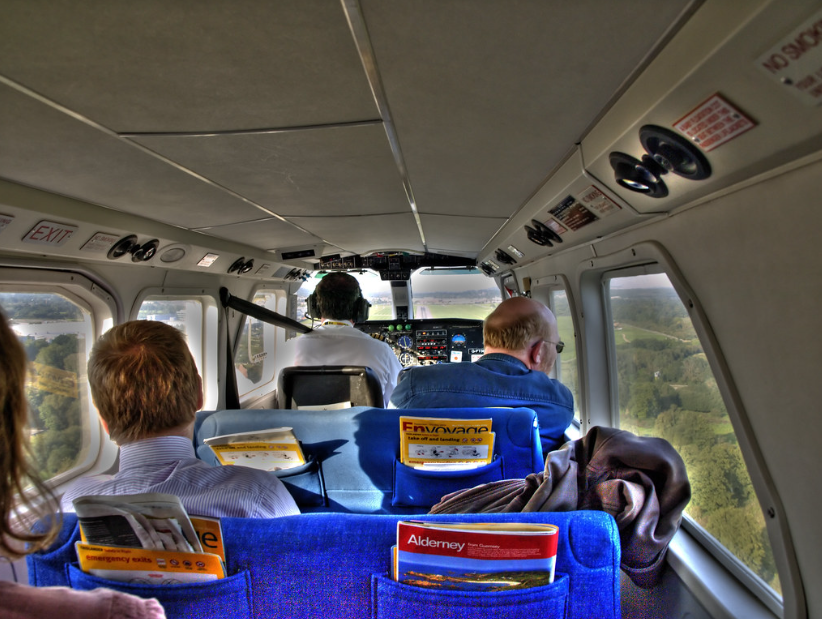
Once the design was finalised, the Trislander could carry up to 17 passengers seated in a two-abreast configuration in eight bench-style rows, plus one passenger sitting alongside the pilot.
Access doors were provided along the side of the fuselage, with each row of two seats having a door on either the left or right side of the cabin, alternating by row.
The key attributes of the Trislander
Like the Islander before it, the Trislander was designed for single-pilot operation, which allowed for operating costs to be reduced. This made the aircraft popular with airlines operating on a limited budget with low numbers of passengers.
Additionally, the Trislander boasted exceptionally low-speed handling characteristics, with extended endurance over the Islander, and increased payload for passengers and baggage.
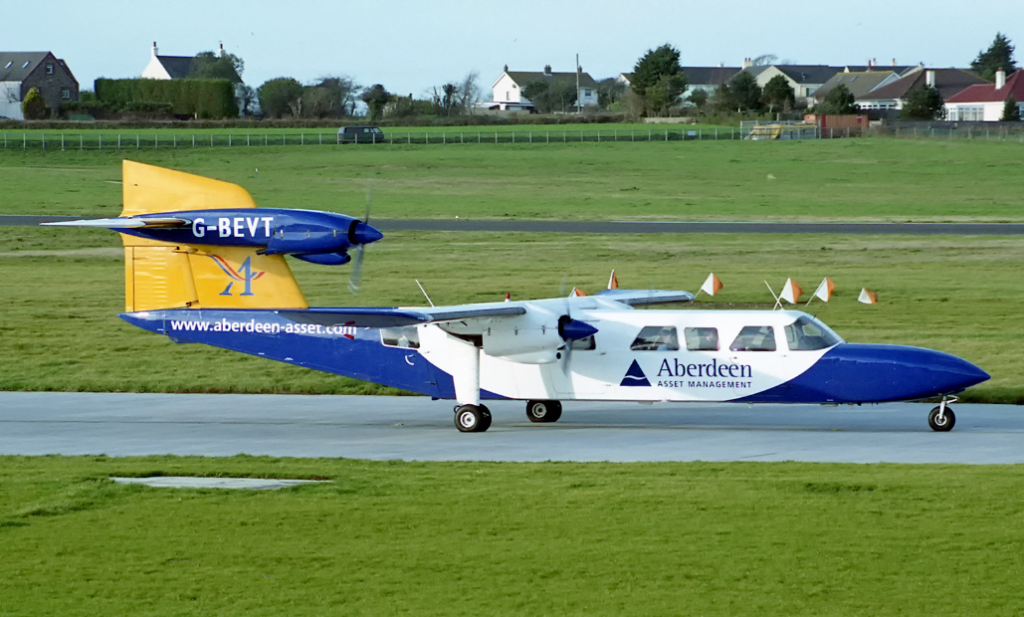
Operators loved its unparalleled capabilities, low noise signature, which, along with its economical operating costs, made the type a popular, albeit niche choice for short inter-island hopping flights with low passenger numbers.
Lastly, the Trislander’s ability to take off from 450-metre (1,476 feet) long landing strips, paired with the ability to use unprepared surfaces, made the Trislander an attractive proposition in the marketplace for those operators looking for a utility passenger aircraft suitable for multiple sectors per day, on very short sector flights.
The Britten Norman Trislander specifications
Length – 15.01 m (49 ft 3 in)
- Wingspan – 16.15 m (53 ft 0 in)
- Height – 4.32 m (14 ft 2 in)
- Wing area – 31.31 sq m (337 sq ft)
- Maximum cruising speed – 166mph (267 kph)
- Service ceiling – 4,010 meters (13,150 ft)
- Maximum take-off weight – 4,536kg (10,000lb)
1970 – The first Trislander takes to the air
Rather than build an entirely new airframe, to reduce costs, Britten-Norman chose to build the prototype Trislander by converting the second Islander ever built (G-ATWU).
The plane first flew on 11 September 1970 before heading directly to that year’s Farnborough Air Show, setting a record for any aircraft performing a first flight to going on display at a major airshow.
The first production Trislander flew in March 1971. This freshly built aircraft incorporated the expanded span wings, which had only been an option on the Islander until then. Certification of the type was received from the Civil Aviation Authority in May 1971, and the first delivery was made to Aurigny Air Services in the Channel Islands in June 1971.
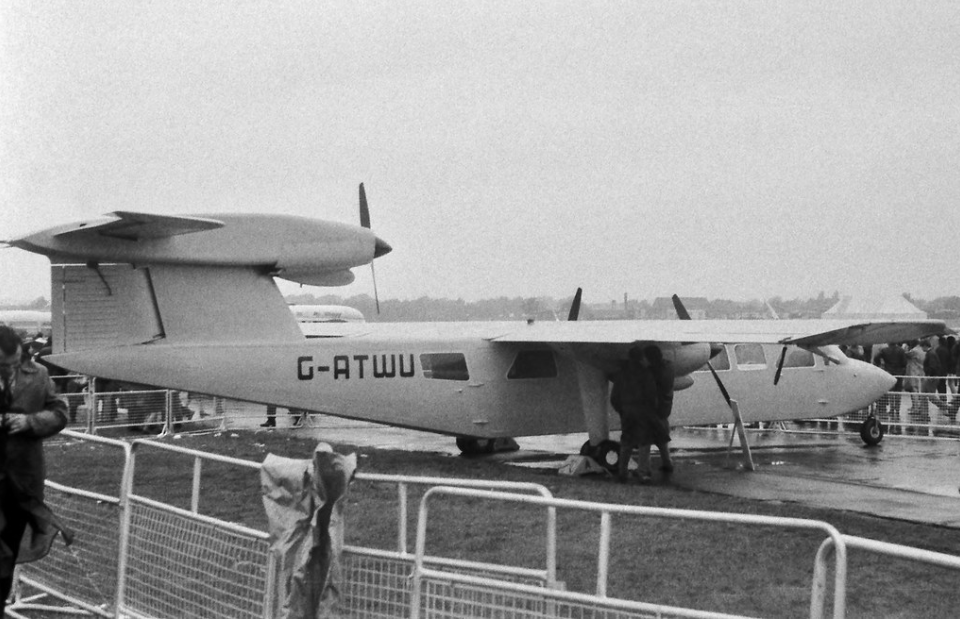
Although demand was steady for the Trislander, it was not overwhelming. Britten-Norman knew that the type would be a niche aircraft that existing Islander operators (such as Aurigny) would upgrade to. However, adding a third engine increased the engineering complexity of the aircraft, which some of the smaller operators were concerned about.
Nonetheless, orders were steady for the Trislander until the late 1970s when demand dried up. Eventually, production of the Trislander ended in 1980, with 72 units built in total.
The operational service history of the Trislander
The Trislander’s unusual three-engine configuration, low-speed handling characteristics, and enviable short-field performance made the type popular on various inter-island routes worldwide, particularly where airfields had limited runway lengths and often challenging approach paths unsuitable for larger aircraft.
Examples of the type have flown in all corners of the world, from the Highlands and Islands of Scotland to beach resorts off the coast of Puerto Rico and from island-hopping services around the Caribbean to serving remote island communities in the Philippines.
The largest operator of the type was lead customer Aurigny, which operated 16 Trislanders in all. Other airlines to operate the Trislander included now-defunct UK carrier GB Airways, which leased a Trislander between May 1989 and June 1991 and deployed it on the world’s shortest international air service between Gibraltar and Tangier, Morocco – around 85 miles (139km).
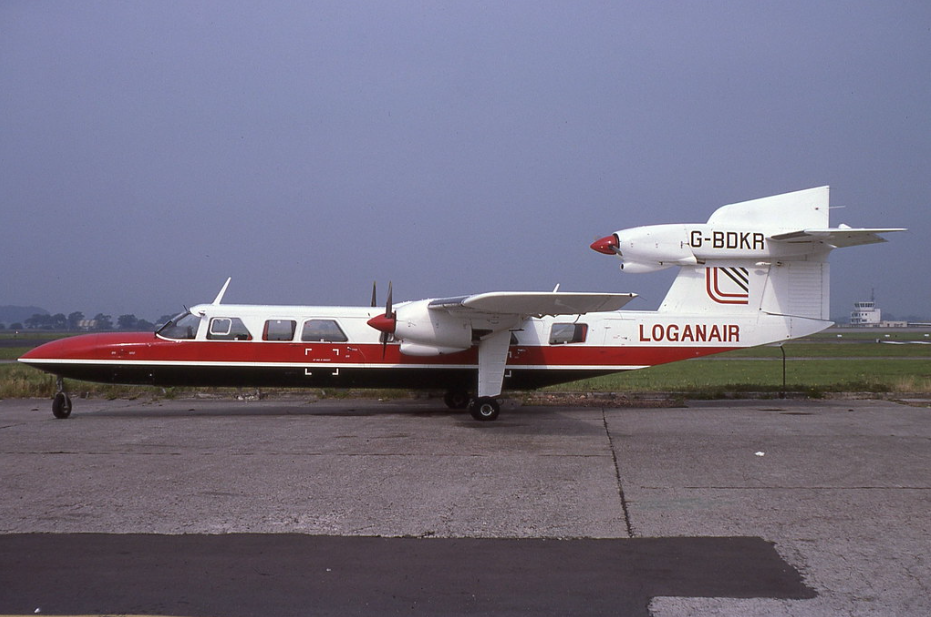
Meanwhile, Scotland’s main airline, Loganair, used its three-engined Trislanders on routes from Glasgow to the Outer Hebrides and the Orkney Isles.
One of the services flown by Loganair’s Trislanders included the legendary route from Glasgow Airport (GLA) to land on the beach runway at Barra Airport in the Outer Hebrides, a route that is now more commonly flown by De Havilland Twin Otter.
Overseas, a major national airline that operated the type was Air Seychelles, which used its Trislanders to ferry passengers from the capital, Mahe, to the grass runway at the luxury vacation resort on Praslin Island. Again, like the Loganair route to Barra, De Havilland Twin Otters eventually replaced the Trislander on this route.
Other locations that saw the Trislander in action included airports in South America and the Caribbean. In Anguilla, charter and scheduled carrier Anguilla Air Services operated one airframe, which was delivered to the carrier in 2019.
The aircraft, registered VP-AJR, was used on short-haul hops between Clayton J. Lloyd International Airport (AXA), Sint Marteen’s Princess Juliana International Airport (SXM), and Robert L. Bradshaw Airport (SKB) on St. Kitts. The aircraft is now believed to have been retired.
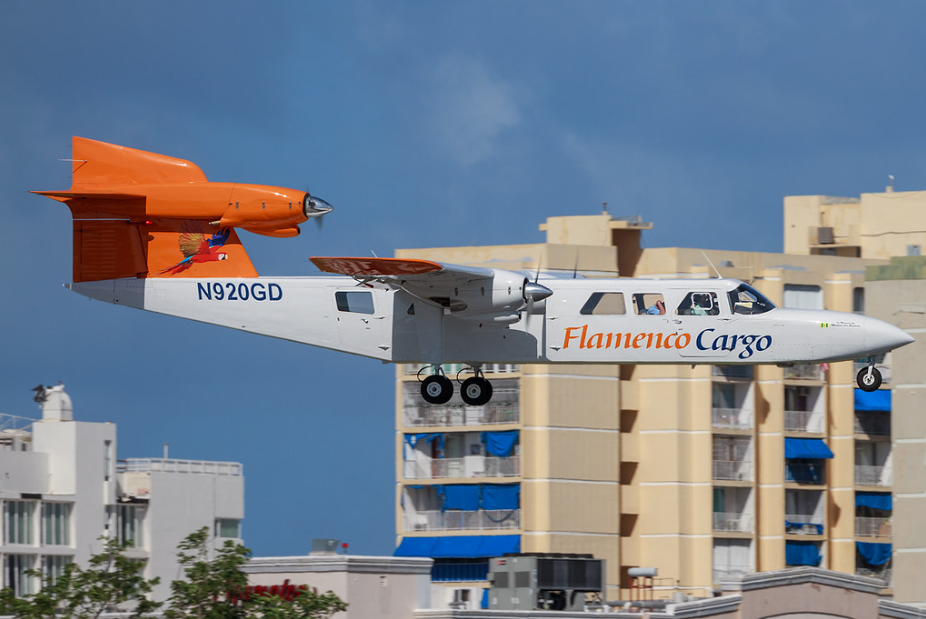
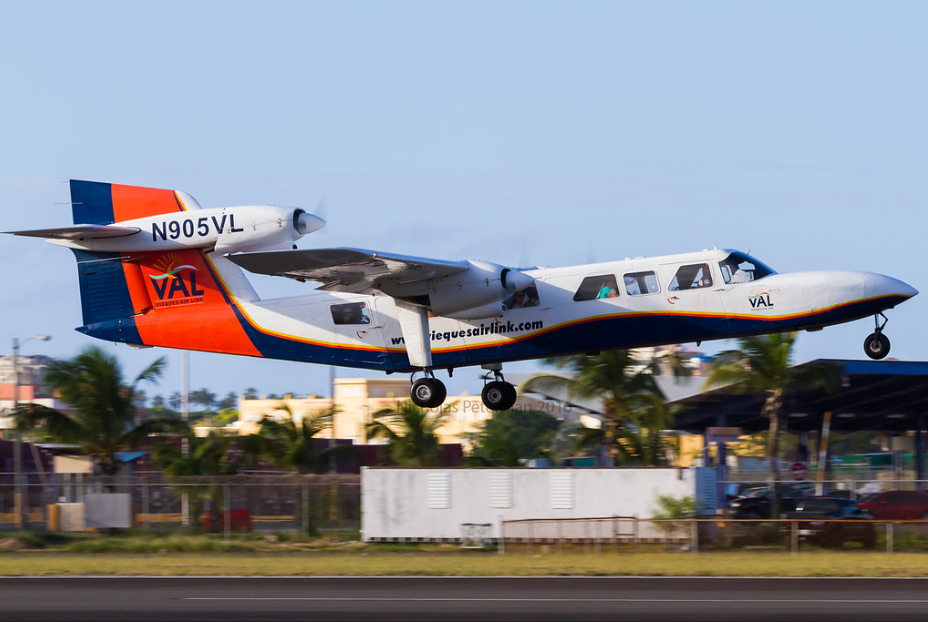
Elsewhere, two Puerto Rican air operators each operated one example of the aircraft. Air Flamenco used the Trislander for charter operations and scheduled services between Vieques’s Antonio Rivera Rodríguez Airport (VQS) and Luis Muñoz Marín International Airport (SJU) in San Juan, while island hopper Vieques Air Link’s aircraft was utilised primarily as an inter-island freighter.
It is believed that the last two flying examples of the Trislander remain operating in Guyana. Roraima Airways is reported to operate this small fleet on charter and air taxi work alongside its three Islanders. These two aircraft are thought to be the last remaining Trislanders in regular passenger service anywhere worldwide.
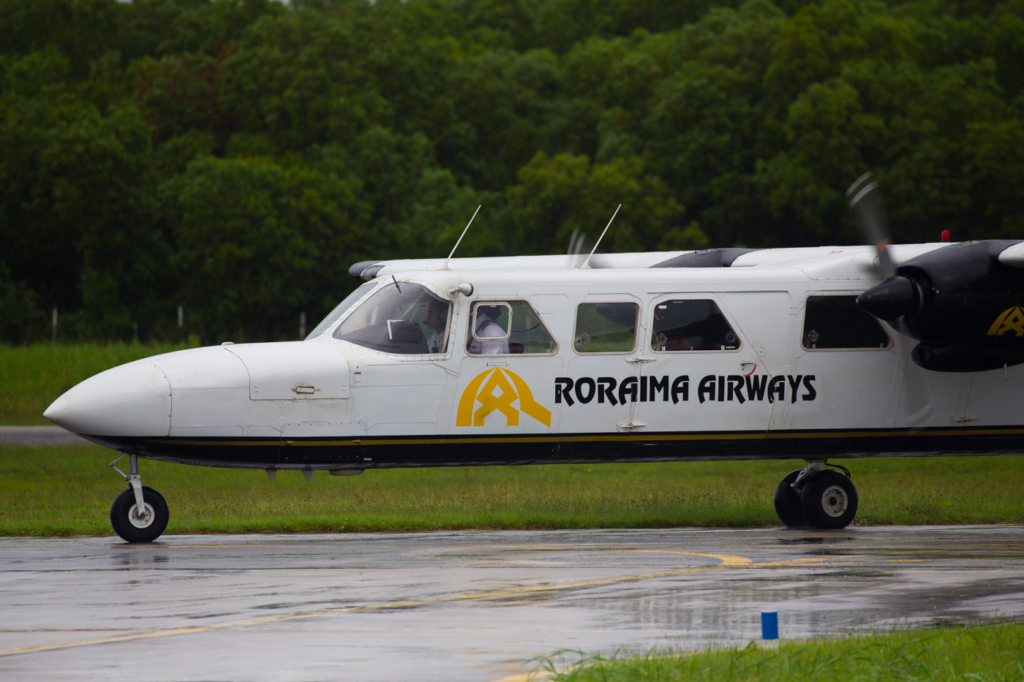
Roraima Airways has operated the type since 2016. Set out in an 18-seat configuration, its pair of Trislanders (registered 8R-GRE and 8R-GRF) are often deployed on tourist charter flights out of Roraima Airways’ base at Eugene F. Correia International Airport (OGL) in Georgetown.
At the time of writing, 8R-GRF was operating another scheduled passenger service for the airline (flight ROR796) from Georgetown.
Aurigny and the Trislander – an enduring relationship
Aurigny, the launch customer for the Trislander, operated 16 of the type in all, becoming by far the largest operator of the type. The airline’s final flight using a Trislander took place in May 2017 before being replaced by Dornier 228s.
One particular example, registered G-JOEY, enjoyed legendary status with the airline. With its eye-catching registration alongside its smile, jolly painted ‘eyes,’ and red nose cone, this aircraft became known as the face of Aurigny and became a firm favourite amongst the airline’s customers.
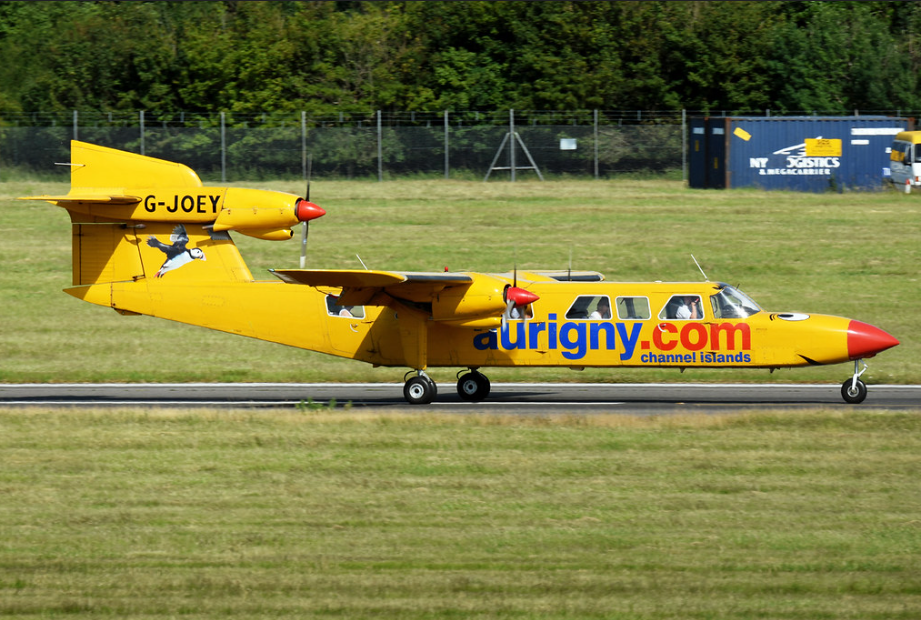
G-JOEY is now an exhibit as a tourist attraction at an attraction called ‘Oatlands’ on the island of Guernsey. It was saved from scrapping following a public campaign to keep it on the island of Guernsey once retired as a legacy to the Trislander’s service to the island for over 20 years.
Elsewhere, two more of the Aurigny Trislanders have also been preserved. One (registered G- BEVT) was flown to the Imperial War Museum in Duxford, Cambridgeshire, in June 2017 for conservation with the British Airliner Collection.
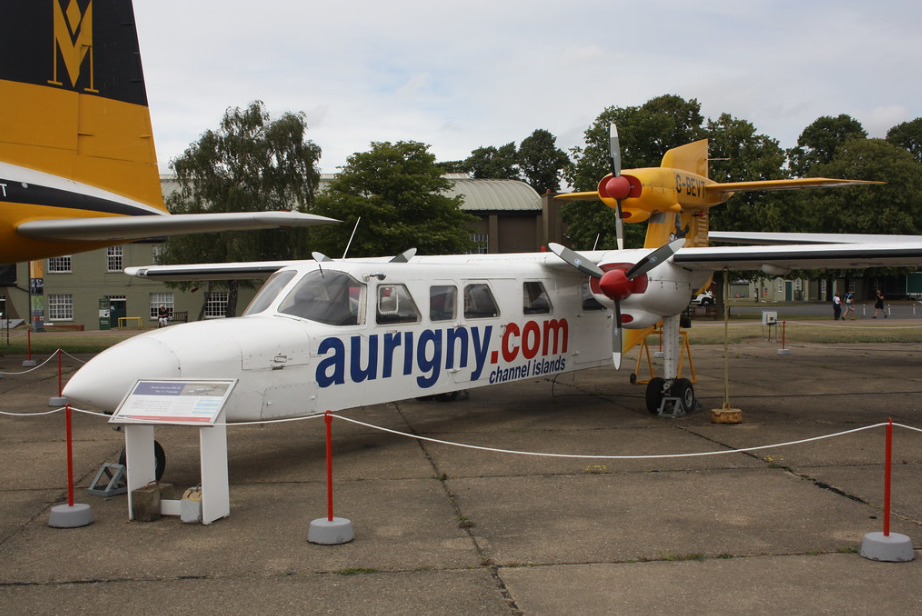
Another Aurigny Trislander was retired to the Solent Sky Museum in Southampton, England (G-RLON). Both of these examples remain on public display.
The Trislander – a niche aircraft, but with modern-day competition
The Trislander arrived on the commercial scene at just the right time. Niche carriers needing a rugged airframe with proven, dependable engines and able to operate from unpaved airstrips were fully catered for with the Trislander.
Those operators that wanted a slightly bigger aircraft could look elsewhere, although anything with 18 seats or more generally had to be flown by two pilots, increasing cost and diminishing operational versatility.
Few aircraft have since managed to tick all the boxes that the Trislander can. The Twin Otter, as previously mentioned, has come close, offering the same adaptability and ruggedness as the British aircraft, albeit with a turbine engine and a two-crew cockpit.
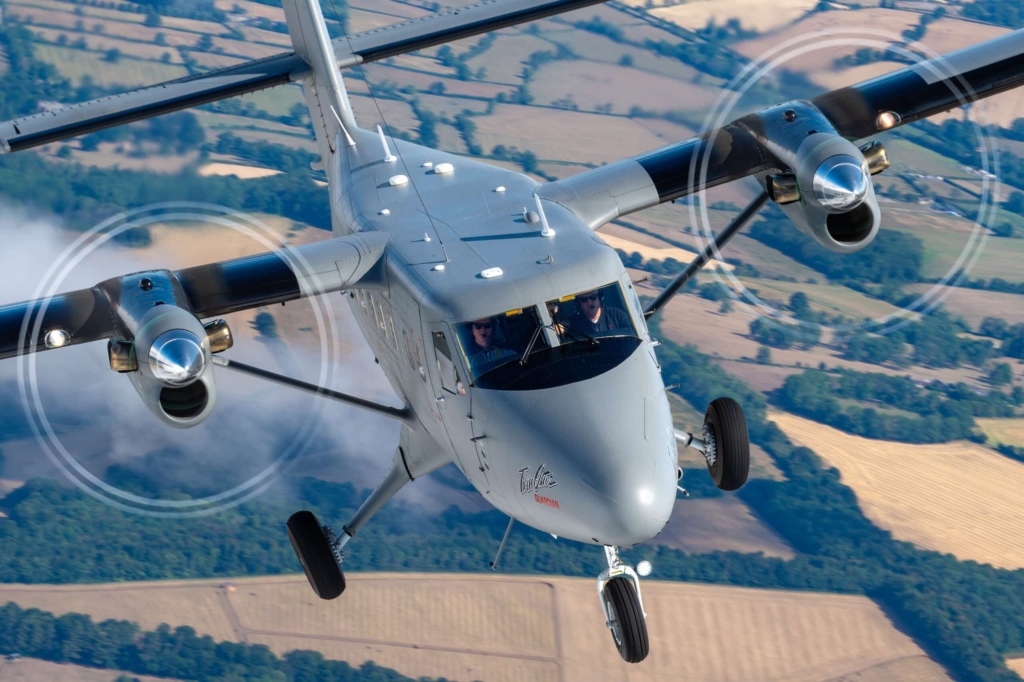
The Twin Otter, still being built as a new high-technology variant as the De Havilland Aircraft Twin Otter 300G, has replaced the Trislander on various routes for which the three-engined aircraft was first developed. Most recently, Aurigny has now replaced its fleet of Dornier 228s with a pair of Twin Otters leased from British airline Skybus.
The Trislander was once the stalwart of the Channel Islands scene, with the type making full use of the grass runway in Alderney, for example.
Besides the Twin Otter, other types have, in part, replaced the Trislander elsewhere in the world. The Cessna Grand Caravan, offering a similar single-pilot, 14-seat aircraft able to operate from short, unpaved runways, has also seen some preference in recent years, as is the Textron Aviation next-generation Cessna Sky Courier.
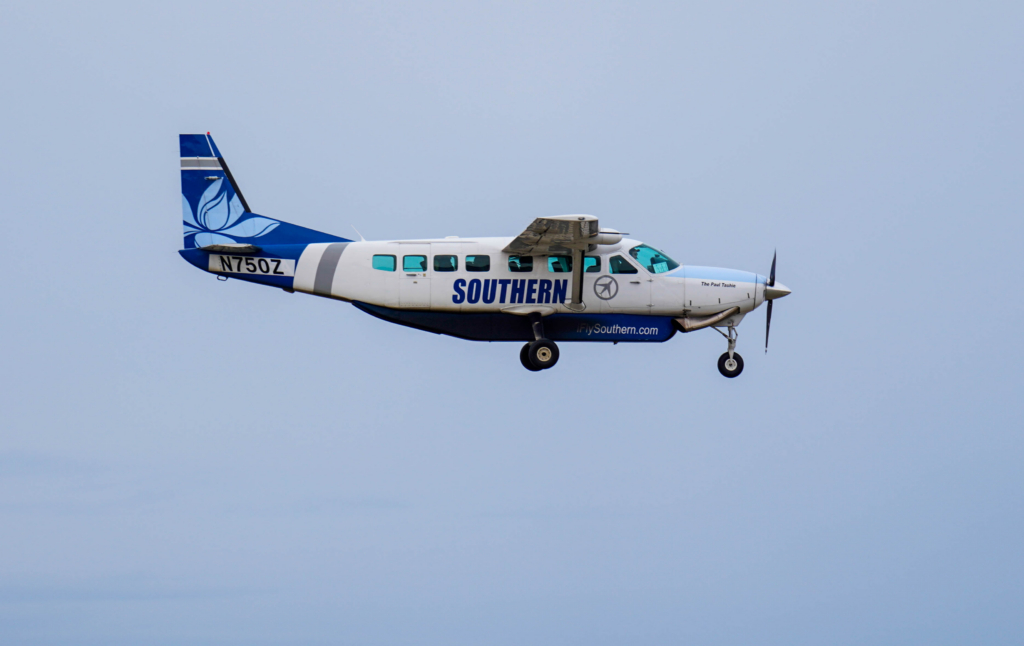
Finally, the Czech-built LET 410 is still being produced for markets for which the Trislander was perfectly suited at one point. Like anything in aviation, time has moved on, and the markets for which the Trislander was first built have found other aircraft suited to the task.
While the modern offering may not quite deliver in the way the Trislander did, they offer increased reliability, modern technology, and upgraded avionics, allowing for a greater range of applications than the trusty Trislander.
Could the Britten-Norman Trislander ever make a return?
So, with its unusual appearance, unconventional configuration, and stunning array of applications, could the Trislander make a comeback despite the modern-day competition?
Speaking to Aerospace Global News recently, Britten-Norman’s Business Development Director, Lara Harrison, said that while there were no plans to bring back the Trislander at present, the company never shuts the door entirely on the proposition.
“While the Trislander was a fantastic aircraft and is an important part of the Britten-Norman heritage, there are no current plans to bring the type back into production,” said Harrison. “If a customer wanted to order the Trislander in suitable numbers, we would certainly look at it,” she added.
“In fact, we get contacted more than you would think about the Trislander. But it would be a big project to take on at a time when our focus in ramping up Islander production, as the design would need some modernisation and updating”
“So, while the official answer from Britten-Norman is not an outright no, anyone interested in buying a new Trislander would need to order at least ten aircraft to make the resurrection of the project, and all the work that it would involve, viable,” Harrison concluded.
While the Trislander may have come up short of the commercial success that Britten-Norman once envisaged, the type still managed to carve a niche for itself, operating in the short sector, high-frequency market, offering quick flights at low cost to operators across the world.
The fact that even today, there is a small number of Trislanders still flying, 55 years after the type first flew, speaks volumes for the aircraft and the legacy it has left on the global aviation scene.
Featured image: Richard Clark / Flickr