


Exclusive: How Britten-Norman has become a flagbearer for UK aircraft production over six decades

20 min read

With six decades of flying behind it, the Britten-Norman Islander has carved a niche for itself in modern aviation. Rugged, versatile and boasting short take-off and landing capabilities that few other twin-engined aircraft can match, the Islander has become an icon of British aviation heritage, operating in some of the remotest parts of the world.
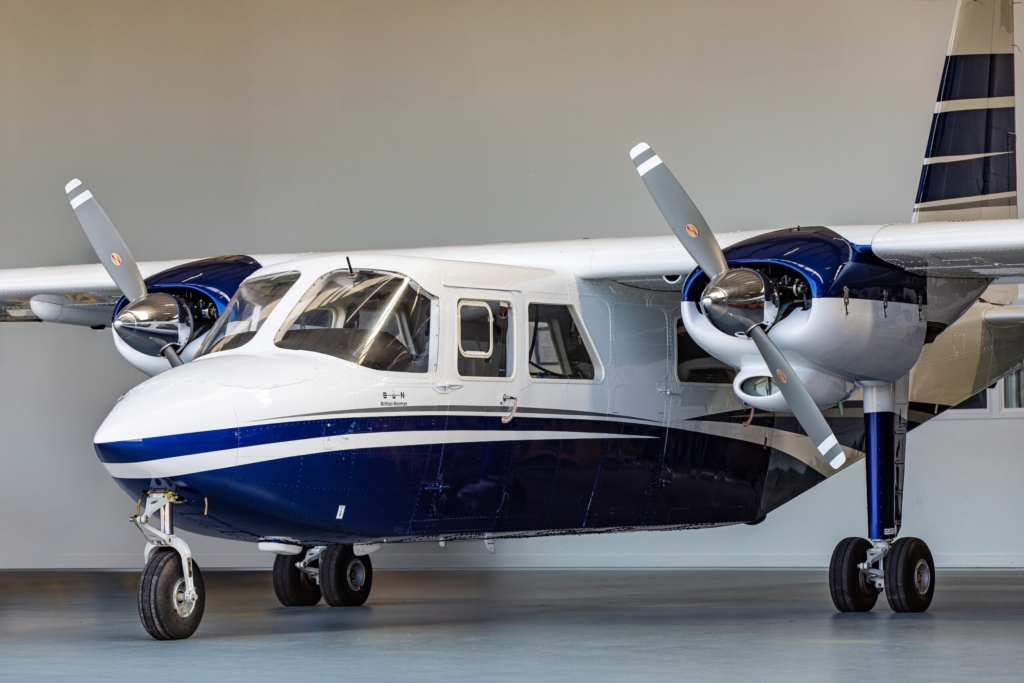
Recently, Aerospace Global News was invited to the small airstrip near Bembridge on the Isle of Wight (the spiritual home of Britten-Norman) to examine how the company continues to go from strength to strength, building its unique aircraft that has graced the skies for over 60 years.
With strong and growing interest in both its new-build and pre-owned Islander programmes, the future looks bright for the UK’s remaining air transport aircraft manufacturer.
From humble beginnings to the present day: the Britten-Norman islander
The Islander has its roots firmly embedded in the development of a piston-engined aircraft capable of replacing the ageing De Havilland Dragon Rapide. Desmond Norman and his business partner, John Britten, began developing a new eight to 10-seat airliner in 1964, designed to slot into markets where the Rapide, along with other aircraft in the class, was gradually being phased out.
The design called for a lightweight design, with STOL performance (Short Take-Off and Landing) and the ability to operate off unpaved, unprepared, and grass runways.
Their prototype first flew in June 1965, and given that the business partners had built their factory at Bembridge Airport (BBP) on the Isle of Wight, their new aircraft was appropriately named the ‘Islander.’
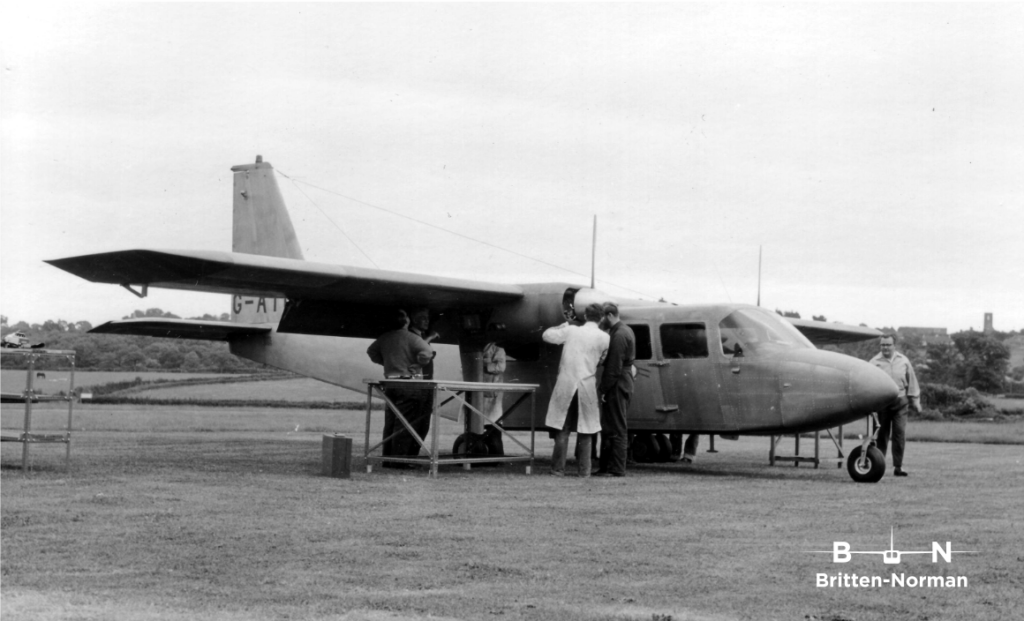
The newly designed aircraft was a high-wing monoplane with a rectangular fuselage cross-section, conventional tail unit, and non-retractable, tricycle-type landing gear. The plane was designed for single-pilot operation and could carry up to nine passengers in a high-density layout.
The aircraft has a range of 750 nautical miles (870 miles / 1,400 km) at a maximum speed of 148 knots (179 mph, 275 km/h). More than 1,300 aircraft have been built to date, and 750 remain in active service.
Despite its age, the Islander continues to garner interest from operators seeking to use the aircraft’s unique capabilities for a wide range of roles. These include the passenger air transport, military, special missions, medevac and cargo spectrums, among others.
With growing interest in the Islander programme, production is continuing at pace at the Bembridge site, as the company looks to the future with optimism, as its Islander continues to find niches all over the world.

Although production of the Islander was moved to Romania in the aircraft’s early years, in 2023, the company announced that it would reshore the entire production process of the Islander back to its factory in Bembridge, following a multimillion-pound investment from Northern Ireland-based Beechlands Enterprises.
At the time of the announcement, Britten-Norman said that the move would not only benefit the company through investment in the production of the Islander but would also bring economic growth to the Isle of Wight, with more jobs and a boost to the area’s supply chain and transportation sector.
Britten-Norman: From the pandemic through to today
Speaking with Britten-Norman’s Chief Operating Officer, Richard Milne, and Business Development Director Lara Harrison, it becomes clear quickly that the pandemic presented significant challenges for the business, as it did for much of the aviation sector.
Like many manufacturers, Britten-Norman experienced a sharp reduction in demand as operators were grounded globally and supply chains were disrupted.
The company used that period to sharpen its strategic focus, and in 2024, secured new investment from Northern Ireland-based Beechlands Enterprises, which became the company’s sole shareholder in October of that year. That investment has since provided the capital and stability needed to accelerate the reshoring of Islander production and build for the future.
“Like everyone in the aviation business, COVID-19 really had an impact on Britten-Norman”, explained Harrison. “It had an impact on demand as we saw our operators grounded globally, but also in terms of our supply chain. So, for us, it had quite a significant impact on our output.”
“Throughout the pandemic, we remained committed to our team and our contracts. We continued to trade because we had important obligations to support, and we came out the other side of COVID having learned a great deal about our own resilience — and knowing that the business needed fresh investment to grow.”
Harrison explained that a key part of attracting new investment was to pursue the company’s long-standing strategy of repatriating production and ramping up its new-build Islander production line.
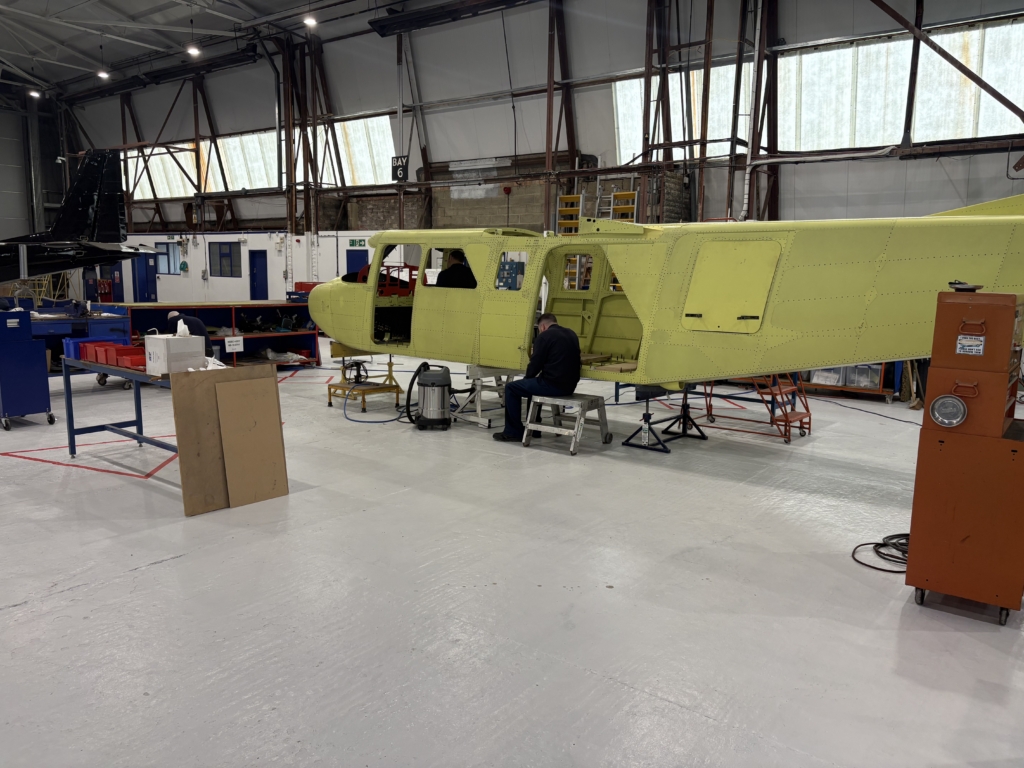
“In October 2024, we got Beechlands on board, and they have started investing in the business in terms of raw materials and helping us build up our workforce, manufacturing, machinery, tooling, and investment into our site. Since that point, we have been in a period of rapid growth.”
“We have also restructured the business, so Britten-Norman Aerospace is now one company, rather than several companies in the group. Our strategy is to be predominantly focused on our new build production line, as well as our aftermarket service with our customers. So, mostly all of that investment from Beechlands has been focused on those two areas.”
“That is what has happened between COVID and now. We are at a point now where we have aircraft coming off our own UK-based production line, while another aircraft is just coming off our MRO and finishing line (at Lee-on-Solent Daedalus Airfield in Hampshire) to be delivered to a Guyana-based customer shortly. It is a busy and exciting time for the business,” added Harrison.
One aircraft, four variants: the Islander product line today
Harrison explained that although based on one platform, there are actually four key variants of the Islander available today, with each offering a range of specifications to suit customers’ needs.
“There is the BN2B-26, a 260-horsepower piston Islander, and the BN2B-20, the 300-horsepower piston Islander. Additionally, the BN2T is the same size as the piston Islanders, but it is powered by Rolls-Royce 250 B17C turbine engines for improved performance for longer flights or special mission operations. The largest version of the Islander is the BN2T-4S, which is also a turbine variant providing a slightly longer fuselage for additional capacity.”
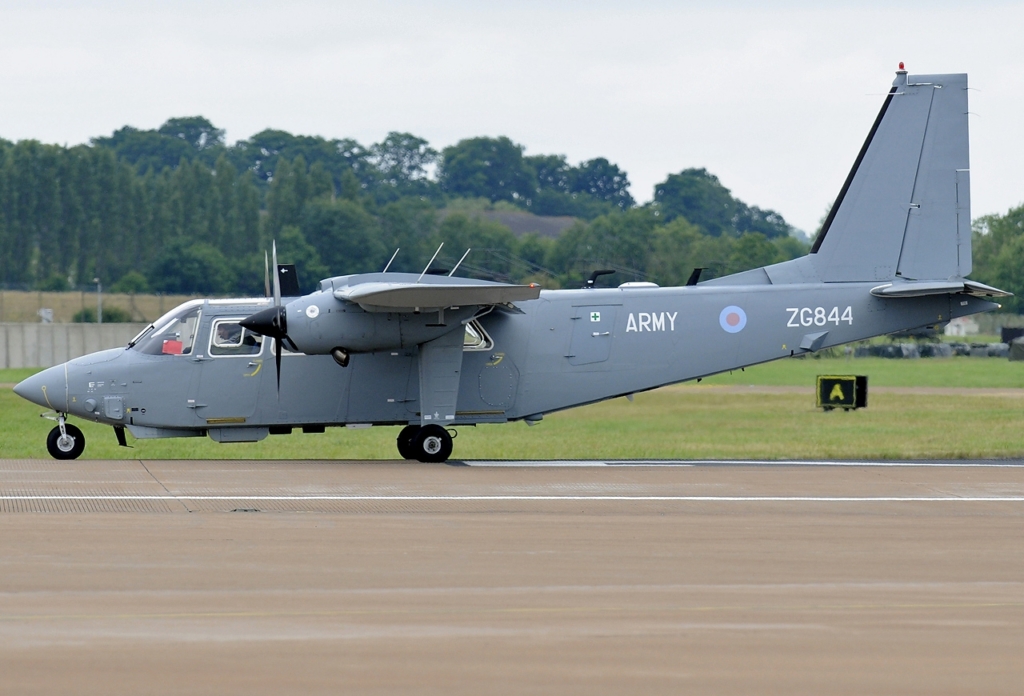
Aldo Bidini / Wikimedia Commons
Milne explained that, as there are parts of the world where aviation gasoline (avgas) is simply not available, the development of a turbine Islander (which runs on aviation-grade kerosene) was a necessity.
Additionally, for special missions where STOL performance is not such a requirement, government, military, police, or alternative special mission applications also need a more stable platform, which can remain airborne longer, he said.
“With the turbine Islander, if you have a 6-8 hour surveillance mission and you have got really specialist equipment fitted to the airframe that needs stability, that aircraft is perfect for that,” Milne adds.
Harrison continued by adding that with the four aircraft variants, along with Britten-Norman’s ability to offer new, pre-owned, or leased/financed aircraft options, as well as the ability to customise aircraft through its MRO facility offering modifications, upgrades, and maintenance services, the company can adapt the Islander to each customer’s exact requirements – another one of its key strengths.
“We aim to be a one-stop shop for every customer,” said Harrison. “In addition to the aircraft supply part of the business, we provide pilot training, engineering, spare parts, technical publications, field servicing, everything you would need to be a successful operator.”
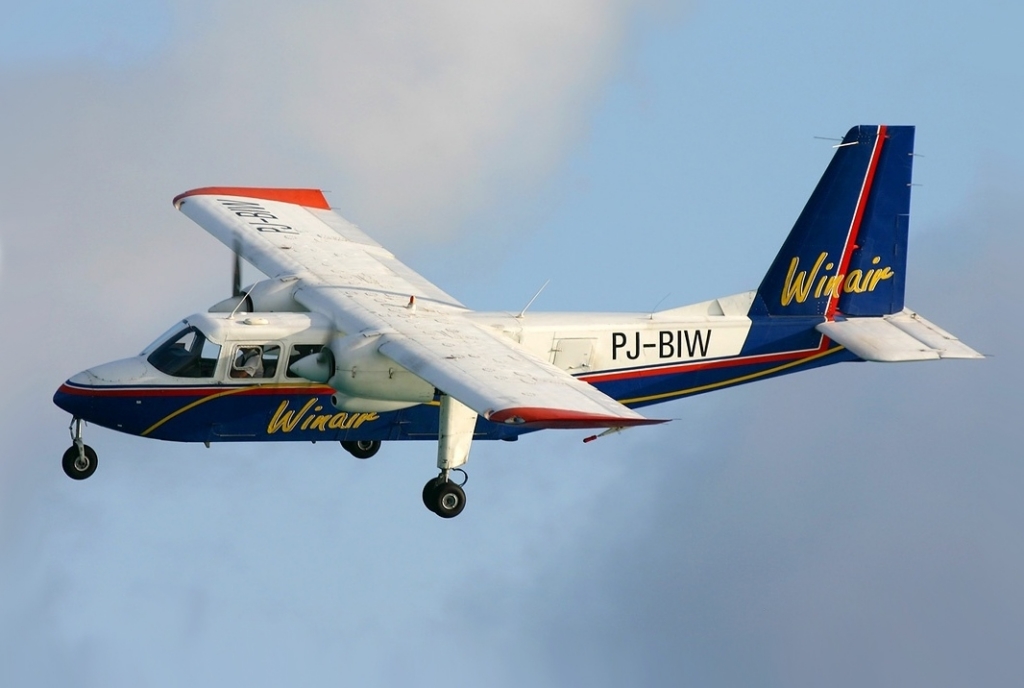
“We are the type certificate holder for the Islander, and we are approved as a CAA-approved design organisation, and we can actually design for other aircraft types as well as the Islander, if required,” added Milne.
“Our full manufacturing capacity is deliberately focused on Islander production – that is where we are investing and where the market demand sits,” he said. “It is a conscious strategic choice to concentrate our resources there as we scale up.”
Reshoring the production of the Islander back to the UK
Both Harrison and Milne explained that bringing production fully in-house and back to the UK has been a long-standing ambition for Britten-Norman.
“The process started during COVID,” said Milne. “We historically subcontracted construction to a company called Romaero in Romania. However, as they were closed during COVID, production on the Islander ground to a halt, which had a negative impact on Britten-Norman. It made us realise that we need to be more self-sufficient.”
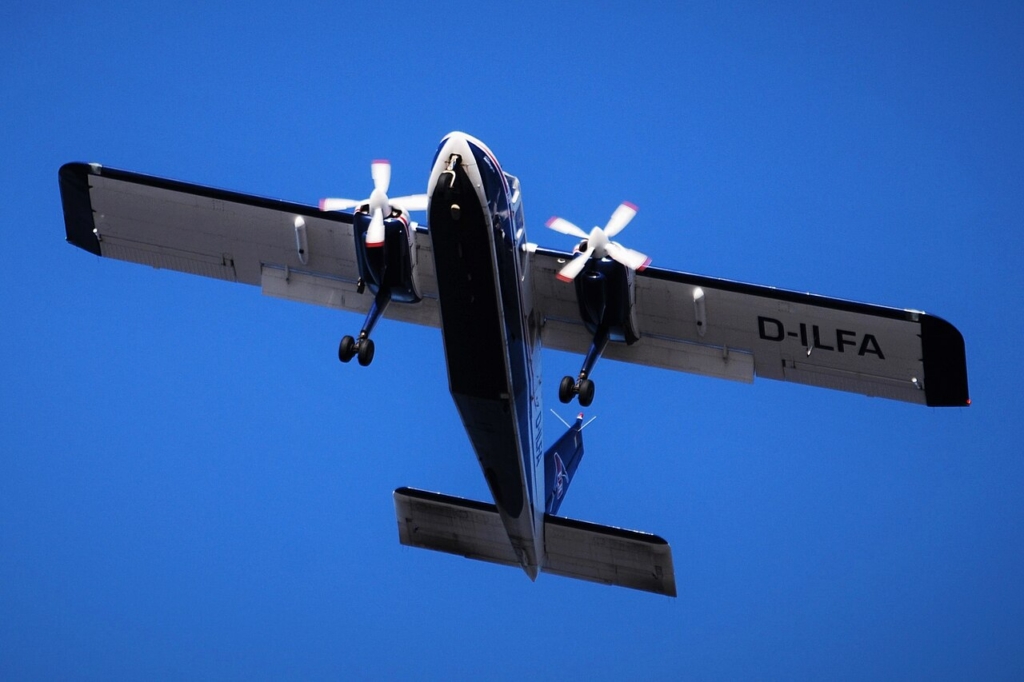
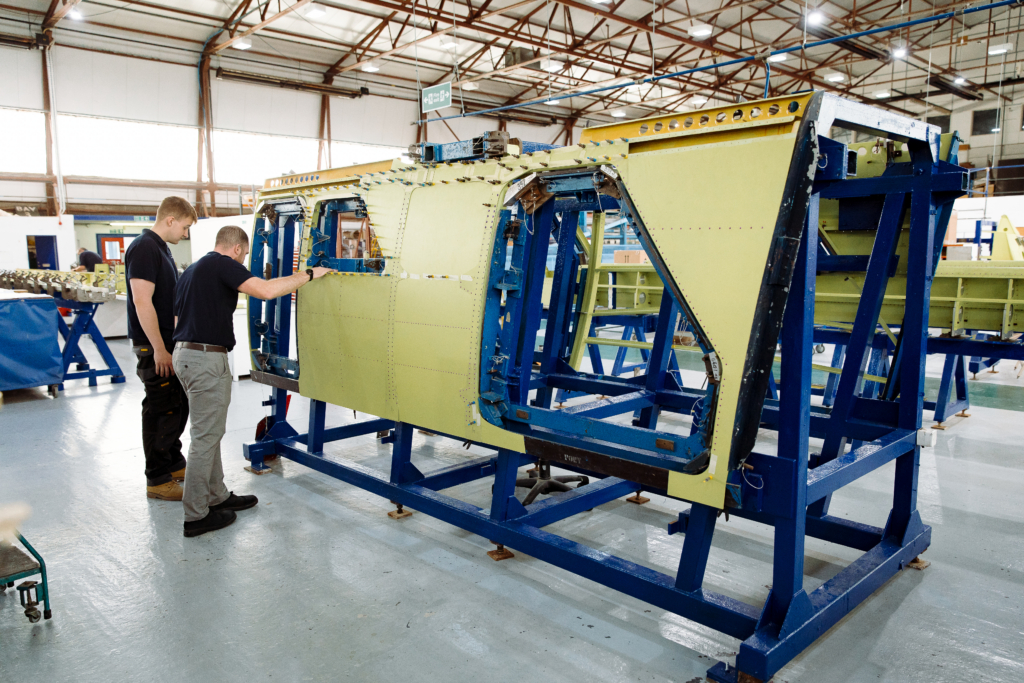
“Once restrictions were lifted, that was when we decided to gear up UK production. The additional investment really helped accelerate the process, as it gave the whole project a boost, injecting the cash required to equip for in-house production, plus we needed to buy mill runs of raw materials, build up stocks of parts, and also other key components.”
The first fully UK-built Islander is currently nearing final assembly at the Bembridge plant and is due to be completed and delivered to its customer in the second half of 2026.
The Islander: an island-produced aircraft built by islanders
Turning to the question of production, Milne addressed whether producing its iconic aircraft on a small island off the south coast of mainland Britain is an advantage or a hindrance.
“Britten-Norman has been around since 1965, so we know that the product remains sought after and in demand, some sixty-plus years on. Rather than having production dispersed, it is now on one site, so that is a huge advantage.”
“The Isle of Wight has a long history in aircraft production, and there is a strong pool of highly capable engineers to support the production of aircraft. Looking to the future, we are also introducing apprenticeships to develop additional local resources and offer career opportunities for future generations. We have just had over 200 applicants for roles starting in September of this year”

“Our MRO Facility is based at Lee-on-Solent, and this location works well for us. Employing licensed engineers in the UK can be more challenging, and being based just over the water on the mainland makes it easier for us to employ from the South Coast.”
“We also have offices in Southampton near the train station, which is predominantly our design office. This location again enables us to attract Engineers due to the proximity of the station and transport links”.
Harrison was positive about the level of market interest in the Islander programme. “We don’t publish order numbers, but what I can tell you is that since Beechlands came on board, we have seen a consistent and growing level of enquiries across new-build and pre-owned aircraft.”
“The pipeline is healthy, and it is moving,” she said. “For us, the proof is in what we are building. We have aircraft coming off the production line and a delivery schedule that keeps us busy. That tells you more about where demand sits than any headline number would.”
“As an SME, we don’t invest heavily in air shows and advertising, but we don’t need to — the Islander generates genuine organic interest on the strength of its reputation alone. And when customers come to us, we have a solution for every requirement and budget, whether that is a new-build aircraft, a pre-owned Islander, or one of our recently introduced financing options,” she added.
“Our customer base is currently split at round 80% for civil operators and 20% for government, military, and special mission customers, so we have a presence in a range of markets, which boosts the Islander’s resilience and provides year-round demand from customers,” she added.
The Islander: truly a niche aircraft for niche markets, but with competitors
Both Harrison and Milne explained that although the Islander has competitors in different markets, given that the Islander is so well-suited to a range of operations, there is not one single other aircraft that can truly match the Islander’s capabilities.
“The Islander offers STOL capabilities from unpaved runways, with a capacity of nine passengers and can operate in harsh environments. These are characteristics that few other aircraft currently available can match,” explained Milne. “When you add in relatively low acquisition costs, plus direct operating and maintenance costs, the Islander is virtually unrivalled in its class.”

“While there are some other aircraft that do some of what the Islander does, I think ultimately there is room in our market for everyone,” said Harrison. We come up against different kinds of competitors for different requirements, with our various products and models available depending on what that role might be,” she added.
“The Islander has its own unique capabilities, has a long proven track record and is still in operation all over the world, fulfilling a variety of tasks and missions. Britten-Norman lets those characteristics speak for themselves in the market,” said Milne.
How will production of the Islander develop in the coming years?
With the increasing use of composite materials, plus new design techniques and additive printing all advancing, Britten-Norman is watching the market closely to see what customers want and need from the Islander. Do they want a lighter, cheaper-to-run variant, or are they happy with the tried and tested Islander as it currently is?
“There will be emerging requirements and improvements we can make to the Islander airframe,” said Milne. “However, there will be limitations to this. Because of the various challenging locations where the Islander operates, customers do not necessarily want or need an aircraft that is more complex to repair on site. There is a lot we could do, but having to carry out repairs on a remote island in, say, Tahiti with a largely composite aircraft just is not viable, “explained Milne.
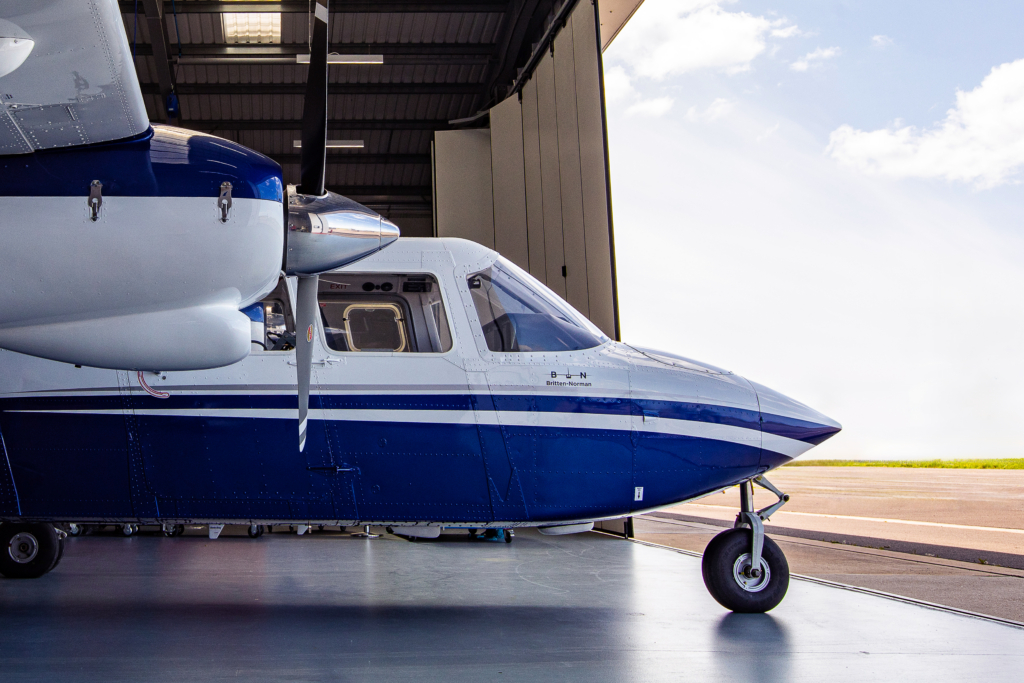
“Same as with electric engines, where are you going to get the same performance and keep recharging your aircraft in some of the most remote locations on Earth? That is not to say that when the infrastructure is there in 10-15 years, we could look at it, and we are not saying never. We are just saying we have got to look at what our customers need at the moment.”
In the meantime, we will introduce minor design improvements for certain aspects of the aircraft, absolutely. Over the last few years, we have done a lot in terms of looking at the feasibility of alternative power trains and future technologies, and we remain interested in this aspect, but we always remain mindful of what our customers actually need from their Islanders.
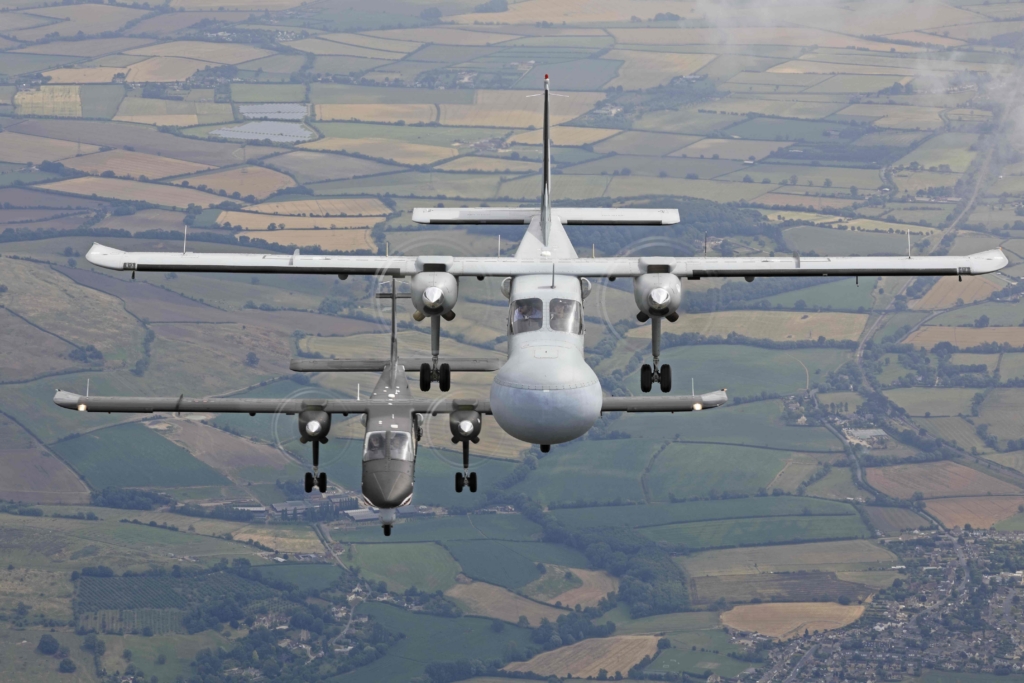
“Our customers are looking for increased efficiency and are looking to reduce their operating costs. Equally, some of our Islanders operate in some of the most picturesque and undamaged parts of the world, and so their operators are under pressure to make sure they are reducing their carbon footprint. It is therefore right that we respond to that by looking at how we can improve our aircraft to meet those changes in requirements.”
How important is it for Britten-Norman to provide an after-sales and support function to customers?
“Aftermarket support is a central pillar of what we offer, and we have invested significantly in strengthening it,” said Harrison. “We have brought in a new head of supply chain, restructured our team to be sharply focused between sales and order fulfilment, and expanded our technical support capability.”
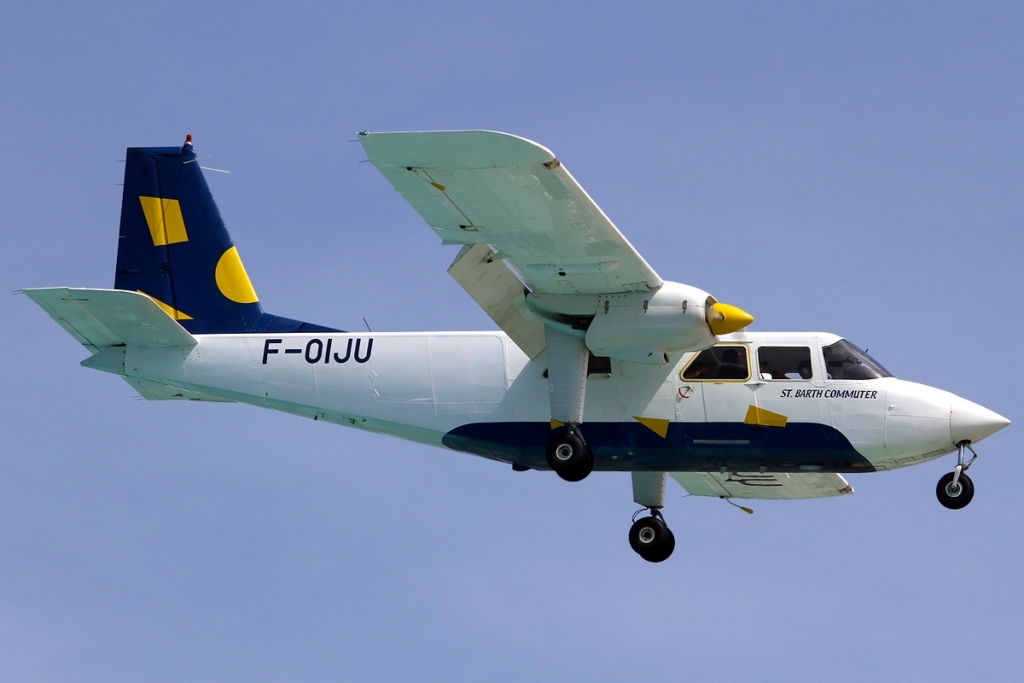
“We now have a dedicated team meeting daily to ensure every customer, whether they are taking delivery of a new aircraft or operating an Islander already in service, gets the attention they need.”
“The goal is simple: every customer should feel that Britten-Norman stands behind their aircraft for its entire service life. With the team and systems we have in place now, we have the capacity to do exactly that,” replied Harrison.
The Islander has a global spread of operators and customers
It would be fair to say that Britten-Norman prides itself on meeting customer needs and expectations all the time. That begins from the first contact with the customer and continues right through the lifetime of that Islander remaining in service.
“When a customer comes to Britten-Norman, and they put an initial inquiry in, our response is not here is the price of a new Islander,” explains Harrison. “Our response is, ” What are your needs, and how can we help you?” And absolutely, that can be a help to raise funds to put the deposit on the new aircraft or brokering their current aircraft or trading back those aircraft.”
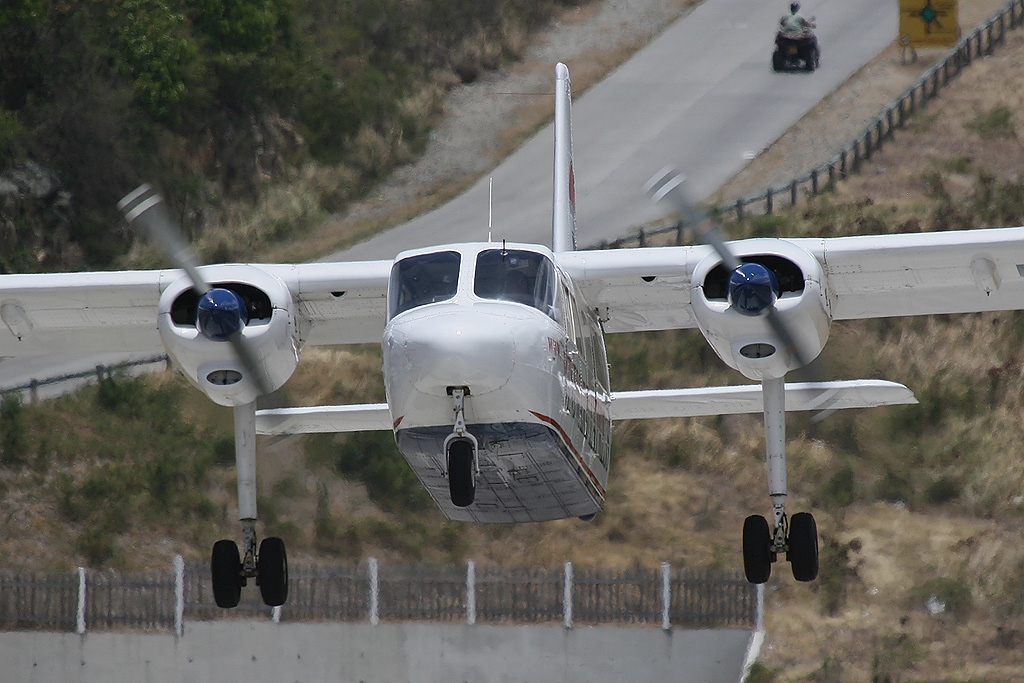
“It is really trying to seek a solution that suits the customer. We are doing more in terms of financing and leasing so that they can get an idea quickly of a monthly lease charge. And for many of those customers, the decision to go from an old Islander to a new one is straightforward because, as your aircraft gets older, your maintenance and operating costs for that aircraft increase.”
“So that’s very much what we are focused on currently – providing solutions to our customers and finding the right solution that suits them and their requirements.”
Harrison adds that in terms of new aircraft enquiries, around 75% of new customers are looking at new model Islanders, while the remaining 25 % are looking at refurbished and pre-owned aircraft.
The future of small aircraft propulsion and the Islander
With the adoption of greener aviation initiatives, such as the use of Sustainable Aviation Fuel (SAF) or hybrid-electric powerplants, how is Britten-Norman planning for the changing landscape in aviation propulsion?
“If a customer says, “Tell me about the environmental impact of operating an Islander,’ we need to be ready for that, said Milne. “It is certainly something we need to be thinking about going forward, as this is a question that will be asked more and more in the future.”
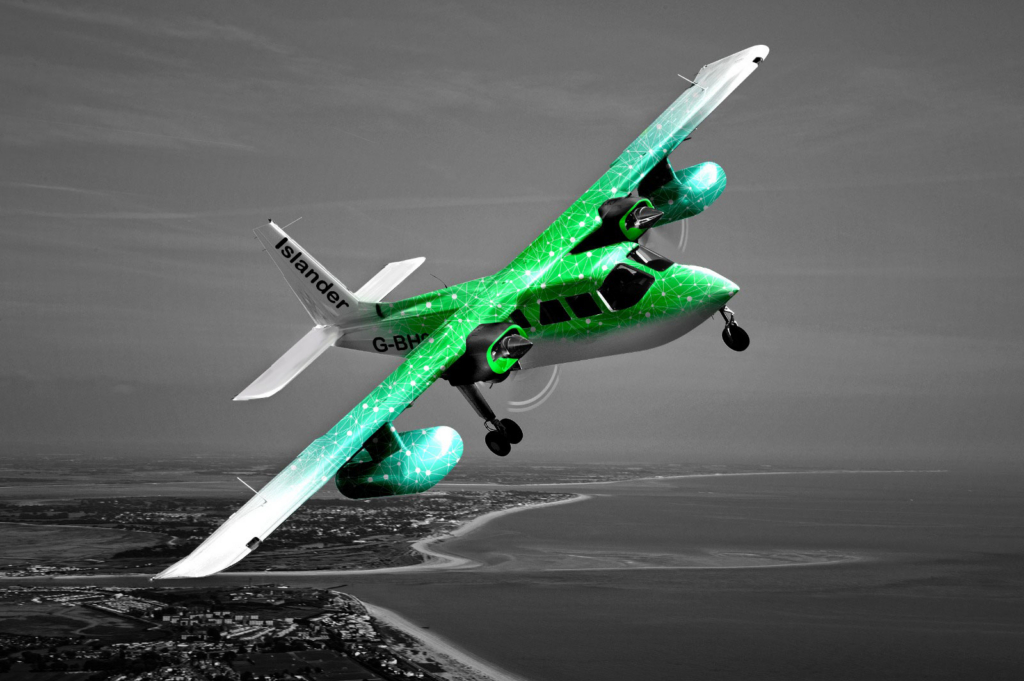
“We are a strong supporter of sustainable aviation fuel. There is not a SAF alternative yet for our piston engines, but there is for our Rolls-Royce turbine engines. This is at a 100% blend, and although there is some way to go with the widespread adoption of SAF, some Islanders are already SAF-compatible.”
“We all recognise that a zero-carbon future flying using hydrogen, electric, or other means is the future, and that has to be where Britten-Norman’s focus is in the future. But what we have to be in the interim is pragmatic and recognise the customer’s needs.”
“What we need to make sure of is that when we are ready to introduce a hybrid-electric or even an electric powertrain on the Islander, when the customers demand it. But we also need to think about whether that is the right solution for each customer, bearing in mind the environment in which they operate.”
“While we are not quite there yet in terms of both of these, that absolutely sits within our strategy. It will be about when the infrastructure is in place to support those technologies in the areas where our customers operate the aircraft.”

“So, whether it is hydrogen fuel cells, whether it is the battery capacity, those technologies are maturing, and at some point, we will reach a position where we will be ready to adapt that product. Where we are at Britten-Norman is that we have done all of that legwork in terms of the feasibility.”
“We already know what things will and will not work. And we also know that in terms of the modification of our airframe, we can take our current design and how we can adapt it to change to that new powertrain, as we did with the Rolls-Royce turboprops.
“Additionally, we were part of the consortium for Project Fresson along with Cranfield Aerospace, so we already have a lot of knowledge of the feasibility of a hydrogen-powered Islander. We went through that whole process with them, provided them with all the base data of our aircraft, so those assessments could be completed,” added Harrison.
“Although Project Fresson has now concluded, I think that if the demand is still there, Britten-Norman could build it. It will be interesting to see how this all progresses. We expect that with the large-scale investment of organisations developing other means of propulsion, the technology will move,” she said.
Looking to the future: Britten-Norman in five years from now
With new investment, production repatriated, and strong aspirations for the future, Britten-Norman remains optimistic about the next few years. The company is setting itself up for growth and is also looking ahead to how best to serve its customers in the future.
“Firstly, and most importantly, we will be building at least eight Islander aircraft (of all variants) here in Bembridge annually as production ramps up,” states Milne. “We will also be focused on supporting our commercial and military customers better in aftermarket support.”
“We will produce new aircraft here at Bembridge and then fly those aircraft to Lee-on-Solent and have those aircraft modified or role-fitted for any customer who requires them. Whether that be surveillance, whether it be military, whether it be for commercial use, whatever the customer requires, we will do it all in-house for them.”
“For the next two years, we will focus on ramping up production and focus more on the aftermarket. But also look at what those minor product improvements are that we need to do to give us a better aircraft and make some small changes that would support our customers’ needs.”
“We will work with other companies looking at new technologies, in particular new engine technologies. We have talked about electric, we have talked about hydrogen, but we have not talked about diesel (Jet A1), and there are some opportunities there for us that would make sense.”
“The market is really looking to Britten-Norman, and it is excited to see what Britten-Norman will do because we have already done so much in terms of the initial investigation and feasibility with Project Fresson. I think that over the next two years, our focus will be on delivering aircraft and doing what we need to do best. That is the most important thing – delivering to our customers on every level,” added Harrison.
Looking ahead, would the Trislander ever return to production?
The Britten-Norman Trislander was a longer version of the Islander but with three engines, with a third powerplant embedded in the tail of the aircraft. Built between 1970 and 1982, the company delivered 80 aircraft in all, with 16 of these being delivered to UK-based Aurigny Airways.
There are fewer than ten still flying worldwide. But will the unusual-looking aircraft ever make a return to production?
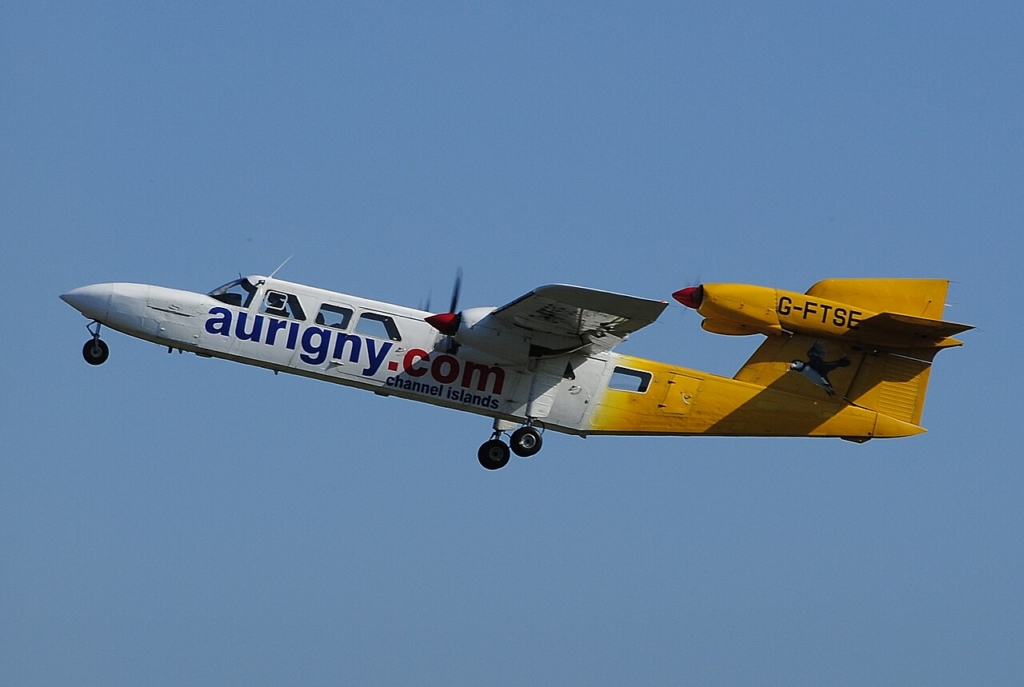
“While the Trislander was a fantastic aircraft and is an important part of the Britten-Norman heritage, there are no current plans to bring the type back into production. If a customer wanted to order the Trislander in suitable numbers, we would certainly look at it,” said Harrison.
“In fact, we get contacted more than you would think about the Trislander. But it would be a big project to take on at a time when our focus in ramping up Islander production, as the design would need some modernisation and updating. So, the official answer is not an outright no, but anyone interested in new Trislanders would need to order at least ten aircraft to make the resurrection of the project, and all the work that it would involve, viable,” Harrison concluded.
The Islander: a 60-year-old design ready for tomorrow’s challenges
For over 60 years, the Britten-Norman Islander has proven its strength and versatility in every corner of the globe – from the Ecuadorian Amazon to remote Scottish islands, and from daily passenger routes to disaster relief and frontline operations.
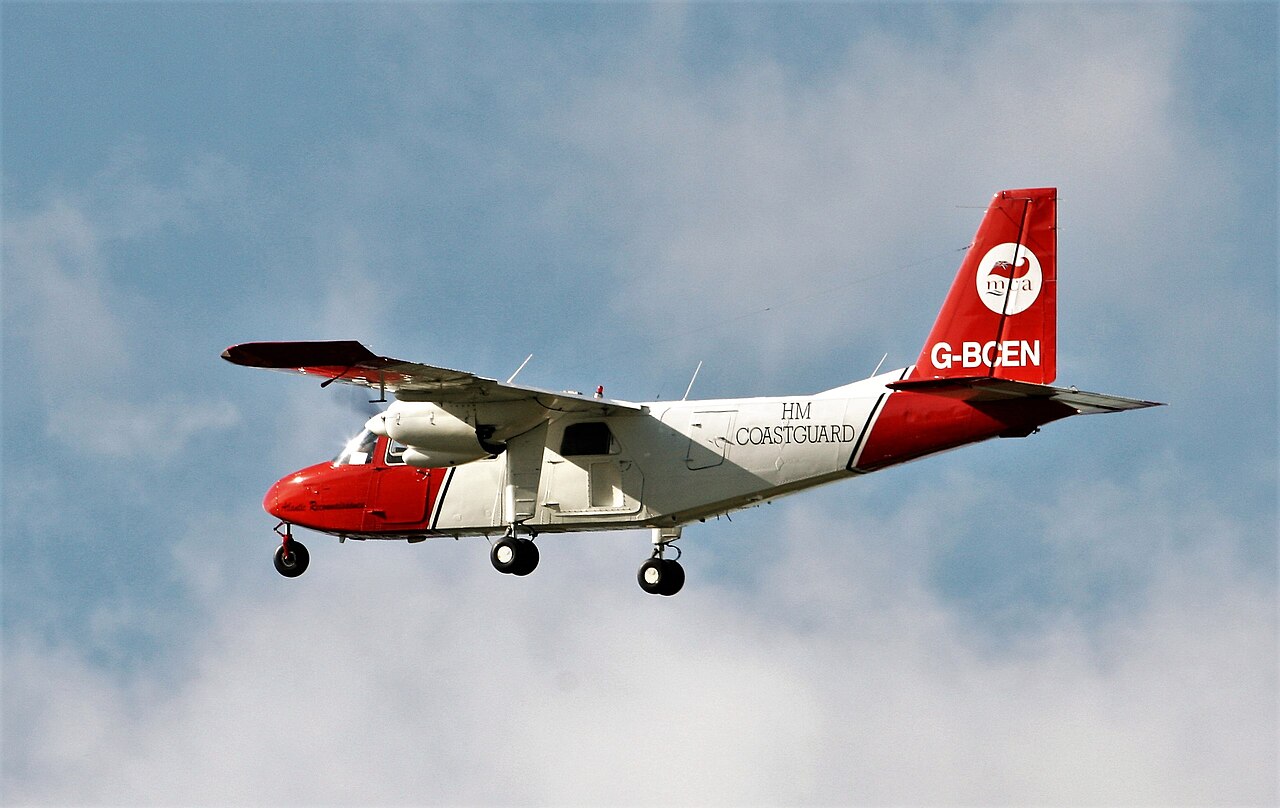
Built for demanding conditions, the Islander remains a trusted platform thanks to its robust airframe, flexible configuration options, and exceptional short-field performance. Whether operating from grass, gravel, or tarmac, and in civilian, government, or specialist roles, the Islander delivers dependable performance where other aircraft simply cannot go.
With its modernised design and ready to face decades more service, the Islander is expected to keep flying for many years to come, backed by its legacy as a true flagbearer for the UK aerospace manufacturing sector.
Featured image: Britten-Norman


