Can KF-21 and Kaan fighter jets dislodge rivals on export market?

7 min read
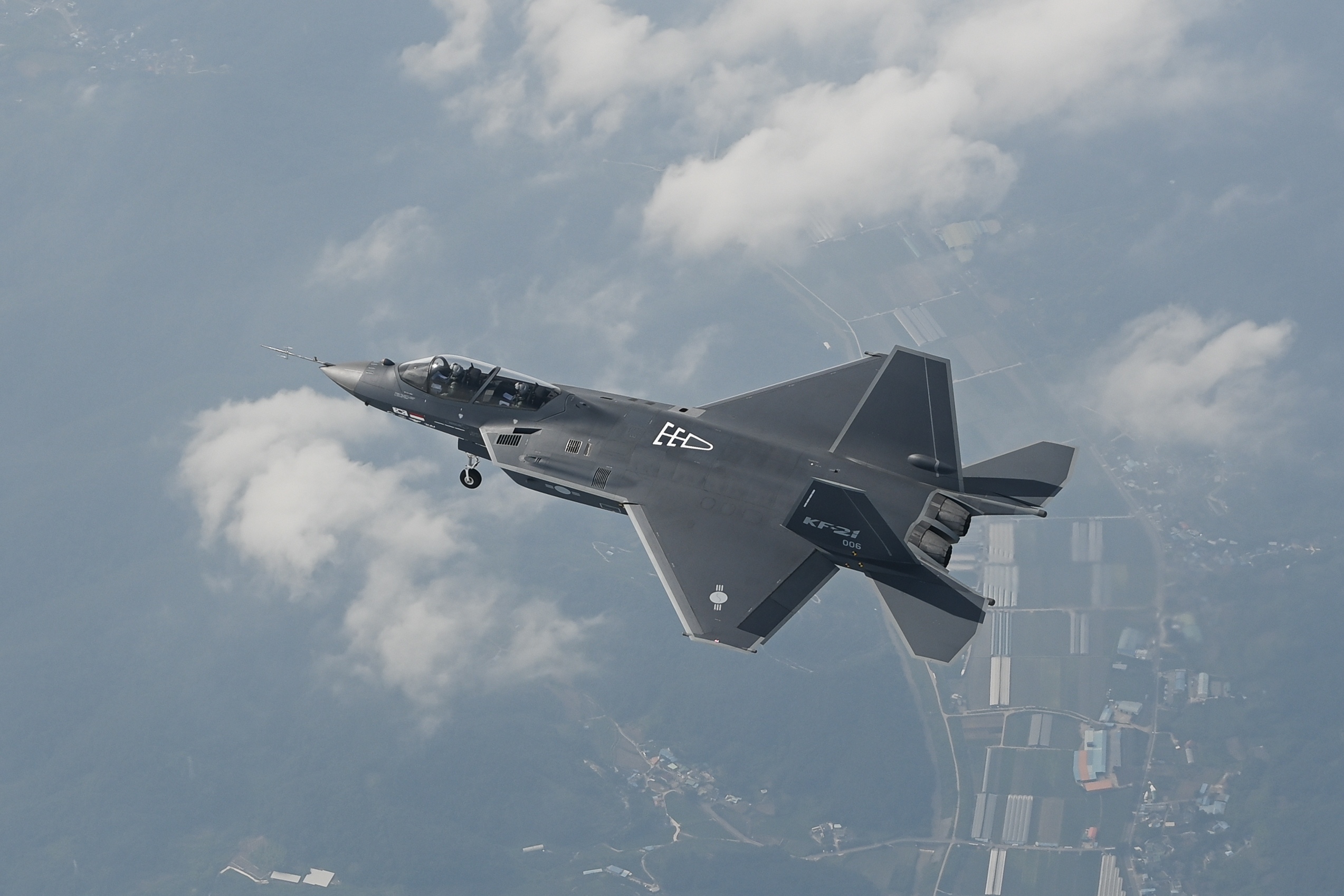
While numerous countries have expressed interest in the Korean KF-21 Boramae and Turkish TAI Kaan, these programmes face a major uphill battle to dislodge established players. As of the time of writing, neither of these aircraft has secured firm export orders.
While they may be marketed as a stealth aircraft by their manufacturers, they are designed to be low-observable aircraft and are to compete in the mid-tier segment, not the high-end market segment that the F-35 does.
Korea and Turkey soon to enter the fighter jet export market
Since WWII, the export market for jet fighters and fighter jets has been filled by the United States, European countries, the Soviet Union/Russia, and China.

Until recently, China’s role had been limited mostly to license-built low-end fighters. Now it is offering its own more capable domestic fighter jets, like the J-10C and new J-35, that are targeting the mid-tier or even higher-tier market.
Pakistan has now entered the market with the low-end Sino-Pakistani JF-17 Thunder, while India might start exporting its Tejas fighter in the future.
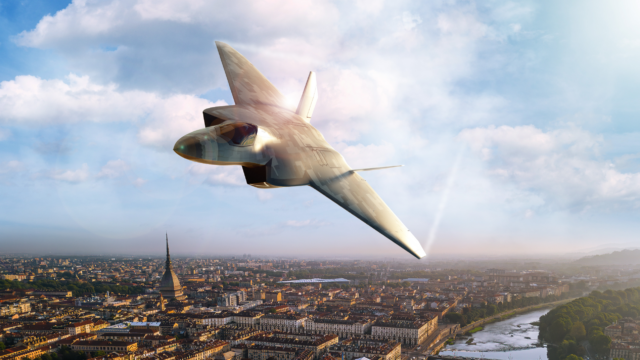
But the new countries soon to enter the market of particular interest are the Turkish TAI Kaan and the South Korean KAI KF-21. Both countries are eyeing the mid-tier fighter jet export market.
They are seeking to tap into the collapsed Russian export market and potentially start rivaling European and US fighters on the export market.
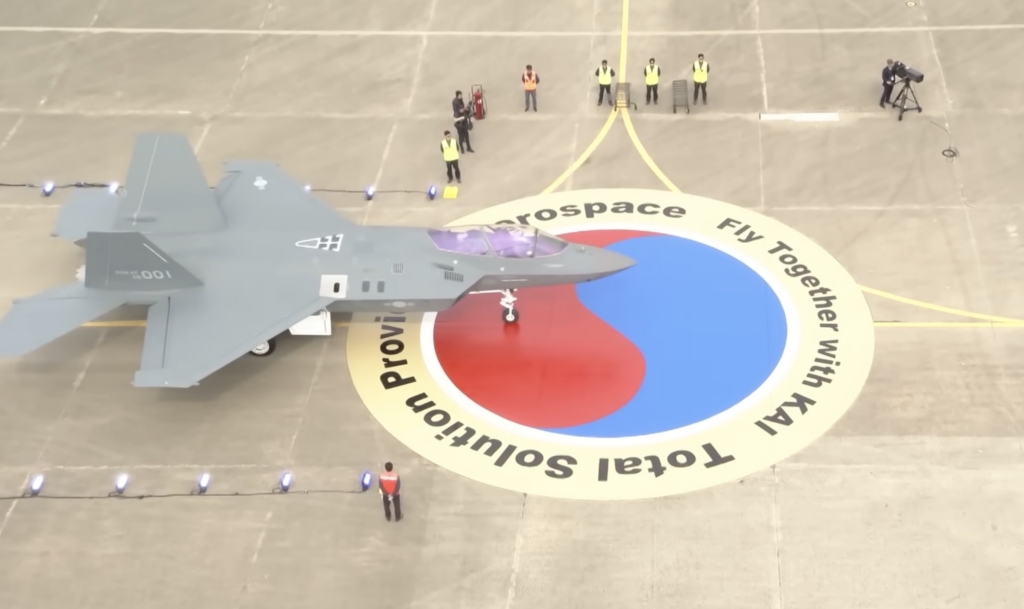
Of these two jets, the KF-21 is further along in its development cycle and is expected to enter Korean frontline service in 2026. The KF-21 is now in serial production and is entering Korean service. Turkey is planning to introduce the Kaan in 2028/2029.
Countries expressed interest in the KF-21
Countries that have expressed an interest in the KF-21 include Egypt, Indonesia, Malaysia, Peru, the Philippines, Poland, Saudi Arabia, and the UAE.
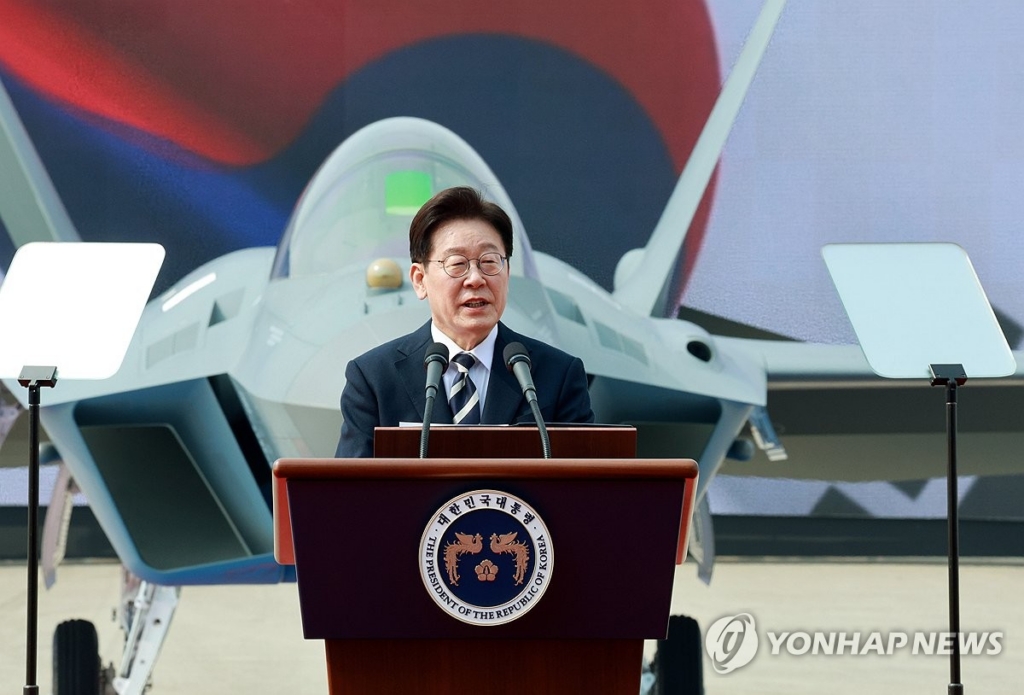
Of these, Indonesia is possibly the most likely has it has paid a share of the development bill for the KF-21 and is to receive a prototype aircraft in compensation. Seoul expects to sell 16 KF-21s to Jakarta.
As of April 2026, it appears Peru is no longer a potential customer as it is all but certain to order F-16s.
Egypt is considered a potential export customer for both aircraft. It had ordered Russian Su-35S fighter jets, but was forced to cancel the deal after the US CAATSA Act. Trump, in his first term, offered the F-35, but this was canceled by Washington.
KAI KF-21 Boramae:
- Entry into service (planned): 2026
- Firm export orders: None
- Role: Air superiority fighter evolving into a stealth multirole combat aircraft
- First flight: 2022
Egypt hinted it would purchase Chinese J-10Cs, but this seems to have been a pressure tactic with Washington. Egypt is receiving French Rafales, is upgrading its F-16s, and negotiating to purchase US F-15s.

It should be noted that Egypt is one of the biggest recipients of US military aid and that money must be spent on US-origin defence articles, services, and training. In all, Egypt’s interest in the J-10C, Kaan, and KF-21 may be more of a negotiating tactic.
Countries expressed interest in the Kaan
The Kaan remains in its development stage, and there are no firm orders for the aircraft yet. That said, Azerbaijan, Egypt, Indonesia, Pakistan, Saudi Arabia, Spain, and the UAE are all reportedly interested in the jet.

Of these, Indonesia is perhaps the most concrete example as it signed a Memorandum of Understanding (MoU) for 48 Kaans in 2024. News in 2026 suggested that Indonesia may reconsider the deal (discussed below).
TAI Kaan:
- Entry into service (planned): 2028
- Firm export orders: None
- Role: Air superiority fighter/multirole low-observable combat aircraft
- First flight: 2024
Following the election of the Trump Administration, Spain said it was not interested in purchasing the F-35 and said it may consider the Kaan instead. This a political decision and one that could easily be overturned by a future government.
Examples of factors influencing fighter jet purchase decisions
Perhaps the most important factor influencing a country’s decision to purchase fighter jets is geopolitics. Fighter jet transactions are essentially high-profile wedding contracts that last 40 years.
They are far more than just purchasing a jet and its capabilities. This is why it is of limited usefulness to line jets up and compare their fly-away costs, top speed, max take-off weight, number of hard-points, etc.
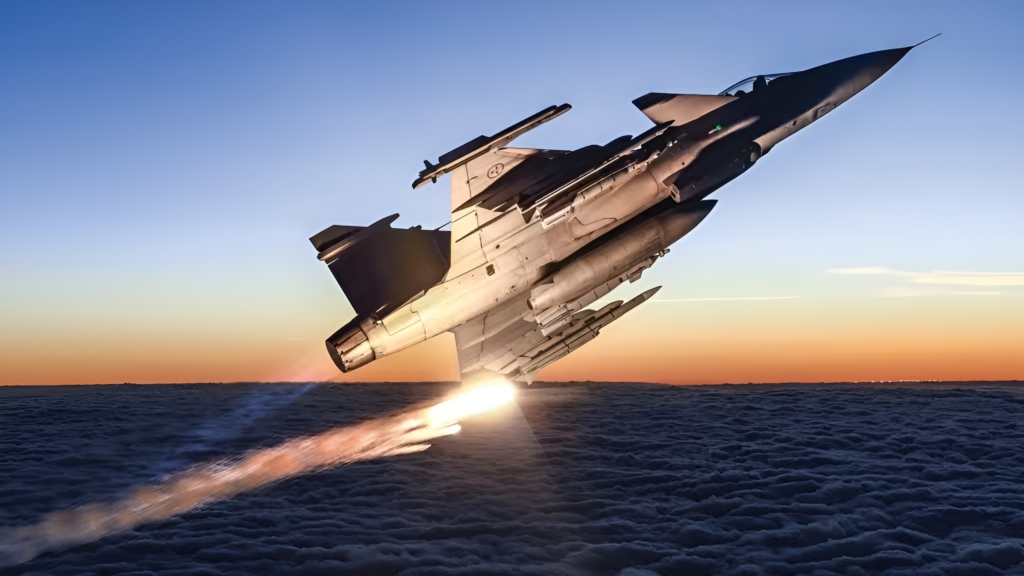
For example, Peru has seemingly abandoned the Gripen in favour of the F-16 as the US offer includes the country’s designation as a Major Non-NATO Ally. This will allow for preferential access to elite weaponry and financing.
CAATSA imposes US sanctions on countries purchasing Russian jets, and it has all but shut off Russian fighter jets from the market (except for countries like Iran, Algeria, Belarus, etc.).
But many countries unable to purchase Russian jets would rather not purchase US fighter jets or Chinese fighter jets. Here, the Turkish and Korean jets allow for a sort of geopolitical middle ground.
Another major factor working in the KF-21’s favour is production rates. In 2025, Dassault delivered 26 Rafales and maintained a backlog of 220 jets. All else equal, that means some countries will be waiting until 2035 to receive their aircraft.
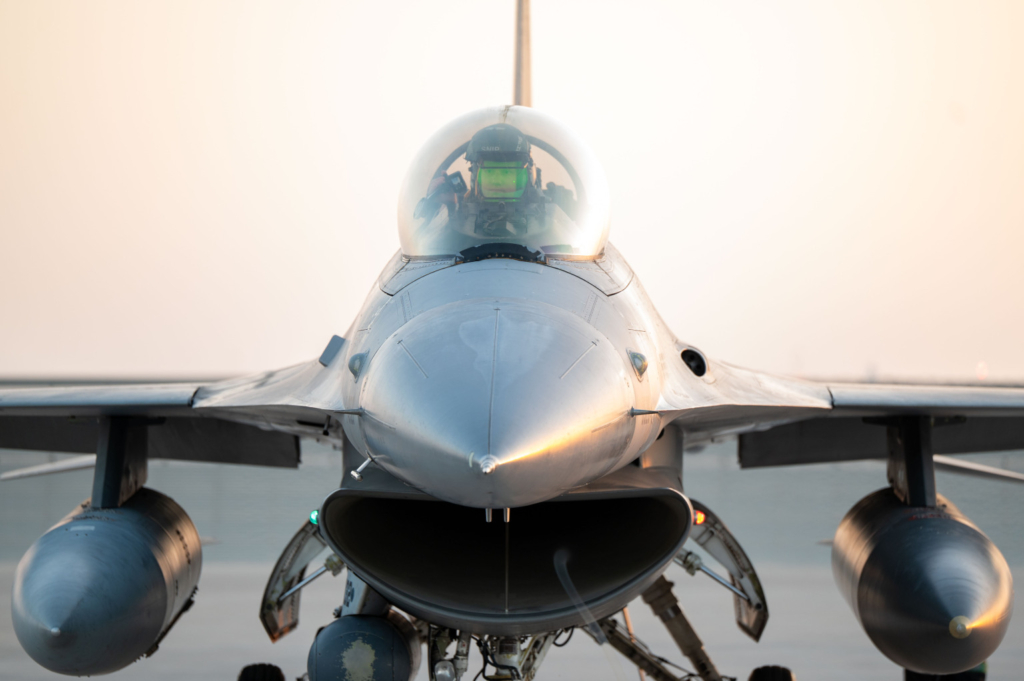
While Dassault is working to ramp up deliveries, the slow rate of deliveries makes an aircraft like the KF-21 much more attractive if it can be delivered in a couple of years.
Imature aircraft and major risks
A major limitation for these new aircraft is that they are new and being built by countries and industries with little experience in frontline fighter jets. That said, South Korea’s KAI has some currency with its advanced fighter/light fighter KA-50.
Potential export customers may be incentivized to wait until these aircraft mature. The KF-21 is intended to be incrementally upgraded with future Block variants. The initial block will not be able to carry munitions internally.
It should be noted that while these aircraft are low-observable aircraft that superficially look like the F-35, they are not the F-35.
Speaking of the Kaan, KF-21, the Su-57, and the Su-75, think-tank Rusi’s Justin Bronks says, “it’s comparatively easy to produce something that looks like a stealth fighter-ish thing, that will fly. It is incredibly difficult and unbelievably expensive to sustain the production of a weapons system that works as a low-observable fighter.”
Bronks notes that it’s “…all that stuff [the internal unseen systems and integration of the plane] is where the US has had a crushing advantage over European producers.”
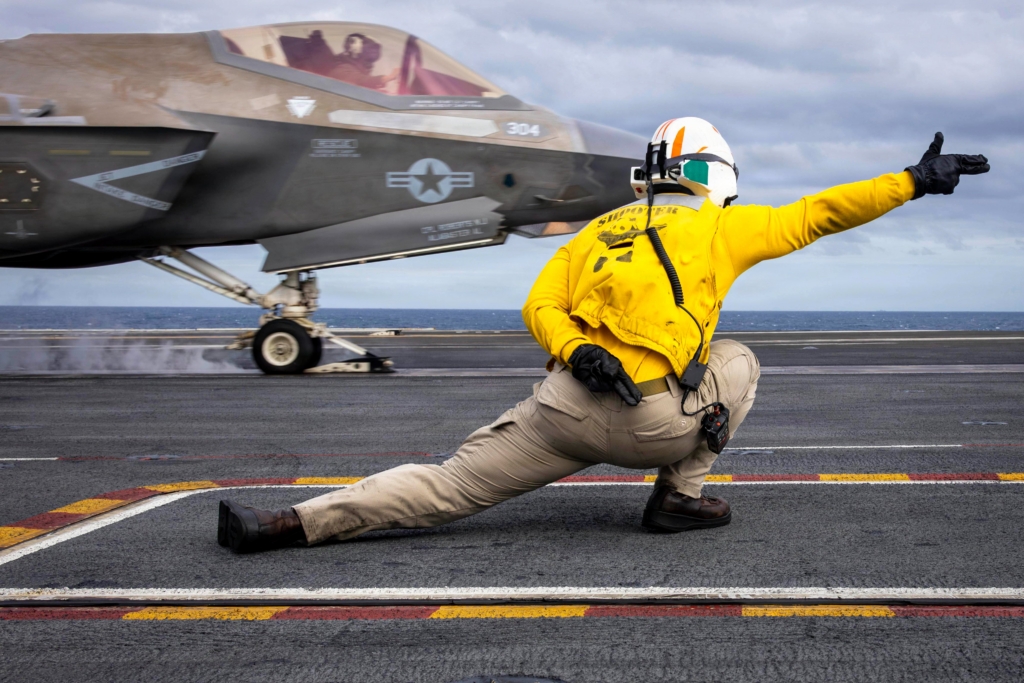
He adds, “all that unseen stuff, unless you’re in the cockpit, is where you see the unbearable weight… of sustained tens of billions of dollars every year for decades on the American side in multiple programs.”
Get the latest aerospace defence news here on AGN.
Dependency on US supply chains and export restrictions
Both of these aircraft are reliant on Western supply chains, particularly US supply chains. This means that the US and other countries have de facto export vetoes over these jets.
For countries with rocky relations with the US, one of the biggest attractions of the Eurofighter and Rafale is their independence from US export regulations. This is not an advantage that the Turkish or Korean jets will enjoy anytime soon.
As stated, Indonesia has ordered 48 Turkish Kaan fighter jets. However, the implication of the US dependency became clear when Indonesia said it would only purchase the aircraft if it was free from the US International Traffic in Arms Regulations (ITAR).
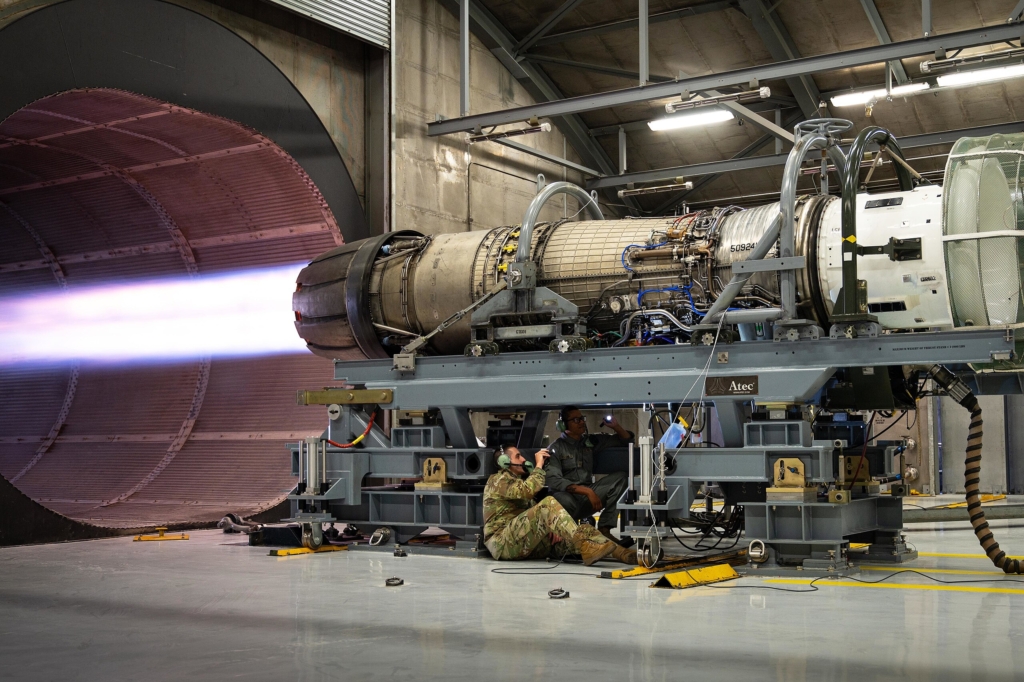
The most obvious US component in these aircraft is the US General Electric F110 (Kaan) and General Electric F414 (KF-21) engines. But it extends far beyond these engines, with US components throughout the aircraft in avionics, radars, software, etc.
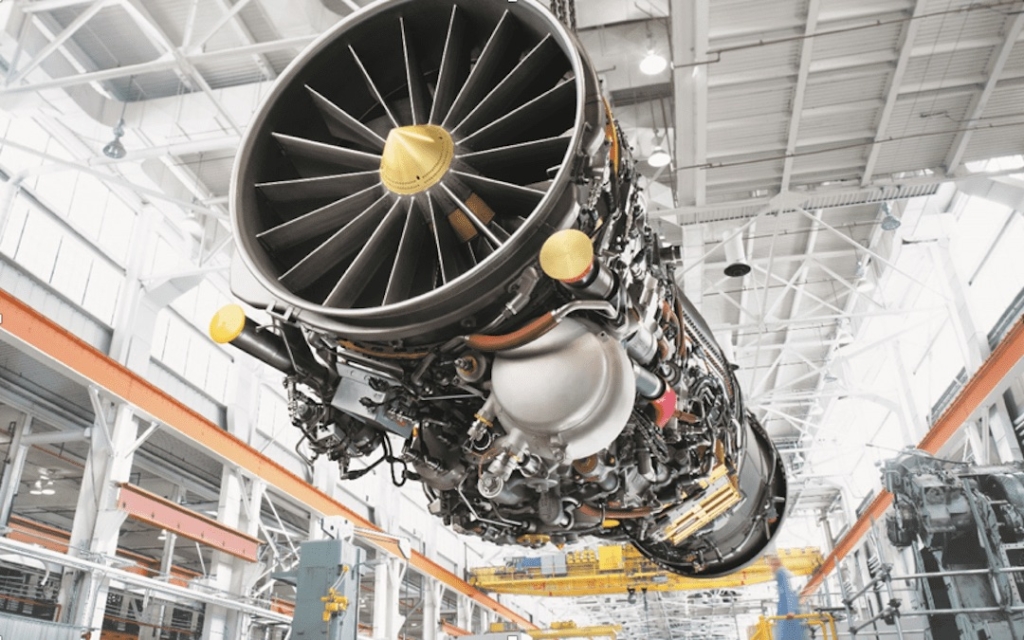
Turkey has sworn that its aircraft will not be dependent on the US and is developing the TF35000 turbofan. But the Turkish engine sector is in its infancy, and the engine is not expected to be ready until at least 2036.
Featured Image: KAI
Sign up for our newsletter and get our latest content in your inbox.


More from


October 17, 20265 min read


October 17, 20264 min read