“German aviation is broken”: Ryanair closes Berlin base over rising costs

4 min read
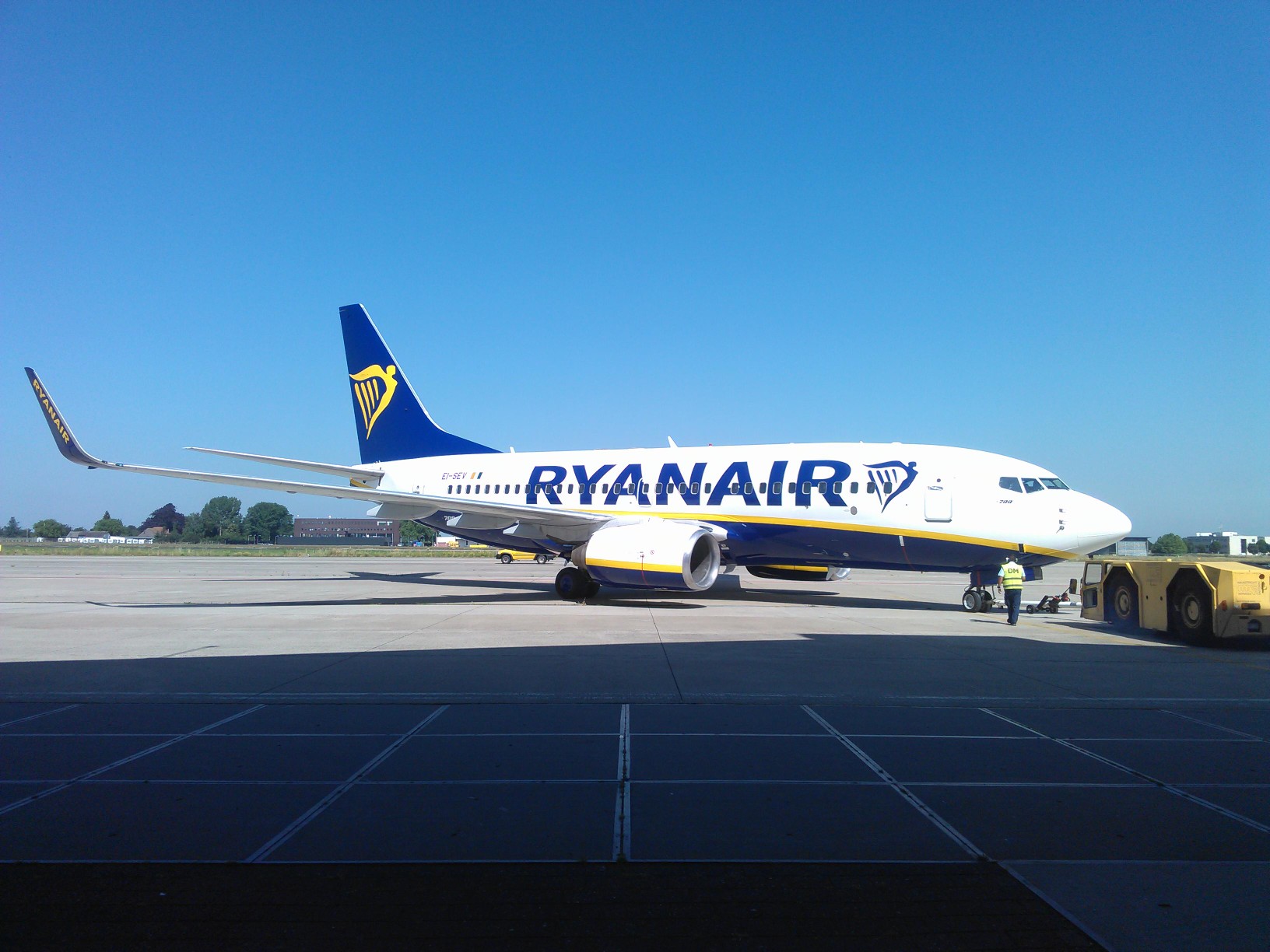
Ryanair is to close its Berlin base in October, blaming what it calls “high aviation taxes and excessive airport costs” in the German capital.
The Irish low-cost carrier will move all seven of its Boeing 737 aircraft based there to other European airports where it says fees are lower.
“German aviation is broken,” said Ryanair DAC CEO Eddie Wilson. “The government admits that it is uncompetitive, yet there is no strategy to cut aviation taxes or high airport fees.”
The recipient airports will be in Sweden, Slovakia, Albania and Italy, Ryanair confirmed.
Ryanair blames rising airport fees and aviation taxes for Berlin exit
The airline said the decision follows a proposal by Berlin Airport to raise charges by a further 10% between 2027 and 2029.
Ryanair added that airport fees have already risen by 50% since Covid, while passenger traffic at Germany’s third busiest airport has fallen from 36 million in 2019 to 26 million in 2025.
Frankfurt remains Germany’s busiest airport, ranking eighth globally for international traffic, followed by Munich, leaving Berlin in the unusual position of being the country’s third largest hub.
Ryanair also pointed to rising national aviation costs, including Germany’s air passenger tax, currently €15.50 per passenger, alongside increasing security and air traffic control charges.
Ryanair confirms Berlin base closure date and aircraft redeployment
Ryanair said in a strongly worded statement that Berlin was the “most failing airport in Europe” with Berlin now “hopelessly uncompetitive versus competitor European airports who are cutting fees to grow, and where governments are abolishing travel taxes”.
All of Ryanair’s Berlin-based pilots and cabin crew received notification last week of the intended base closure from 24 October 2026.
The carrier said staff consultations would begin shortly, and flight crew would be offered alternative positions elsewhere in the network.
Wilson noted the harsh operating environment in Germany, which he claims is responsible for Ryanair’s many start-stop services in Deutschland.
“Since 2019, Ryanair has been forced to close its bases in Frankfurt, Düsseldorf, and Stuttgart (resulting in the loss of 13 based aircraft) in addition to stopping all flights to Dresden, Leipzig and Dortmund,” he noted. “With no meaningful cost reform in Berlin or in Germany nationally, we have no alternative but to switch aircraft from Germany to other, more competitive markets.”
Ryanair is well known for launching flights to new destinations, particularly when those airports cut them a deal on fees and charges as an incentive. But once the incentive expires, airports risk losing the airline if they can’t offer another reason to stay.
This was evident in late 2025 when Ryanair announced it would be withdrawing over a million seats from the Spanish market and stopping some routes altogether, ostensibly over a €0.68 fee rise by airport operator Aena.
German union criticises Ryanair over Berlin base closure and job losses
German trade union, ver.di, has criticised the decision to close the base, saying it was an example of Ryanair’s “ruthless, purely profit-oriented corporate strategy in which the interests of employees are systematically disregarded”.
“The planned closure once again shows Ryanair’s maximum profit orientation, in which social responsibility plays no role,” said Dennis Dacke, ver.di’s head of air transport.

The union said approximately 500 employees would be affected.
Is Germany prohibitively expensive for low-cost carriers?
Germany is not uniquely the most expensive aviation market in Europe, but it is among the least attractive for low-cost carriers because multiple cost layers stack up at once.
Airlines face a relatively high air passenger tax, alongside rising airport charges, security fees and air traffic control costs. At Berlin Brandenburg Airport, fees have already increased significantly since COVID and are set to rise further, while security charges are expected to double by 2028.
Individually, these costs are not outliers compared with hubs like London Heathrow Airport or Paris Charles de Gaulle Airport, but unlike those airports, Germany offers fewer incentives to offset them.
For low-cost carriers, which rely on ultra-low operating costs and flexible airport deals, that combination is a problem. easyJet has also reduced its presence at BER, citing costs and weaker demand, while Wizz Air maintains limited operations in the German market.
Lufthansa Group’s low-cost airline Eurowings isn’t going anywhere, but its cost structure means it fails to compete with the European LCC giants on price.
The problem for Germany is that the uncompetitive market means low-cost airlines are choosing cheaper markets, such as Italy and Eastern Europe, leaving German travellers with only more expensive options.
Featured image: Ryanair
Sign up for our newsletter and get our latest content in your inbox.


More from


October 17, 20264 min read