US Navy signals August 2026 decision on F/A-XX sixth-generation fighter

4 min read
After rumours the Navy would grant the F/A-XX contract in 2025, it has now signaled it will do so in August 2026. Of the US military’s two next-generation frontline fighter jet programmes (the other being the F-47), the F/A-XX’s funding is more uncertain.
Navy to award F/A-XX contract in August
Chief of Naval Operations (CNO) Adm. Daryl Caudle spoke with reporters on Monday at the Sea-Air-Space 2026 exposition and answered questions about the US Navy’s F/A-XX programme.
🚨🇺🇸 "The Navy will award a production contract for the F/A-XX sixth generation [stealth] fighter in August." ~Chief of Naval Operations Admiral Daryl Caudle https://t.co/5iFXK5J6xj pic.twitter.com/HTBq34NHp9
— Colby Badhwar (@ColbyBadhwar) April 20, 2026
Caudle said, “The Navy will award a production contract for the F/A-XX 6th generation [stealth] fighter in August.” Rumours had emerged in 2025 that awarding the contract was then immident, now it seems August 2026 is the likely timeframe.
After noting the lowering barriers for non-peer adversers to get capable weapons, The War Zone quoted Caudle as saying “So this is not about the need for a peer adversary. This is just having an aircraft that can operate with a level of uncertainty and with the acceptable level of risk.”
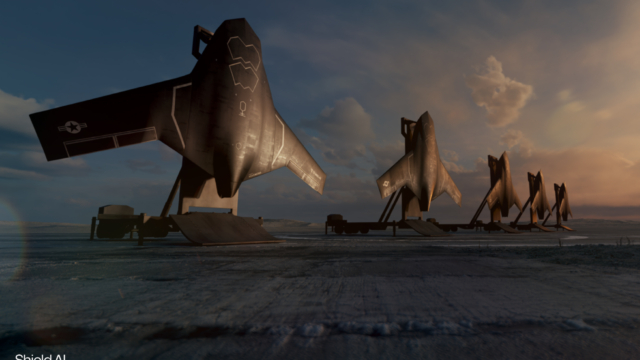
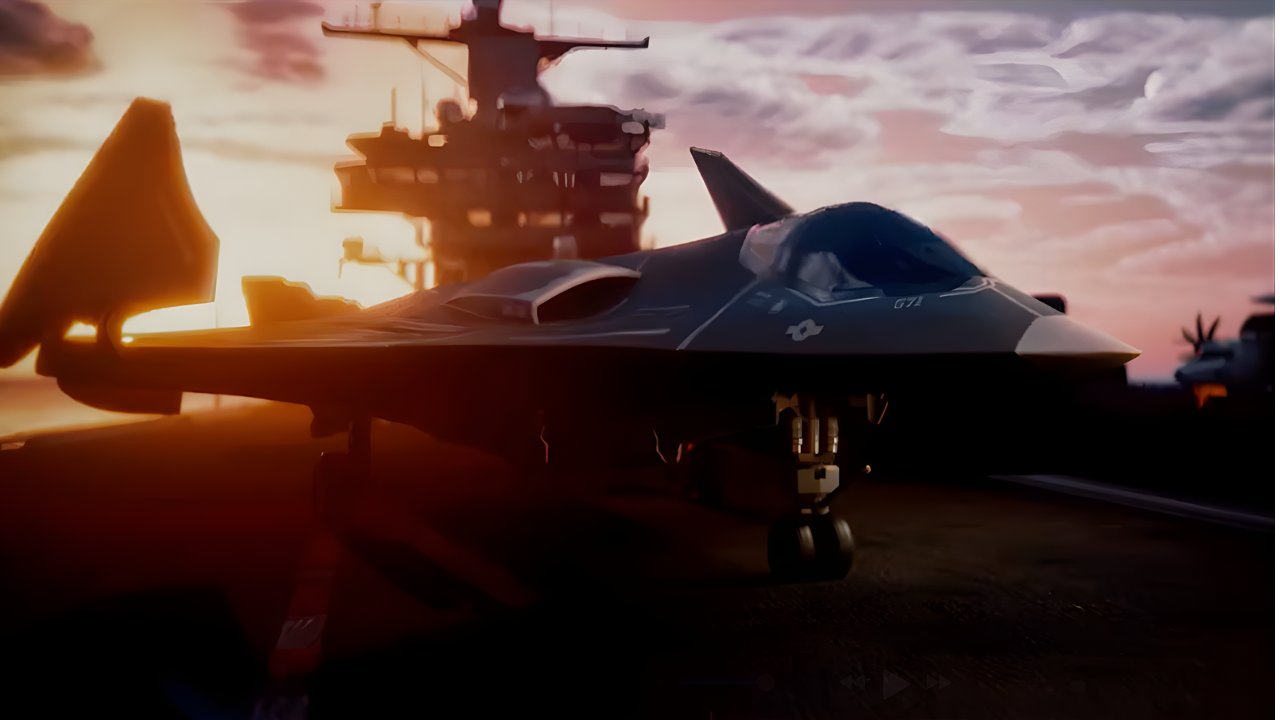
F/A-XX render released by Northrop Grumman.
— SomePLAOSINT (@someplaosint) August 7, 2025
Is it for real? Or just some tweaked artist impression? pic.twitter.com/cm5sjjn393
The US Navy has an issue. After the retirement of the F-14 Tomcat along with the retirement of its KA-6D Intruder and Lockheed S-3B Viking aerial tankers, the Navy has lacked a manned deep strike option.
While the Super Hornets have a longer range than Legacy Hornets, it is still limited. Adding to this, the emergence of threats are pushing carriers further out to sea, opening up even more range for the fighter jets.
We're bringing tomorrow’s horizon into focus, faster, stronger and ready when the warfighter needs it.#SAS2026 pic.twitter.com/r0uORyR5kM
— Northrop Grumman (@northropgrumman) April 20, 2026
To remedy this, the Navy is purchasing the large MQ-25 tanker drones for stealth refueling and developing the longer-ranged F/A-XX.
Claude noted that the MQ-25 “ties to our reach. It ties to the work we’re doing for making the carrier air wing something that remains very effective into the future based on the range in which you can operate safely.”
Get the latest aerospace defence news here on AGN.
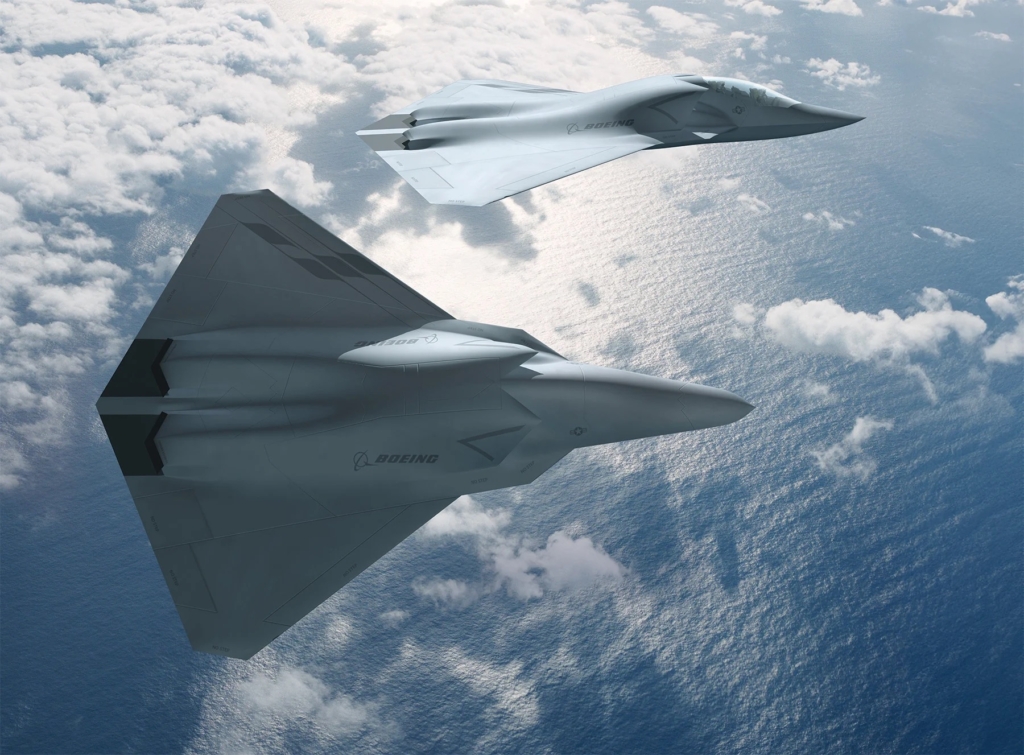
Boeing vs Northrop Grumman
It has been previously reported that Lockheed Martin has been eliminated from the bidding process, leading to it now being a two-horse race between Boeing and Northrop Grumman.

Lockheed Martin built the F-22 Raptor and is building the F-35 and F-16 (for export). Boeing is building the F-15EX, F/A-18 Hornet (ending in 2027), and upcoming F-47. Northrop is responsible for the B-21 Raider strategic bomber and is a major F-35 contractor.
Awarding fighter jet contracts is complicated. Not only does the Navy want to have the best fighter jet for its needs and budget, but Washington wants to also ensure it maintains a robust defence industrial base.
It has three major contractors able to produce next-generation fighter jets and it wants keep them in business.
Something similar in the UK is with BAE Systems, where the UK wants to ensure it is producing Eurofighter Typhoons until the company can switch to the next-generation Tempest/GCAP. If there are no orders, the ability to produce these jets quickly whittles away.
Uncertain F/A-XX funding
During the Q&A, Caudle also acknowledged the uncertainty swirling around the project. The White House and others in Washington have sought to focus efforts on developing the Air Force’s next-generation F-47 first.

The fear is that US industry is too small to handle two demanding programmes at once and that developing both simultaneously would slow both down.
The Navy and others in Washington have pushed back, claiming the US industry has the bandwidth and enough engineers.
During the FY 2026 defence budget negotiations, the White House reduced the F/A-XX’s funding to just $74 million. That is enough to keep the programme alive, but on ice.
Eventually, funding was passed with around $1.69 billion in funding for the programme through multiple bills. Confusingly, in the FY 2027 proposals, the Navy appears to have only requested $140 million for the programme, perhaps it expects more funding from other quarters.
Featured Image: Northrop Grumman