


How Airbus engineered the A350-1000ULR for Qantas’ 22-Hour Project Sunrise flights

4 min read
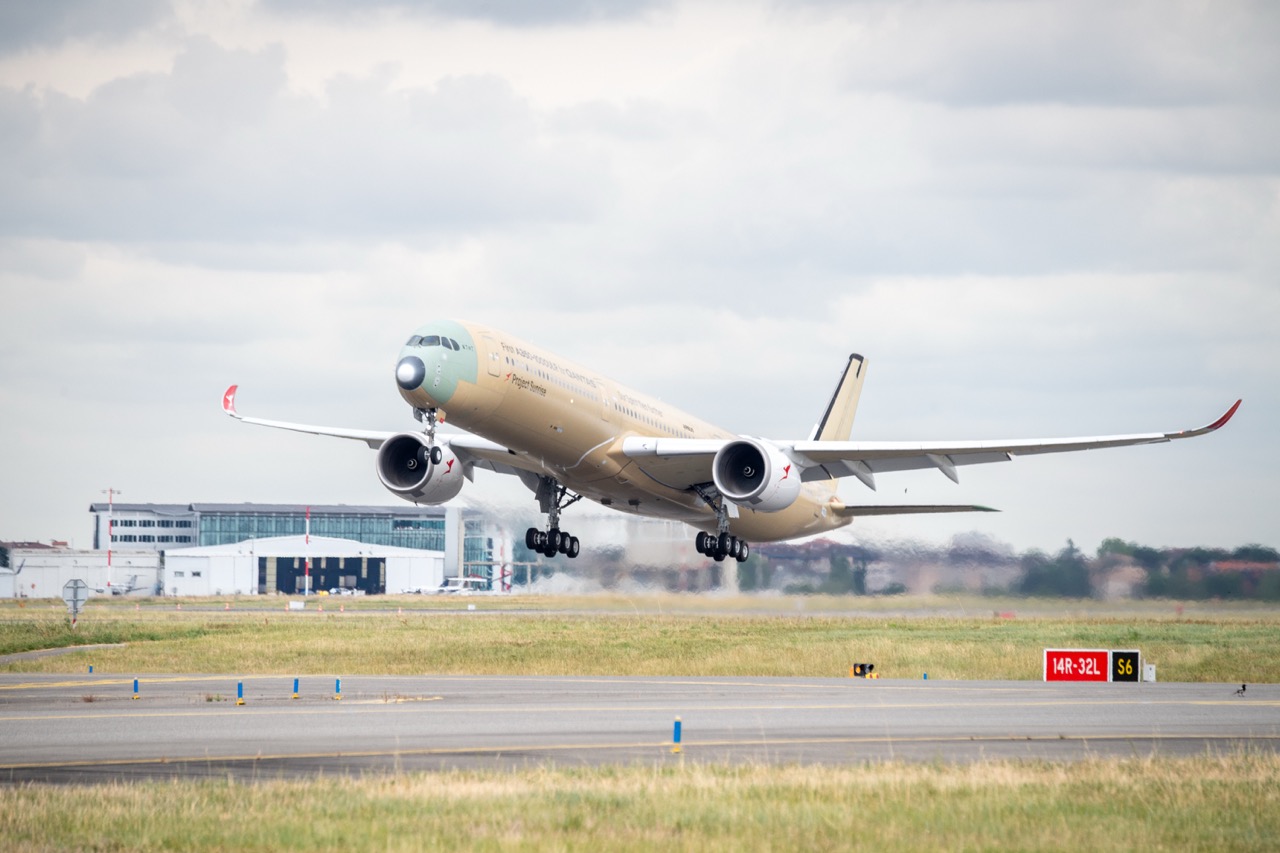
The Airbus A350-1000ULR, designed for Qantas’ Project Sunrise, is an evolution of the A350-1000, pushing the limits of commercial aviation with nonstop flights lasting up to 22 hours between Australia and cities such as London and New York.
As Airbus begins flight testing the world’s longest-range passenger aircraft, the manufacturer has shared details of the engineering effort behind designing a passenger plane that can fly nonstop for nearly a day.
Building an aircraft with a 10,000 nautical mile range
The Airbus A350-1000ULR (Ultra Long Range) has been developed specifically for Qantas’ Project Sunrise, which aims to connect Australia’s east coast directly with Europe and North America without intermediate stops. In 2017, Qantas challenged both Airbus and Boeing to develop an ultra-long-range aircraft which could complete these record-setting flights, and Airbus ultimately emerged as the winner.
To achieve the mission, Airbus has targeted a range of approximately 10,000 nautical miles (18,520 kilometres), making the aircraft the longest-range commercial airliner ever built.
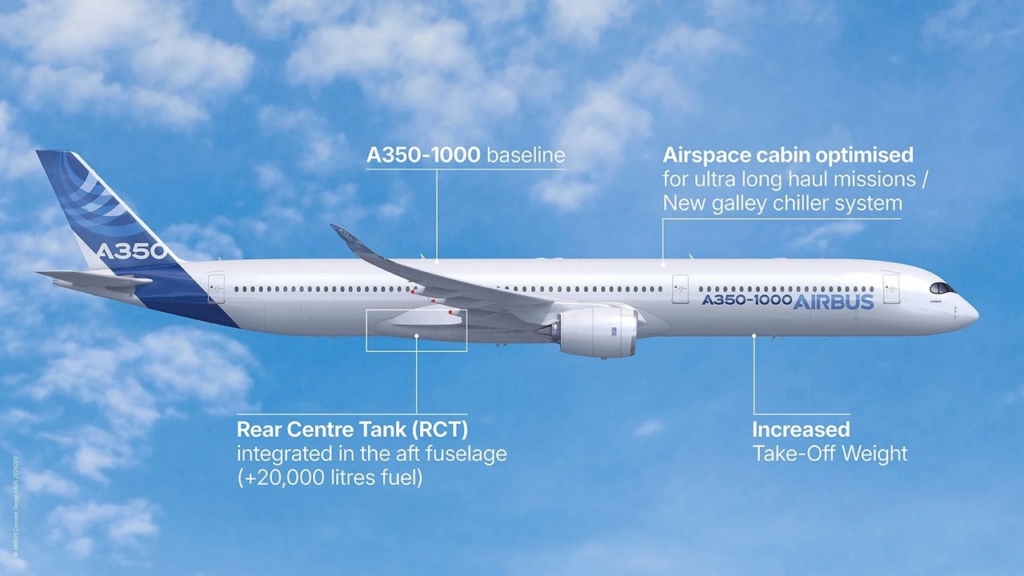
The most significant aircraft modification required is the addition of a dedicated 20,000-litre rear centre fuel tank. This extra fuel capacity extends the aircraft’s range by roughly 1,000 nautical miles beyond the standard A350-1000, enough to support flights such as Sydney-London and Sydney-New York.
However, carrying more fuel onboard is only part of the challenge. Airbus has also had to develop and certify a specialised fuel management system capable of safely transferring and balancing fuel throughout flights lasting up to 22 hours. According to Airbus, validating this system is one of the primary objectives of the current flight-test campaign.
Every kilogram counts for extended range flights
The aircraft is powered by Rolls-Royce Trent XWB engines, among the most efficient large commercial turbofans in service. The combination of the A350’s carbon-fibre composite structure and the Trent XWB’s fuel efficiency provides the baseline from which Airbus has extended the aircraft’s range.
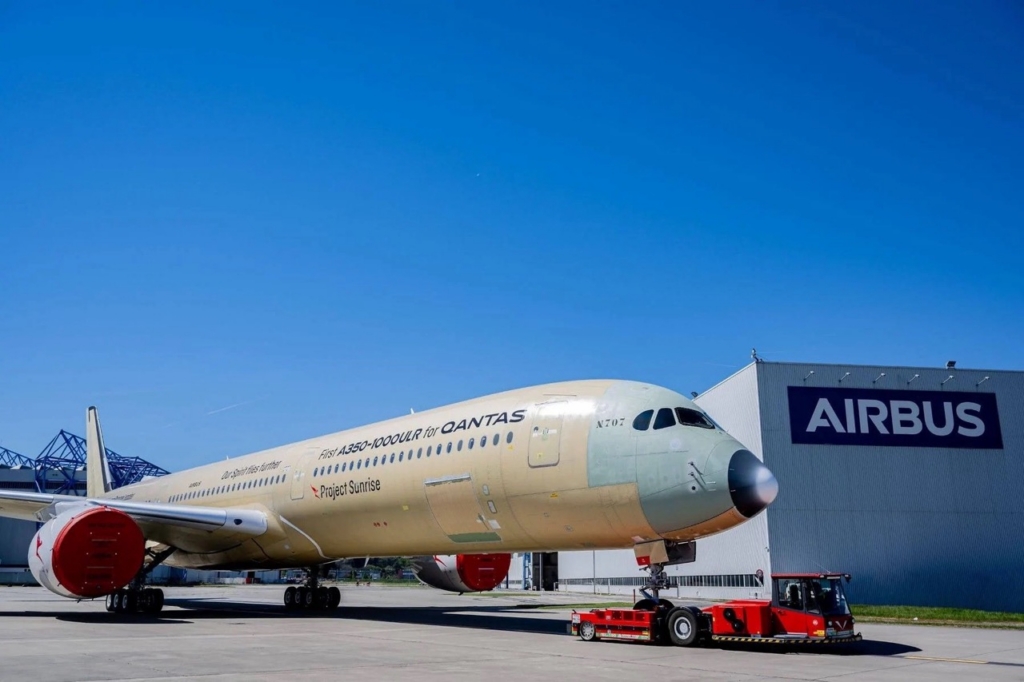
For an aircraft required to remain airborne for nearly an entire day, weight reduction becomes critical. The engineering philosophy behind the A350-1000ULR programme is to achieve small weight savings across multiple systems, which can translate into meaningful range improvements.
Airbus has incorporated several new systems designed to reduce overall aircraft mass while maintaining passenger comfort. These include lighter refrigeration equipment and a redesigned galley cooling system developed specifically for the ultra-long-range mission profile. Both systems require separate certification before the aircraft can enter commercial service.
Designing the A350-1000ULR cabin for human endurance
Engineering the aircraft itself is only half of the Project Sunrise challenge. The other challenge is keeping passengers and crew comfortable during flights that could last longer than most people remain awake in a single day.
Qantas has worked with Airbus to create a four-class cabin with a total capacity for 238 passengers—far fewer than a typical A350-1000 configuration. The reduced passenger count helps offset the additional fuel load while providing more space for passenger comfort features.
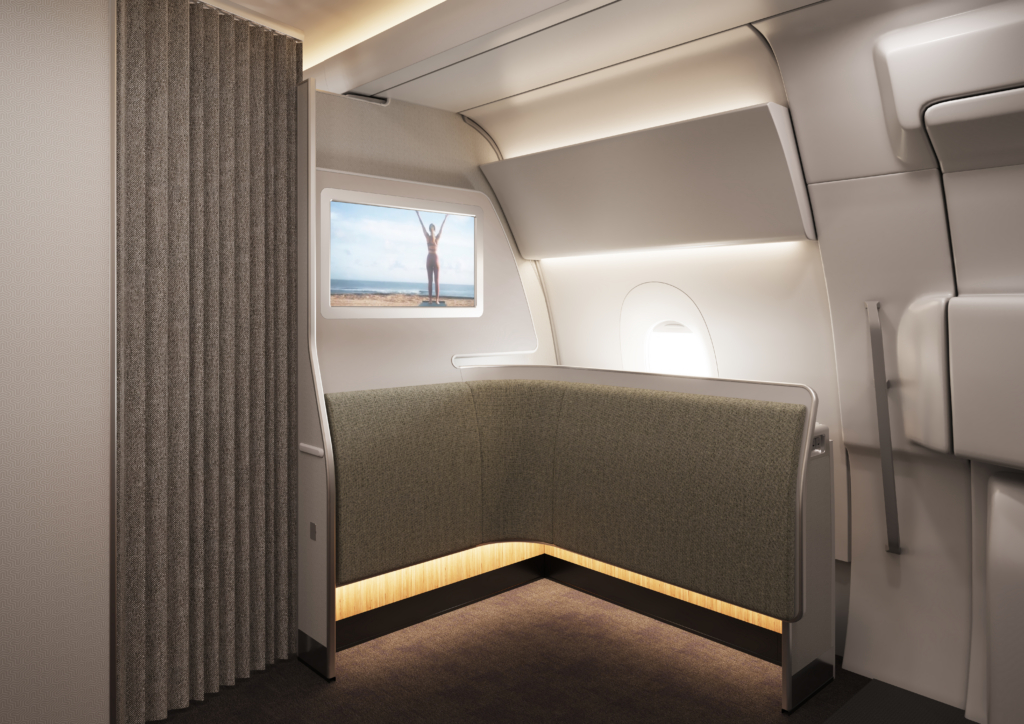
One notable addition is a dedicated Wellbeing Zone designed to encourage passenger movement during the flight. The aircraft will also feature multiple programmable lighting themes to support passengers’ circadian rhythms and reduce the effects of jet lag.
Qantas conducted multiple Project Sunrise test flights to research the effects of ultra-long flights on passengers, generating recommendations for lighting, meal timing and cabin design.
A new certification challenge for Airbus
The first A350-1000ULR recently completed its maiden flight from Toulouse, flying for three hours 43 minutes over France and the French Atlantic Coast. The flight marks the beginning of an approximately two-month certification programme. During this phase, Airbus engineers will accumulate approximately 80 hours of flight testing to validate the aircraft’s new systems and performance characteristics.
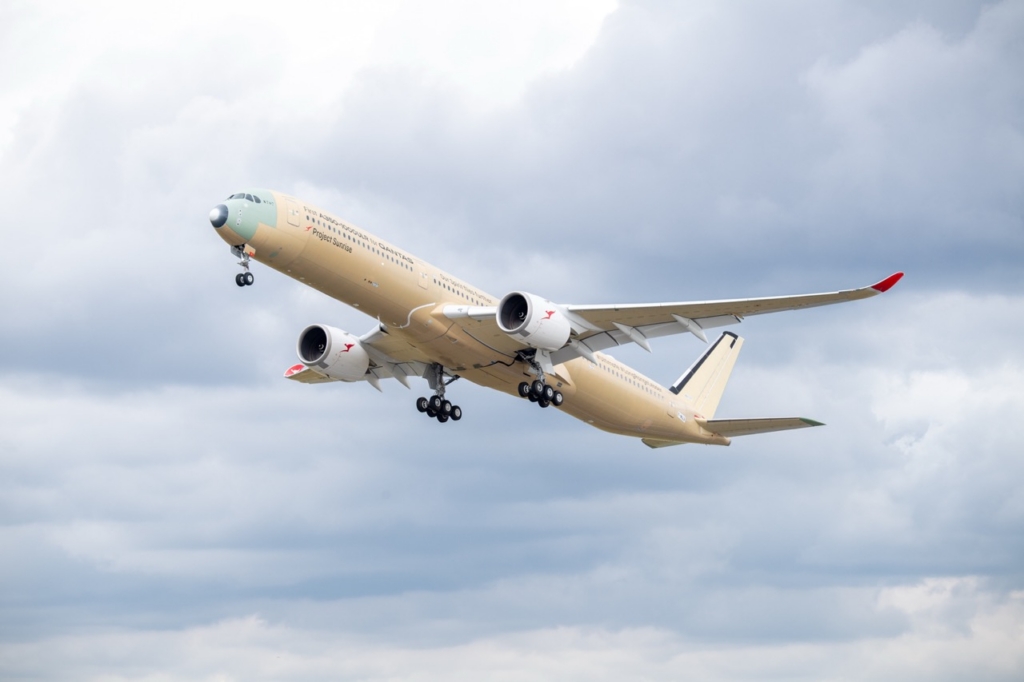
The aircraft currently serving as the test platform will eventually be retrofitted with Qantas’ commercial cabin specification after certification is complete. Airbus says the second aircraft in production will be the first delivered to Qantas, currently scheduled for April 2027, following recent supply chain-related delays.
Pushing commercial aviation’s final frontier
Project Sunrise has been in development for nearly a decade, and the A350-1000ULR demonstrates how much engineering is required to turn the concept of a 22-hour flight into a commercially viable operation.
The aircraft’s additional fuel capacity, specialised fuel-management architecture, weight-saving systems and passenger-focused cabin design show that achieving the world’s longest commercial flights is not just about adding more fuel. It requires redesigning various elements of the aircraft, both functional and experiential, to support a mission profile that pushes the boundaries of modern air transport.
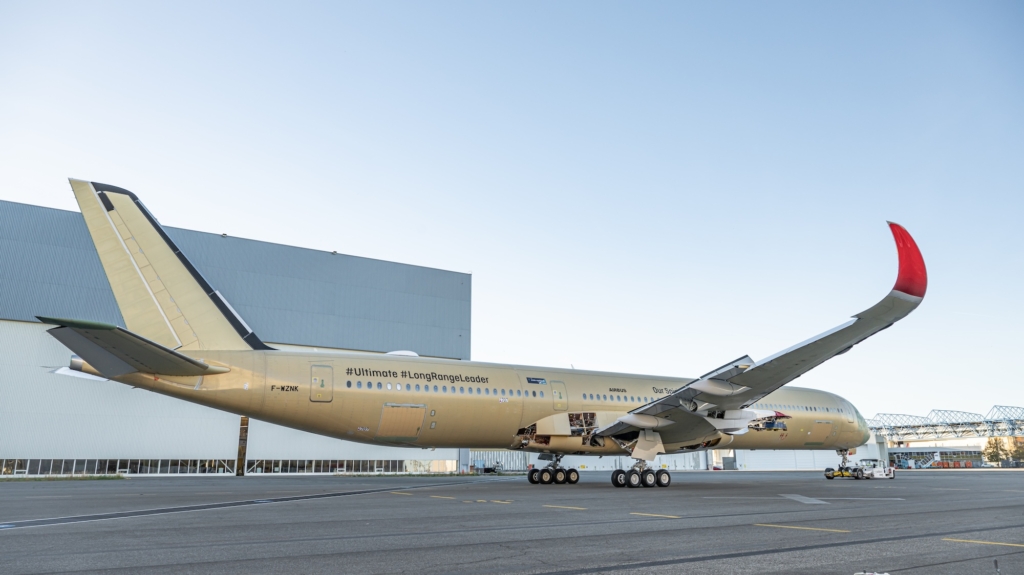
When Qantas launches nonstop flights between Australia and London or New York, passengers may notice enhanced comfort and reduced travel time. Behind the scenes, years of engineering work will have transformed the A350-1000 into a new ultra-long-range category of airliner.
Qantas has said it will confirm the launch route and timing of the inaugural record-setting flights later this month.
Featured Image: Qantas


