


US budget airlines ask President Trump for $2.5bn jet fuel bailout

3 min read

US budget airlines are asking the Trump administration for $2.5 billion in relief as soaring jet fuel prices put pressure on the lowest airfares in the market.
The proposal, first reported by The Wall Street Journal, comes as low-cost carriers warn they are being hit harder than their larger rivals by a sharp rise in fuel costs tied to the conflict in Iran.
Budget airlines say they need help now
The low-cost carriers, including Avelo and Frontier, argue they are uniquely exposed to jet fuel shocks. Unlike larger network airlines, the low-cost airlines say their narrow operating margins from cheap tickets leave little room to absorb sudden cost increases.
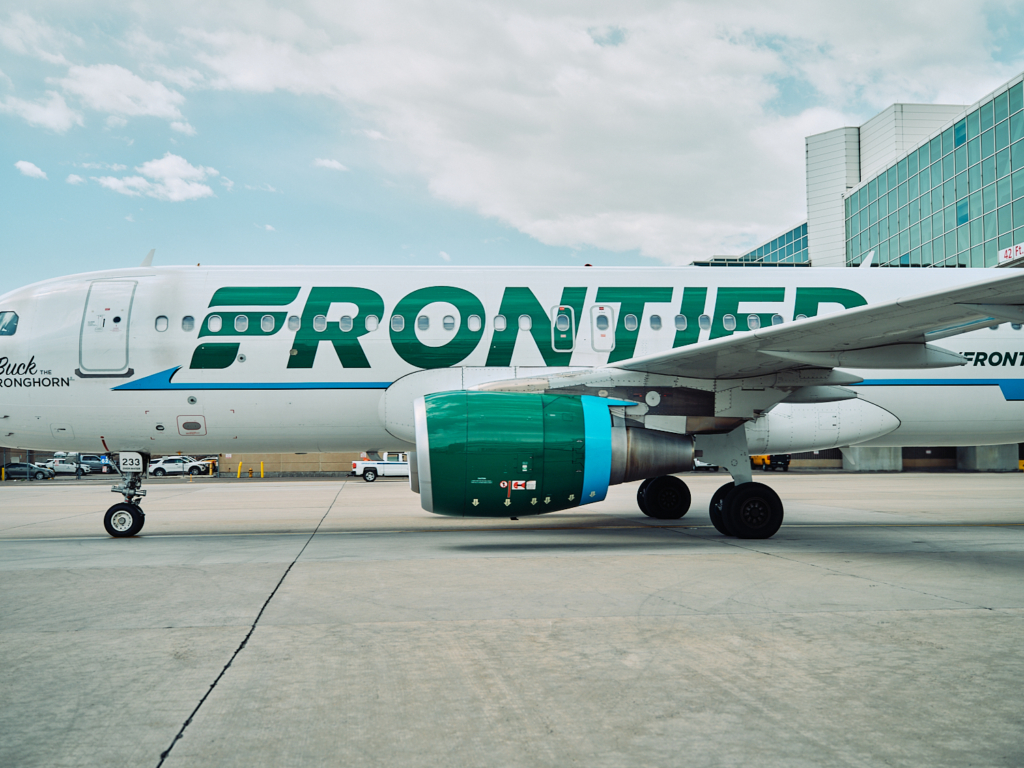
With jet fuel currently around or above $4 per gallon in the US, the airlines say their 2026 fuel bills are climbing far beyond earlier forecasts. At the same time, they say, competition limits fare increases, making it harder for airlines to pass those costs on to travellers.
The three major US network carriers, American, Delta, and United, along with Alaska Airlines and JetBlue, have raised their baggage fees in response to rising fuel costs.
Airlines can adjust their ancillary fees more quickly, and fees are not as immediately visible to customers as changes to air fares.
What the $2.5bn jet fuel bailout would look like
The airlines determined the $2.5 billion in aid by calculating how much additional fuel cost they would incur if fuel prices remain elevated through the end of the year. The airlines’ proposal would provide government funding in exchange for warrants, giving the US government a potential equity stake if the airlines recover.

This structure would be similar to pandemic-era airline support packages on a smaller scale, specifically targeted at covering fuel costs rather than payroll or operations.
Airline executives have reportedly already held talks in Washington with senior officials, including Secretary of Transportation Sean Duffy, and discussions have reached the White House. No agreement has been reached yet.
A difficult market for cheap flights
The budget carriers’ plea for government assistance to cover jet fuel comes as Spirit Airlines faces liquidation, with higher fuel costs putting the airline’s Chapter 11 recovery at risk.
Spirit’s troubles have already got the White House’s attention. The Trump administration is reportedly reviewing a $500 million rescue package for Spirit, and the President has expressed interest in buying the airline at the right price.
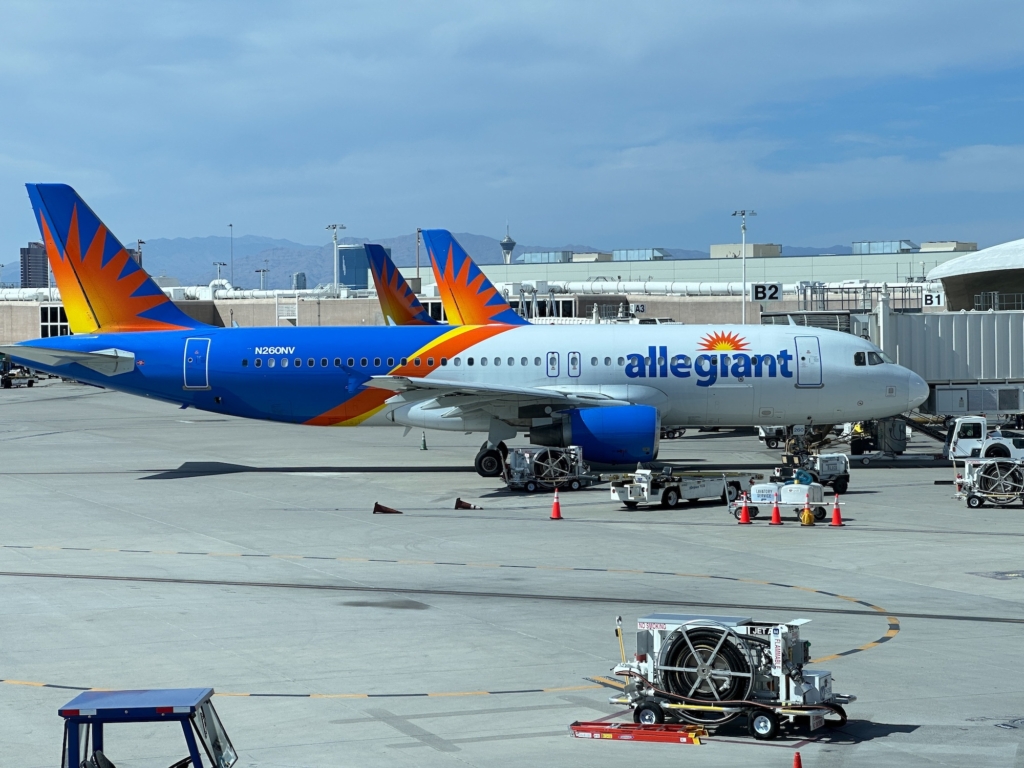
Budget airlines keep airfares affordable across the US and are sometimes the only air service providers at smaller airports. If rising fuel costs push weaker low-cost carriers into financial trouble or force capacity cuts, the cost of flying could rise nationwide, and some communities may be left without air service.
While air travel demand remains strong, airlines are currently facing fuel volatility that could reshape the market. Budget carriers asking Washington for relief on jet fuel could prompt network carriers to follow suit.
Any such relief would set a precedent for targeted government intervention in airline industry financials, but the US government’s military actions in the Middle East have directly contributed to the current jet fuel crisis.
Featured Image: Avelo Airlines
Sign up for our newsletter and get our latest content in your inbox.


More from

October 25, 20266 min read

October 25, 20265 min read


