


Boeing sees Chinese airlines turn to secondary cities in next phase of growth

3 min read
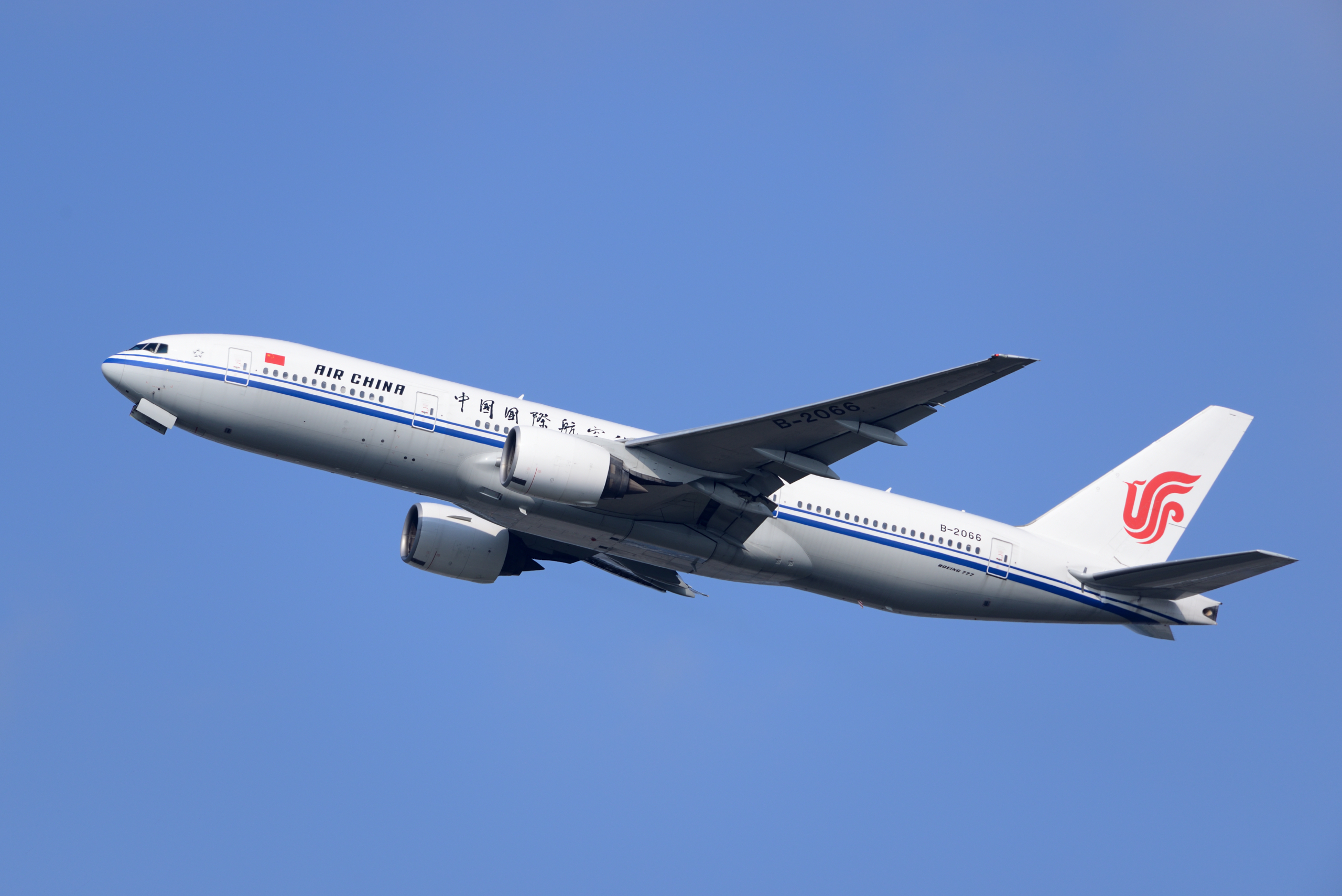
Airlines in China are increasingly seeking to capitalise on the expanding Chinese air travel market by launching routes between secondary or tertiary airports, according to Boeing Commercial Airplanes’s regional director in the country, Ray Tang.
As the large city hubs become capacity constrained, secondary airports and smaller Chinese cities – of which there are many home to several million people – are being added to airline networks.
The proliferation of these secondary or tertiary routes – both domestic within China and international – is a sign that the Chinese airline market is maturing, while the largely state-run sector is looking to drive increased air travel among a rapidly growing middle class.
Chinese carriers expand into secondary markets
Speaking at Routes Asia 2026 in Xi’an, Tang said Boeing had “seen airlines in the region … trying to take that opportunity especially to continue to expand the second tier international routes.”
He noted the Boeing 737 MAX family of aircraft was a means of doing this, with airlines using the fuel-efficient narrow-body to test new city pairs.
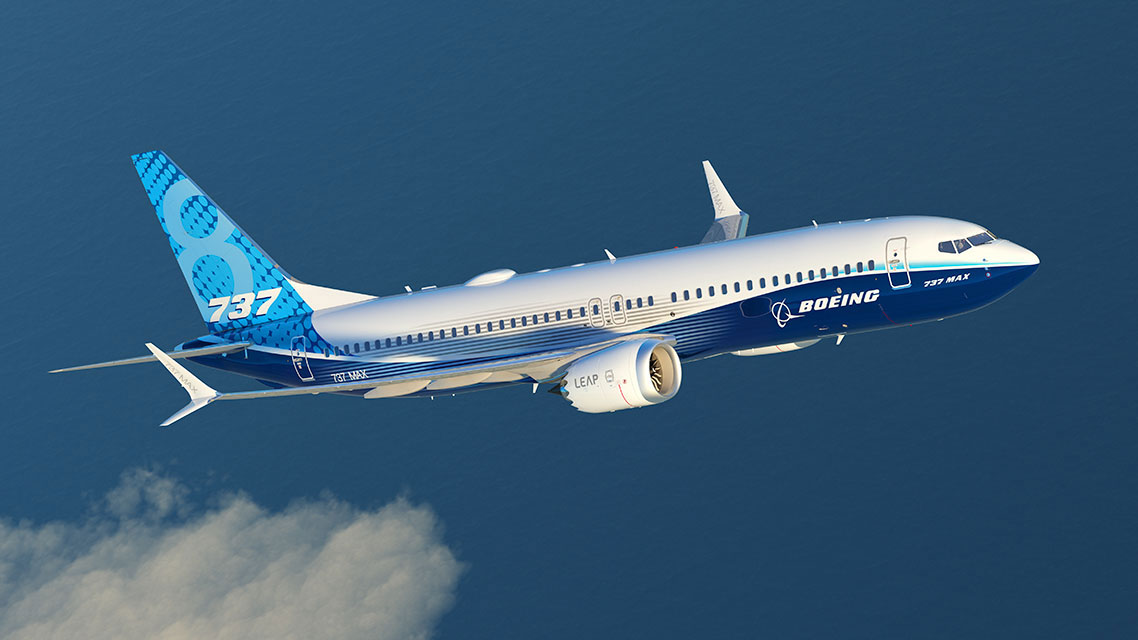
“We are seeing airlines taking advantage of the increased range capability of the 737 MAX to expand from China, not just to the traditional Japan, Korea and East Asian markets, but also on longer routes, for example, to Kuala Lumpur or Singapore, to Central Asia, or even to Middle East and Australia,” he added.
According to Boeing’s most recent market appraisal, there has been strong passenger traffic growth among Chinese airlines in recent years.
China’s airline industry on the rise
Despite one of the most severe Covid-indueced downturns, 2024 volumes were 10% above 2019 levels and Boeing has forecast that over the next 20 years passenger traffic will rise by 5.3% annually. That will outpace China’s impressive projected economic growth of 3.7%.
“We have seen very strong recovery of all the markets across tier one, two and three cities, both domestically and internationally,” Tang said.
Air China is this week launching a new route between Beijing Daxing International Airport and Frankfurt Airport. In June, the carrier is launching flights from the Chinese capital to Milan.
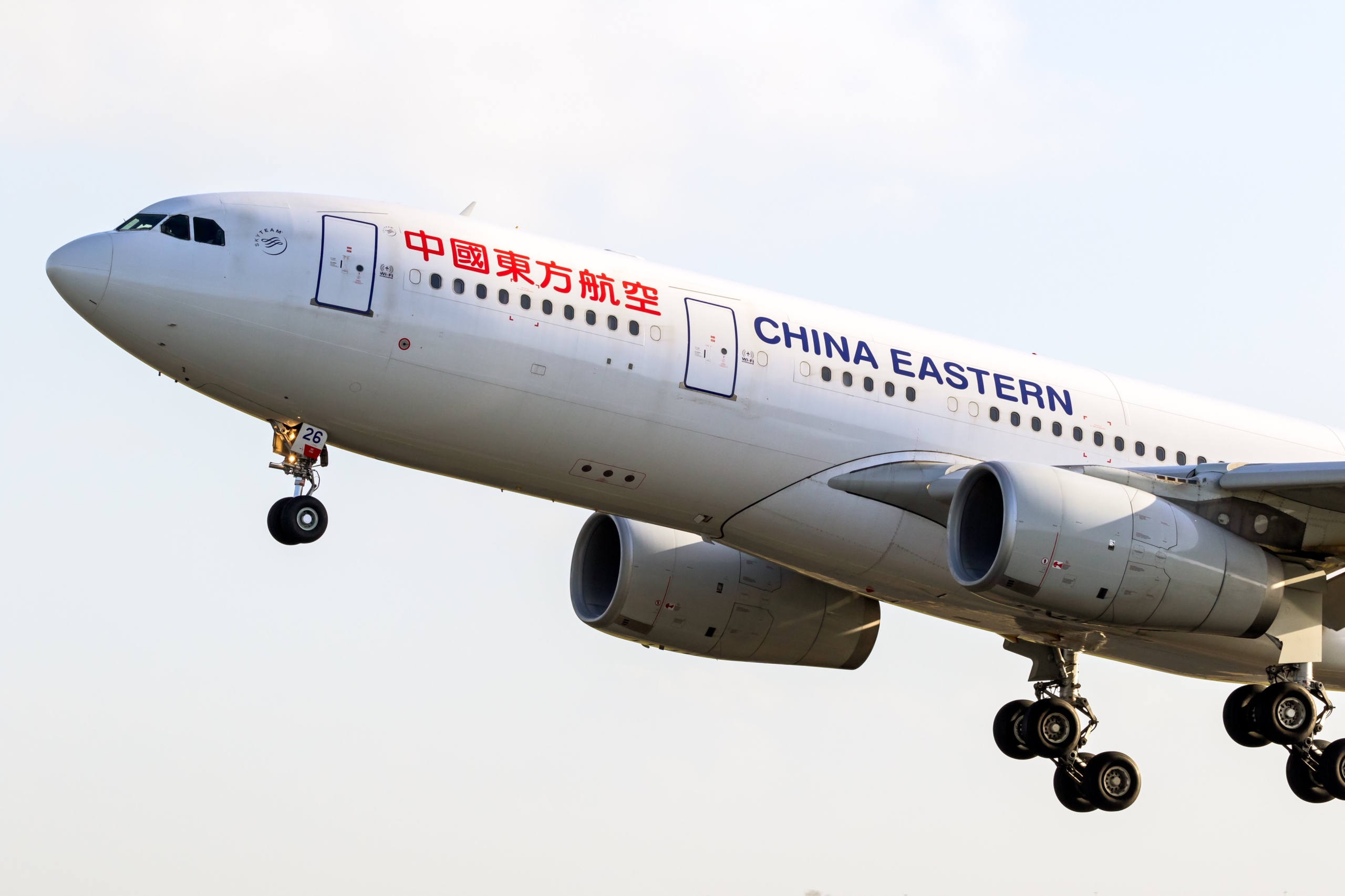
China Eastern recently launched flights from Xi’an to Vienna and a number of Chinese carriers have launched flights from secondary airports such as Jinan and Xiamen to Vietnam.
Growing middle class fuels air travel growth
Key to the growth of airline customers is the enlarging middle class, which is predicted to nearly double from 24% to 43% over the period.
Boeing also noted that recent policy changes reducing visa requirements – including the relaxation of visa requirements for British passport holders – was likely to drive further demand.
The latest data for 2025 shows the number of foreign visitors has grown year on year by over 25%, and of those visitors, over 70% arrive in China via a visa free route. “That’s a tremendous growth opportunity,” Tang said.
Tied to this growth, Tang noted that over the past quarter century, the installed fleet in China had grown eightfold.
Boeing believes there is further growth to come. The manufacturer’s forecast states the jet fleet will double over the next twenty years to 9,755 aircraft, with 41% of 9,000 new deliveries replacing older aircraft, up from 27% a decade ago.
Featured image: zapper / stock.adobe.com


