Russian airlines now offer flights to fewer destinations than during the Cold War

4 min read
Russian travellers will have access to fewer international destinations this summer than Soviet citizens did during the Cold War, according to Russia’s Association of Tour Operators (ATOR), highlighting the growing isolation of the country’s aviation sector four years after the invasion of Ukraine.
Russian airlines are expected to offer nonstop flights to just 32 countries during summer 2026, down from 43 destinations during the winter season.
According to ATOR, the number of countries accessible by direct flights from Russia this summer will fall below the number served by Soviet airlines during the Cold War era.
Russian airlines to offer fewer overseas flights in summer 2026
Numerous destinations have been cut from Russian airline schedules in recent months. These include flights to the Seychelles, which were cut earlier this month alongside Algeria flights, which were cut in April. Additionally, Russian travellers have also lost direct flights to Cuba and Venezuela.
Cuban routes were cut as the island continues to face severe fuel shortages linked to sanctions and reduced oil supplies, while flights to Venezuela were suspended following the country’s political crisis earlier this year.
Elsewhere, the ongoing conflict in the Middle East has further affected Russian aviation, cutting off direct flights to countries such as Kuwait, Bahrain, and Saudi Arabia.
ATOR says the final number of available nonstop destinations from Russia during the summer of 2026 will depend on whether flights to Saudi Arabia are restored in the coming weeks.
Some Russian flights to international destinations remain
Despite the reductions, Russian airlines will continue operating direct flights to destinations including China, Turkey, the UAE, Thailand, Egypt, the Maldives, India and Serbia.
However, industry experts note that many remaining destinations are effectively inaccessible for mass tourism. Since March 2026, Russian authorities have prohibited the sale of package tours to Israel, Iran, Qatar, the UAE, Oman and Saudi Arabia.
ATOR estimates that no more than 15 countries will realistically remain available for organised mass tourism via direct flights from Russia.
Sanctions and aircraft shortages continue to pressure Russian aviation
Since Russia invaded Ukraine in February 2022, member states of the European Union, the UK, the US and several other countries have banned Russian airlines from operating in their airspace or using their airports.
The restrictions cut direct flights to dozens of countries and forced many Russian travellers to rely on indirect routings through hubs such as Istanbul and destinations in the Middle East.
Yet Russian aviation is facing far more issues than just airspace restrictions. Following the imposition of Western sanctions on the country’s aviation industry, Russian airlines are currently facing a perfect storm of obstacles that are hampering both domestic and international operations.
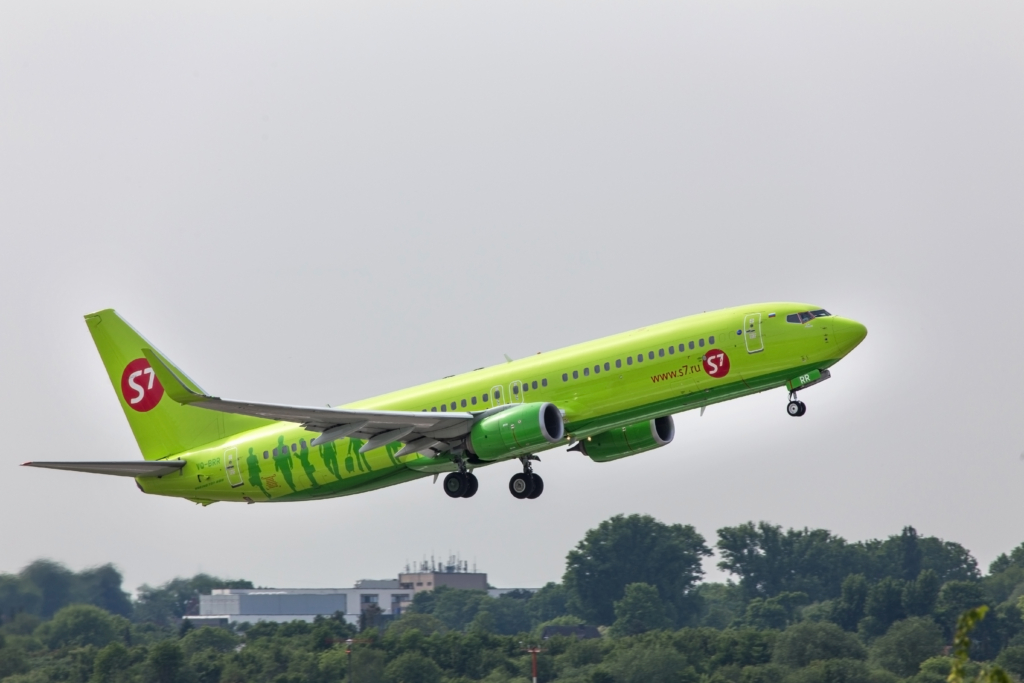
Western sanctions have severely restricted access to aircraft, engines, spare parts and maintenance support for Russia’s large fleets of Airbus and Boeing aircraft. Many of Russia’s modern aircraft, particularly Airbus A320neo-family jets equipped with Pratt & Whitney PW1000G engines, have become increasingly difficult to maintain under sanctions pressure.
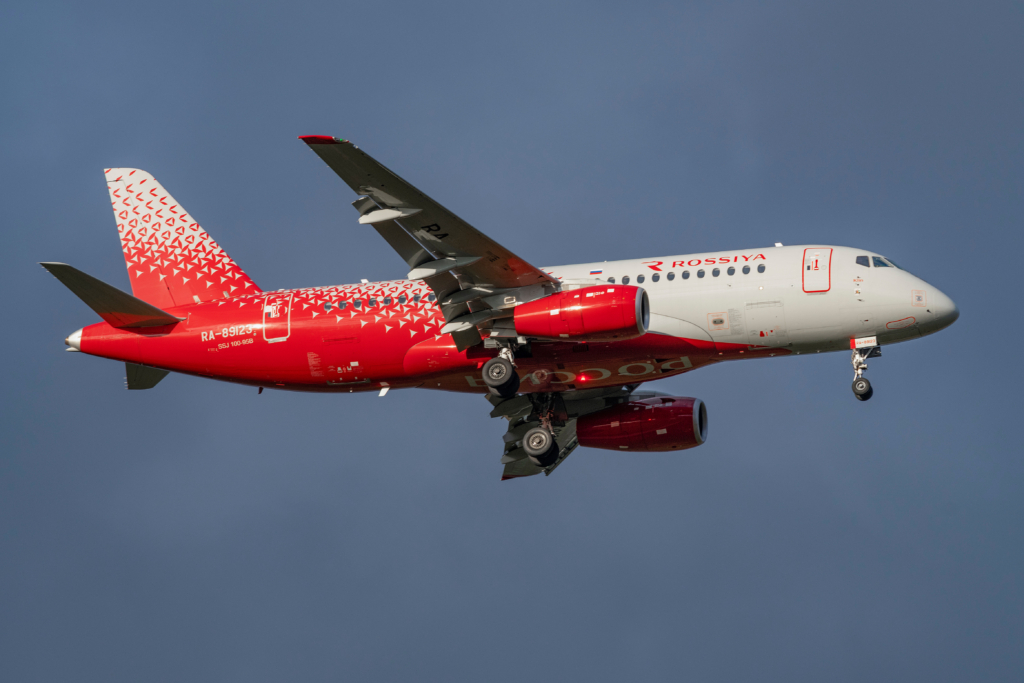
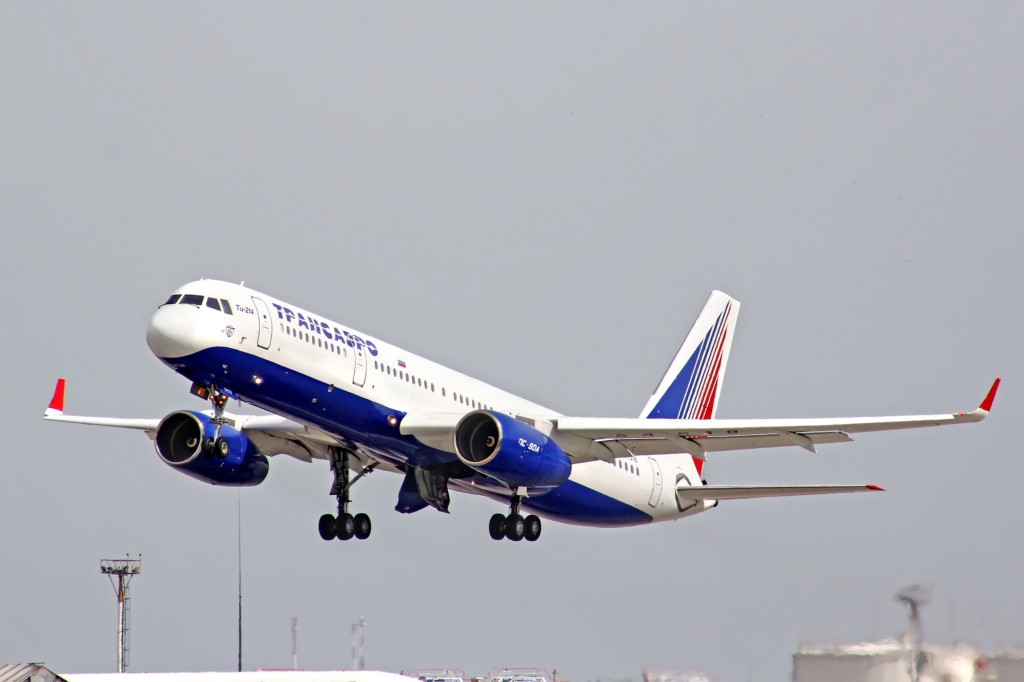
At the same time, Russia’s efforts to replace Western-built aircraft with domestically produced alternatives continue to face delays. Despite ambitious post-2022 production targets, programmes including the Yakovlev MC-21, SJ-100 Superjet and Tupolev Tu-214 remain behind schedule, while costs have risen sharply.
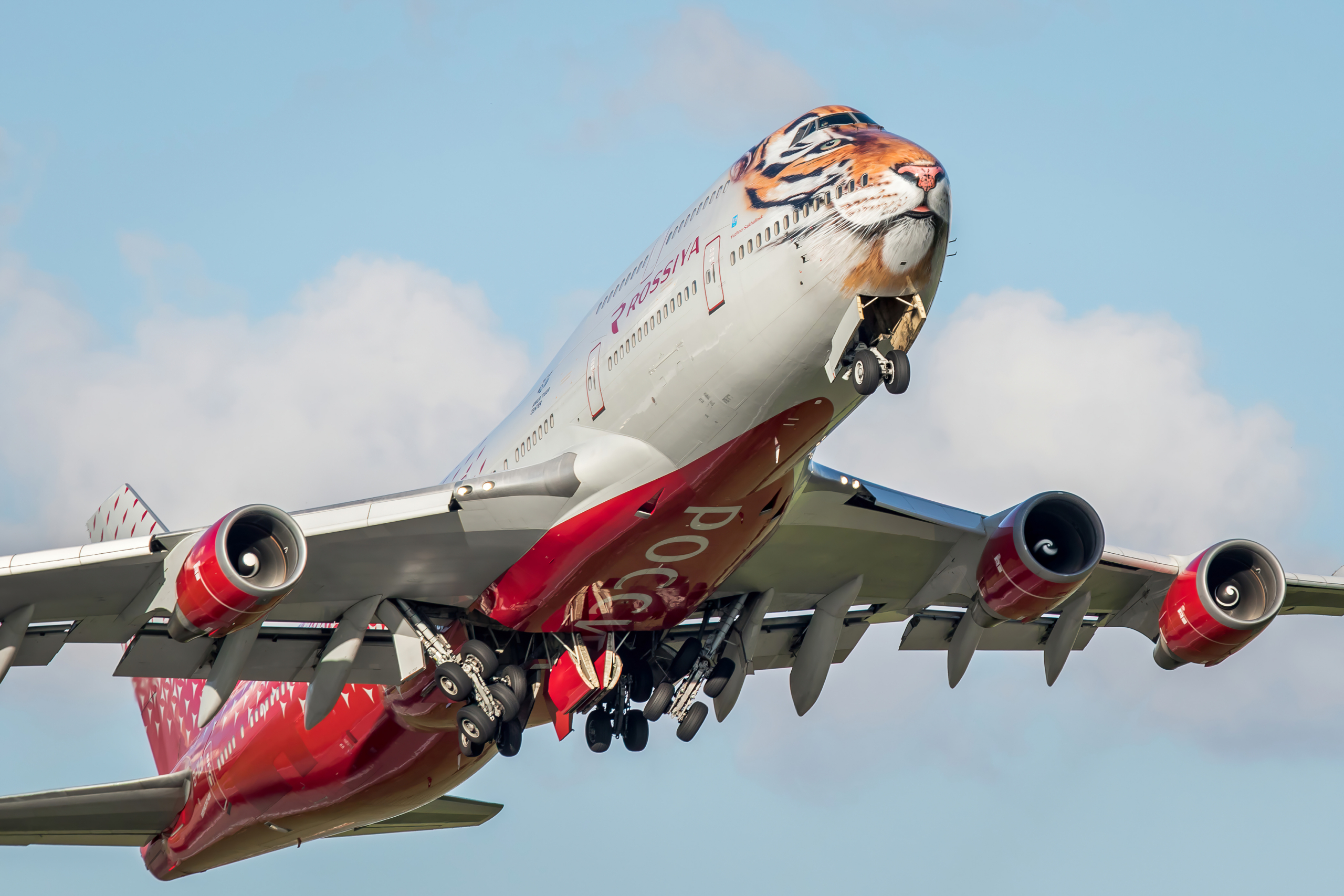
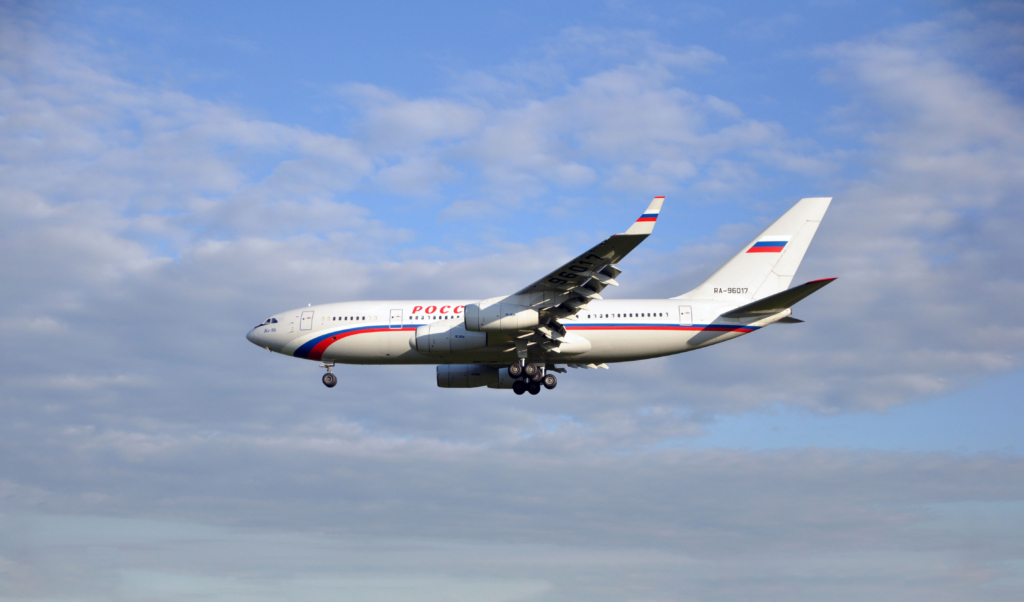
The strain has forced Russian operators to reactivate retired Soviet-designed aircraft, including Tu-204s, Il-96s and Boeing 747-400s, to maintain capacity.
Meanwhile, Russia’s aviation regulator and state oversight bodies have identified hundreds of aircraft with maintenance and safety violations in recent years amid growing pressure to keep fleets operational despite parts shortages.
Aeroflot has already warned that aircraft shortages and rising maintenance costs are likely to drive fares higher. Average ticket prices reportedly rose by 6% in 2025, with further increases expected this year.
Elsewhere, while Russia remains a major oil producer, Ukrainian drone strikes against refinery infrastructure have periodically disrupted fuel production and logistics in parts of the country, adding further operational pressure to airlines and regional operators.
With no clear end to the war or sanctions regime in sight, analysts expect Russia’s aviation sector to remain under mounting strain as fleets age and replacement aircraft continue to arrive more slowly than originally planned.
Domestic tourism remains the backbone of Russian aviation
Despite shrinking international connectivity, domestic tourism continues to underpin Russia’s aviation sector.
According to Aviastat.ru, Russian airlines carried around 22.6 million passengers during the first quarter of 2026, with approximately 73% travelling on domestic routes. Demand for internal travel has remained resilient since 2022, helping offset some of the decline in overseas services.
However, analysts increasingly believe the post-sanctions domestic travel boom is beginning to plateau as rising fares, reduced aircraft availability and wider economic pressures weigh on Russian households.
For now, Russia’s airlines remain caught between resilient travel demand and a shrinking pool of serviceable aircraft, as sanctions and wartime pressures continue reshaping the country’s aviation industry.
Featured image: hodim / stock.adobe.com
Sign up for our newsletter and get our latest content in your inbox.


More from

October 13, 202612 min read

October 13, 202612 min read