


Eight killed after US Air Force B-52 Stratofortress crashes at Edwards Air Force Base

4 min read
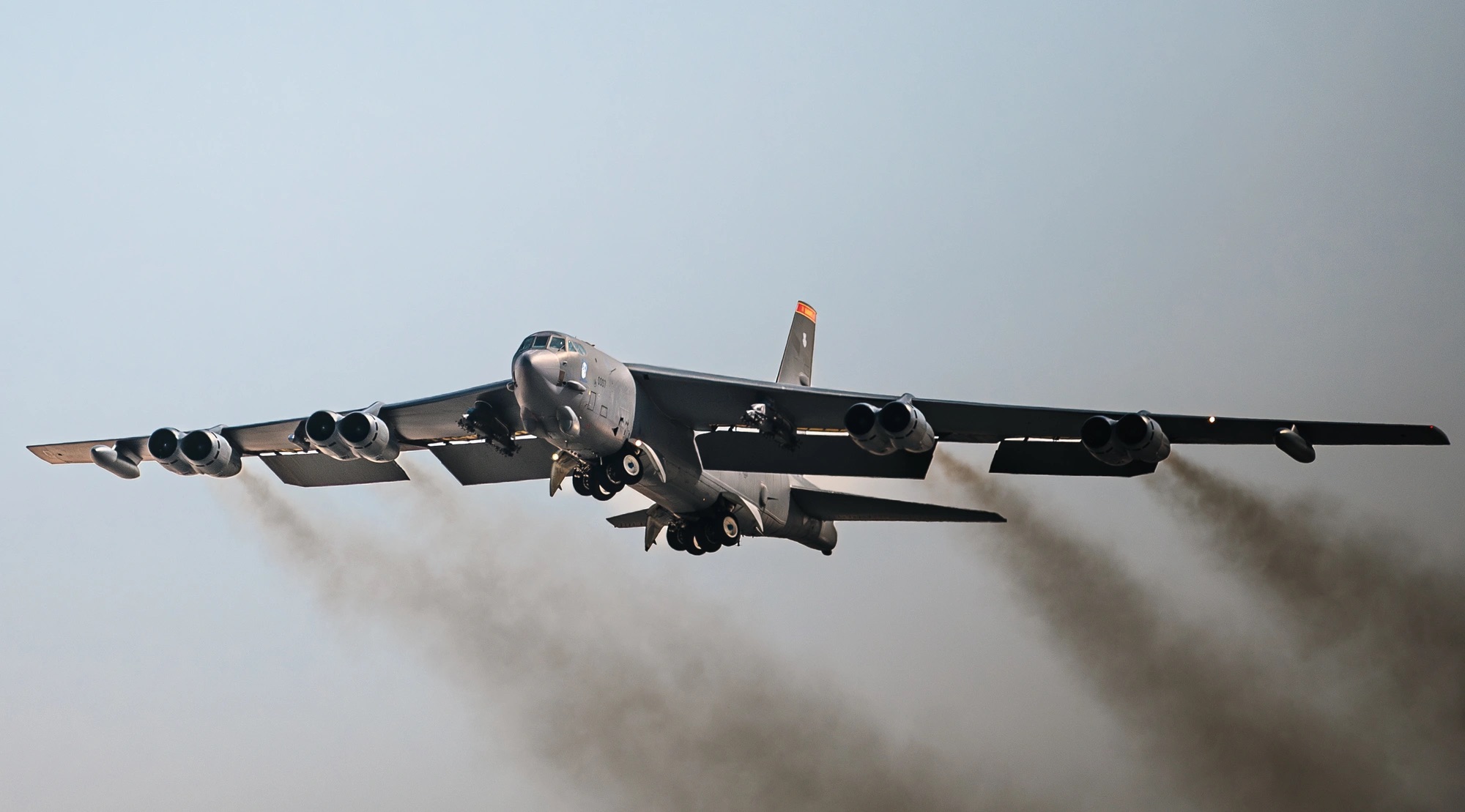
Eight people have died after a US Air Force B-52 Stratofortress crashed shortly after take-off from Edwards Air Force Base in California.
The aircraft went down at around 11:20 local time on June 15, 2026, while conducting what the Air Force described as a routine test mission. Emergency crews responded to the scene, but officials initially said the crash was not survivable.
Boeing has since confirmed that two of its employees were among those on board.
“We extend our deepest condolences to the loved ones of the eight crew members who lost their lives in the B-52 crash at Edwards Air Force Base, California,” Boeing said in a statement.
“It is with great sadness that we confirm two Boeing employees were among those on board. We are in contact with their families and are offering support.”
US Air Force B-52 crashes shortly after take-off
The cause of the crash remains under investigation. The Air Force has not yet released the names of those killed.
Reports from the scene showed a large column of black smoke rising from the airfield shortly after the crash. The aircraft appears to have come down on or close to the Edwards airfield, although the exact sequence of events has not yet been confirmed.
Did something just happen at Edwards Air Force Base? Currently seeing a large column coming from the base, cams are aligned with one of the runways.
— DanielFireCopter (@DanielFireTruck) June 15, 2026
Seems like these two are holding off as well. pic.twitter.com/3vec75KPH0
The B-52 was operating from Edwards Air Force Base, one of the US Air Force’s most important flight test centres and home to the 412th Test Wing.
The aircraft is understood to have been involved in a radar modernisation test mission. The B-52 fleet is undergoing a major upgrade effort intended to keep the long-range bomber in service into the 2050s.
Get the latest aerospace defence news here on AGN.
B-52 tail number 60-0061 reportedly involved
Aviation Safety Network has identified the aircraft as B-52H Stratofortress 60-0061, operated by the 412th Test Wing. The aircraft was destroyed in the crash.
The War Zone has reported that this aircraft was associated with the B-52 Radar Modernization Program, which will replace the bomber’s older mechanically scanned radar with a new active electronically scanned array radar.
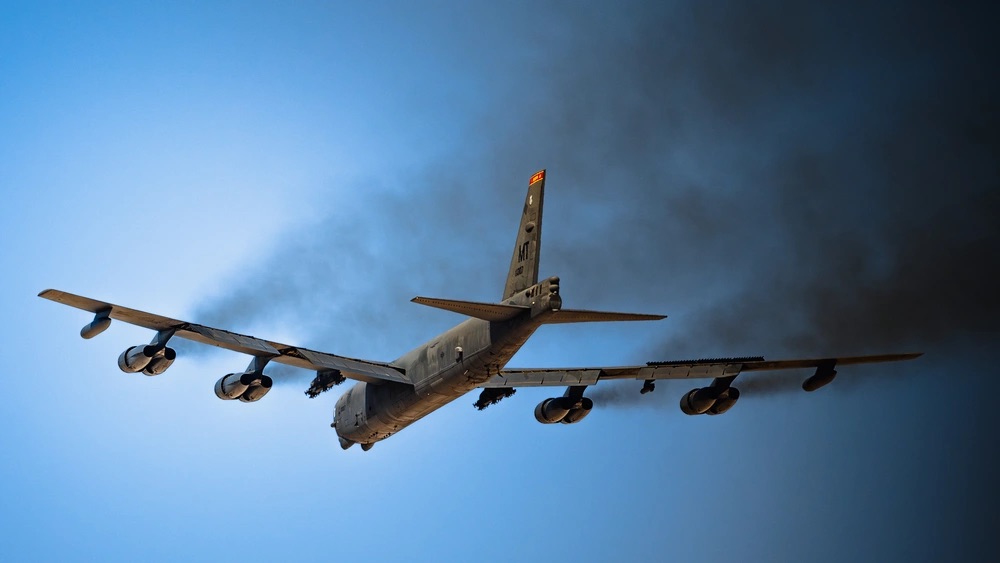
The upgrade is part of a wider modernisation push for the B-52, a bomber that first entered US Air Force service in the 1950s but remains central to US long-range strike planning.
The B-52 is unusual among modern military aircraft in that not all crew positions eject upward. Some crew stations eject downward, a design feature that can make escape particularly challenging at low altitude, including during take-off or landing.
Deadliest B-52 crash in decades
The B-52 has suffered a number of major accidents during its long service life, including several Cold War-era crashes involving nuclear weapons. However, the aircraft’s safety record had improved significantly in recent decades.
Before the Edwards crash, the last fatal B-52 accident occurred in 1994, when a B-52H crashed at Fairchild Air Force Base during a practice display manoeuvre, killing all four people on board.
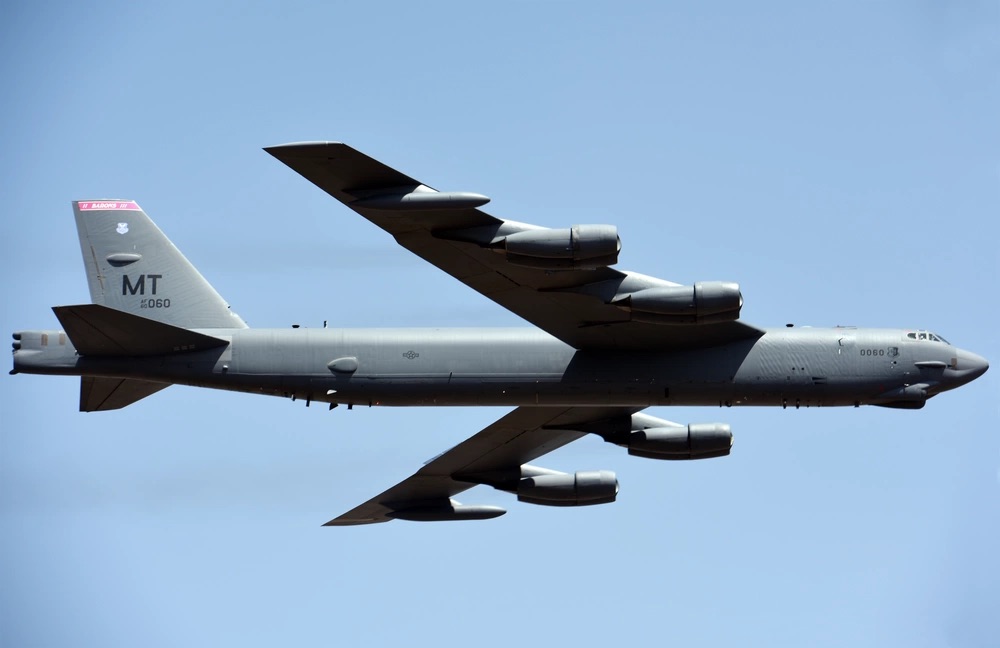
A B-52H was also destroyed at Andersen Air Force Base in Guam in 2016, but all seven crew members survived that accident.
The Edwards crash is therefore one of the most serious B-52 accidents in decades and comes at a sensitive moment for the aircraft’s future.
B-52J upgrade programme moves ahead
The US Air Force has 76 B-52H bombers in service, with the fleet set to be upgraded to the B-52J standard under a sweeping modernisation programme.
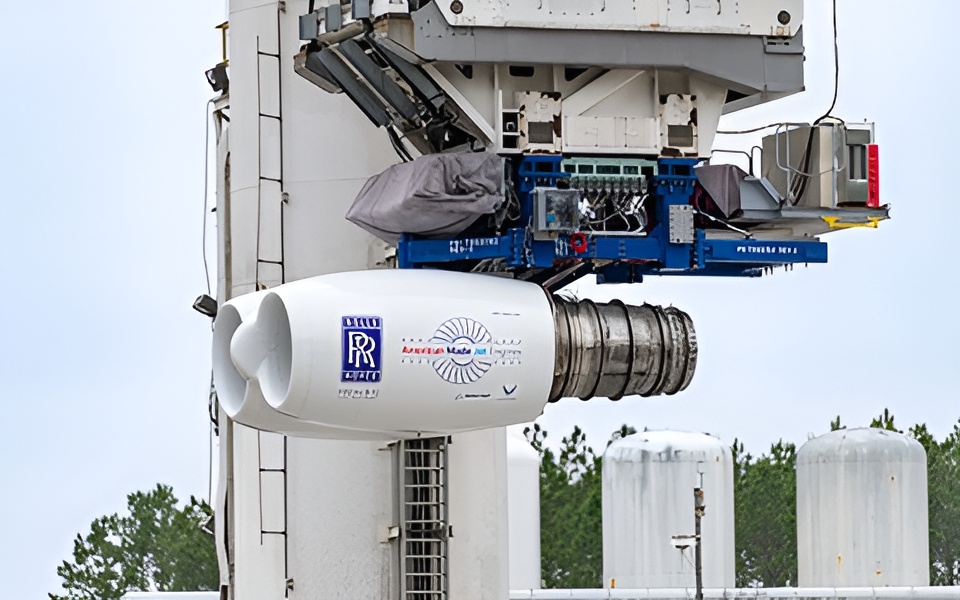
In May 2026, the Air Force announced that the B-52J Commercial Engine Replacement Program (CERP) had held its Critical Design Review (CDR), paving the way for the modification of the first two B-52s with the new Rolls-Royce engines.
The re-engining effort will replace the B-52’s ageing Pratt & Whitney TF33 engines, which date from the 1960s. The B-52J upgrade also includes new avionics, radar and other systems intended to extend the bomber’s service life into the 2050s.
While the incoming B-21 Raider is being developed as a stealthy penetrating bomber for heavily defended airspace, the B-52 is expected to remain a high-payload standoff weapons platform, carrying long-range missiles and other weapons from outside the most dangerous threat envelopes.
Featured Image: DVIDS
Sign up for our newsletter and get our latest content in your inbox.


More from

September 26, 20263 min read


September 25, 20264 min read


September 25, 20264 min read

September 24, 20262 min read


