Bell completes wing structures for first two MV-75 Cheyenne II test aircraft

3 min read
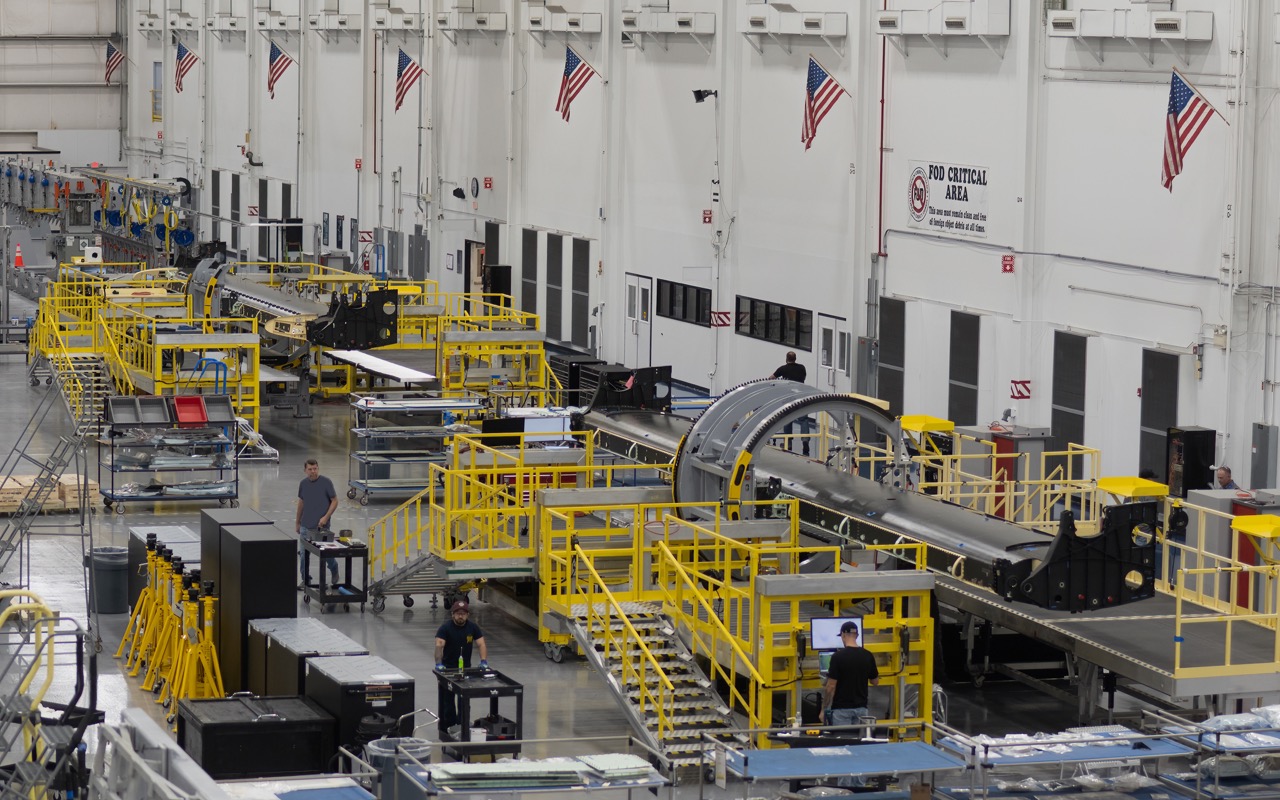
Bell Textron has completed assembly of the first two wing structures for the MV-75 Cheyenne II, advancing the US Army’s Future Long Range Assault Aircraft (FLRAA) program, which will replace part of its UH-60 Black Hawk fleet.
The wings will be installed on the first two MV-75 test aircraft, moving the next-generation tiltrotor closer to the flight-test phase.
Bell sees major manufacturing efficiency gains
According to Bell, the first wing structure for the MV-75 was completed in February and required 90% fewer labour hours than the first V-22 Osprey wing the company built decades earlier.
The second wing achieved an additional 40% reduction in labour hours compared with the first MV-75 wing by incorporating lessons learned and manufacturing improvements.
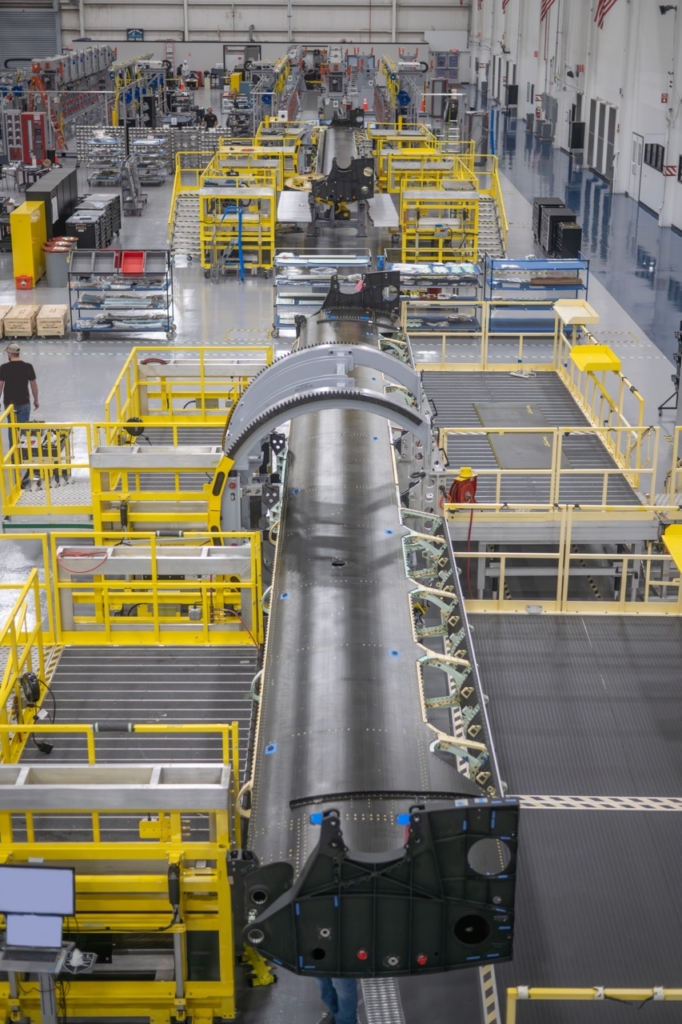
“After decades of building V-22 wings, we’ve learned new ways to do things better, faster and smarter by implementing these lessons into the design upfront,” said Culley Shafer, Bell’s director of operations in Amarillo. “The team is constantly evolving, making adjustments, refining sequencing and implementing engineering changes to keep raising the bar on quality, safety and efficiency.”
Bell manufactures key wing components in-house, including composite wing skins and spars, aluminium substructures and final assembly.
The company said systems integration work is now underway. The next stage will involve joining the wings, with the fuselages assembled at Bell’s Wichita Assembly Centre, and mating them with the aircraft’s nacelles.
“As the assembly line continues to evolve, and systems content starts being populated into wings, we’ll keep learning and improving. This ongoing innovation will help shape how we build this aircraft for decades to come,” Shafer said.
The Army’s future Black Hawk replacement
The MV-75 Cheyenne II development comes under the Army’s FLRAA program, one of the service’s highest modernisation priorities. Bell was selected to build the aircraft in December 2022 following a competition against the Sikorsky-Boeing Defiant X.
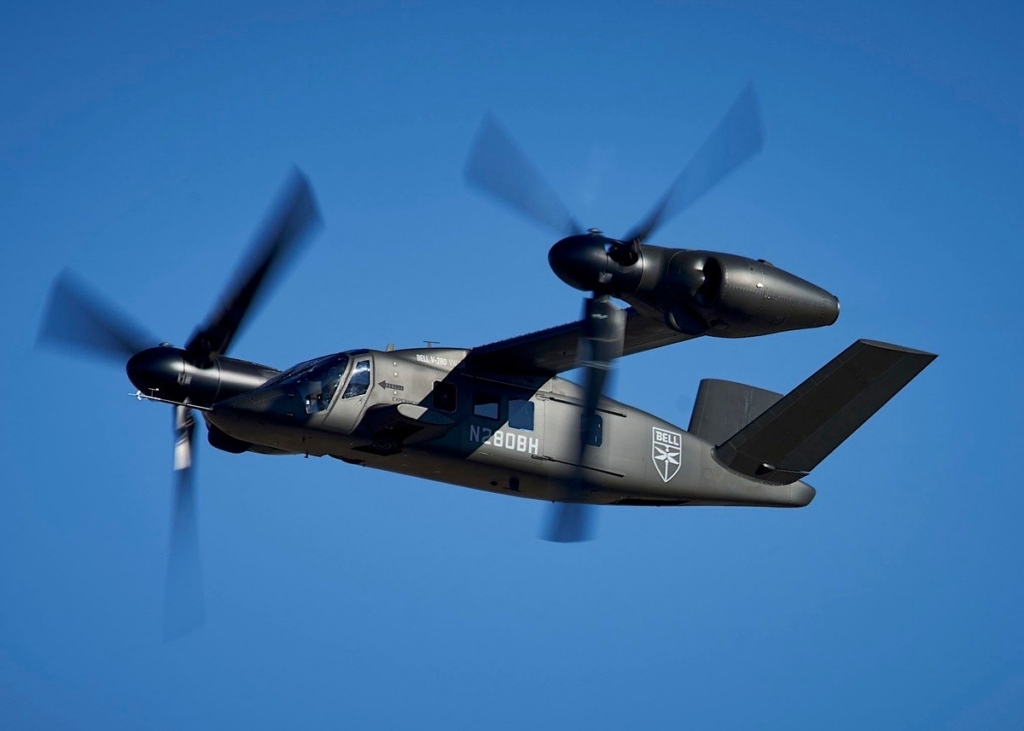
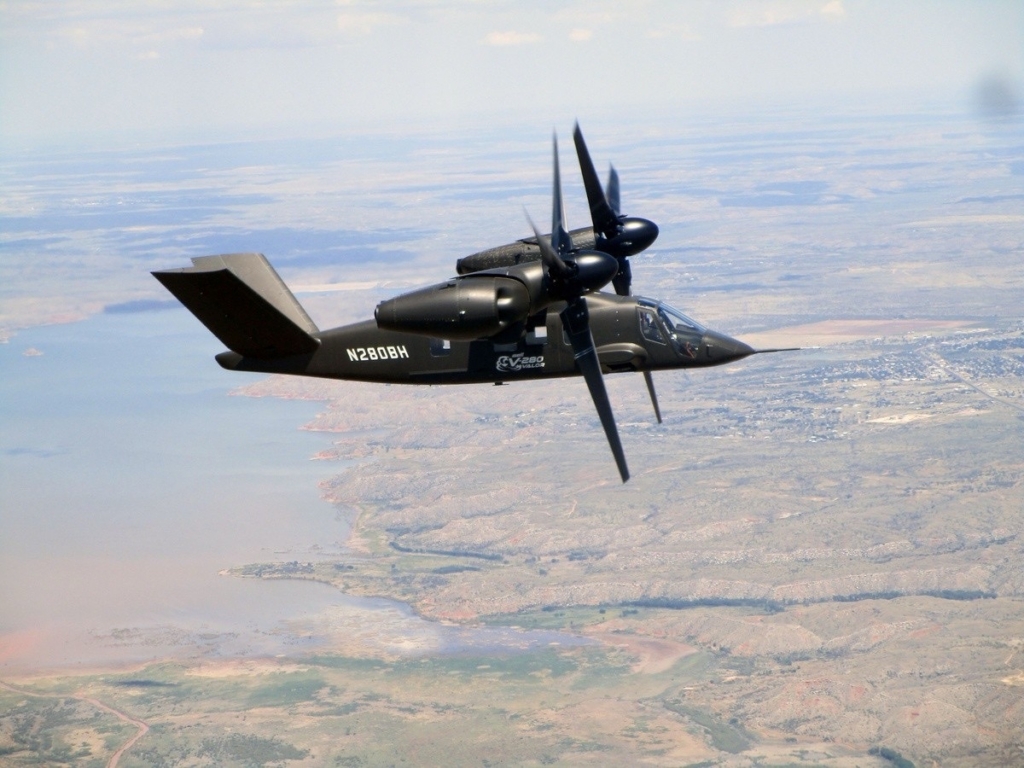
Derived from Bell’s V-280 Valor demonstrator, the medium-lift tiltrotor combines the vertical takeoff and landing capability of a helicopter with the speed and range of a fixed-wing aircraft.
The Army says the aircraft will fly twice as far and twice as fast as its current rotary-wing fleet while delivering improvements in payload and survivability.
“The MV-75 is a transformational aircraft that will provide our Joint Force with unparalleled versatility to dominate a wide array of mission sets,” said Col. Jeffrey Poquette, Project Manager for the MV-75 Cheyenne.
Why is the aircraft called Cheyenne II?
In April, the Army officially designated the aircraft the MV-75 Cheyenne II during the Army Aviation Association of America’s annual conference in Nashville.
The designation itself carries symbolic meaning. The “MV” identifies the aircraft as a multi-mission vertical takeoff platform, while “75” commemorates the Army’s founding year, 1775.
The Cheyenne II name honours the Northern Cheyenne Tribe of Montana and the Cheyenne and Arapaho Tribes of Oklahoma, continuing the Army tradition of naming aircraft after Native American tribes.
“The Cheyenne people represent a resilient warrior culture and embody the key attributes of the MV-75 — speed, reach, lethality, and adaptability,” said Army Acquisition Executive Brent Ingraham.
MG Clair Gill, Portfolio Acquisition Executive and commanding general at Fort Rucker, Alabama, added: “Representing the future of Army aviation, the MV-75 embodies the strength and versatility of the Cheyenne tribes. This aircraft will revolutionise how the Army fights and wins, delivering unmatched capabilities to the Joint Force and ensuring we maintain a decisive advantage on the battlefield.”
Cheyenne II moves toward flight testing
Completion of the first two wing structures moves the FLRAA program a step closer to an operational aircraft.
With wing, fuselage and nacelle assemblies progressing simultaneously, Bell is building the first test articles that will demonstrate the capabilities of the aircraft that the Army describes as a “game changer” for aviation.
Featured Image: Bell