A-10s, U-2s and F-15Es: What the US Air Force wants to retire in 2027

3 min read
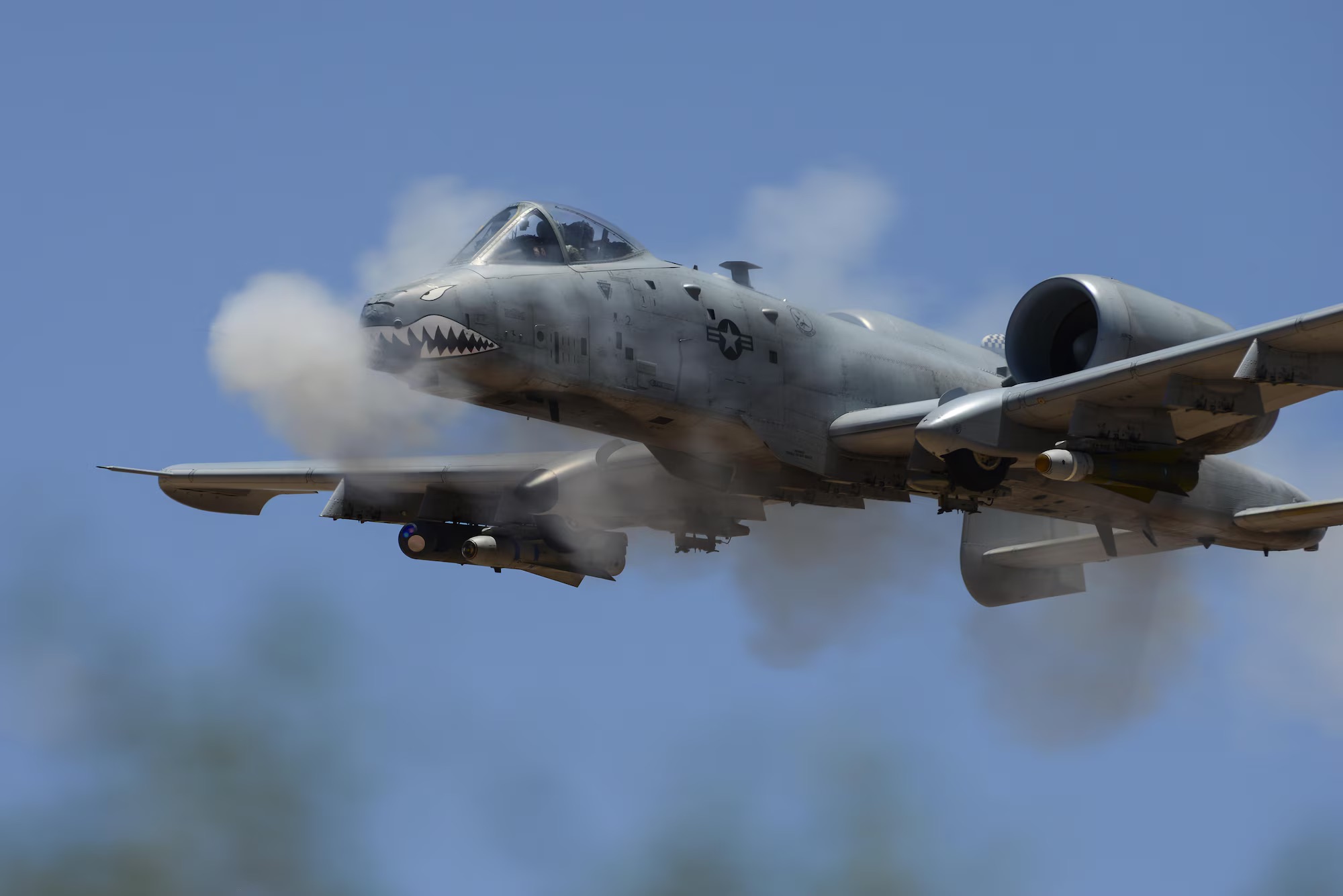
As the Air Force seeks to free up funds to purchase next-generation fighter jets and Collaborative Combat Aircraft, it is once again asking Congress for permission to retire older aircraft. Headline retirement figures are often more starting points for negotiation than actual planned divestments.
The Air Force’s request to retire 149 aircraft in Fiscal 2027
The annual dance and negotiations between the US Air Force and Washington over aircraft retirements for Fiscal 2027 are well underway. This year, the Air Force is seeking to retire a total of 149 aircraft. The current US aircraft inventory stands at around 4,000 aircraft (excluding trainers and UAVs).
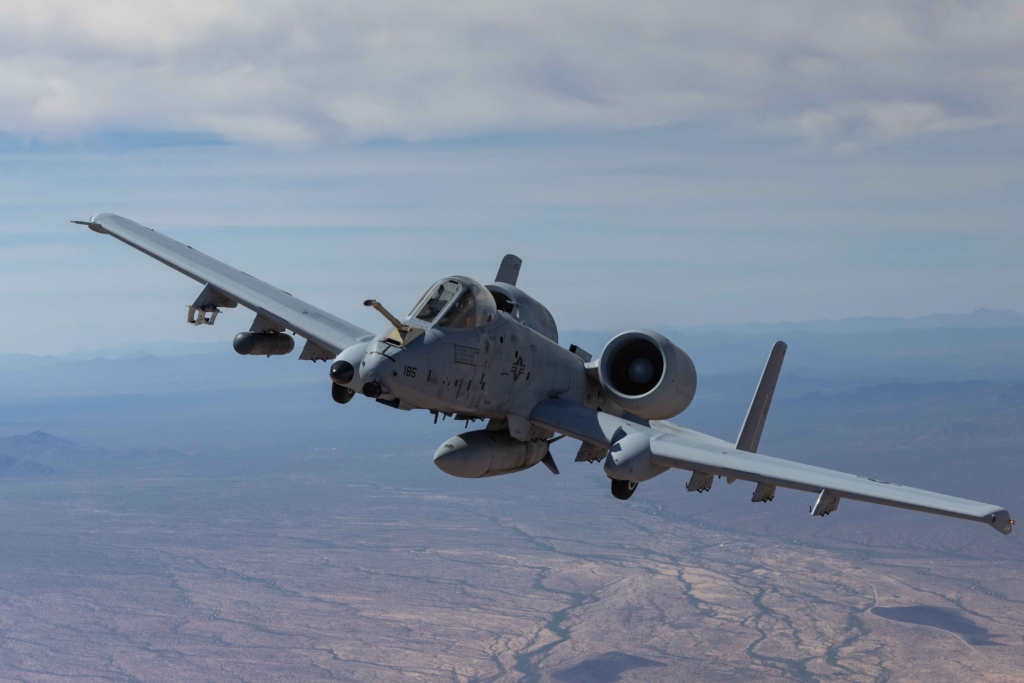
The proposed retirements include 49 A-10 Warthogs, 23 U-2 Dragon Ladies, 20 KC-135 tankers, 20 F-15Es, 16 C-130H legacy Herks, six F-16 Fighting Falcons, and others. In reality, only a percentage of these retirements are likely to be approved.
The proposed retirement number is a considerable drop from the Air Force’s initial Fiscal 2026 request to retire a whopping 336 aircraft. That number included 162 A-10 Warthogs (the entire fleet), 62 F-16C/D Fighting Falcons, 35 T-1A Jayhawks, 21 F-15Es, 13 F-15C/D Eagles, and others.
There are some interesting observations. The Air Force had asked in previous years (e.g., Fiscal 2023, 2024, 2025) to retire its 32 Block 20 F-22 Raptors used for training. These are not combat-coded.
Congress repeatedly blocked these retirements, and the Air Force seems to have given up retiring them, as it didn’t request their retirements in Fiscal 2026 and is not doing so in Fiscal 2027.
Request to retire older F-15Es and F-16s
The 2026 NDAA established a ceiling of up to 21 F-15Es in Fiscal 2027 and 30 in Fiscal 2028, for a total of 51 over the two years. So the 2027 request for 20 F-15E divestments appears to be in alignment. The USAF also lost at least four F-15Es during Operation Epic Fury.
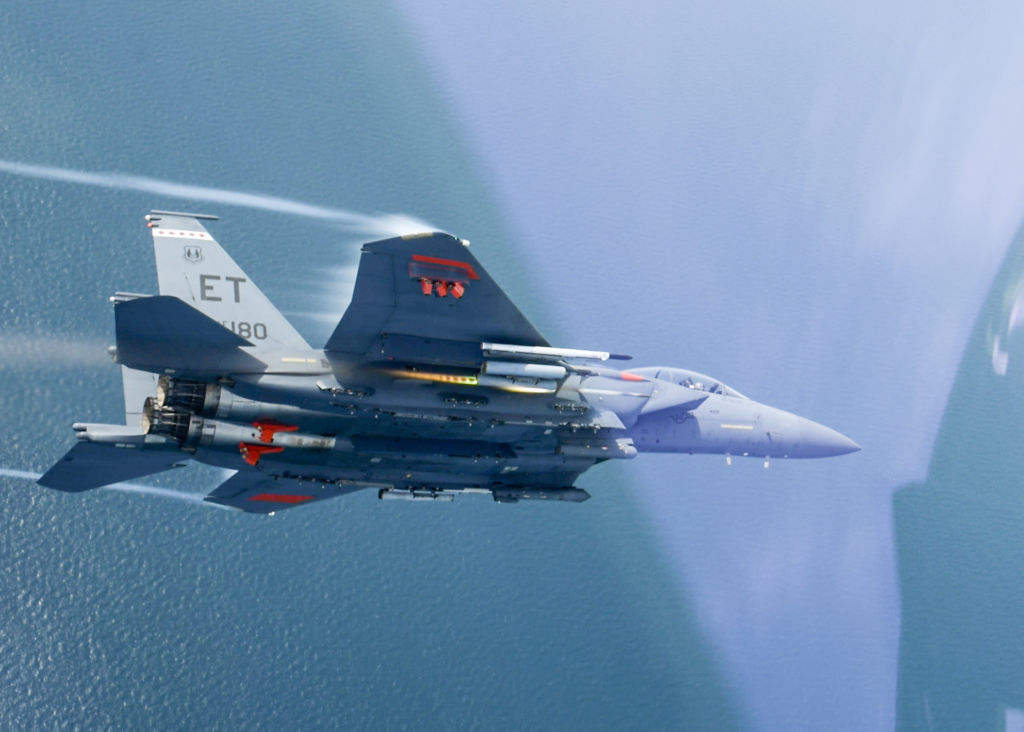
Congress has allowed the Air Force to phase out the remaining F-15C/D aircraft. Interestingly, the Fiscal 2027 request retains all 42 remaining F-15C/Ds.
The Air Force is raising its next-generation F-15EX Eagle II procurement target to 267 while also investing more to ramp up production.
Congress has also largely allowed the Air Force to divest its older F-16 Block 15, 25, and 30 aircraft as the Air Force upgrades its remaining newer Block Fighting Falcons.
In Fiscal 2025, the Air Force requested to retire 11 old F-16s; this was allowed. In Fiscal 2026, it asked to retire 62, and this appears to have been mostly allowed after no major block was put in its way (unlike the F-15Es).
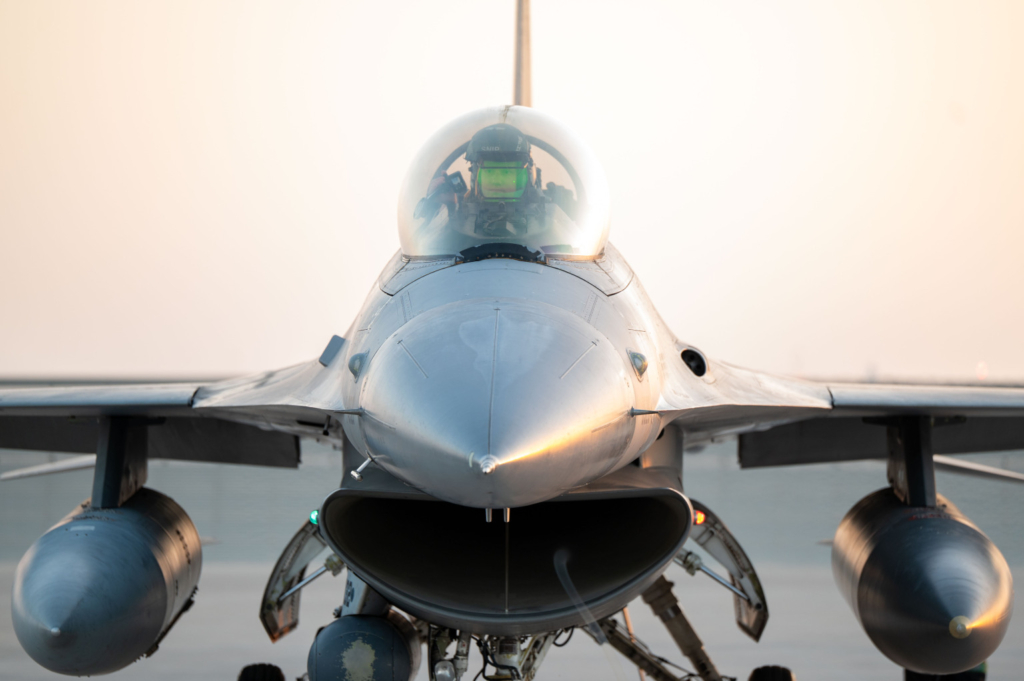
This year, the Air Force is asking to retire six more of its oldest F-16s. While Congress has not yet decided, recent patterns would suggest it will permit these.
Other 2027 Air Force retirement requests
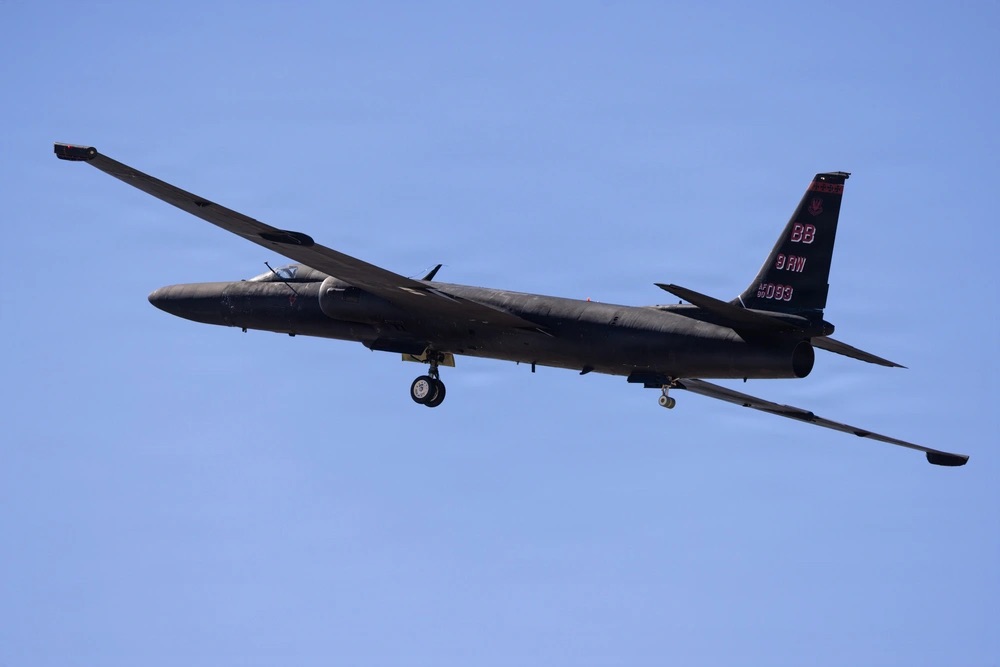
The Air Force has been seeking to retire its aging Lockheed U-2 fleet for years, with previous budget documents anticipating retirement in 2027.
However, far from approving the 23 retirements (full retirement by Fiscal 2030), Congress may approve some divestments but then require the Air Force to restore more Dragon Ladies, effectively increasing the fleet size.
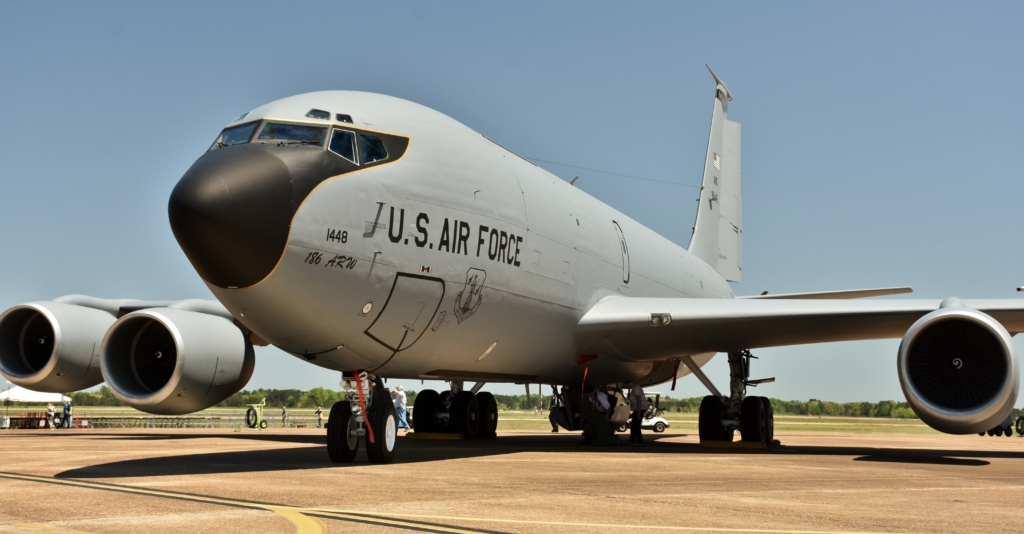
Based on past bills, it is likely Washington will approve the Air Force’s request to retire 49 A-10 Warthogs (about half of the fleet) and the 16 legacy Herks. The Air Force’s ability to retire KC-135s is constrained by the requirement to have 502 tankers (up from the previous 466-aircraft requirement) in service by October 2028.
A shorthand for Congress’ combat aircraft retirements in recent years has been an approved gradual Warthog, older F-15 blocks, F-15C/D (no sudden retirement), and delayed F-15E retirements, but no F-22 Block 20 retirements.
Sign up for our newsletter and get our latest content in your inbox.


More from

October 17, 20265 min read


October 17, 20264 min read