


US government moves to bail out Spirit Airlines with $500 million rescue package

5 min read
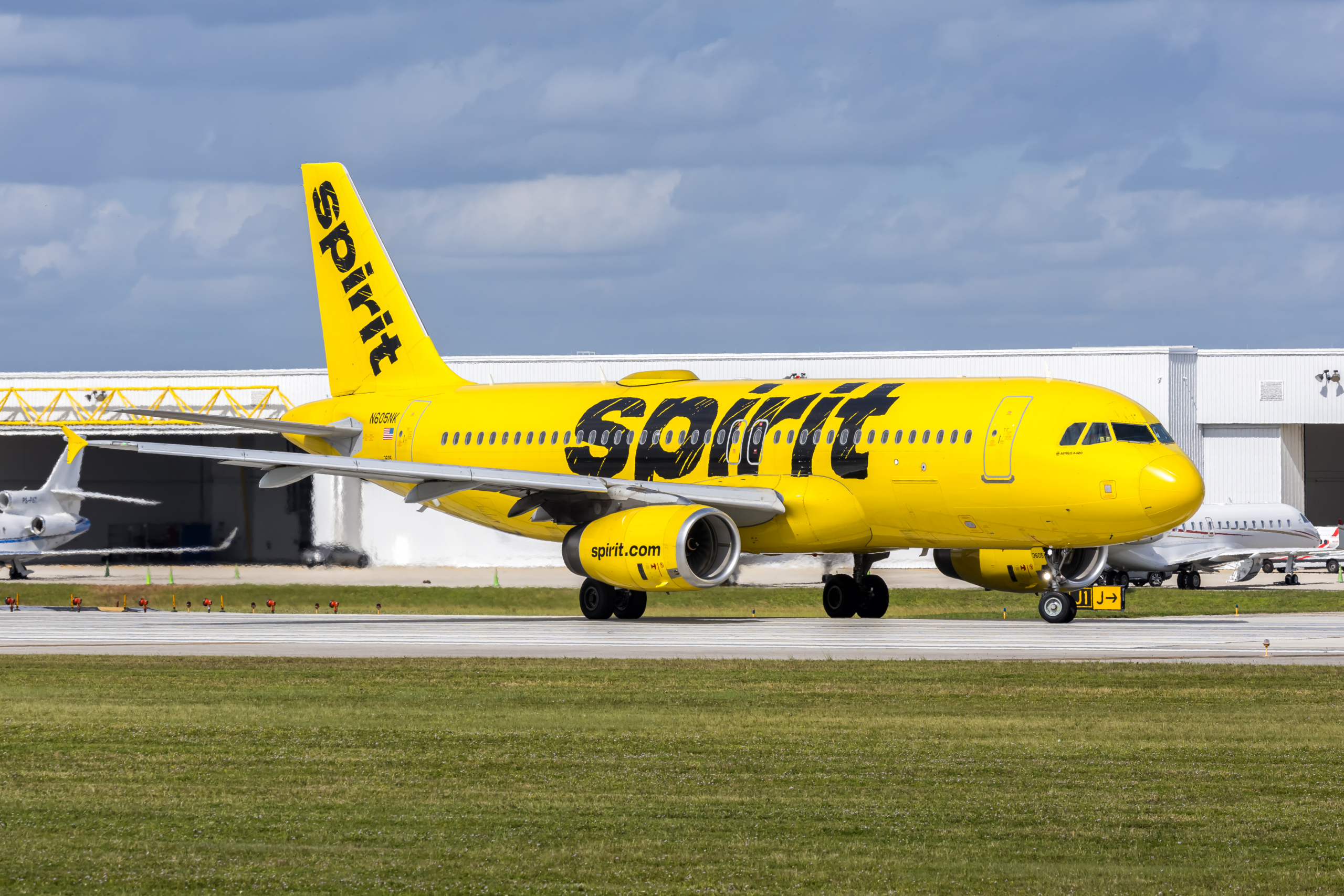
The Trump administration is reported to be in advanced talks to provide Spirit Airlines with a rescue package worth up to $500 million in order to save the carrier from failure.
Should any such deal go ahead, it would mark a rare shift in US government policy to intervene in the country’s commercial aviation sector, although the proposition is already drawing criticisms from various parties linked to the matter.
Trump administration in talks to rescue Spirit Airlines
The Trump administration is reported to be in advanced talks to provide Spirit Airlines with a rescue package worth up to $500 million in order to save the carrier from failure. The airline is currently in its second period of Chapter 11 bankruptcy and is close to liquidation, according to recent reports.
Additionally, the conflict in Iran has pushed the price of jet fuel to over double what it was at the start of 2026, with Spirit struggling to survive as a result.
According to Reuters on 22 April, under the terms of the agreement being discussed, the US government would loan the beleaguered budget carrier as much as $500 million, receiving in return warrants to take a potential significant stake in Spirit.
Any such deal, should it be approved, could potentially save the airline and secure many of the jobs of the 14,000 people currently employed by the airline.
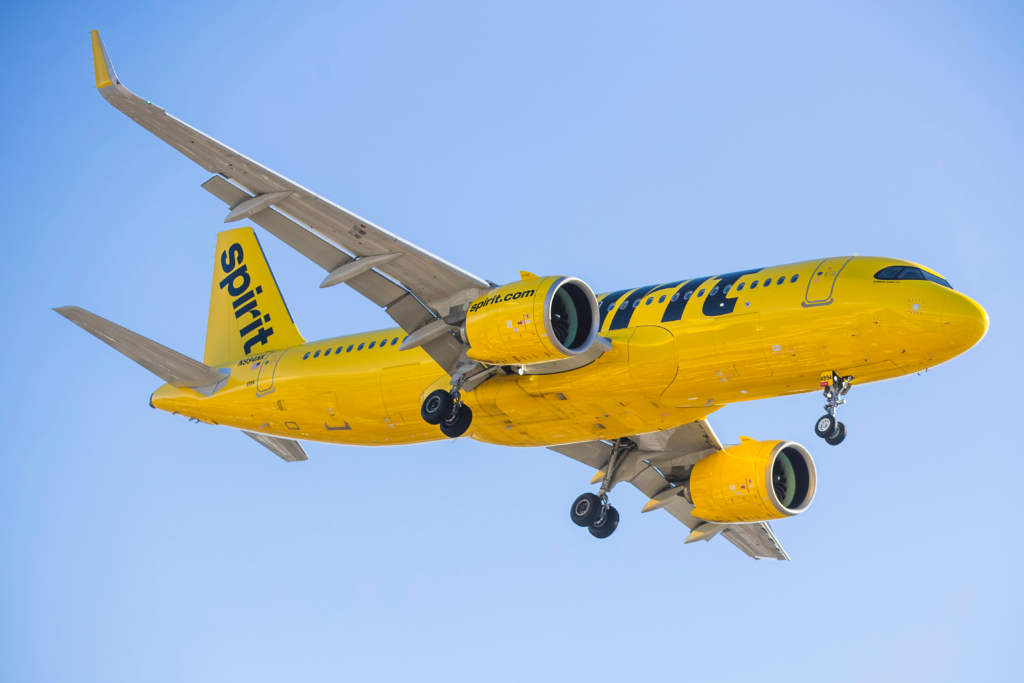
As reported by the Wall Street Journal, the Transportation Department and Commerce Department are involved in the discussions, which are said to be ongoing, with the final terms of any rescue deal yet to be finalised.
It is understood that President Trump met with Commerce Secretary Howard Lutnick and Transportation Secretary Sean Duffy on 21 April to discuss the matter, following which Trump told journalists that
“I think I would love somebody to buy Spirit. You know, Spirit is in trouble, and I would love someone to buy Spirit. It is 14,000 jobs, and maybe the federal government should help that one out. You know, tell my people.”
Adding to the speculation that a deal may be in the process of being worked out, on 22 April, White House press secretary Karoline Leavitt said, “This is something the Commerce Department and the president are tracking. The aviation industry is very important to this president and this White House. Millions of Americans depend on it.”
Any Spirit bailout proposal is not without its critics
While the talks proceed about how the US government may prop up Spirit Airlines in the interim, any question of a possible rescue package has already drawn criticism from both within the US government and the wider US airline industry.
Transportation Secretary Sean Duffy told Reuters in an interview on 21 April 21 that the US government does not simply want to risk pouring cash into an airline that may fail in any event, given current market conditions in the US aviation sector. Secondly, the intervention of the federal government to support just one airline could be seen as inequitable.
While the government has backed the US airline industry in the past, such as after 9/11 and the COVID pandemic, several airlines have benefited from support on those occasions, with support being provided on a relatively equal footing.
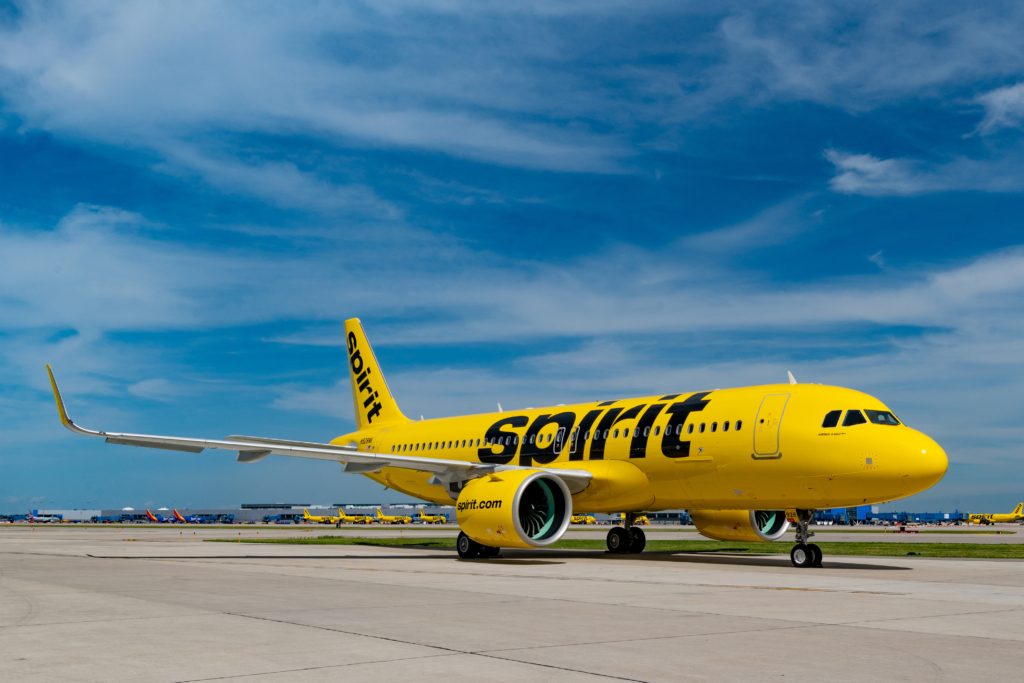
Meanwhile, CNBC reported that United Airlines CEO Scott Kirby opposes a bailout, arguing that the broader airline industry is not in a crisis severe enough to justify one. “Spirit’s real problem isn’t the run-up in fuel prices, but its business model,” added Kirby, which he described as “fundamentally flawed.”
Yet, some political commentators have opined that there could be more than simply saving the Spirit jobs at play, with party politics having a hand in the latest events. Previously, Trump administration officials have blamed the previous Biden administration for expediting Spirit’s decline into its current financial state.
In 2022, another US airline, JetBlue Airways, agreed to acquire an already struggling Spirit Airlines in a $3.8 billion takeover deal. However, the proposed merger was challenged by the US Justice Department (then operating under the Biden administration) after arguing that the merged carrier would lead to reduced competition in the US airline market and higher fares overall – an argument that was persuasive enough for a federal judge to put a halt to the merger.
“Spirit Airlines would be on a much firmer financial footing had the Biden administration not recklessly blocked the airline’s merger with JetBlue,” White House spokesman Kush Desai told WSJ reporters on 21 April.
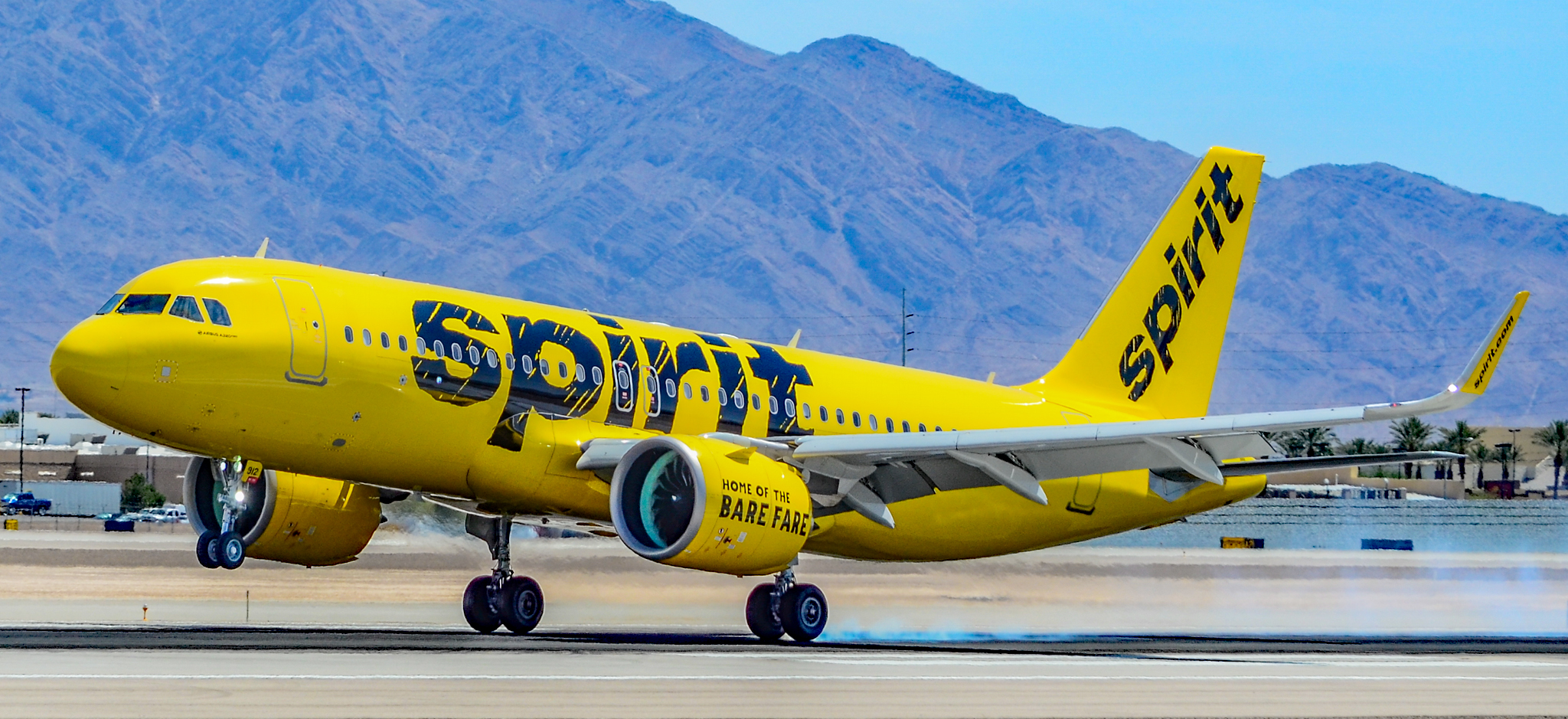
Other critics of the deal have stated that the US government, and particularly the Trump administration, “does not know the first thing about running a failing budget airline” and that free market economics should be left to decide the fate of the carrier.
Notably, shares in other US airlines fell after it was revealed that the Trump administration was contemplating a Spirit rescue bid. Frontier, one of Spirit’s main competitors for budget fares, declined 11.8%.
Other larger US airlines also fell in value, with United Airlines down 5.6%, Delta down 2.6% and American down 2.3%.
Spirit Airlines – from one crisis to the next
Since the blocking of the proposed merger, Spirit Airlines has limped on, seemingly from one crisis to the next, but all against the backdrop of losing money and having too high a cost base.
The carrier has faced dozens of its aircraft fleet being grounded as a result of Pratt and Whitney engine issues, with hundreds of pilots and cabin crew having to be furloughed as a result.

Similarly, the carrier has faced growing competition in its key markets, which has driven down air fares and left Spirit’s margins too slim for the airline to return to profitability. To try to turn its fortunes around, Spirit has been through two periods of Chapter 11 bankruptcy protection, with the second spell currently ongoing.
As a result, it has slashed its route network, cut bases, and is nearing the competition of reducing its aircraft by around half as it fights for survival. While the airline has previously intimated that it hoped to exit Chapter 11 by “early summer 2026”, with the high cost of fuel, this timeline is now thought by analysts to be highly optimistic.
Featured image: Markus Mainka / stock.adobe.com
Sign up for our newsletter and get our latest content in your inbox.


More from

October 25, 20265 min read


