Europe’s first all-electric cargo airline targets 2027 launch from Schiphol

3 min read
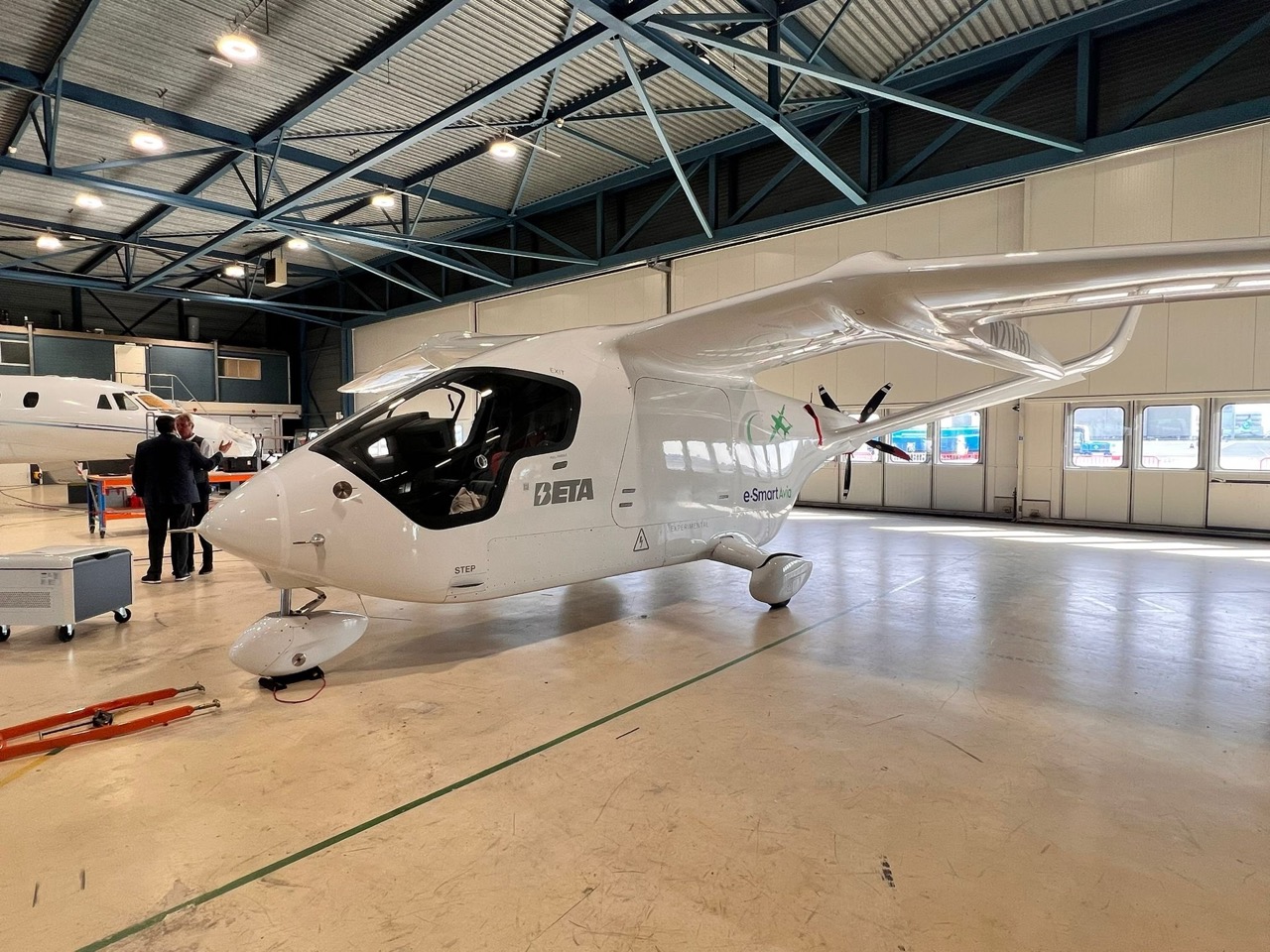
Europe’s first fully electric cargo airline has been unveiled at the Farnborough International Airshow. Dutch startup ClearSky Airlines aims to begin commercial operations in the third quarter of 2027 using BETA Technologies’ ALIA CX300 electric aircraft.
Announced during the UK-NL Zero Emission Flying Forum at Farnborough, the project will bring battery-electric aircraft into commercial freight operations.
Five electric aircraft to launch European cargo network
The airline, created by Netherlands-based e-Smart Avia, plans to launch an all-electric regional cargo network from Amsterdam Schiphol Airport with an initial fleet of five BETA ALIA CX300 conventional take-off and landing (CTOL) aircraft.
ClearSky Airlines will transport time-critical shipments weighing up to 500kg over routes of up to 500km, targeting sectors including healthcare, life sciences, aerospace, automotive, and high-value logistics.
The company says the electric aircraft’s low noise profile could also open opportunities for night-time cargo operations at airports where conventional aircraft face restrictions.
Amsterdam Schiphol will serve as the airline’s primary base, supported by additional operating locations across Europe. Alongside scheduled freight services for logistics partners, the carrier also plans to offer premium charter flights.
Longer term, ClearSky is exploring partnerships with long-haul airlines to provide electric “air feeder” services, connecting regional cargo markets with major international hubs.
ClearSky works towards AOC ahead of 2027 launch
The airline has been developed under the e-Smart Avia brand while securing aircraft deliveries, financing and its business model. The company is now shifting its focus to obtaining an Air Operator Certificate (AOC), recruiting its management team and signing launch customers.
Earlier this year, e-Smart Avia announced a partnership with aircraft leasing specialist SLI, which will provide financing for the initial fleet.
Commercial operations remain subject to regulatory approval, with certification targeted during 2027.
BETA ALIA aircraft to power zero-emission operations
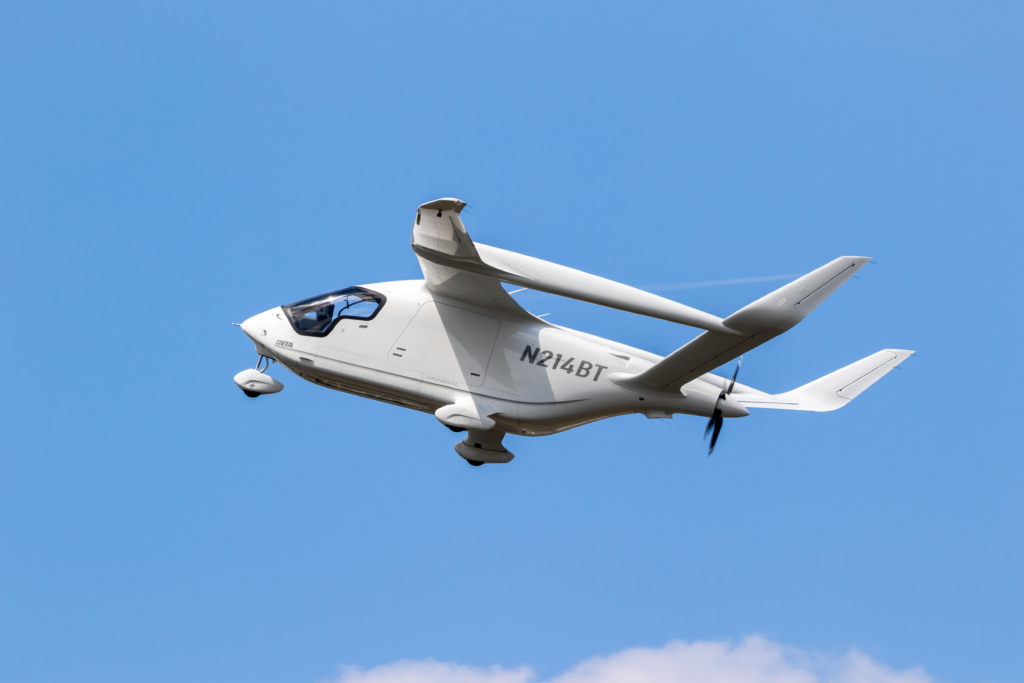
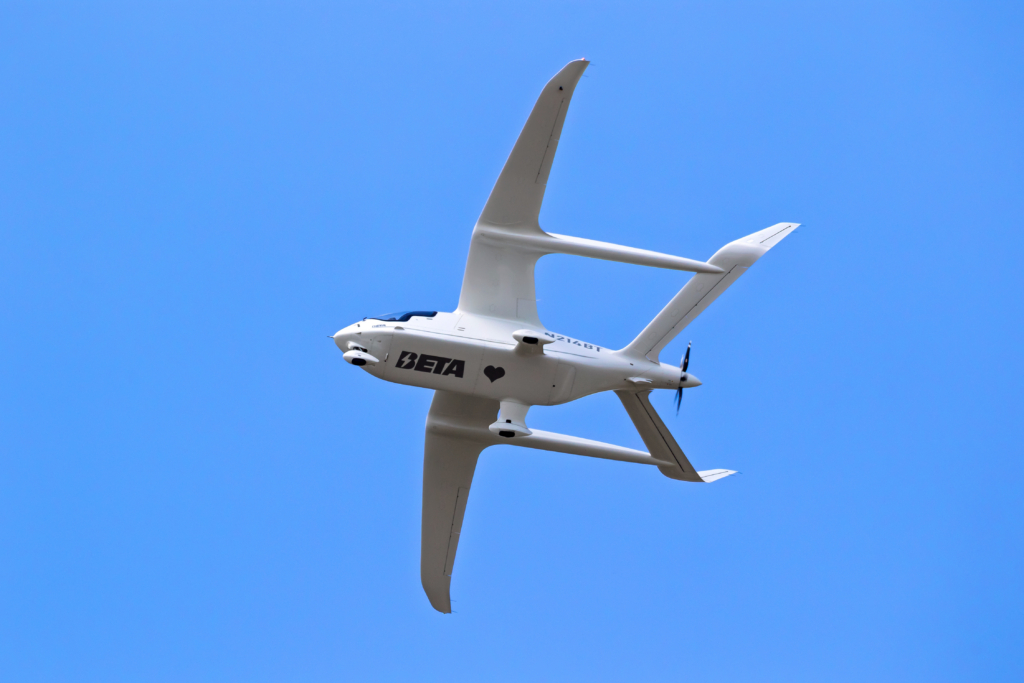
ClearSky Airlines will operate the BETA Technologies ALIA CX300, an all-electric fixed-wing aircraft designed for regional cargo and passenger missions.
The aircraft produces no direct CO₂ or nitrogen oxide (NOx) emissions during flight and significantly reduces noise compared with conventional turboprop aircraft.
While battery-electric aircraft remain limited by range and payload, they are increasingly being viewed as a viable solution for short regional freight missions where rapid, frequent flights are more important than carrying large volumes.
Founders outline expansion plans
Stan Wraight, co-founder of e-Smart Group, said the launch represents more than simply introducing electric aircraft into service.
“The launch of ClearSky Airlines is the pivotal moment not just to introduce electric aviation to the commercial market, but also to launch new air products like ‘air-feeder services’, which are too harmful for the environment and too expensive for the customers, if operated with conventionally powered aeroplanes,” Wraight said.
Jacques Heeremans, co-founder of e-Smart Group and e-Smart Avia, added that the Dutch operation is intended to become the foundation for wider international growth.
“ClearSky Airlines is the first step in the ambitious plans of the Group to make electric aviation a commercial reality. Based on the strategic partnership with SLI, e-Smart Avia is aiming to quickly grow its fleet and operations across mainland Europe using its Dutch-registered ClearSky Airlines, and expand beyond to other regions, including the UK, the Middle East, and North-East Asia,” Heeremans said.
ClearSky Airlines would be an early test case for electric aviation’s commercial viability, providing freight services on short-haul routes. If successful, it would become Europe’s first operator to deploy a dedicated fleet of battery-electric aircraft for scheduled regional cargo operations.