SoftBank and TOPPAN develop new HAPS material for long-duration stratospheric flight

5 min read
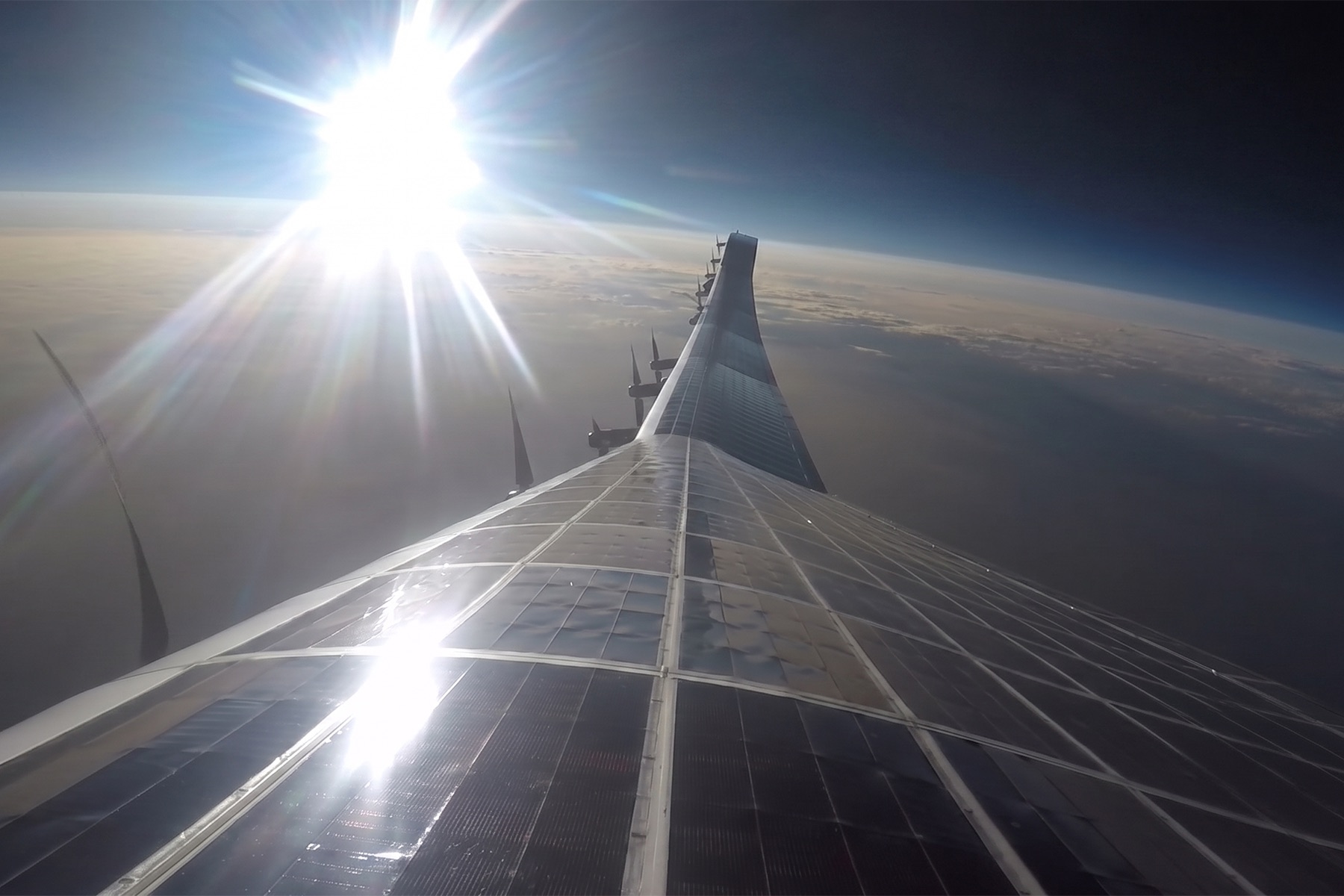
SoftBank Corp. and TOPPAN Holdings have developed a new lightweight, high-durability material designed for use on high-altitude platform system (HAPS) aircraft, addressing one of the key technical barriers to sustained operations in the stratosphere.
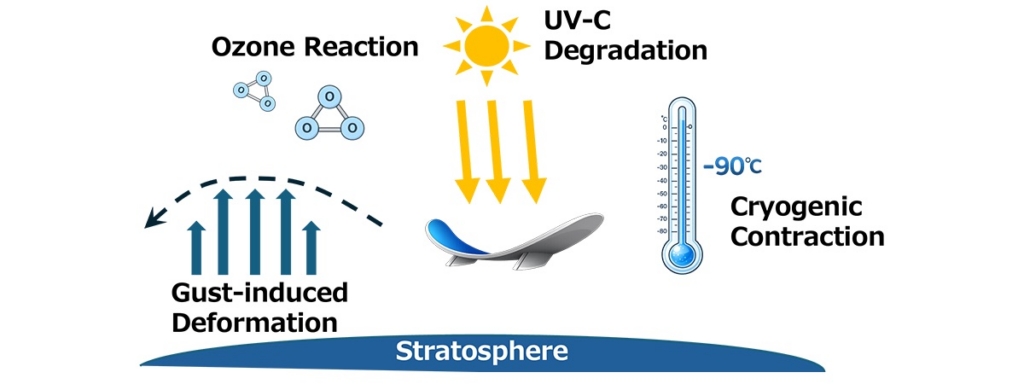
The two companies said the material intended for aircraft wing skins has been engineered to withstand extreme ultraviolet radiation, ozone exposure and temperatures that can drop to nearly minus 100 degrees Celsius, conditions that have long limited the operational life of such platforms.
The development comes as interest grows globally in HAPS as a complementary layer between terrestrial networks and satellites, particularly for communications and surveillance.
Stratospheric conditions push HAPS materials to their durability limits
Operating at altitudes of around 20 kilometres, HAPS platforms sit in a region of the atmosphere where environmental conditions are markedly different from those encountered by conventional aircraft.
At these heights, solar radiation is significantly stronger, ozone concentrations are higher and temperatures can swing from extreme cold to intense heat under direct sunlight.

According to the companies, conventional materials used for aircraft structures degrade under prolonged exposure to these conditions, affecting both performance and endurance.
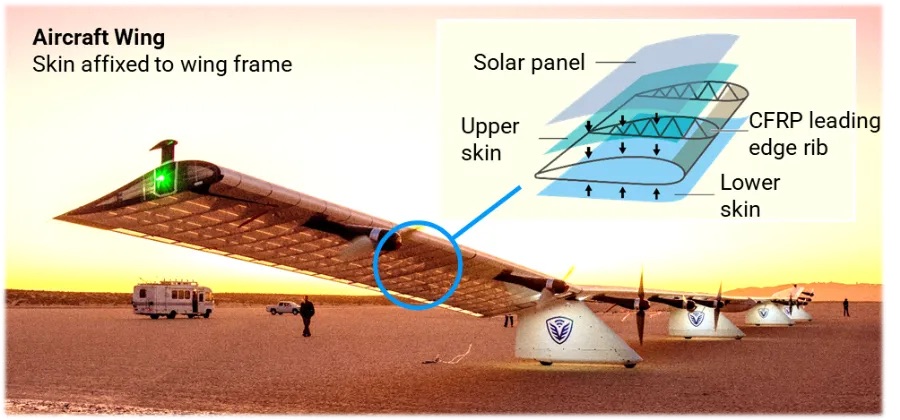
To address this, the new wing skin uses layered film structures and impact-resistant resins derived from TOPPAN’s materials technology, combined with operational data gathered from SoftBank’s HAPS flights.
The result, they say, is a structure that maintains strength while remaining lightweight, critical for aircraft designed to remain airborne for weeks or months.
Testing method replicates the stratospheric environment to validate long-duration performance
Alongside the material itself, the companies have developed a new testing method that simulates the combined effects of ultraviolet radiation, ozone and ultra-low temperatures.
The approach allows engineers to observe how materials degrade under conditions that closely resemble those in the stratosphere, something that has historically been difficult to replicate accurately on the ground.
The testing environment incorporates exposure to short-wave UV radiation and ozone concentrations significantly higher than those found at ground level, while also cycling temperatures across a wide range.
This, the companies said, enables more precise evaluation of long-term durability and supports refinement of the material for extended missions.
What are HAPS aircraft and how do they operate in the stratosphere?
High-altitude platform systems occupy a distinct niche in the aerospace and communications landscape.
Defined by the International Telecommunication Union as radio stations operating at altitudes between 20 and 50 kilometres, HAPS platforms function as “base stations in the sky,” providing connectivity over wide areas while remaining closer to Earth than satellites.
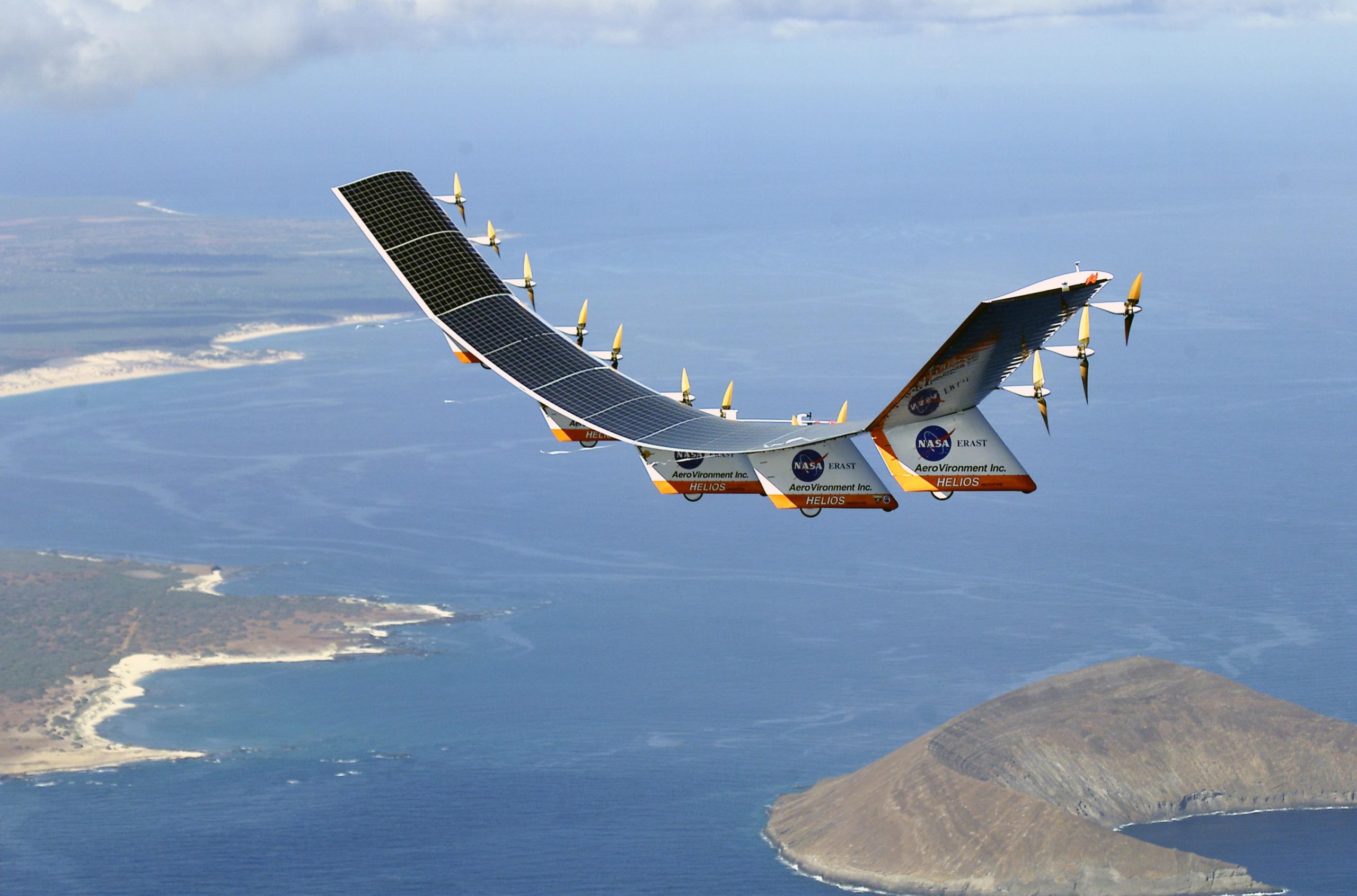
They are designed to deliver broadband connectivity, backhaul links and emergency communications, particularly in regions where terrestrial infrastructure is limited or damaged.
Because of their altitude, a single HAPS platform can cover a large geographic area, offering a combination of wide coverage and relatively low latency compared with satellite systems.
Different types of HAPS platforms reflect varying approaches to endurance and payload
HAPS systems broadly fall into two categories.
Heavier-than-air platforms resemble aircraft and rely on aerodynamic lift. These include solar-powered unmanned aircraft with long wingspans designed to remain airborne for extended periods using solar energy during the day and stored energy at night.
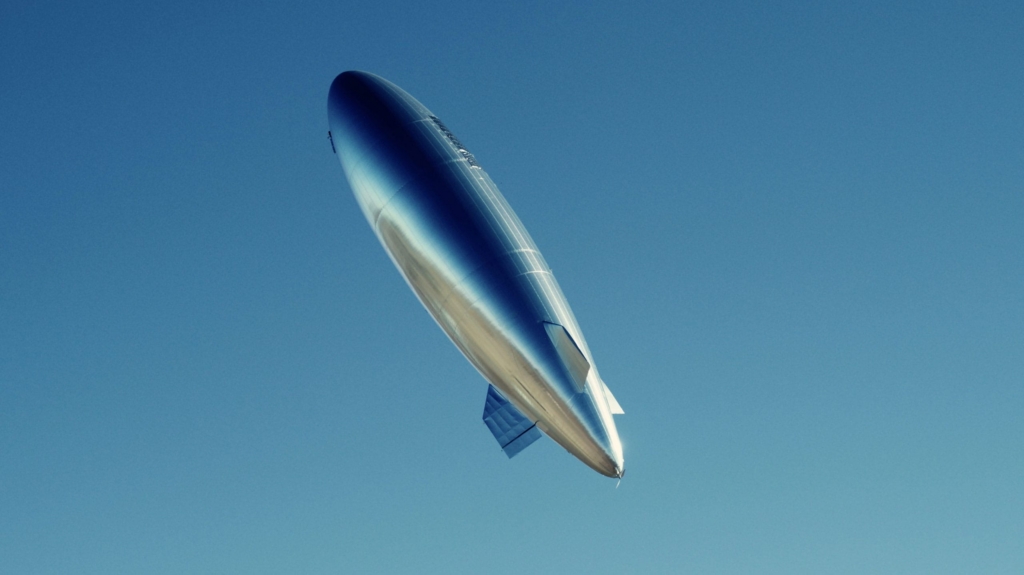
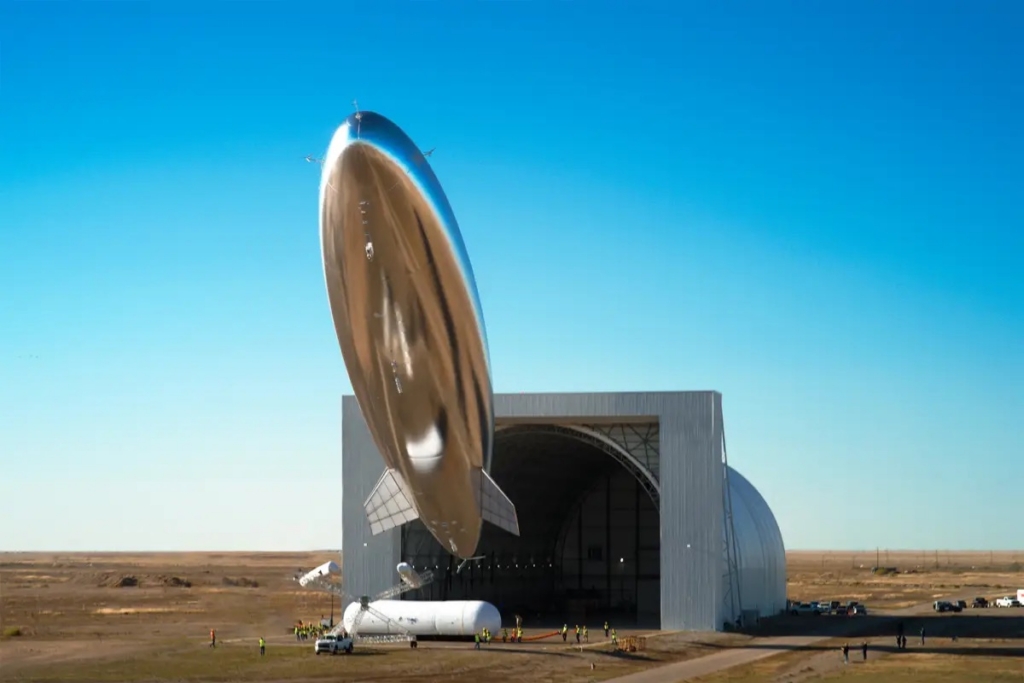
The alternative approach involves lighter-than-air platforms, such as balloons or airships, which remain aloft through buoyancy. These systems can carry larger payloads but may be more susceptible to atmospheric conditions.
SoftBank’s focus is on heavier-than-air (HTA) systems, which offer greater control over positioning and are better suited to providing consistent communications coverage over fixed areas.
SoftBank has contributed real-world data from its stratospheric HAPS flights, including actual temperature measurements and deep ultraviolet (UV-C) ray exposure conditions, and has also defined requirements such as weight reduction and other performance criteria.
This has enabled TOPPAN Holdings to design a skin that addresses exposure to the harsh environmental conditions of the stratosphere by applying technology developed for construction materials.
HAPS are gaining traction for broadband and remote connectivity
The push towards HAPS reflects growing demand for broadband connectivity in remote and underserved regions.
While satellites have traditionally filled this role, HAPS platforms offer a different set of trade-offs-lower latency, easier deployment and the ability to integrate more directly with terrestrial mobile networks.
According to the ITU, HAPS can support both direct broadband access for users and backhaul links connecting mobile networks to core infrastructure, helping extend coverage into mountainous, coastal and rural areas.
They are also seen as a potential solution for disaster recovery, where ground infrastructure may be damaged and rapid deployment is required.
HAPS technology advances bring stratospheric communications closer to deployment
Although the concept of HAPS dates back several decades, practical deployment has been limited by technical constraints.
Recent advances in solar panel efficiency, battery energy density, lightweight materials and autonomous flight systems have begun to change that equation.
SoftBank said the newly developed wing skin will now move into test production, with further work planned to improve durability and reduce weight ahead of commercial deployment.
The company has indicated that HAPS-based services could be introduced from 2029, suggesting a gradual transition from experimental platforms to operational systems.
Despite progress, sustaining long-duration flight in the stratosphere remains one of the central challenges for HAPS systems.
Aircraft must balance weight, power generation and structural durability while operating in an environment that places continuous stress on materials.
The development by SoftBank and TOPPAN addresses one part of that equation, which is material resilience, but integration with propulsion, energy storage and communications payloads will determine overall system performance.
A platform between air and space as HAPS development gathers pace globally
HAPS platforms are increasingly seen as part of a layered communications architecture that includes terrestrial networks, drones and satellites.
Positioned between aircraft and space systems, they offer a flexible option for extending connectivity without the cost and complexity of launching satellites.
As regulatory frameworks evolve and technology matures, the focus is shifting from demonstration to deployment.
The new material represents a step towards solving one of the more persistent engineering challenges.
If it performs as intended, it could help keep HAPS aircraft in the stratosphere longer, bringing the idea of continuous, high-altitude connectivity closer to reality.
Featured image: Softbank
Sign up for our newsletter and get our latest content in your inbox.


More from


October 13, 20263 min read

October 13, 202612 min read
October 13, 202612 min read