Fuel dump: Which aircraft can dump fuel and how does it work?

3 min read
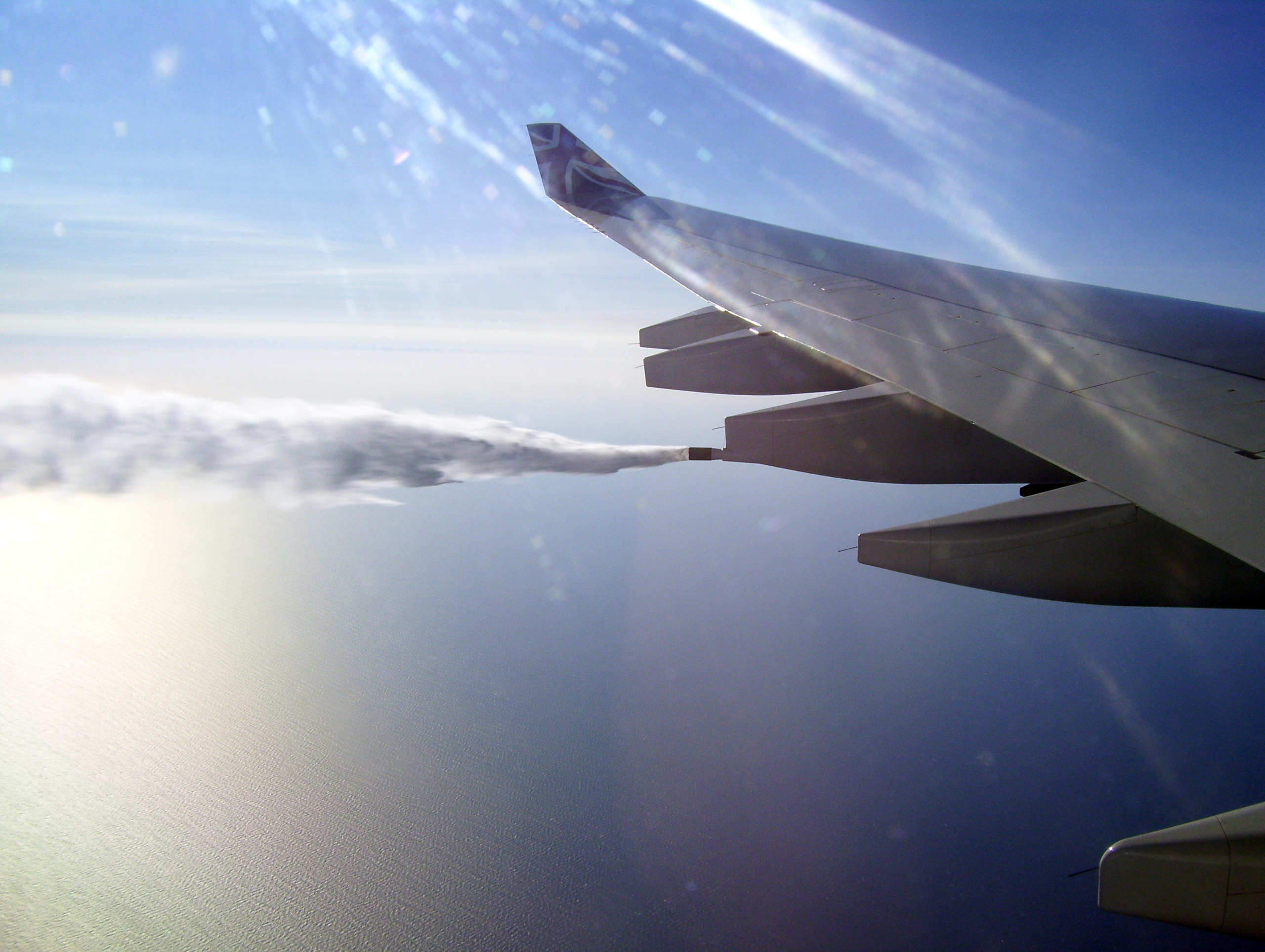
While it isn’t used very often, the ability to dump aviation fuel can be critical in certain emergency situations. Not all aircraft are built with this capability, and when it is used, it follows very specific rules to protect people on the ground as well as the environment.
Why do aircraft need to dump fuel?
The main reason aircraft dump fuel comes down to weight and balance limits. Large aircraft are often significantly heavier at take-off than they are allowed to be when landing. This is particularly true for long-haul flights that depart with many tonnes of fuel onboard.
If a serious issue occurs shortly after departure, such as a technical problem, engine issue or medical emergency, the crew may need to return to the airport as soon as possible.
Rather than flying for several hours to burn fuel, dumping fuel allows the aircraft to quickly reduce weight to within safe landing limits.
United Airlines flight 803 operated by a Boeing 777-224(ER) aircraft (N78004) from Dulles International Airport (IAD) remained on a holding pattern for around 45 minutes to dump fuel before the emergency landing at IAD / Runway 1R.#aircraft pic.twitter.com/QKIiAxGrNg
— FL360aero (@fl360aero) December 13, 2025
One recent example, in December 2025, is of United Airlines Flight 803 – a Boeing 777-200ER flying from Washington Dulles to Tokyo Haneda.
Suffering an engine failure shortly after takeoff and with a heavy fuel load, the crew dumped fuel in a holding pattern over northern Virginia. It then returned safely to Dulles and landed within weight limits, with no injuries reported.
Which aircraft are equipped with fuel dump systems?
Fuel dump systems are typically found on large, long-range aircraft. Most widebody passenger jets have this capability, including the Boeing 777, and 787 Dreamliner, as well as the Airbus A330, A340, A350 and A380.
Many military transport and tanker aircraft are also fitted with similar systems.
Unlike widebodies, most narrowbody aircraft do not have fuel dumping capability. That’s because aircraft such as the Boeing 737 and Airbus A320 family are designed to land safely at or near their maximum take-off weight if necessary.
Whilst heavy landings in narrowbody aircraft aren’t ideal, they don’t require fuel to be jettisoned.
How does aircraft fuel dumping work?
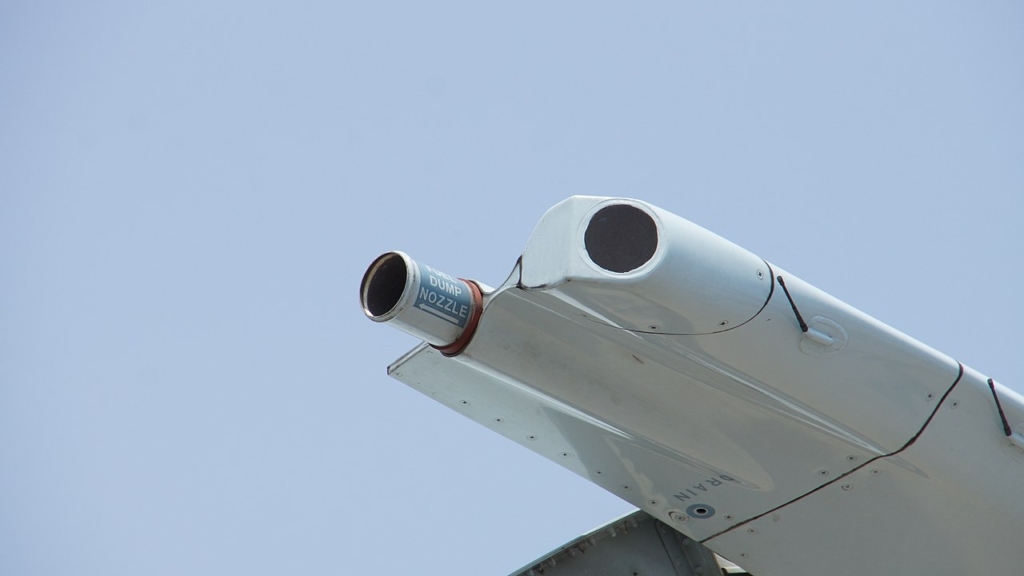
When a fuel dumping system is activated, fuel is pumped from the aircraft’s tanks and expelled through dedicated nozzles, usually positioned near the wingtips or along the trailing edge of the wings. This location means that the fuel disperses rapidly into the airflow and away from the fuselage.
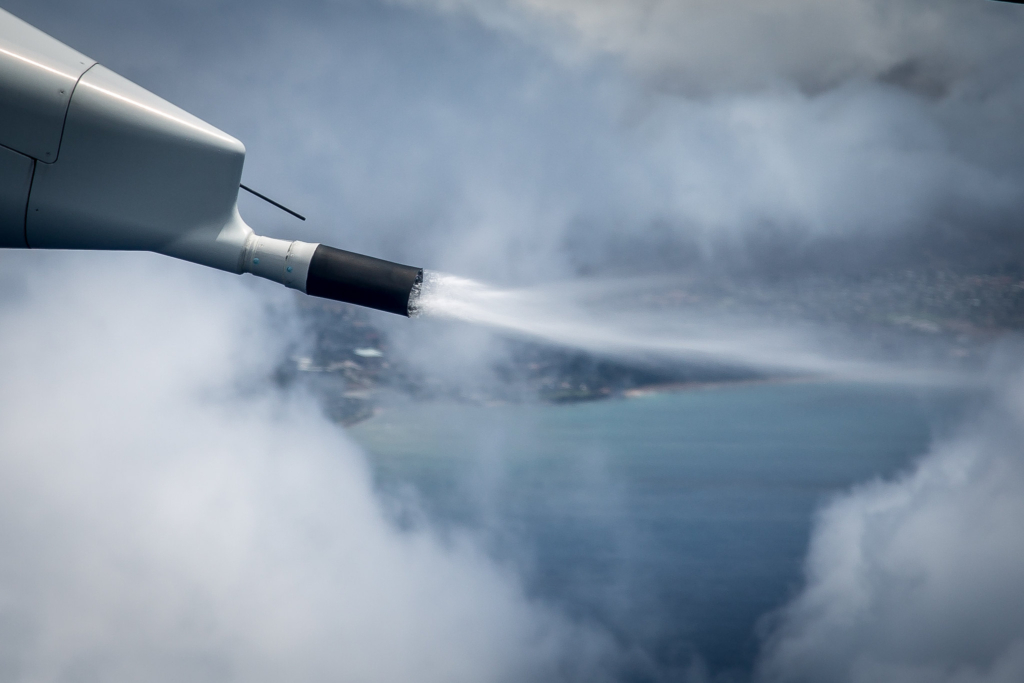
On modern aircraft, pilots can select a target landing weight, and the system automatically manages the dumping process. Once the desired weight is reached, the system closes off without further crew input.
Is fuel dumping dangerous or harmful?
Despite its apparent simplicity, the decision to dump fuel isn’t taken lightly. Fuel dumping also doesn’t come cheap, with jet fuel costing approximately $1,000 per tonne.
Air traffic control must be informed, and dumping is carried out at high altitude whenever possible. At these heights, the fuel breaks into fine droplets and evaporates before reaching the ground.
Fuel must also only be dumped away from populated areas. This is not just for human safety, but also to reduce the impact on the environment.
How often does fuel dumping actually happen?
Fuel dumping isn’t particularly common, as many in-flight issues can be managed without an immediate return to the departure airport. When fuel is dumped, it is because safety considerations make a prompt landing the best option.
Essentially, fuel dumping is a specialised tool designed for exceptional circumstances, giving flight crews vital options when time and safety are critical.
Featured image: Air France