


Do business jets fly higher than commercial aircraft?

3 min read
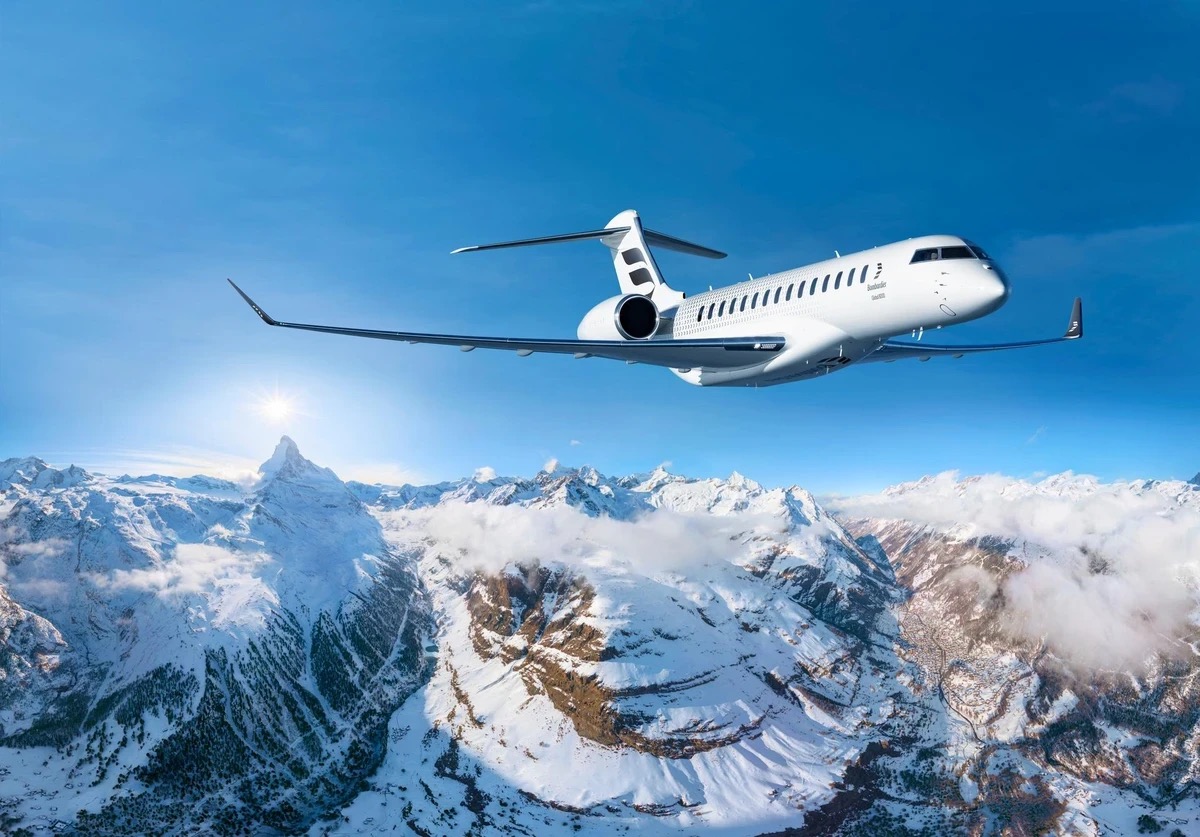
If you’ve ever looked out of an airliner window and wondered why smaller business jets sometimes appear to cruise above commercial flights, the answer is usually yes — business jets are typically designed to fly higher.
But the reasons have less to do with prestige and more to do with aircraft design, airspace structure and the very different missions these aircraft are built to perform.
How high do commercial passenger aircraft fly?
Commercial airliners usually cruise somewhere between 35,000 and 39,000 feet. In certain situations, particularly on long-haul flights with lighter loads later in the flight, they may climb to around 41,000 feet.
These altitudes offer a balance between fuel efficiency, engine performance and the practical realities of flying in crowded airspace.
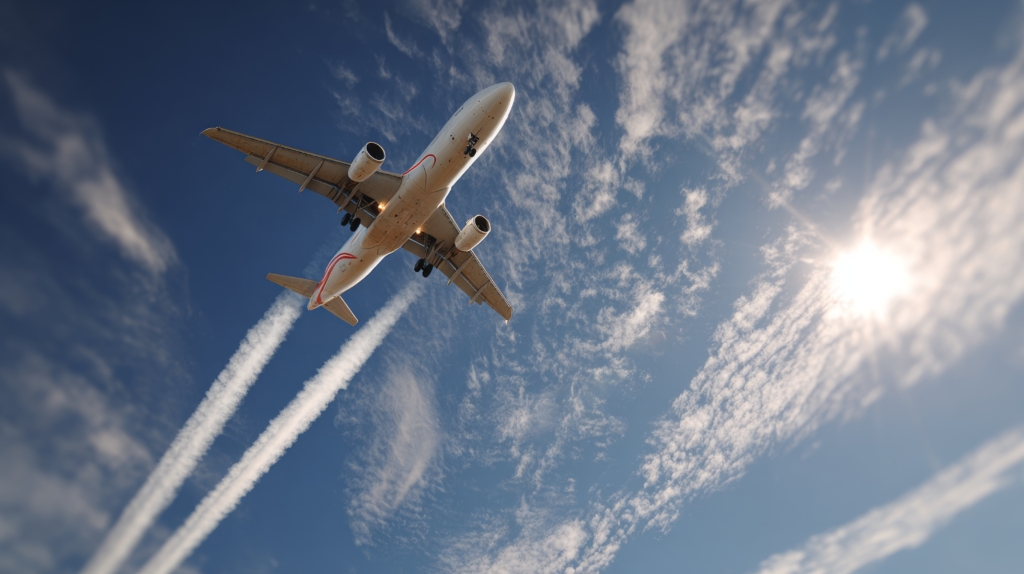
An airliner’s cruise level is not fixed. Aircraft departing on long-range routes often begin at lower altitudes due to heavy fuel loads and then climb gradually as weight reduces. This gradual step-climb helps airlines maximise efficiency over the course of a flight.
Why are business jets designed to fly higher?
Many business jets are built to cruise much higher than commercial airliners, often around 45,000 feet, and some of the latest long-range models can reach close to 51,000 feet when conditions allow. Boom has even eyed supersonic business jets with its NBAA-BACE debut last year.
Because they’re lighter and carry fewer passengers, business jets can more easily take advantage of the thinner air at higher altitudes.
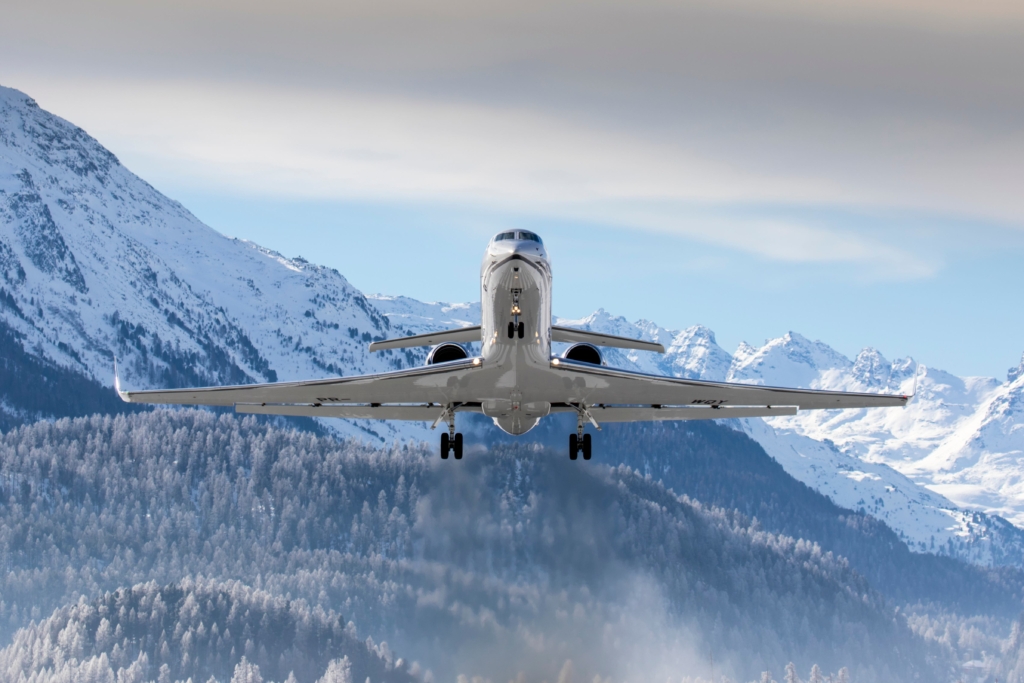
Flying higher improves fuel efficiency and allows for faster cruising speeds. It also helps jets avoid turbulence and certain weather systems, providing a smoother, more comfortable ride.
The role of air traffic control and airspace
Air traffic control has a big influence on how high planes can fly. Commercial airliners follow strict route networks, especially over busy areas like Europe and North America, and assigned flight levels help keep aircraft safely separated.
This structure can limit how flexible airlines are in choosing their cruising altitude.
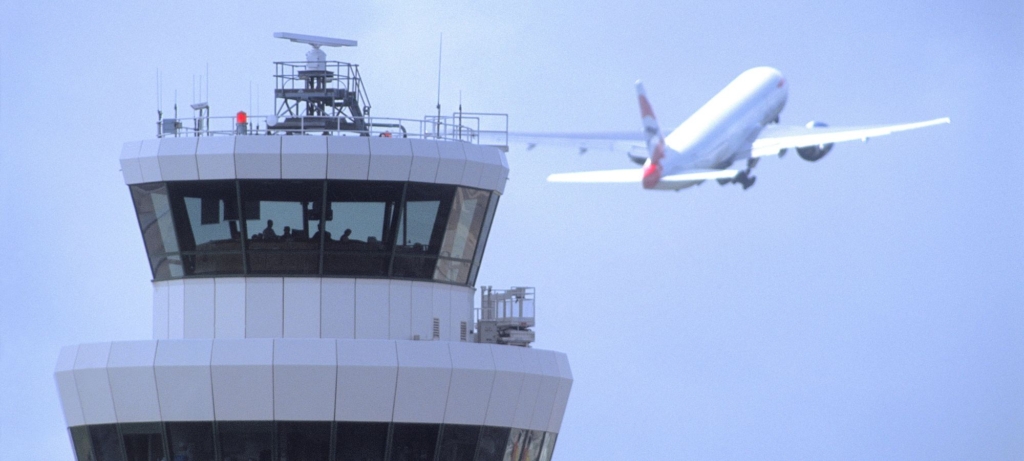
Business jets, on the other hand, often fly direct, point-to-point routes and can sometimes avoid the busiest airways. That flexibility allows pilots to climb higher when the airspace and conditions allow, particularly on long-distance flights across continents or oceans.
Are there times when business jets don’t fly higher than commercial aircraft?
Even with their high-altitude capabilities, business jets don’t always fly above commercial airliners. On shorter flights, there’s often not much advantage to climbing very high, and factors like hot weather or airports at high elevations can limit performance.
At the same time, some commercial planes – especially long-range widebodies carrying lighter loads – can reach altitudes similar to business jets. In those situations, the difference between the two types of aircraft becomes much less noticeable.
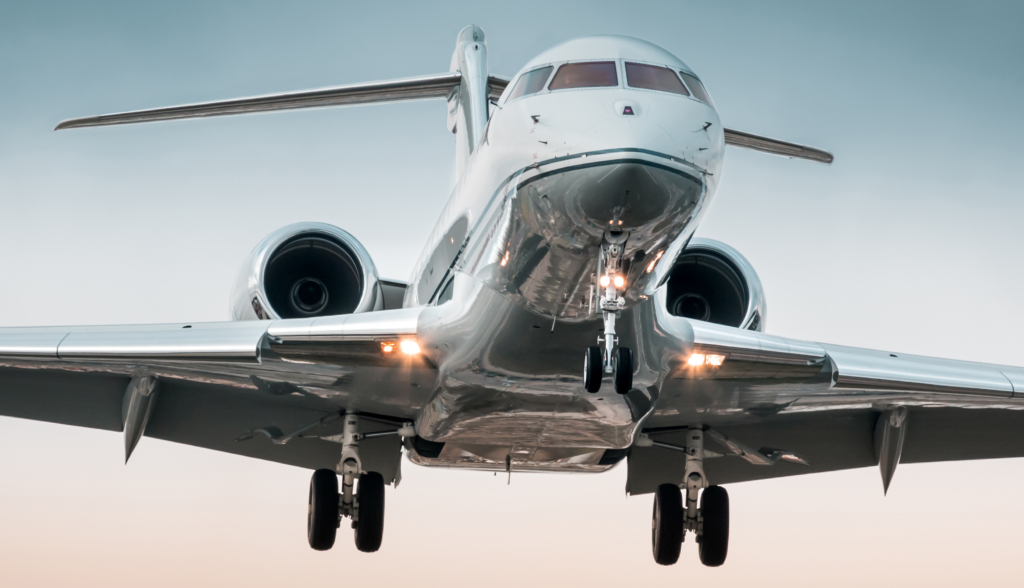
Aircraft design allows business jets to fly higher
Aircraft design also plays a role in why business jets often fly higher. Their fuselage structure is better optimised for efficient performance at higher altitudes.
A jet such as a Gulfstream G650 can have a higher maximum differential pressure (that’s the difference between the pressure in the cabin versus the outside) of up to 10.7 psi, whereas a typical airliner may only have 8 psi.
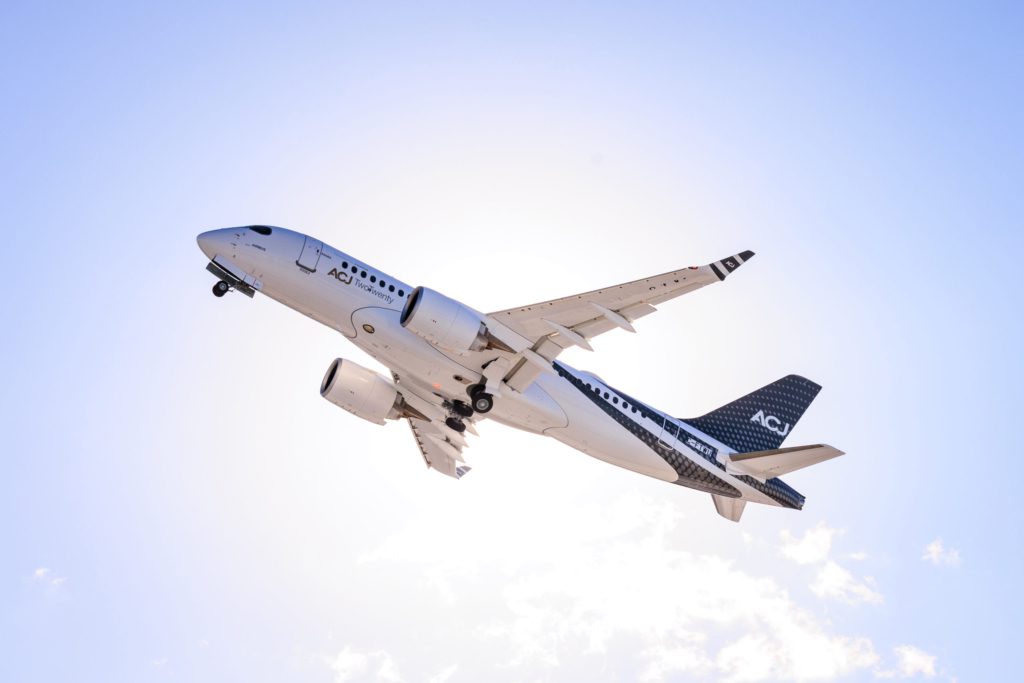
The corporate jet version of the Airbus A320, the A320 ACJ, can fly up to 41,000ft, whereas a standard airline A320 is limited to 39,000ft.
It’s less about one being better than the other and more about the different jobs these aircraft are designed to do.
Flying higher for comfort and efficiency
Flying at higher altitudes can offer smoother journeys, fewer weather-related disruptions, and sometimes shorter flight times. These benefits are right in line with the main goals of business aviation: saving time and making the flight as comfortable as possible.
On the whole, business jets do tend to fly higher than commercial aircraft, but it’s not always the case. Airlines aim to move large numbers of passengers efficiently across busy networks, while business jets use higher altitudes to offer speed, flexibility and a more comfortable, premium passenger experience.
Featured image: Bombardier
Sign up for our newsletter and get our latest content in your inbox.


More from


September 17, 20265 min read

September 17, 20263 min read


September 18, 20263 min read

