


Gone but not forgotten: the aircraft we loved but can fly no more

7 min read

Airbus, Boeing and Embraer tend to dominate the airline industry, but there were plenty of other aircraft before them that helped shape the world of air travel as we know it.
Here’s a nostalgic look back at some of the classic airliners that made their mark in the years after the Second World War.
Concorde
Entering commercial service in 1976 until its rather premature retirement in 2003, the BAC/Aerospatiale Concorde is one of the most, if not the most, beautiful civil jet ever.
An unprecedented partnership between British Airways and Air France, Concorde was certainly ahead of its time. Twenty Concorde aircraft were built: two prototypes, two pre-production aircraft, two development aircraft, and 14 production aircraft for commercial service.
This incredible feat of engineering flew faster than a rifle bullet and carried more than 2.5 million passengers across just under 50,000 flights. With its world-leading technology, aerodynamics and propulsion it was also the first airliner to have a “Fly-By-Wire” control system.
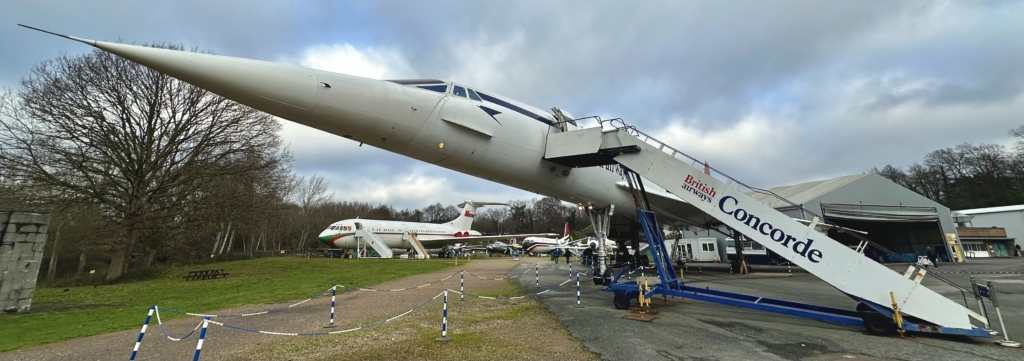
Loved by its passengers and crew, Concorde was a business tool that made “time travel” a possibility. You could leave London and arrive in New York before you left, with a flight time of just three and a half hours.
Vickers VC-10
With the slogan “Try a little VC-tenderness”, the Vickers VC-10 became one of the most comfortable airliners of its era. Its four rear-mounted Rolls-Royce Conway engines made for a quieter cabin and gave it excellent performance in hot and high conditions, making it popular with BOAC, later British Airways, and airlines across Africa and the Middle East.

The final VC-10s served with the Royal Air Force as air-to-air refuelling tankers and transport aircraft, even operating regular flights between RAF Brize Norton and Washington. Cruising at Mach 0.92, it was the second-fastest way across the Atlantic after Concorde.
The last RAF aircraft retired in 2013, more than 50 years after the VC-10’s first flight. Both aircraft can still be seen at Brooklands Museum in Surrey.
British Aerospace BAe 146 / Avro RJ
The last civil jet airliner to be built in Britain, this four-engined regional jet boasted a spacious cabin and low exterior noise levels.
Entering service in the early 1980s, it was the first jet aircraft to operate from London City Airport with its short runway and steep approach. It was also used by the Royal Air Force’s Queen’s Flight and flew the Royals on many occasions.
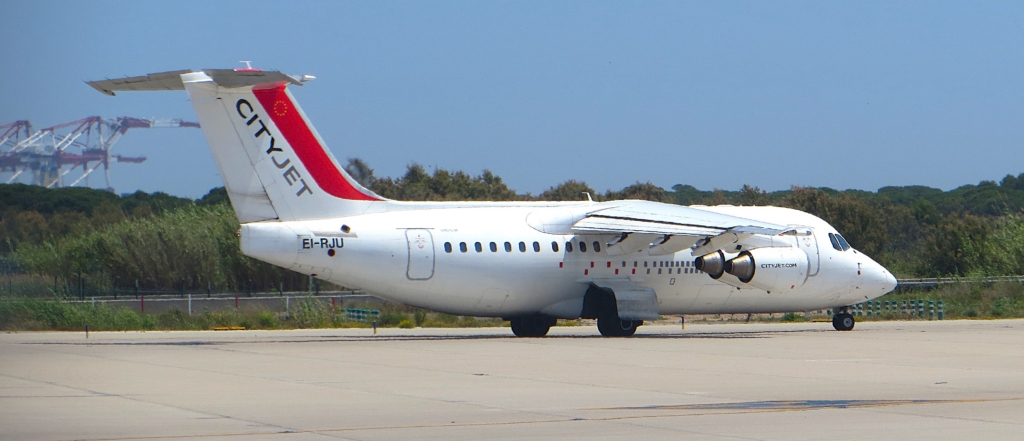
The BAe 146 went through an upgrade in the 1990s to become the “Avro RJ” family of aircraft, with more modern avionics and upgraded engines.
Just two Avro RJs are left flying in the UK at the Empire Test Pilots School. However, there are several still active flying as firefighting aircraft in North America, and as freighters in Australia.
Boeing 707
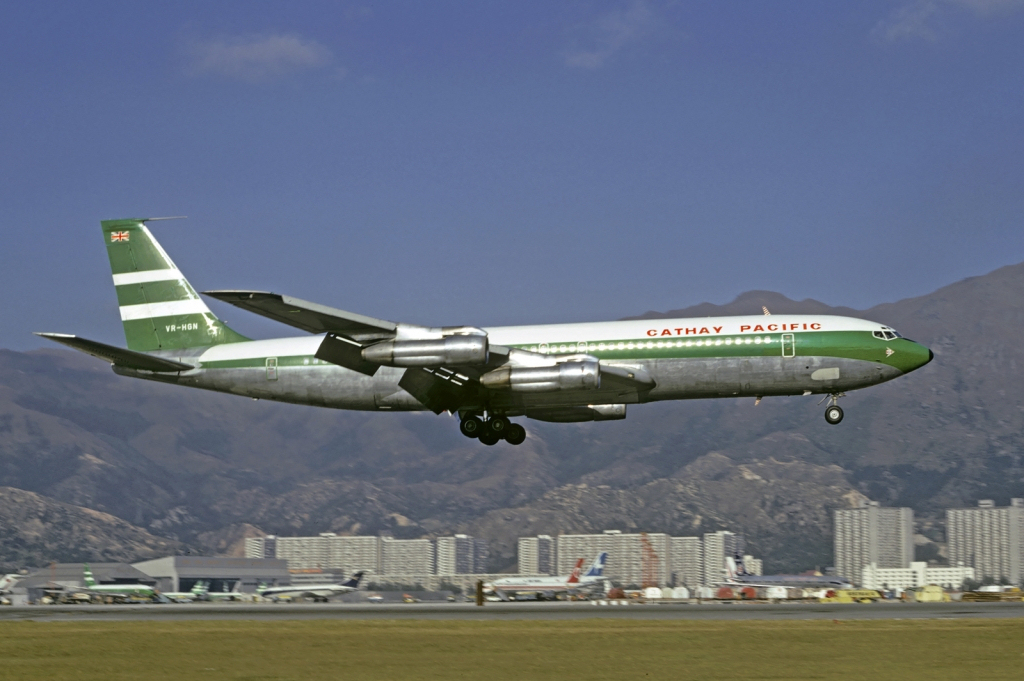
Boeing’s first jet airliner, the 707, took to the skies in the late 1950s and changed long-haul travel forever.
With its sleek swept wings and distinctive shark-like fin, it quickly replaced piston-engined airliners on major routes, especially across the Atlantic.
Flying higher and faster than the propeller-driven aircraft it replaced, the 707 gave passengers a smoother, quicker journey. It also introduced the classic Boeing look, with its familiar nose shape and cockpit “eyebrow” windows, a design that carried through to the 727 and early 737s.
Although you can no longer fly on a 707, several are still in the air in military service. The best known are the E-3 AWACS airborne radar aircraft, which continue to fly with the USAF, NATO and the French Air and Space Force.
Boeing 727
By the early 1960s, Boeing needed an aircraft that could operate from shorter runways, so it developed the three-engined 727.
With its engines mounted at the rear and built-in airstairs tucked beneath the tail, it had a look all of its own. The 727 went on to become Boeing’s best-selling airliner, a title it held until the 737 overtook it in the 1990s.
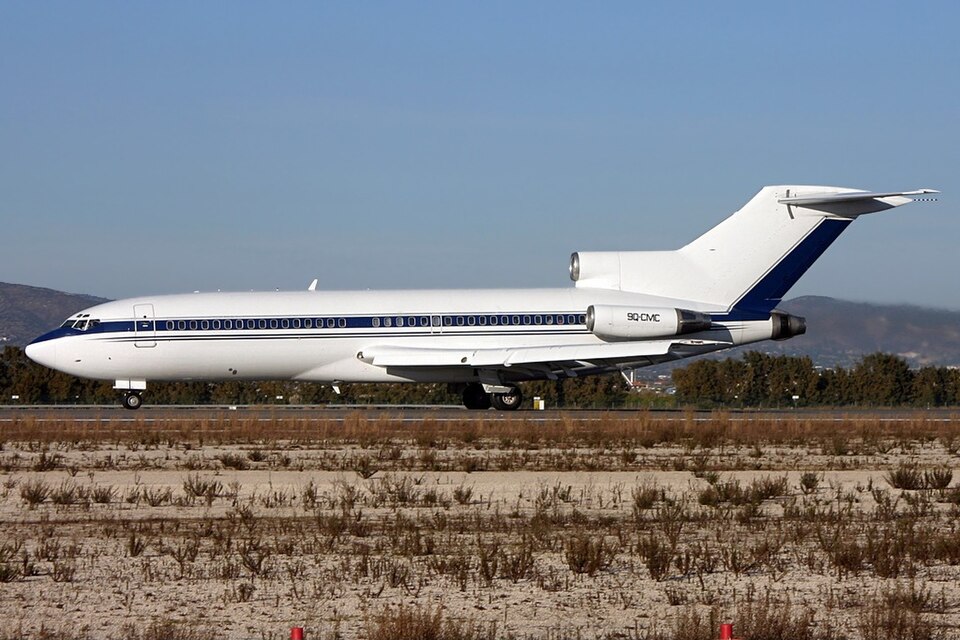
The last passenger 727s have now disappeared from the skies, but the type isn’t quite extinct. Two still fly in the UK in a highly specialised role, although they too are due to be retired.
Boeing 747
The mighty “Jumbo”, the 747, an aircraft on which Boeing bet their company in 1969 with its development, must also be one of the most iconic and familiar airliner shapes of all time. With its “hump” and upper deck, the aircraft really did shrink the world and enabled mass long-haul travel.
Now almost all of the 747 “classics” – the 100 and 200 series and the larger -400 series – have been replaced by more efficient twins.
British Airways retired its 747-400 fleet during the Covid-19 pandemic, despite being one of the largest operators of the type, having 50 aircraft at one point.
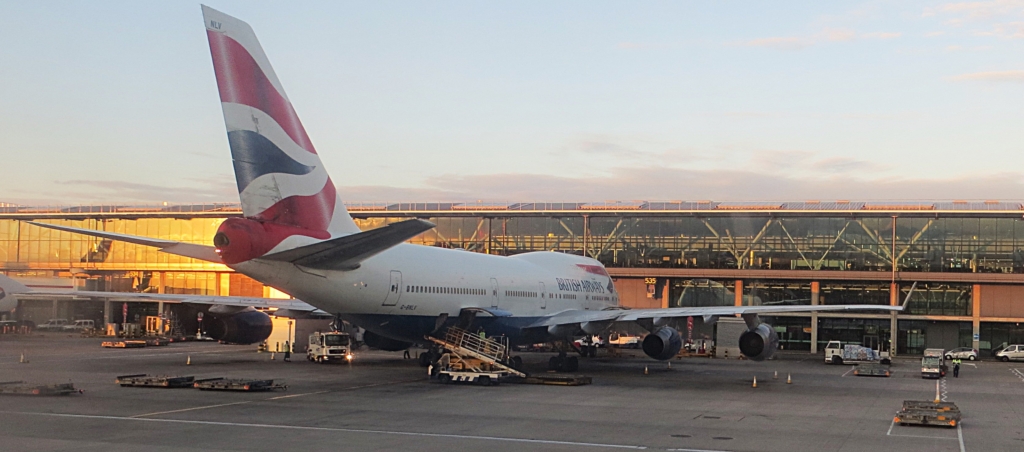
Many 747s are still flying as freighters. Perhaps the best-known “classic” 747 airframes still flying are those flown as Air Force One, although they are due to be replaced soon.
The Boeing 747, in its final guise, the “-8”, is still in passenger service with Lufthansa, Korean Air, and Air China, but with the high price of jet fuel, the “queen of the skies” days may be numbered.
Douglas / McDonnell Douglas
Douglas built some of the most iconic piston-engined airliners ever, including the DC-3, DC-4, DC-6, and DC-7. As the jet age arrived, it followed with the four-engined DC-8, the twin-engined DC-9 – later developed into the MD-80 series – and the three-engined DC-10.
The rugged DC-3 is still flying in remote parts of the world, making it the longest-serving airliner ever after first taking to the skies in 1935. Many have been converted into turboprop-powered Basler BT-67s for use in harsh environments, including Antarctica.
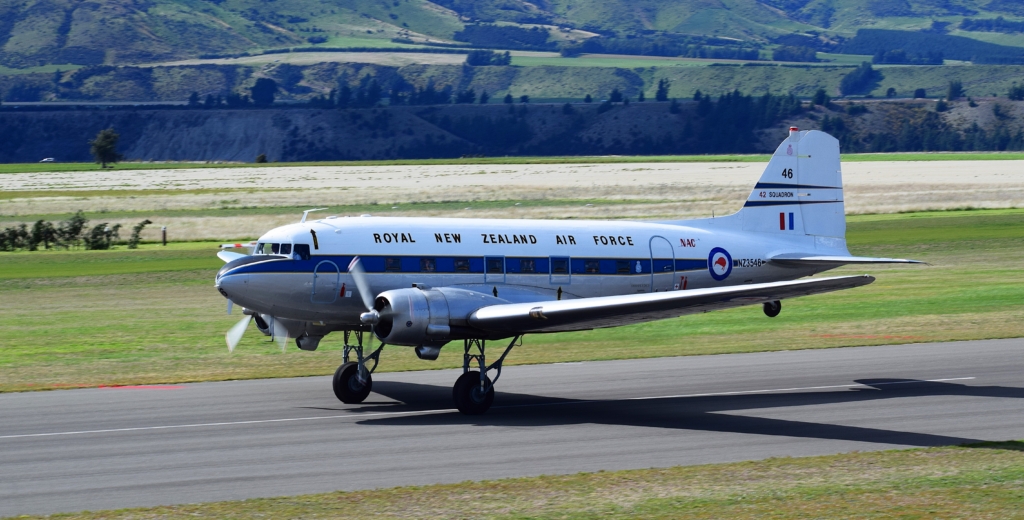
A handful of DC-6s still fly as freighters in Alaska, while one airworthy example is operated by the Flying Bulls collection in Salzburg. It recently flew to the 2026 EAA AirVenture airshow at Oshkosh.
The last Douglas DC-8 in service is operated by the Samaritan’s Purse organisation.
The DC-10 was then built to rival the Lockheed L-1011 TriStar and went on to outsell it. Despite becoming a popular airliner worldwide, its early years were marred by several high-profile accidents. In the UK, it flew with British Caledonian, Monarch, Airtours International, and pioneering low-cost airline Laker Airways.
Lockheed’s lost airliners
Lockheed is best known for its military aircraft, including the SR-71 Blackbird, U-2 spy plane, and the ever-reliable C-130 Hercules. But the company also built some memorable airliners, from the elegant piston-powered Constellation with its distinctive triple tail, to the four-engined Electra turboprop and the wide-bodied L-1011 TriStar.
The TriStar was a favourite with both passengers and crews thanks to its comfort and advanced technology. In the UK, it flew with British Airways, British Caledonian, and colourful charter airline Court Line, whose aircraft wore some of the brightest liveries of the era.
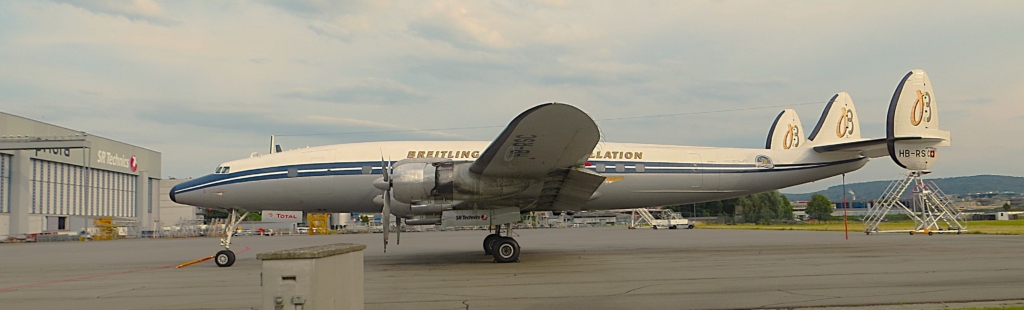
The last TriStars to fly in the UK were former British Airways and Pan Am aircraft, which served as refuelling tankers and troop transports with the Royal Air Force until they were retired in 2014.
Today, only one airworthy L-1011 remains. Named “Stargazer”, it has been converted to launch rockets carrying satellites into space.
Keeping the memories alive
We can’t finish this article without a nod to the many other once-familiar airliners that have also disappeared from passenger service – the Fokker 70 and 100, Airbus A300 and A310, Fokker F27, BAe Jetstream and ATP, Vickers Viscount, Handley Page Herald, de Havilland Comet, BAC One-Eleven, Hawker Siddeley Trident, and Bristol Britannia, to name just a few.
While some still survive as freighters or in specialist roles, the days of travelling on them are long gone.
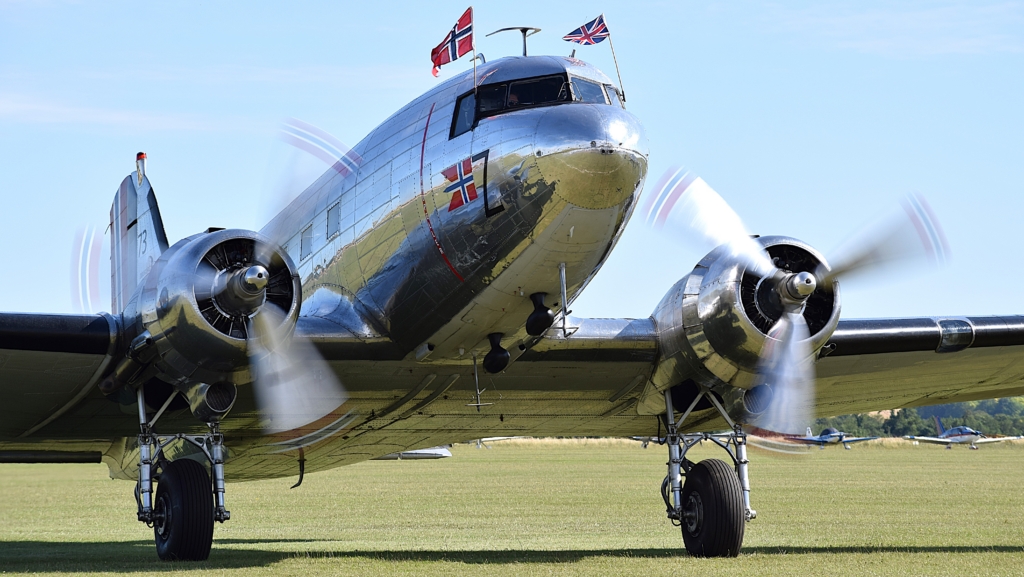
Fortunately, some of these aviation classics have been preserved for future generations. One of the best places to see them is the British Airliner Collection at Duxford, where visitors can step aboard several historic airliners and experience what flying was like in a different era.
Meanwhile, in New Zealand, the “Bring Our Birds Home” project is working to return historically significant airliners to the country, helping to preserve an important part of its aviation heritage.


