Why Wizz Air is walking away from the Airbus A321XLR

6 min read

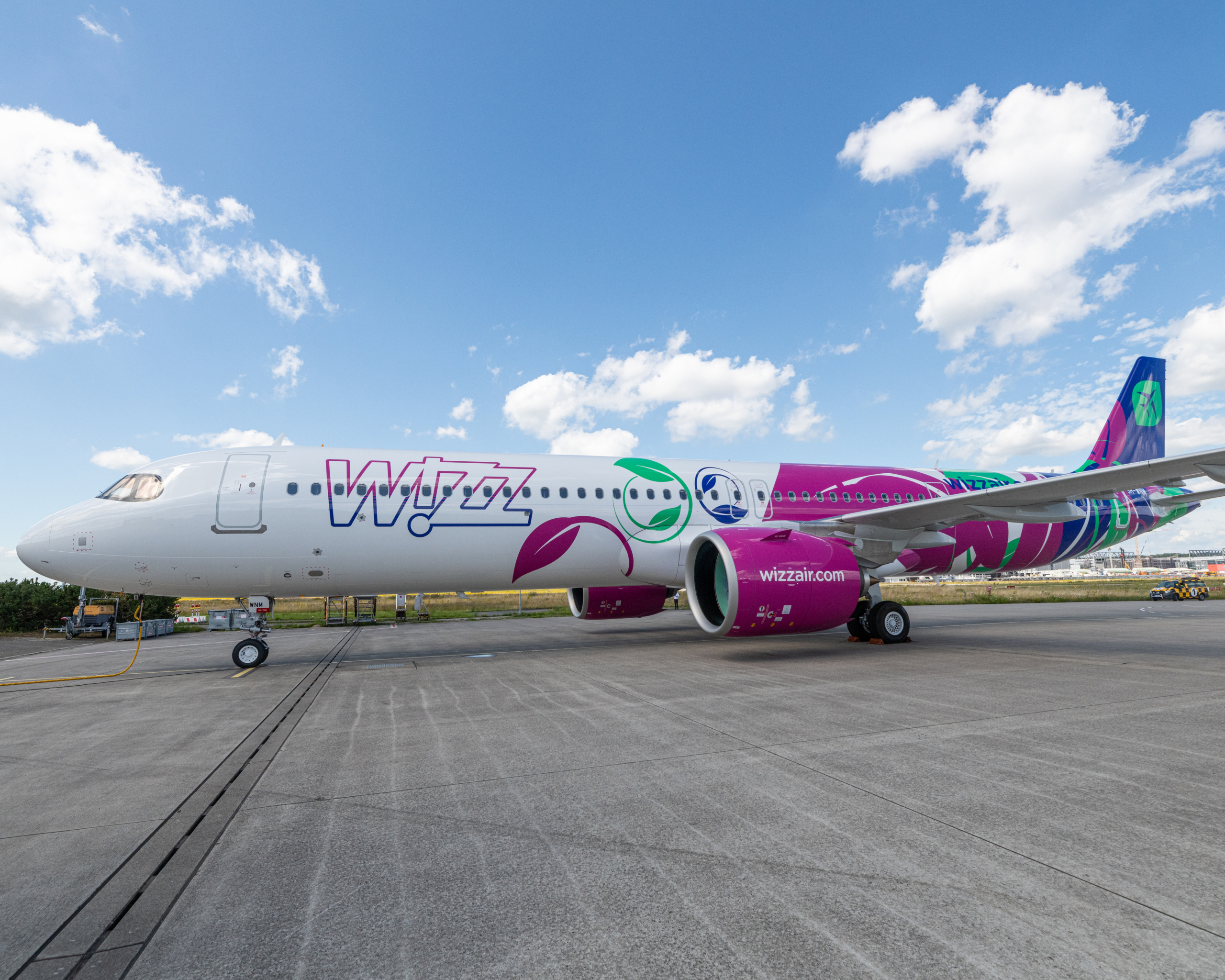
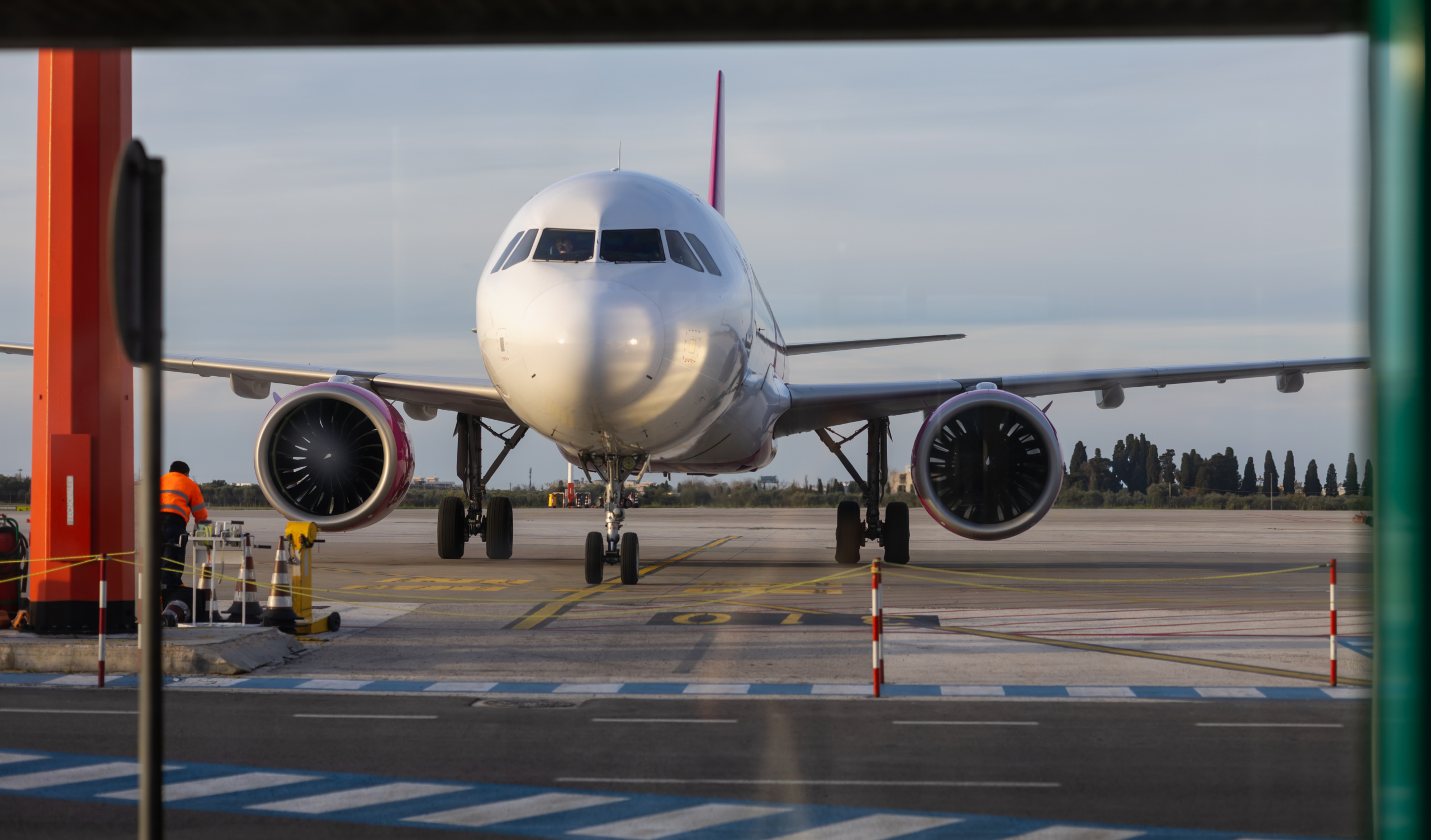
Wizz Air has declared that Airbus’s extra-long‑range A321XLR aircraft is not the right fit for the ulta-low-cost carrier, with chief commercial officer Ian Malin calling it “a superior aircraft for the right operator” but one that “didn’t fit with our business model”.
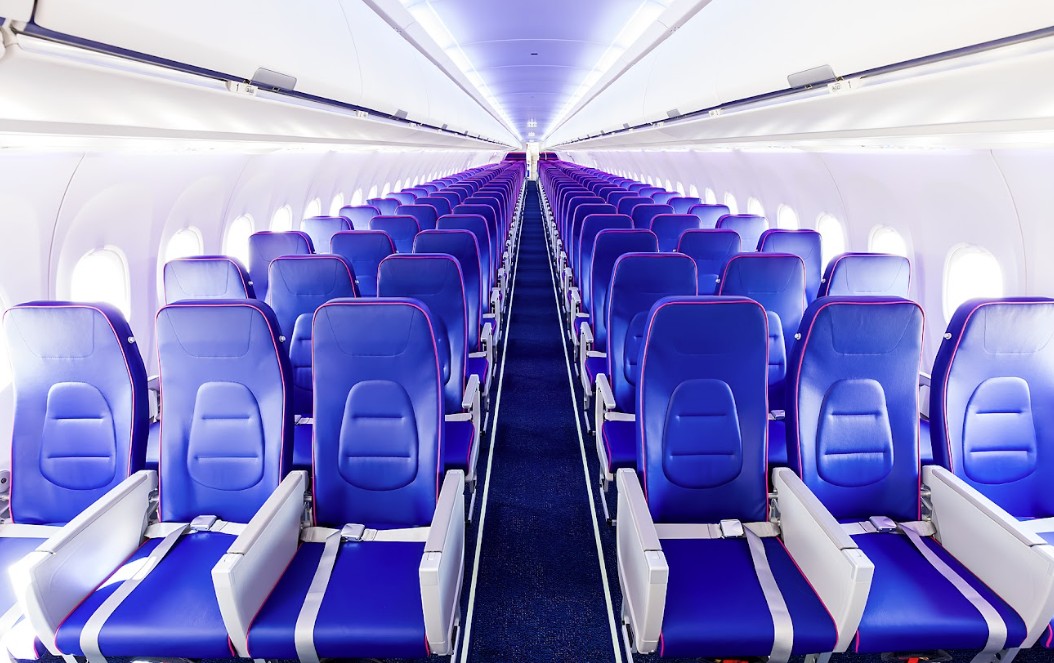
Speaking at the Routes Europe event in Rimini last week, Malin said the carrier wanted to use the aircraft in a high‑density, 239 seat configuration on short and medium range routes as part of its standard A321neo fleet. The carrier has 11 XLRs on its books.
Airbus A321XLR not the right ‘fit’ for Wizz Air
Since the carrier exited Abu Dhabi and ruled out both a renewed push into the Middle East and any scheduled US flying, Malin said the viable markets from continental Europe became too limited, given Wizz’s one‑to‑four‑hour “sweet spot”.
“If you think about basing an XLR in continental Europe, the markets that you have accessible to you are limited because of the high density, which is why I say it is a good aircraft for the right operator, maybe an operator that has a different product strategy,” he told the audience at the gathering of industry leaders on 18 May.
The Wizz wisdom is that more money can be extracted from an aircraft that flies three rotations in a day on shorter routes – that is three-times the passengers, who are paying for ancillaries such as bags and seats – versus a single rotation to a destination six hours away.
Even if the longer flight attracts a higher fare, ancillary revenue will be lower compared to three return flights at two hours each way.
“With our friends at Airbus, we were able to convert our 49 aircraft XLR order into neos,” he added, “so in our mind we didn’t really dispose of them, we just found a way to build them the way that we needed to.”
Wizz Air’s ambitious growth strategy over the last decade has seen the ULCC enter new markets from Abu Dhabi to Zaragoza, but conflict in Europe and the Middle East is reshaping its network map.
“We have ventured into more exotic locations over the last few years and found that not everything works the way that we had expected it to,” acknowledged the CCO.
Wizz Air’s return to Tel Aviv paused indefinitely
One example is its Israel operation. The carrier is returning to Tel Aviv at the end of May, including flights from London’s Luton and Gatwick airports. But Wizz Air has also been talking about plans to open a new base in Tel Aviv for several months – something the airline was forced to delay as the Iran-Israel-US war escalated this spring.
Now, the plan has been paused indefinitely. Malin said at the Routes event: “There are no plans to open a base now until we better understand the security environment.
“We have teams evaluating that every day, we have people on the ground as we speak, understanding the situation. It’s a bit too premature considering we still don’t have a resolution in Iran, so we are being very cautious.”
However, Malin said that, “assuming everything remains the way it is,” the relaunch of inbound flights to Tel Aviv will restart on 28 May.
Prior to the start of the conflict in February, Wizz Air was the largest international airline flying into Israel. The carrier will not reach that scale for the foreseeable future, because of the smaller operation that it is planning on bringing back to Israel.
Ukraine return would take ‘weeks not months’
Elsewhere, Wizz Air is bullish on its prospects for growth in areas currently impacted by war.
In Ukraine, the ULCC is expecting a rapid resumption of flying as soon as it is safe to do so.
“The opportunity is exciting. Some of the guys in this room are the ones that are actively refreshing the business cases, and making sure that we’re ready to go,” said Malin, who noted that the schedules for Ukraine operations are “loaded in the system.”
The advanced state of its Ukraine planning means all it would take is “pressing a few buttons” for Wizz to return to the country.
“We have very specific timelines that we can follow, and we’re talking weeks, not months,” Malin added.
Wizz Air is not alone in planning for a post-conflict future in Ukraine.
Latvian airline airBaltic has said it will be ready to resume scheduled flights to Ukraine as soon as the country’s airspace reopens.
In preparation for this, an airBaltic delegation visited Kyiv last year to engage with key stakeholders and assess the necessary steps to restore air connectivity.
As part of its commitment, airBaltic aims to reintegrate Kyiv and Lviv into its route network as soon as conditions allow.
How Wizz Air is managing the fuel crisis
Another item at the top of Malin’s to-do list is the potential for fuel shortages and the spiking cost of acquiring Jet A1.
Wizz Air is taking the prospect of fuel supply disruption “very seriously” but Malin insisted he does not currently see “any issues” that would force it to cut its schedules or raise prices.
The executive said the carrier holds calls “seven days a week, internally and then externally with our suppliers” and is “pushing all of our suppliers for contingency plans” as it monitors availability into the summer.
“We’ve got full visibility for May and June, and we should shortly understand July, but nobody’s telling us that there’s storm clouds,” he said.
As a result, Wizz is not planning to cancel flights or increase fuel surcharges, either for tickets already purchased or for future flight tickets.
In fact, Malin said the opposite was happening. “This fiscal year we’ll be growing close to 30% seat capacity, which is already from a very big base of 264 aircraft. That’s really impressive growth. We’re basically pumping out another medium-sized airline this year.”
Wizz Air has built what Malin described as a “mini trading desk” to shield the airline from surging fuel and currency volatility.
“We put in place, launching in 2023 April, a comprehensive risk management strategy, which is hedging for the fuel and the currency portion of fuel,” he said, adding that last year the carrier extended this to balance sheet hedging, which mitigates the risk of Wizz’s US dollar lease liabilities fluctuating against its Euro reporting currency.
The team of in‑house commodities specialists now works closely with banks on hedging contracts. As a result, Wizz is entering the peak summer season “roughly 70% hedged at a price that’s a little bit more than half the current spot price,” Malin noted.
In an environment of higher costs, Malin argued, “there’ll be winners and there’ll be losers, but going into this Wizz is probably as prepared as it could be, and now it is all about execution.”
Featured image: Airbus/Wizz Air