


Air Force increases KC-46A Pegasus tanker procurement target to 319 aircraft

3 min read
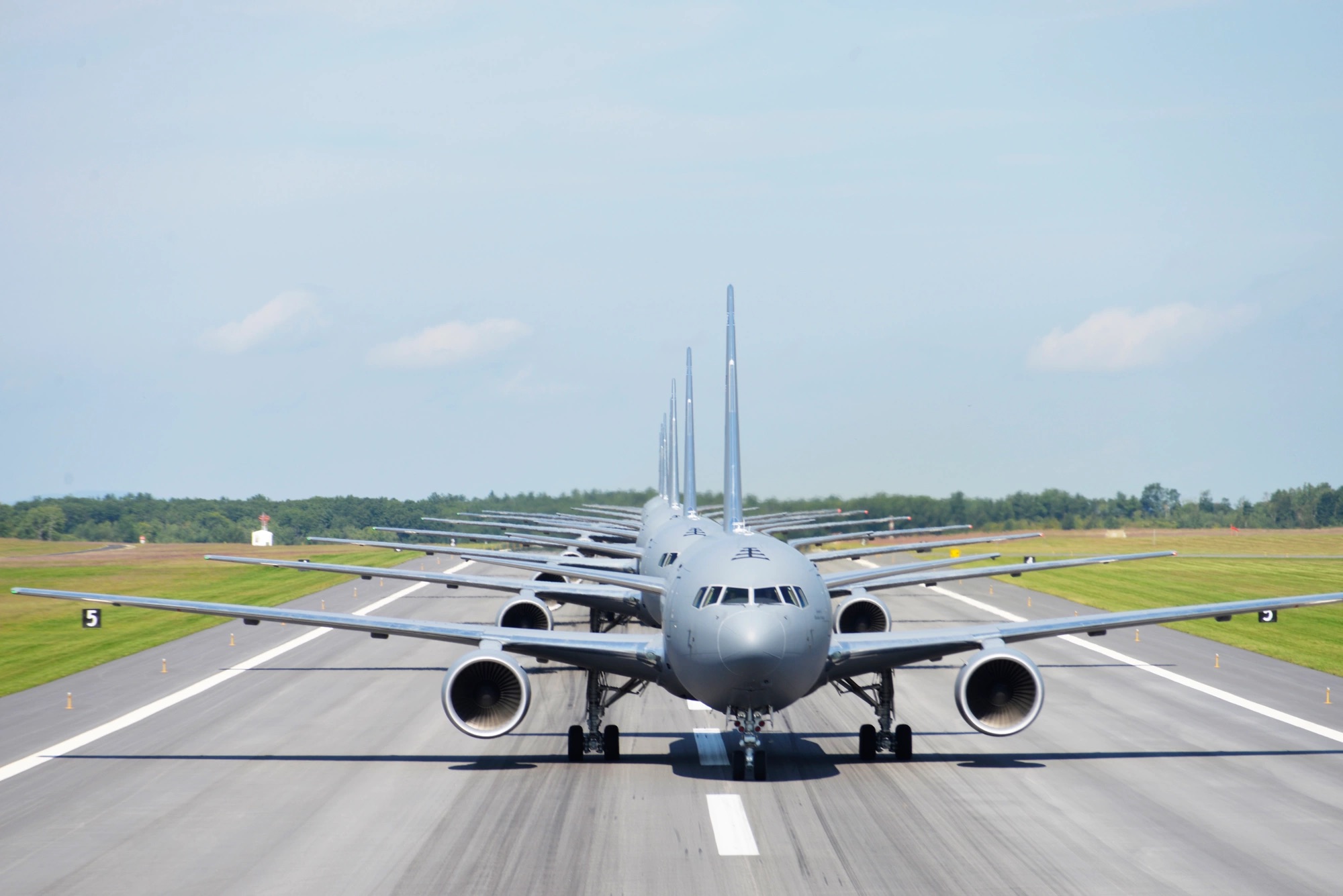
The Air Force already has around 100 Boeing KC-46A tankers in service, but now it wants to increase that to around 319 eventually. There are rumours it wants to fully replace the KC-135, but that would require an even bigger order.
While the aircraft has faced repeated high-profile teething maturation problems, it is the only US tanker aircraft on the market available to replace aging KC-135 and to increase the overall fleet size.
More money for the Air Force’s KC-46A tanker
The White House’s massive new Fiscal Year 2027 $1.5 trillion proposal includes purchasing a huge number of aircraft, warships, munitions, and more.
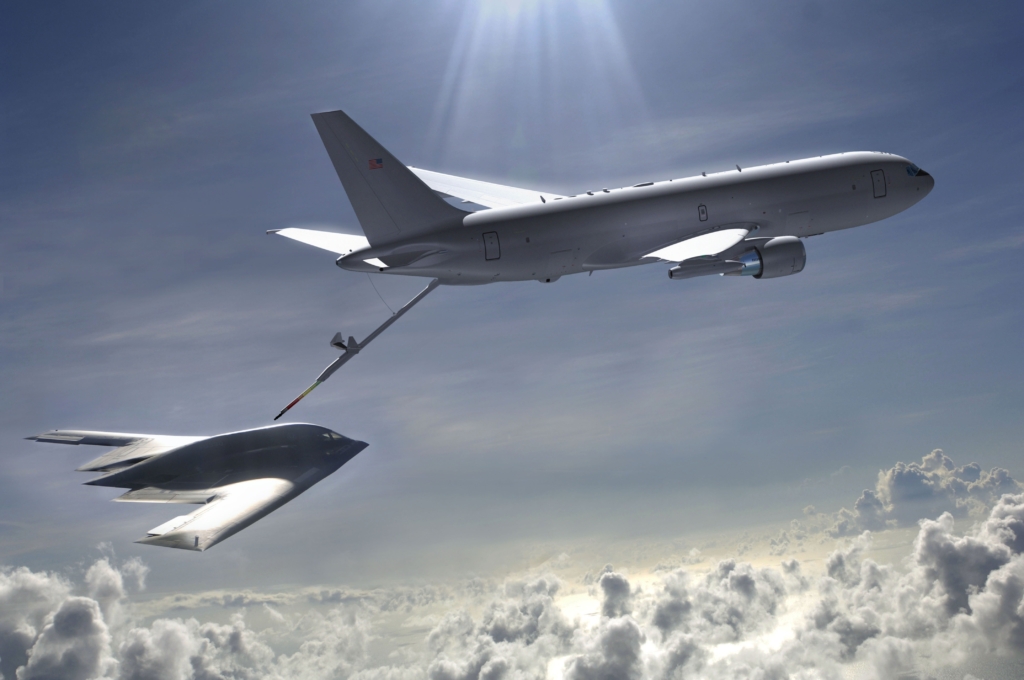
For the Department of the Air Force, the total request is $338.8 billion, a whopping 38% increase over Fiscal Year 2026. This would increase the Air Force’s procurement by 60% to $73.3 billion.
While this proposed budget includes $3.9 billion in funding to purchase 15 new KC-46A Pegasus tankers, that is only the beginning.
Additionally, budget documents show the cost of around $199.8 million to $321.9 million in 2028. Boeing’s production of the aircraft is also expected to increase to 18 per year during 2028-2031.

It is unclear what is driving the spike in per-unit costs, although the Air Force is also looking to include communications and survivability upgrades for the aircraft.
Increasing orders for the KC-46A
Initially, the Air Force planned to cap KC-46 orders at 179, allowing the aircraft to bridge the gap between the legacy KC-10 and KC-135 tankers and future NGAS stealth tankers.

However, with the NGAS programme in doubt and years away, and with the KC-135 fleet aging, the Air Force is increasingly looking at increasing its planned KC-46A purchases.
In recent years, the planned buy increased to 188, and last year the service announced it planned to purchase another 75. This brings the eventual fleet to 259, plus four engineering and manufacturing development examples.
According to reporting by The Aviationist, ultimately, the Air Force envisages purchasing 319 KC-46As.
New: The Air Force wants to greatly increase its KC-46 fleet
— Brian Everstine (@beverstine) April 24, 2026
Long-term plan now includes 319 of the tankers to replace KC-135s. That’s 140 more than the original program of record. Plus, budget docs show fly-away unit costs increasing starting in ’28https://t.co/zXax5ALe8d
But this doesn’t mean the Air Force can start retiring its old KC-135s en masse; the 2026 National Defense Authorization Act is raising the minimum inventory the Air Force is required to have from 466 to 502 by October 2028.
Find the latest aviation industry news right here.
The Boeing KC-46A Pegasus
The Boeing KC-46A is an aerial tanker designed to refuel aircraft in the air. These ‘tankers of the skies’ are an indispensable part of the USAF’s ability to project power.
KC-46’s Refueling Boom “Nozzle Binding” Issues Are Costing The USAF Tens Of Millions In Damage
— Tyler Rogoway (@Aviation_Intel) August 25, 2025
The KC-46 continues to expand its role, but its many unresolved issues vex the fleet, with stiff boom and other maladies causing problems.
Story: https://t.co/oIAzkTHSmB
By some estimates, the USAF has around 75% of the world’s tankers, although this depends in part on counting methodology. The KC-46 was developed from the Boeing 767 airliner, although it is powered by Pratt & Whitney PW4000 engines.
In 2027, Boeing is expected to deliver the last of its Boeing 767-300F freighters. After that, the 767 production line is expected to continue well into the 2030s, producing military tankers but not commercial aircraft.
The aircraft was developed as a replacement for the KC-10 Extender and as a partial replacement for the KC-135 Stratotanker. After many scandals, the KC-46 won over the competing Airbus A330 MRTT tanker.
Today, the A330 MRTT is the most popular tanker on the export market, with only close US allies, Israel and Japan, ordering the KC-46.
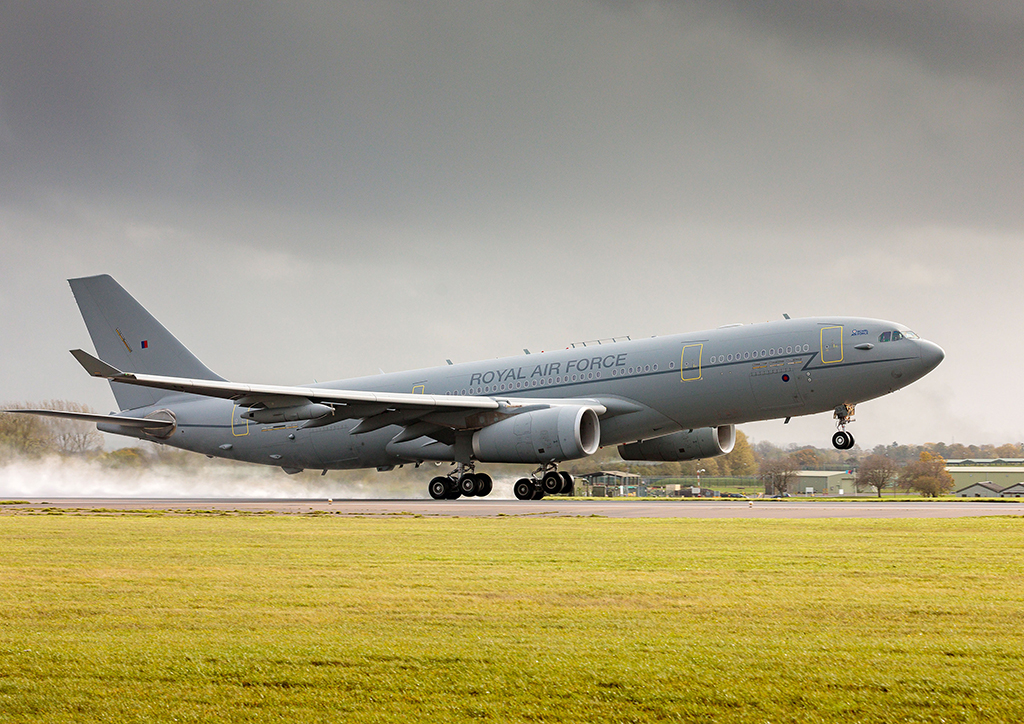
While the KC-46 is an advanced tanker, the USAF has had a tumultuous history with it as the aircraft continues to mature. Recently, a refueling boom broke off during a refueling operation. The Air Force is also looking for ways to address its deficiency in refueling slow-flying aircraft like the A-10.
Featured Image: DVIDS
Sign up for our newsletter and get our latest content in your inbox.


More from


October 25, 20266 min read

October 25, 20265 min read


