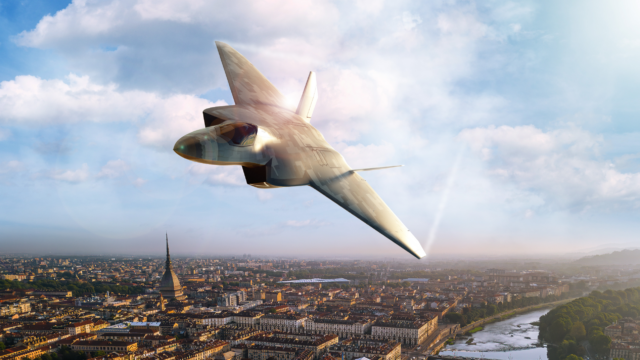
Old warhorse, new fight: Germany revives retired Transall C-160s as aerial firefighting aircraft

5 min read
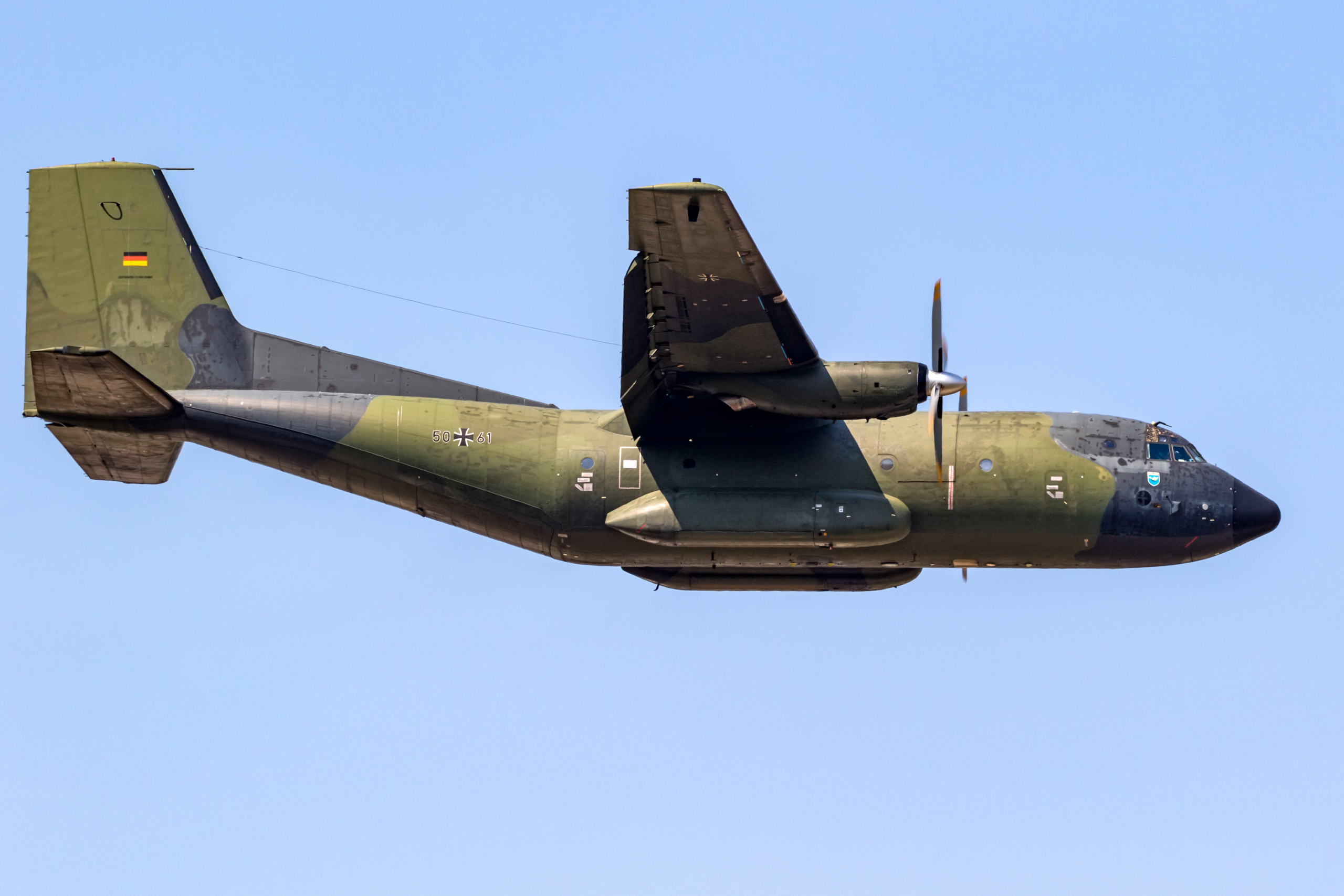
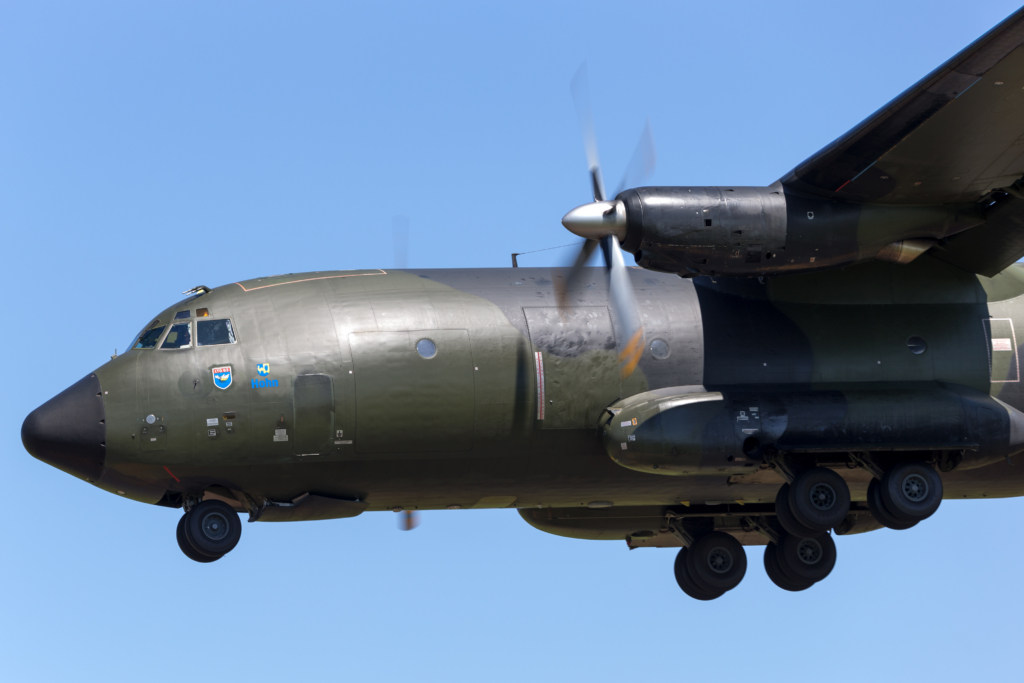
Two Transall C-160D transport aircraft formerly operated by the German Air Force (Luftwaffe) are currently being prepared for a return to service, six years after they were retired.
However, rather than carrying military troops and equipment, the aircraft are being reconfigured as aerial firefighting platforms to counter the growing risk of wildfires across Europe.
Two Transall C-160Ds being converted for aerial firefighting
As reported by Flug Revue, the two aircraft are being converted as part of a project being led by Total Aeronautical Services GmbH (TAS), a Lower Saxony-based aviation company specialising in the conversion of aircraft.
Rather than having the main deck cargo compartments of the C-160Ds used for military purposes, the aircraft will be fitted with storage tanks and retardant spraying equipment in order to carry out their firefighting role.
The project is being promoted as part of the response to Germany’s (and Europe’s) critical shortage of aerial firefighting relief assets. According to TAS, the conversion “marks a breakthrough for European firefighting response capabilities.”
The first of the two aircraft is due to enter service in time for the 2027 European firefighting season.
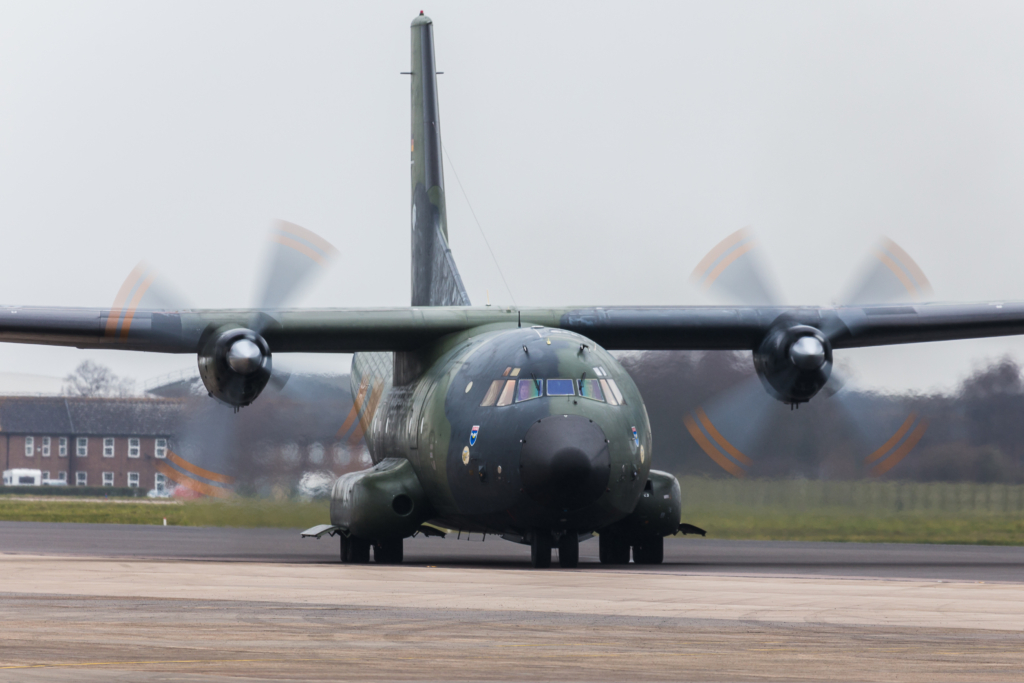
The conversion project has reportedly reached an advanced stage, with intensive preparations for the initial test flight currently underway.
With support from Germany’s Federal Aviation Office (LBA) and the Bundeswehr procurement agency (BAAINBw), the first converted aircraft has already been allocated the civil registration D-AMJT, making it the first C-160 Transall in German aviation history authorised to operate under civil registry.
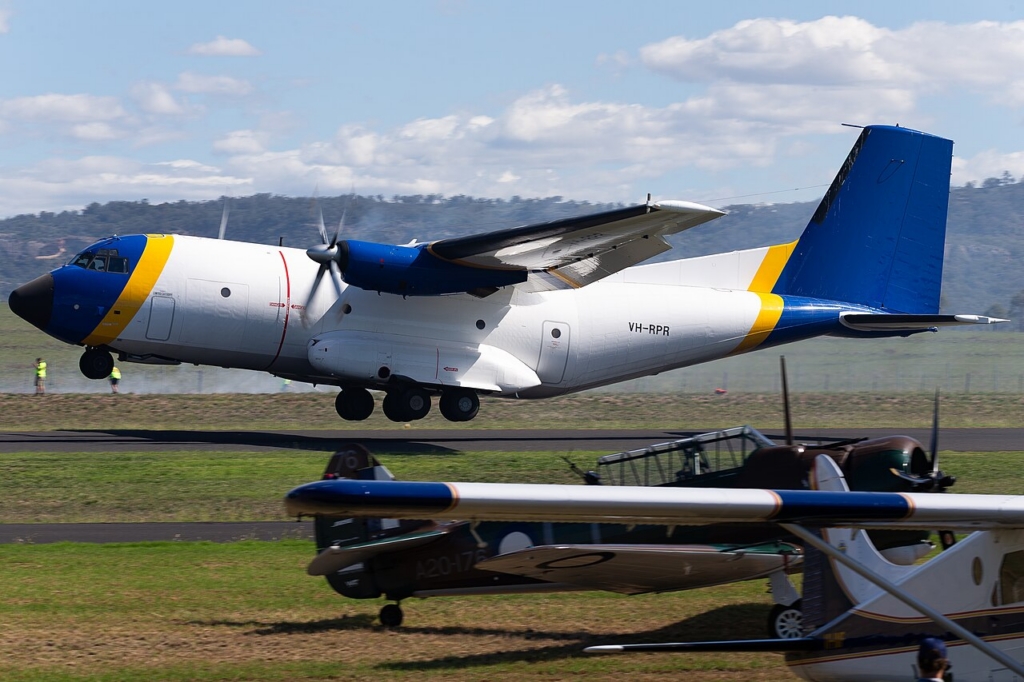
The aircraft are being equipped with a firefighting system developed by the Australian firefighting firm Helitak Firefighting Equipment, which itself operates three Transall firefighters across Australia. The C-160D aircraft are being equipped with a main deck tank that can hold up to 14 tonnes of water or fire retardant.
According to information provided by TAS to Flug Revue, rather than releasing the load through the aircraft’s large rear cargo door, the water or retardant will be released through equipment fitted to the underside of the fuselage, keeping it close to the plane’s centre of gravity.
The equipment can drop 3,000 litres of water or retardant per second. TAS added that the tank can be refilled on the ground in about three minutes.
Why the Transall C-160D is the ideal aircraft for firefighting
The high-wing Transall C-160D twin-turboprop is considered by national authorities as the ideal airframe for aerial firefighting due to its substantial payload capacity, exceptional low-speed handling, and ability to operate from short, unpaved airfields.
Once converted, the repurposed transport can deliver thousands of litres of water and fire suppressant directly over hard-to-reach forest blazes, giving ground crews immediate tactical support where needed.
The German project is benefiting from work already pioneered by Helitak, which acquired three former Luftwaffe C-160Ds in 2023. The company has already fitted one of the aircraft with its Helitak firefighting system and performed a full water-drop demonstration at Toowoomba Wellcamp Airport (WTB) in March 2026.
Speaking of the conversion of the two German aircraft, TAS Managing Director Maren Reese said that the urgency and practical impact of repurposing proven military aviation hardware was becoming increasingly important as the wildfire issue increases across Europe year-on-year.
“Restoring these reliable airframes provides Germany with a dedicated heavy-duty aerial firefighting capability that can safeguard vulnerable forests and communities when rapid response is most critical.”
Other important aspects of the German C-160Ds
One other aspect of the German C-160Ds is that some of the Luftwaffe C-160Ds received Kevlar armour around the cockpit and forward cargo compartment for military operations in hostile environments. Instead of removing it during the conversion process, the project intends to keep the protection.
TAS sees the armour as an asset over former military ranges and other munitions-contaminated ground, where fires are often difficult or impossible to attack from the ground.
Germany has recently been reminded of this issue following a fire that broke out in the Hürtgenwald Forest in North Rhine-Westphalia on 13 August, the state’s largest ever recorded wildfire.
As the region remains covered in unexploded ordnance from World War Two, the area in which the fire broke out remained largely inaccessible for ground firefighting operations.
An important addition to the ageing aerial firefighting fleet
The revival of the Transall C-160D, both in Germany and elsewhere, is showing the measures the authorities are willing to take to help tackle the growing risk of wildfires across Europe and beyond.
By repurposing former military aircraft for firefighting, the re-use of available assets is proving cost-effective, with the additional costs of conversion a fraction of what is potentially at stake from the growth of wildfires.
With the average age of the active global firefighting fleet increasing, and with fewer aircraft being available (as well as the crews trained and able to fly them), the issue of wildfires is becoming increasingly urgent.
With European civil airworthiness certification of the C-160Ds approaching, the project is providing a scalable template for the future of aerial firefighting, both in Germany and elsewhere.
As the German C-160Ds will be owned and operated by a private company rather than become state assets, they will be made available for charter by authorities worldwide, making them available for areas in which they can make a far wider difference on a year-round basis.
Sign up for our newsletter and get our latest content in your inbox.


More from

October 17, 20265 min read


October 17, 20264 min read