Tu-22M3 crash in Siberia raises pressure on Russia’s long-range bomber fleet

4 min read
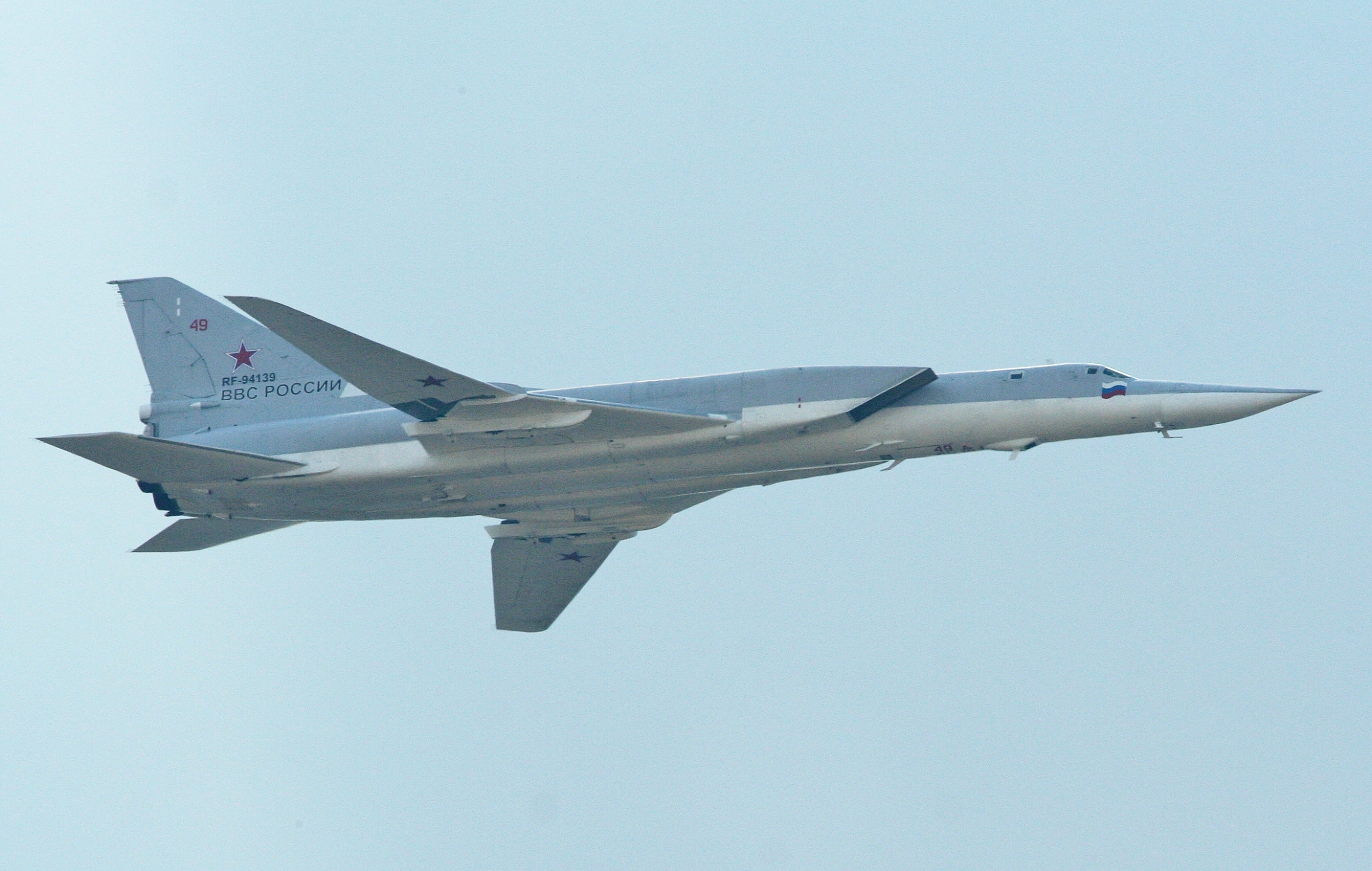
A Russian Tupolev Tu-22M3 long-range bomber has crashed in Siberia during a training flight, with all four crew members surviving after ejecting from the aircraft.
The aircraft came down in Russia’s Irkutsk region on 15 June 2026 while returning from a scheduled training flight, according to Russian officials and state media reports.
Russia’s Defence Ministry said the crew ejected and that there was no damage on the ground. The aircraft was reportedly flying without a combat load.
✈️🔥 The final moments of the Russian Tu-22M3 before today's crash in Irkutsk Oblast. https://t.co/4lnFDUp0pZ pic.twitter.com/auXQ4HdQRu
— Special Kherson Cat 🐈🇺🇦 (@bayraktar_1love) June 15, 2026
Igor Kobzev, the governor of Irkutsk Oblast, said the bomber crashed near the village of Kamenka and that all four crew members had been taken to hospital with non-life-threatening injuries. According to Kobzev, preliminary information pointed to engine failure as the likely cause.
Footage circulating on social media appeared to show the Tu-22M3 descending steeply before crashing into a wooded area, followed by a large column of smoke. The footage has not been independently verified.
Tu-22M3 crash adds to pressure on Russia’s bomber fleet
The Tu-22M3, known to NATO as the Backfire, is one of Russia’s principal long-range strike aircraft. The Soviet-era swing-wing bomber is capable of carrying conventional and nuclear weapons and has been used by Russia during the war in Ukraine to launch long-range missiles from outside contested airspace.
In Ukraine, the aircraft is most closely associated with launches of the Kh-22 and Kh-32 air-launched missiles, which were originally developed for anti-ship missions but have also been used by Russia against land targets.
✈️👀 Video from the scene of TU fall, – Exilenova pic.twitter.com/2qh2jFtJBY
— MAKS 26 🇺🇦👀 (@Maks_NAFO_FELLA) June 15, 2026
The Tu-22M series was designed during the Cold War as a high-speed strike aircraft, including for attacks against naval targets. Its combination of range, speed and long-range missiles made it a major concern for NATO planners, particularly for the defence of carrier groups.
Russia continues to operate the Tu-22M3 alongside the Tu-95MS Bear and Tu-160 Blackjack as part of its long-range aviation force. However, the fleet is ageing, and the latest crash comes after several recent Tu-22M3 losses in the Irkutsk region and Ukraine-linked attacks on Russian bomber bases.
Russia’s Tu-22M3 fleet attrition
Russia has suffered several Tu-22M3 losses in recent years, including both operational losses linked to the war in Ukraine and non-combat crashes inside Russia.
In April 2024, Ukraine said it had shot down a Tu-22M3 using a long-range S-200 surface-to-air missile after the aircraft took part in a missile attack against Ukrainian cities. Russia denied the aircraft was hit by Ukraine and said it crashed because of a technical malfunction.
A Tu-22M3 also crashed in the Irkutsk region in August 2024 after what Russian officials described as a technical failure. One crew member was later reported to have died. Another Tu-22M3 crashed in the same region in April 2025, again during a flight in which the crew ejected, although one pilot was reported killed.
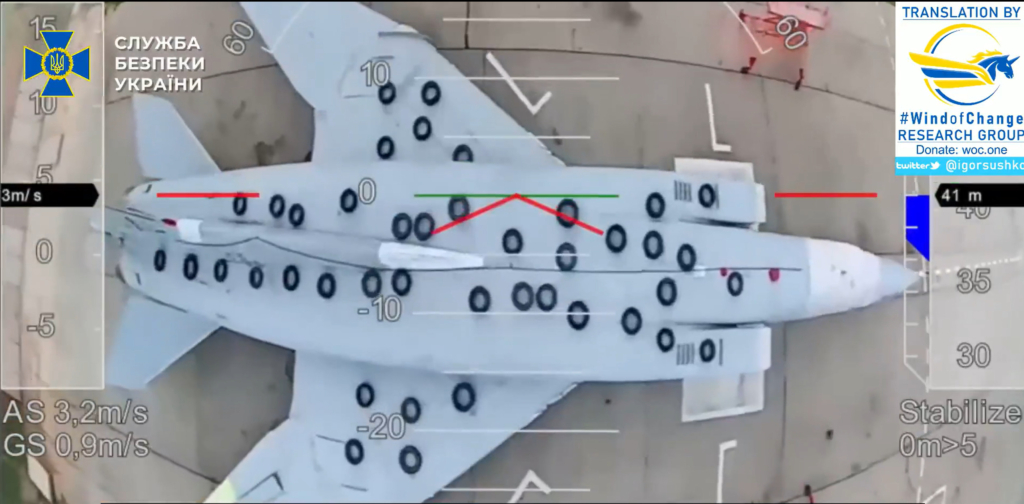
Ukraine has also targeted Russia’s long-range bomber force on the ground. During Operation Spiderweb in June 2025, Ukrainian drones struck several Russian airbases, including Belaya air base in the Irkutsk region, where Tu-22M3 bombers were based.
The full scale of the damage remains contested. Ukrainian officials claimed dozens of aircraft were damaged or destroyed, while independent open-source assessments based on satellite imagery and available footage have produced lower confirmed totals.
The War Zone assessed in June 2025 that at least six Tu-95MS bombers and four Tu-22M3 bombers had been destroyed, with the true number potentially higher. IISS also assessed individual losses using satellite imagery and Ukrainian Security Service footage.
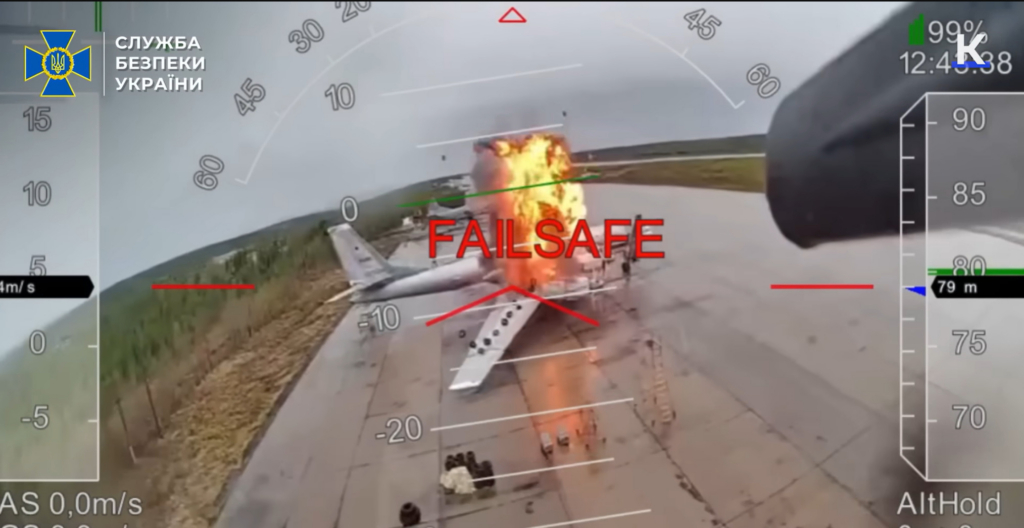
The Financial Times reported after Operation Spiderweb that the attack may have affected around 20% of Russia’s operational long-range aviation fleet. The strikes also forced Russia to disperse valuable aircraft to more remote bases, increasing the logistical and maintenance burden on an already ageing force.
Russia has no direct replacement for the Tu-22M3, making each loss increasingly difficult to absorb. While the Su-34 can perform some shorter-range strike missions, it cannot replicate the Backfire’s combination of range, speed and heavy missile payload, while renewed Tu-160 production remains slow, costly and focused on a different class of bomber.
For now, Moscow remains dependent on ageing Soviet-era aircraft to sustain much of its long-range strike capability.
Featured Image: Wikimedia Commons
Sign up for our newsletter and get our latest content in your inbox.


More from


October 17, 20264 min read