Hydrogen combustion versus hydrogen fuel cells: Which works best for aircraft?

4 min read
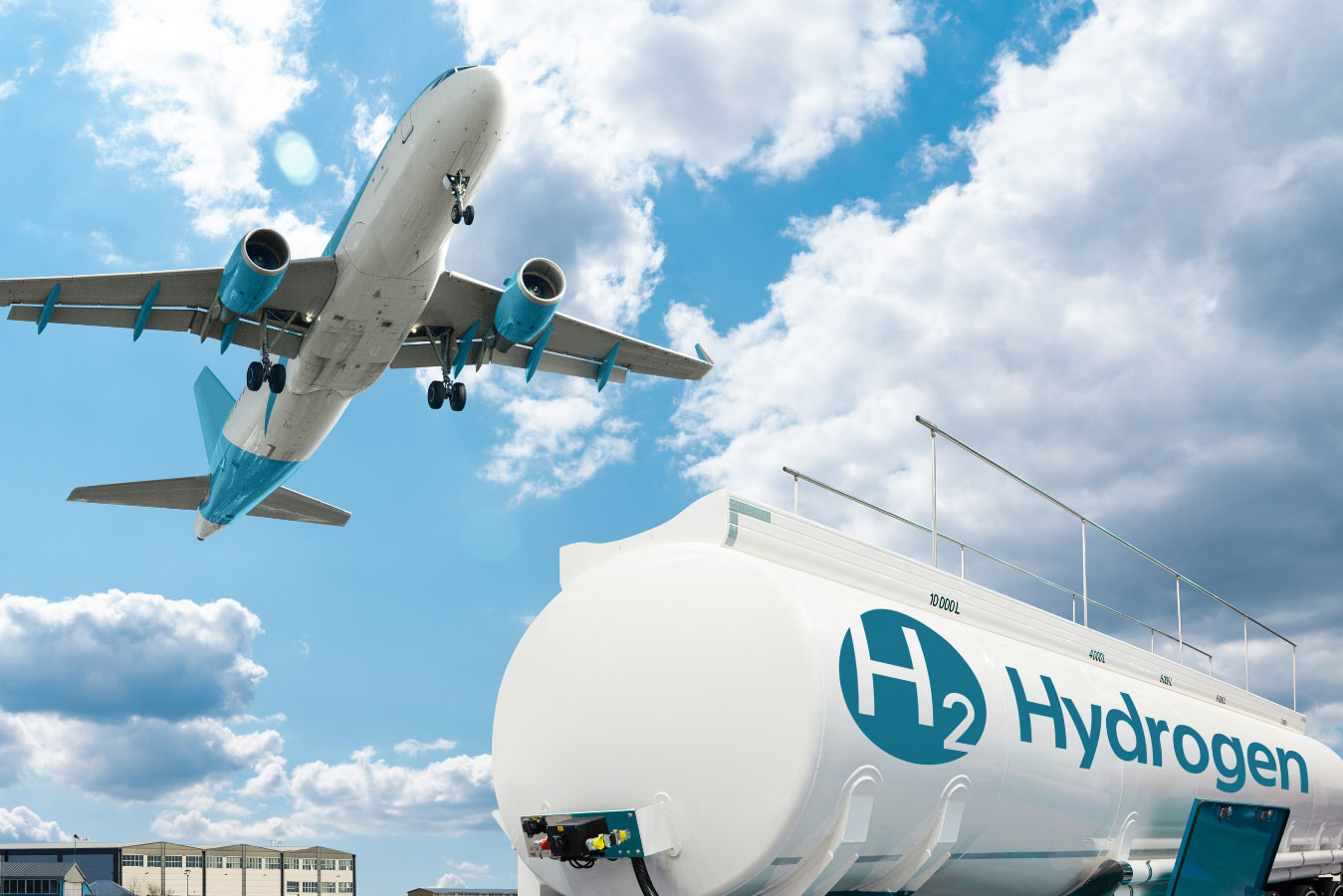
Hydrogen is a strong candidate for aviation decarbonization as it offers higher specific energy and produces zero CO2 emissions. With its safe and effective use in space technology, hydrogen-powered aircraft are envisioned to be operational within the next decade.
While both hydrogen combustion and fuel cells are viable for carbon-free aviation, the question is which one is best? The short answer is, it depends. Various factors influence hydrogen power generation and its utilisation.
Hydrogen combustion versus fuel cell technology
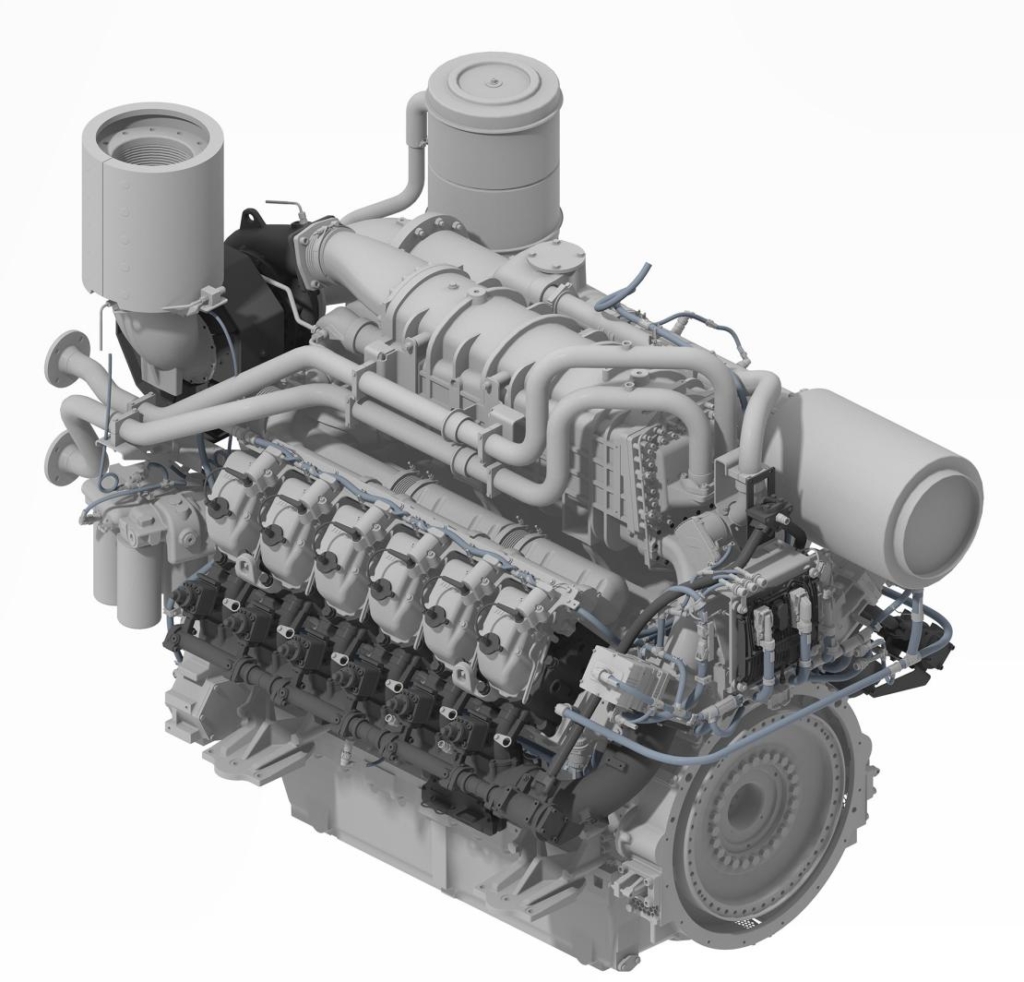
Hydrogen-based internal combustion engines burn hydrogen in the same way as gasoline, through the spark-ignition mechanism. The use of hydrogen requires advanced storage technologies to make it practical for use on aircraft.
While these engines require a continuous supply of hydrogen, they operate as a standalone powertrain without the need for a battery pack. Hydrogen engines may release small amounts of CO2, primarily from ambient air and lubrication oil. They also produce nitrogen oxides, which may require exhaust aftertreatments to minimize NOx emissions.
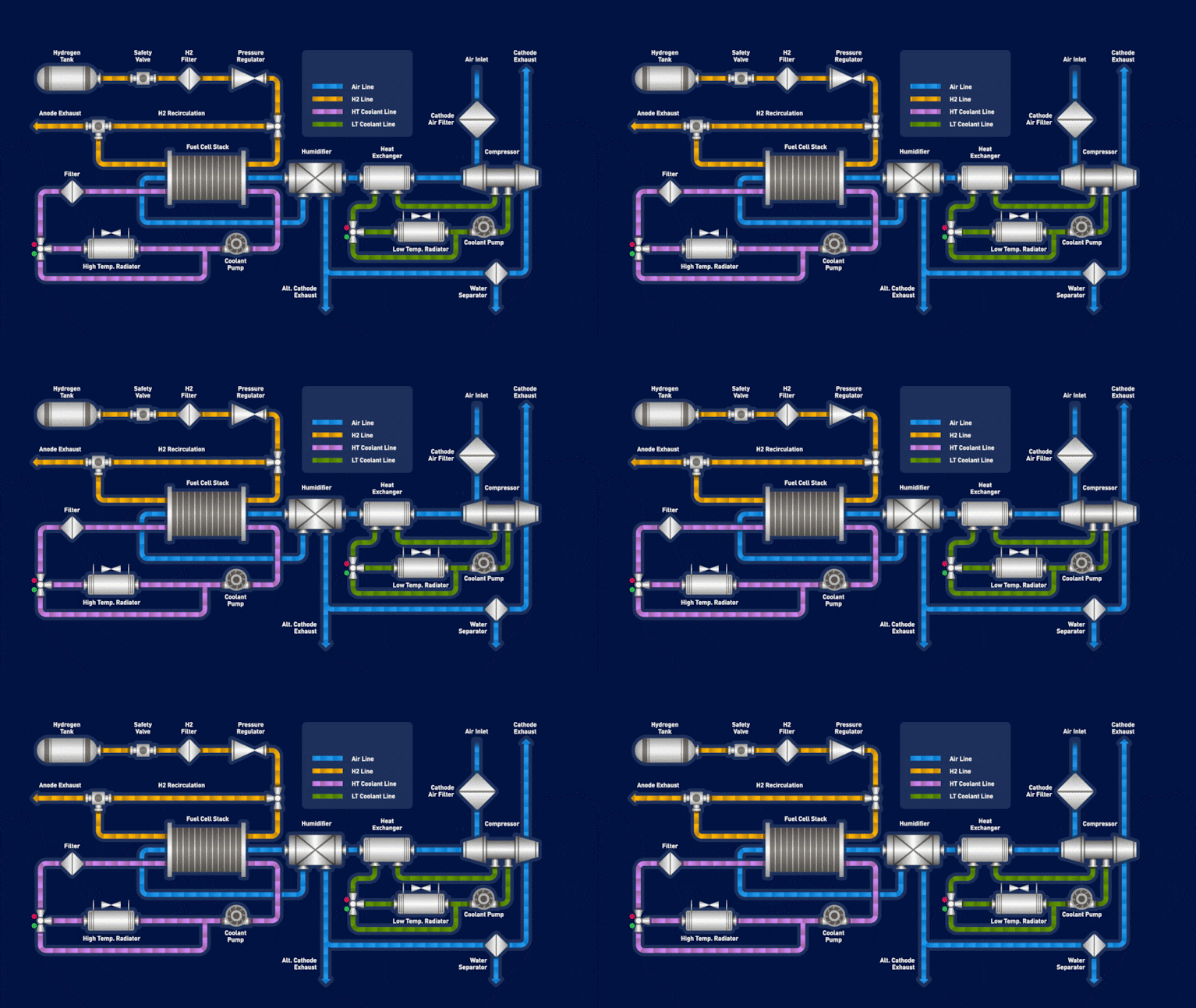
Hydrogen fuel cells, on the other hand, generate electricity from hydrogen, utilizing the power through an electric motor. Fuel cells produce no emissions besides water vapor. Fuel cells eliminate carbon emissions without replacing them with NOx or problematic quantities of water vapor.
Managing excessive heat during power generation remains one of the major challenges in hydrogen fuel cell technology.
Michael Sielemann, the Aerospace Industry Director at Modelon, a leading modeling and simulation solutions provider, states,
“If you have a gas turbine, the gas turbine has much air going through it anyway. So if there is excess heat that the engine generates that you’re not converting into thrust, the air takes it away. That’s no issue. But you don’t have this huge airflow going through the fuel cell. So you need to make up your mind on how to handle heat.”
Airbus is in favor of hydrogen fuel cells
Hydrogen’s high energy-to-mass ratio makes it very appealing for aviation, particularly in the pursuit of net-zero carbon emissions. In 2020, Airbus launched the ZEROe project to explore the feasibility of hydrogen combustion and hydrogen fuel cells.
With its low ambient density, hydrogen must be stored on the aircraft at -253°C to be used for combustion. Major design changes to the aircraft, advanced storage technologies, and usability are major hurdles when using combustible hydrogen.
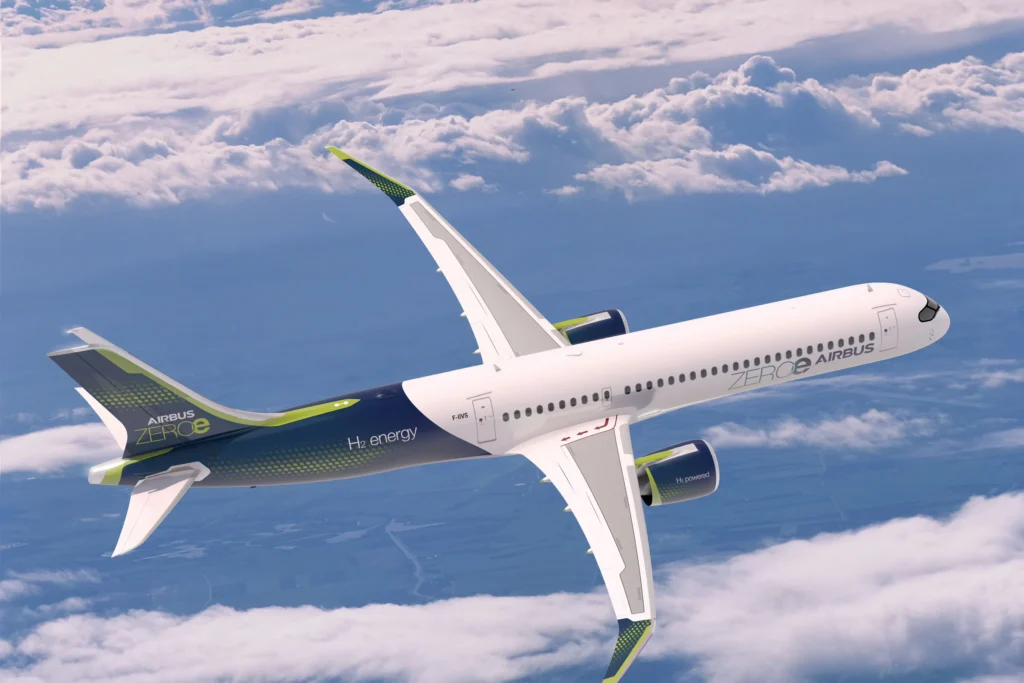
Conversely, fuel cells are cleaner and highly efficient, and do not require major design changes. Fuel cells are scalable, i.e., they can be stacked to increase their power output. The results of the fuel cell prototype and powertrain testing at Airbus showed significant benefits over hydrogen combustion.
In 2025, Airbus determined that fuel cells are the most promising option for future hydrogen-powered aircraft. These fuel cells produce electricity from hydrogen through a chemical reaction, allowing the aircraft to be fully electric. Depending on the aircraft size and mission, each propulsion system will be powered by its own stack of fuel cells.
Airbus signed an MoU with MTU Aero Engines
In June 2025, Airbus and MTU Aero Engines signed a Memorandum of Understanding (MoU) to progress further on hydrogen fuel cell propulsion. The two aerospace giants will focus on a fully electric, hydrogen-powered aircraft with a fuel cell engine. The collaboration is set to leverage Airbus’ knowledge from the ZEROe program and MTU’s expertise through its Flying Fuel Cell concept.
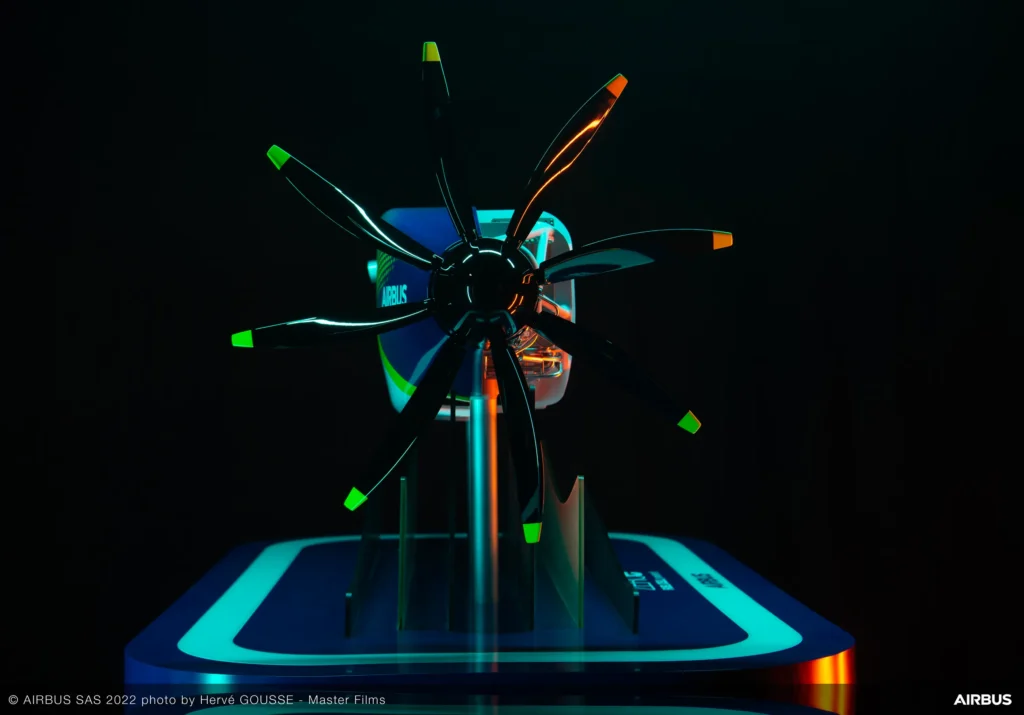
The Head of Future Programmes at Airbus, Bruno Fichefeux, stated during the announcement at the Paris Air Show,
“Our focus on fully electric fuel cell propulsion technology for future hydrogen-powered aircraft underscores our confidence and progress in this domain. Collaborating with MTU, a leader in engine manufacturing and innovation, is a perfect complement to our own advancements.”
“This partnership will allow us to pool our collective knowledge, accelerate the maturation of critical technologies, and ultimately deliver a revolutionary hydrogen-powered propulsion system for future commercial aircraft.”
The three-step roadmap will follow the technological maturity of fuel cell engines, alignment of hydrogen technologies, and the development of a fuel cell engine for a hydrogen-powered aircraft.
Featured Image: UK CAA
Sign up for our newsletter and get our latest content in your inbox.


More from


October 17, 20264 min read