


What happens when an airport loses air traffic control?

5 min read
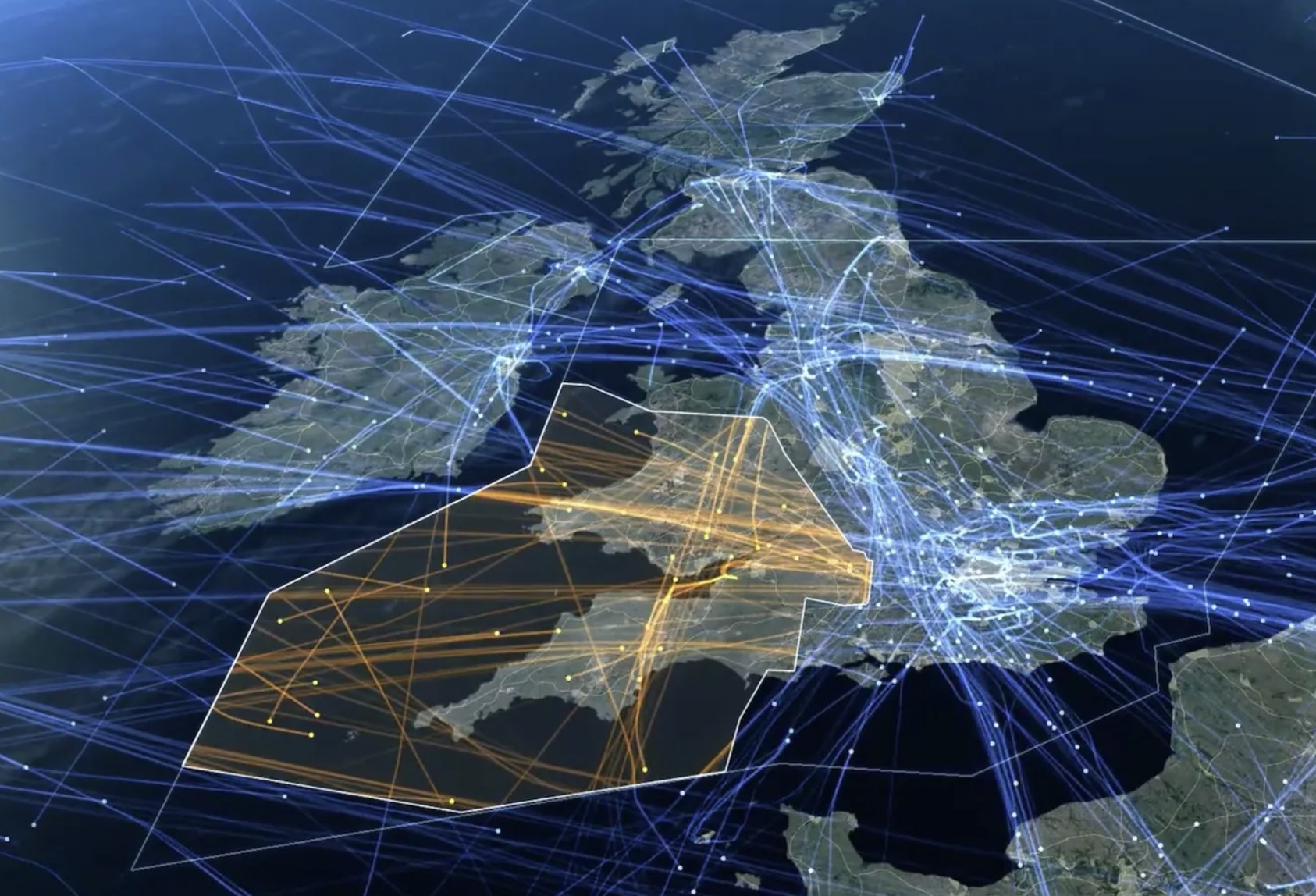
When NATS suffered a disruptive technical failure on 8 September, the effects were quickly felt across UK aviation. Flights were delayed and cancelled, aircraft were diverted and airlines had to operate with reduced air traffic control capacity.
NATS fixed the affected system, but the disruption continued as airlines dealt with stranded passengers plus aircraft and crews in the wrong place.
That is the difficult part of an ATC outage. Fixing the technical problem does not immediately restore the airline schedule.
What happens when air traffic control goes down?
An ATC outage does not necessarily mean an airport loses every control service. A problem can affect a particular system, facility or communications link, leaving controllers with less capacity than normal.
If they cannot safely handle the usual volume of traffic, flights have to be reduced. Departures may be held on the ground, arrivals restricted and aircraft rerouted until more capacity becomes available.

The aim is to keep traffic moving at a level controllers can safely manage while the problem is dealt with. Safety is always the number one priority.
What happens to aircraft already in the air?
Aircraft that are already in the air will usually keep being guided by the ATC services that are still working. Control can be passed to another team or facility if needed, and pilots have set procedures to follow if communications are lost or other problems occur.
If there is not enough space to safely bring all the approaching aircraft in, some may be slowed down or kept waiting in the air in a holding pattern. If the problem looks like it will last, aircraft may be sent to another airport instead.
Flights that have not taken off yet are easier to manage because they can simply stay on the ground. That is why passengers might be waiting at the gate while other aircraft are still flying overhead.
How are arrivals and departures restricted?
Restrictions can apply to arrivals, departures or both, depending on where the problem is happening.
Airlines may be given later departure times, while arriving aircraft can be held or spaced further apart. Departures from other airports may also be restricted if the destination cannot safely accept more traffic.
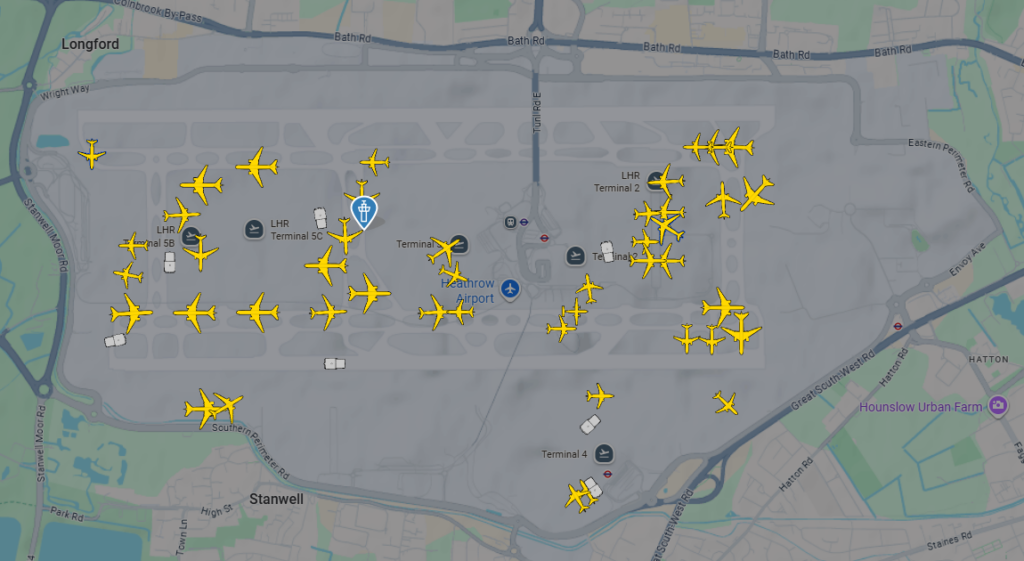
That does not necessarily mean the airport is closed. During the NATS disruption earlier this week, Heathrow stopped arrivals for the rest of the day while departures were able to resume, allowing the airport to keep operating with reduced capacity.
Why are aircraft diverted to other airports?
An aircraft may be diverted when it is no longer safe or practical to continue to its original destination. Usually it’s because there’s no room to land, because taxiways are being blocked by aircraft and air bridges are in short supply.
The alternative airport needs space for the aircraft, the right staff and facilities, and must be able to handle the passengers. Fuel, weather, runway and aircraft type also have to be considered.
If several airlines are diverting at the same time, nearby airports can quickly fill up. For passengers, that can mean landing somewhere unexpected and waiting for transport, a hotel or another flight.
How do airlines manage stranded passengers?
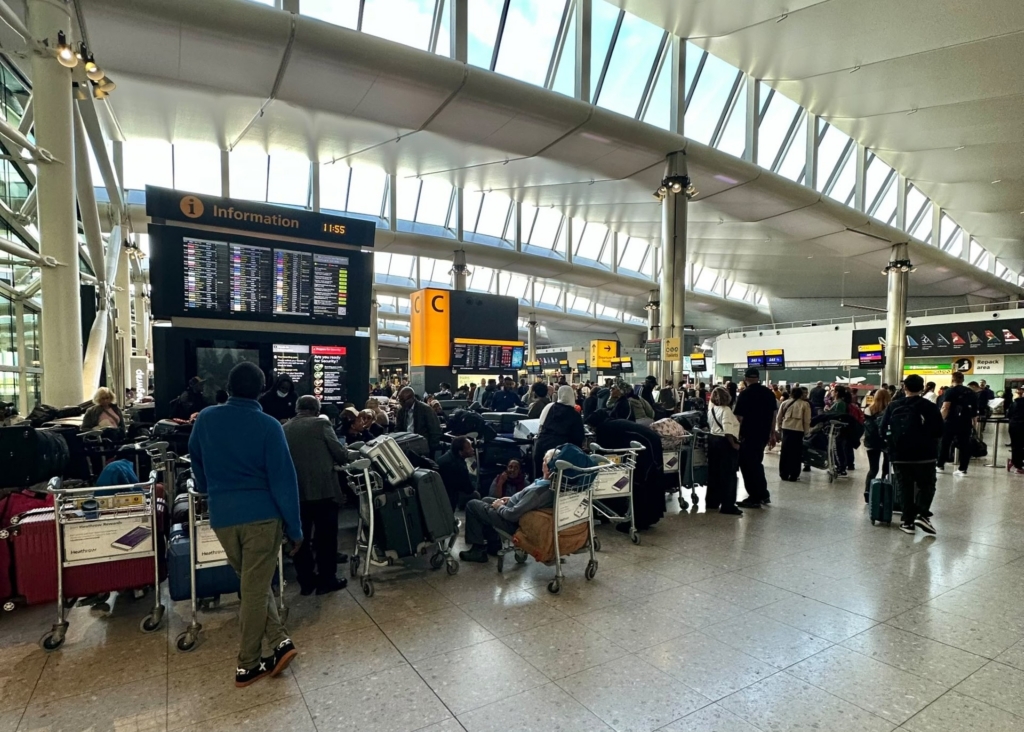
Once cancellations and diversions begin, airlines have to find ways to get passengers to their destinations while protecting the rest of their schedules.
That can mean moving passengers onto later flights or another airline, arranging hotels and transport, or helping passengers from a diverted aircraft reach their original destination.
The airline also has to consider what happens to the aircraft next. If it misses one flight, it may not be available for the next service it was due to operate, affecting passengers who were never involved in the original disruption.
What happens when crews reach their legal duty limits?
This is another big problem, because even if crews are available they may run out of working hours.
Pilots and cabin crew have strict limits on how long they can work and must have enough rest. If a flight is delayed for several hours, the crew may reach its limit before the aircraft can leave.
The airline then has to find another crew, or delay or cancel the flight. That can be difficult when other crews are also delayed or close to their own limits.
How do airlines recover after an ATC outage?
Once ATC services return to normal, airlines have to put their operation back together.
An aircraft may have been diverted to one airport while its crew ended up somewhere else, leaving both out of position for the next scheduled flight. Airlines can swap aircraft between routes, move crews on other services, use reserve staff or operate positioning flights to put aircraft where they are needed.
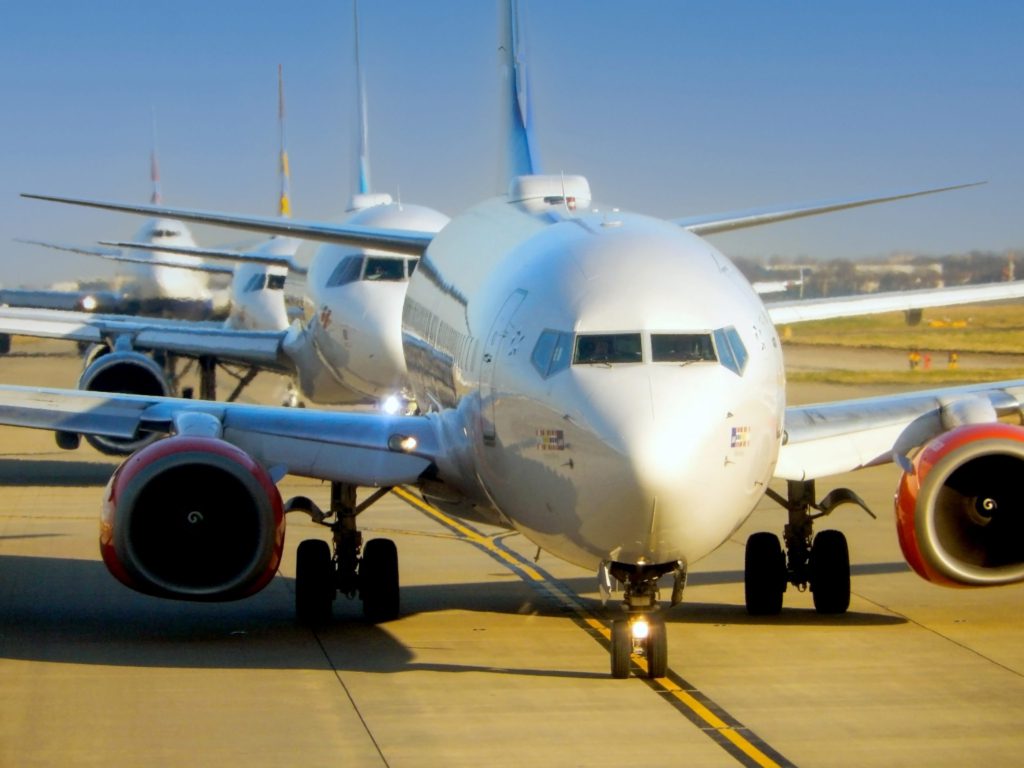
They may also cancel one service so its aircraft and crew can operate another that is more important to the wider schedule.
Why does disruption continue after ATC returns to normal?
Getting ATC back up does not mean everything goes straight back to normal. Aircraft and crews still may still be in the wrong places, while passengers need to be rebooked and missed connections sorted out.
Baggage and airport teams may also be dealing with flights that arrived hours late, which is why the disruption can carry on into the next day. Even after the NATS problem was fixed, airlines and airports still had to clear the backlog.
Airport closure or reduced ATC capacity?
There is a big difference between an airport being closed and running with reduced ATC capacity.
A closed airport cannot handle normal arrivals or departures, so flights have to be cancelled or diverted. With reduced capacity, the airport stays open but handles fewer flights than usual.
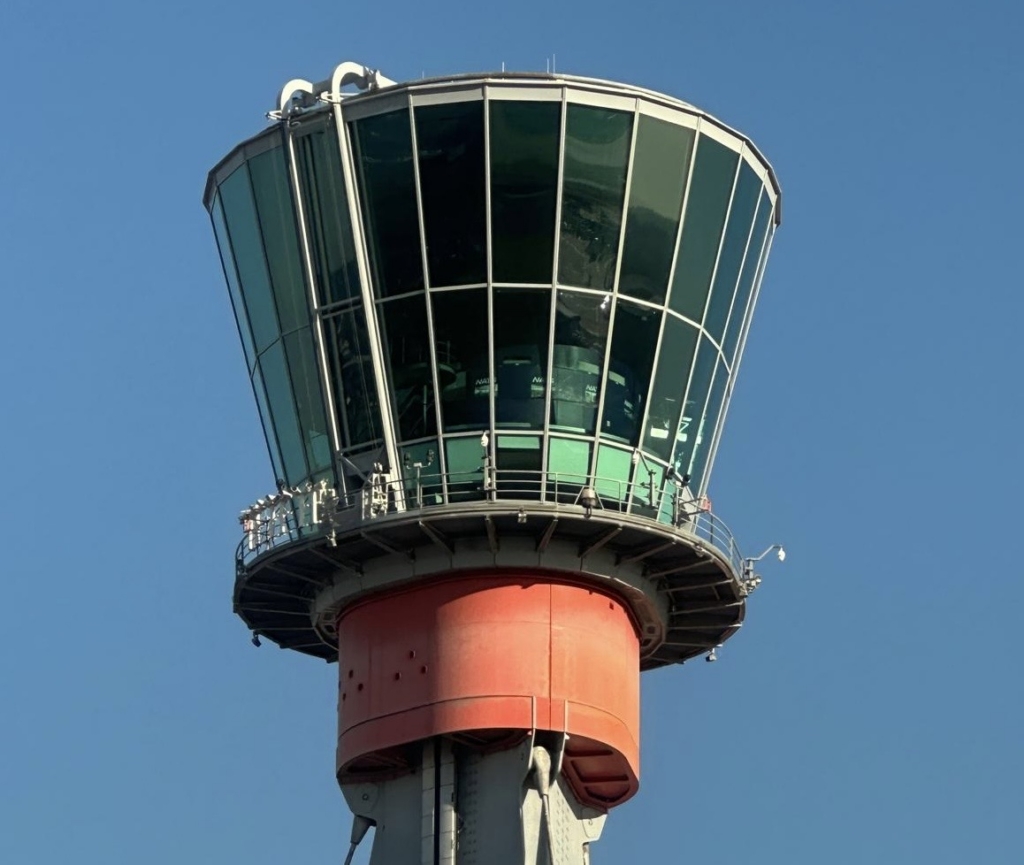
For passengers, both can mean delays and cancellations while for airlines the financial headache can be huge. But even limited ATC capacity gives airlines a chance to keep some flights moving.
Getting ATC back online may end the problem, but getting the airline back to its normal schedule can take much longer.


