


France accelerates Rafale F5 and plans new ACF fighter after FCAS collapse

3 min read

Four months after the formal end of the FCAS next fighter programme between France, Germany, and Spain, the French news outlet Les Echos has shed some light on the future of France’s next-generation efforts.
The pace at which France can pursue its efforts to upgrade the Rafale and develop a new fighter will depend on funding, including the 2027 budget.
The coming F5 “Super Rafale”
A next-generation fighter is to be a longer-term endeavour, and the Rafale will need to remain France’s fighter jet backbone into the 2040s. France is expected to officially launch the development phase of the F5, dubbed the “Super Rafale.”
The F5 Super Rafale is to come with AI-enabled systems, new optronics, an upgraded engine, and a new nuclear-capable hypersonic missile. It is being designed around manned-unmanned teaming (MUM-T) and will eventually have Collaborative Combat Aircraft.
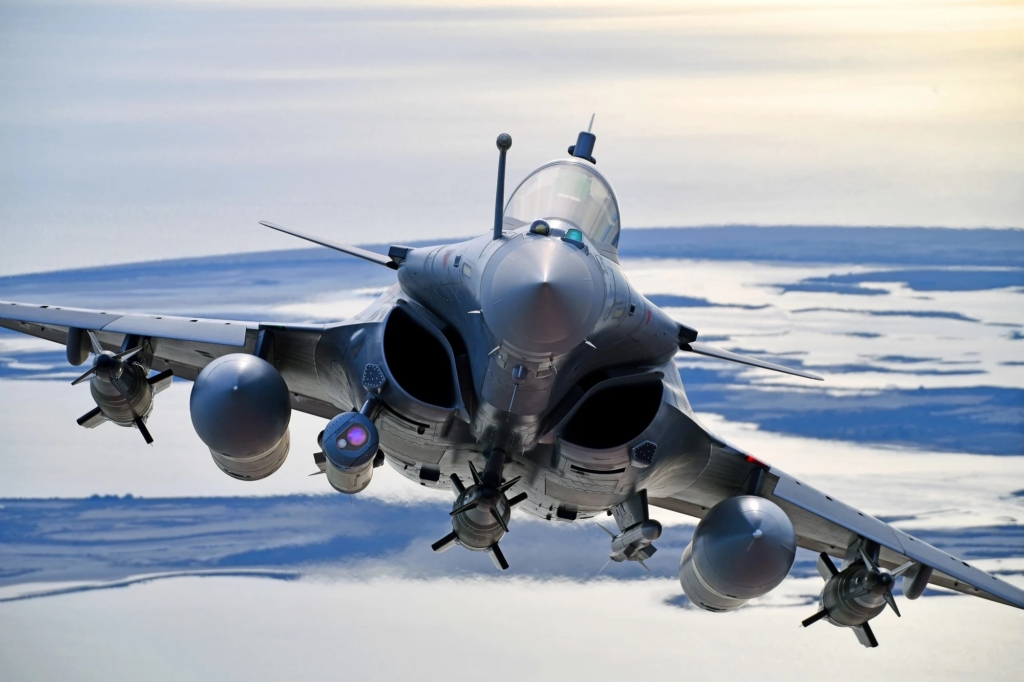
France’s Dassault has already begun flight testing two AI algorithms (one by Harmattan AI) on the Rafale. Work is set to begin on the HypAIRion project to develop collaborative combat aircraft. Two Mirage 2000s are being used as AI testbeds as part of the effort. Rafale is expected to fly with a drone in 2028.
France also appears set to allocate the funds to accelerate the programme. The Rafale F5 programme could receive up to €3 billion in orders, with nearly €628 million in expenditure planned for 2027.
It is also assessed that France will need at least 230 Rafales by 2035, at least five more than previously planned and substantially more than today’s 170.
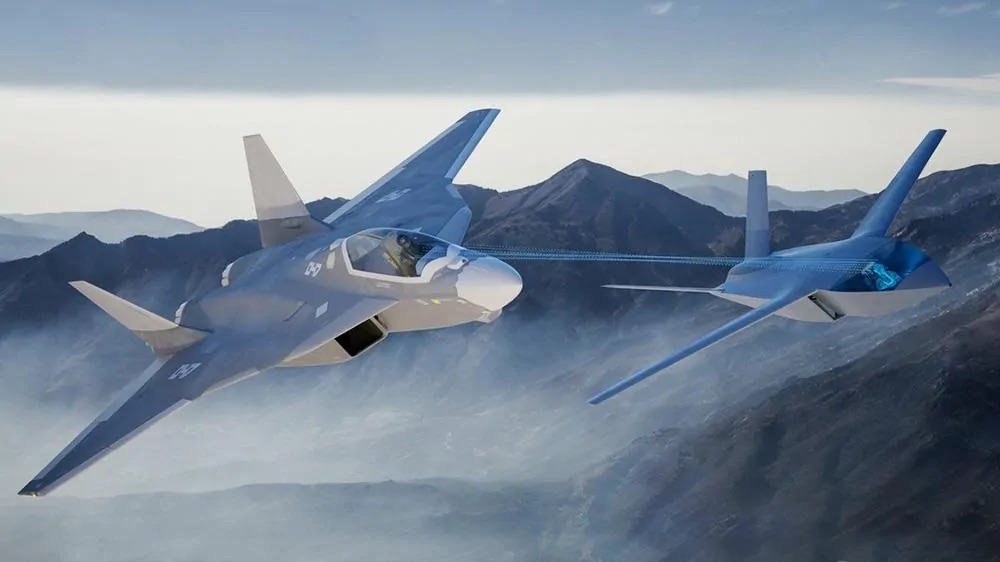
The future 6th-generation Dassault ACF fighter
France is no longer calling its next-generation programme the internationalized name, NGF (New Generation Fighter). Instead, it is being called by its French name, ACF for avion de combat du futur (“future combat aircraft”).
From 2027, France is expected to begin the phase leading to the ACF prototype’s first flight. This does not mean the prototype will fly in 2027; Dassault has previously indicated a possible first flight around 2031–32.
In 2029, the development of the operational version is expected to begin. Les Echos notes, “In short, the future of the Rafale F4’s successor will largely be decided within three years.”

Currently, around €2.7 billion in authorisations are earmarked for the ACF, of which €570 million could be spent in 2027.
Armed Forces Minister Catherine Vautrin told the National Assembly that France had not lost the money invested in FCAS, saying that funding had been redirected towards the new fighter programme. Work is ongoing on developing a new engine (the Turenne 2 programme) and the architecture for the aircraft.
France is attempting to preserve the original development schedule. This is a massive task without German (and Spanish) contribution.
It is unclear how France can achieve this alone or if it will be forced to rein in some of the more ambitious elements of the old fighter programme.
France is open to other countries joining its ACF programme
While France may want to remain in control of the ACF programme, it is also open to funding from partners, “given current budgetary constraints and the uncertainties surrounding the vote in the National Assembly and Senate.”
So far, most discussion has been around India joining the programme. India’s Ministry of Defence has recently said that it has “initiated efforts in a concerted manner to co-join the 6th Generation Fighter Aircraft Development Programme, viz. Future Combat Air System (FCAS) spearheaded by the French Government.”
Talks with India remain exploratory at this stage. Politico reports that France has also signaled it is willing to work with Sweden’s Saab. For now, it seems former partner Spain is pursuing a different path.
Meanwhile, Germany continues to mull its options, with Britain’s Andy Burnham saying it is welcome to join the GCAP programme in some undefined capacity.
The future of GCAP looks secure with heavyweights Britain, Japan, and Italy all committed to it, Canada joining as an observer, and Germany, Singapore, and others reportedly interested.








