US approves $250m fighter training package for Australia’s Super Hornets and Growlers

5 min read
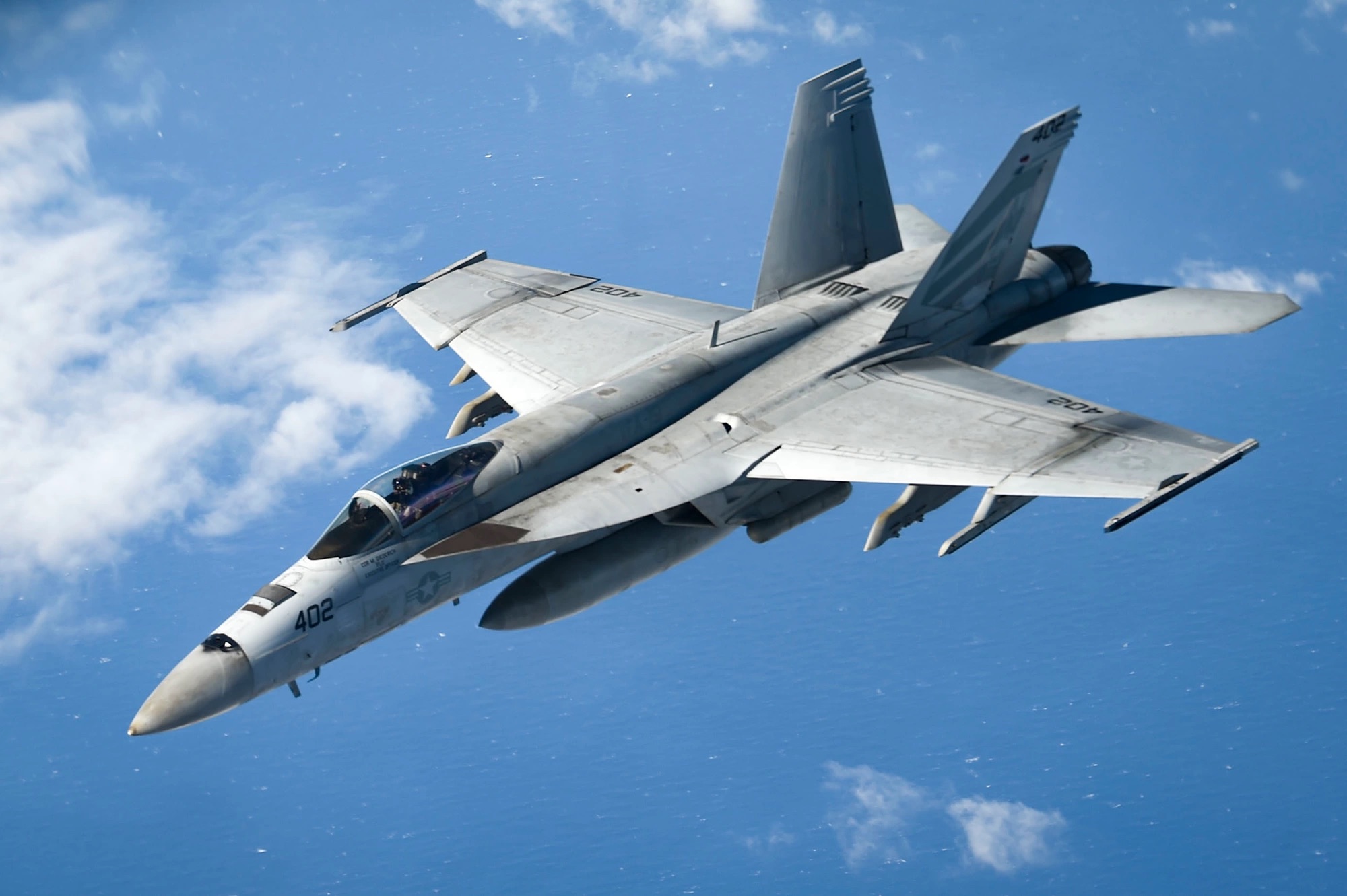
The United States has approved a potential $250 million fighter aircraft training package for Australia, extending long-term support for the Royal Australian Air Force’s F/A-18F Super Hornet and EA-18G Growler fleets as Canberra continues to modernise its combat air capability.
The approval follows last year’s proposed $2 billion Foreign Military Sale (FMS) covering sustainment support for the same aircraft, underlining Australia’s strategy of keeping its frontline strike and electronic warfare fleet combat-ready while introducing newer capabilities such as the F-35A Lightning II and MQ-28 Ghost Bat.
Unlike a conventional arms sale, the package does not involve additional aircraft. Instead, it covers classified and unclassified aircrew and maintenance training, protective personnel equipment, technical manuals, logistics support and other programme services required to keep Australia’s Super Hornet and Growler force mission-ready.
The proposal also includes US government and contractor technical support as well as associated programme management.
The notification comes at a time when Australia’s air combat strategy is becoming increasingly diversified. While the Royal Australian Air Force (RAAF) continues expanding its F-35A Lightning II fleet and developing autonomous combat aircraft under the MQ-28 Ghost Bat programme, the Super Hornet and Growler remain central to Australia’s strike and electronic warfare capability.
US training package builds on Australia’s Super Hornet and Growler sustainment plan
The training package follows the US State Department’s approval in June 2025 of a potential $2 billion FMS covering logistics, engineering, maintenance, software support, spare parts and other sustainment requirements for Australia’s F/A-18F Super Hornet and EA-18G Growler fleets.
The approvals demonstrate that Canberra’s focus is not on expanding aircraft numbers but on ensuring its existing combat fleet remains operationally effective for years to come.
According to the US Defense Security Cooperation Agency, the package consolidates previous FMS cases dating back more than a decade.
Earlier training agreements were approved in 2010, expanded in 2015 and amended again in 2018.
The latest amendment brings the overall programme value to approximately $250 million after a technical review determined that an earlier amendment should have been submitted to Congress because it exceeded the notification threshold.
The US government said the proposed sale supports American foreign policy objectives by helping one of its closest Indo-Pacific allies maintain a strong and ready self-defence capability.
It added that the enhanced training would improve Australia’s ability to meet current and future threats while strengthening interoperability with US and allied forces.
Australia’s F/A-18F Super Hornets remain central to RAAF strike operations
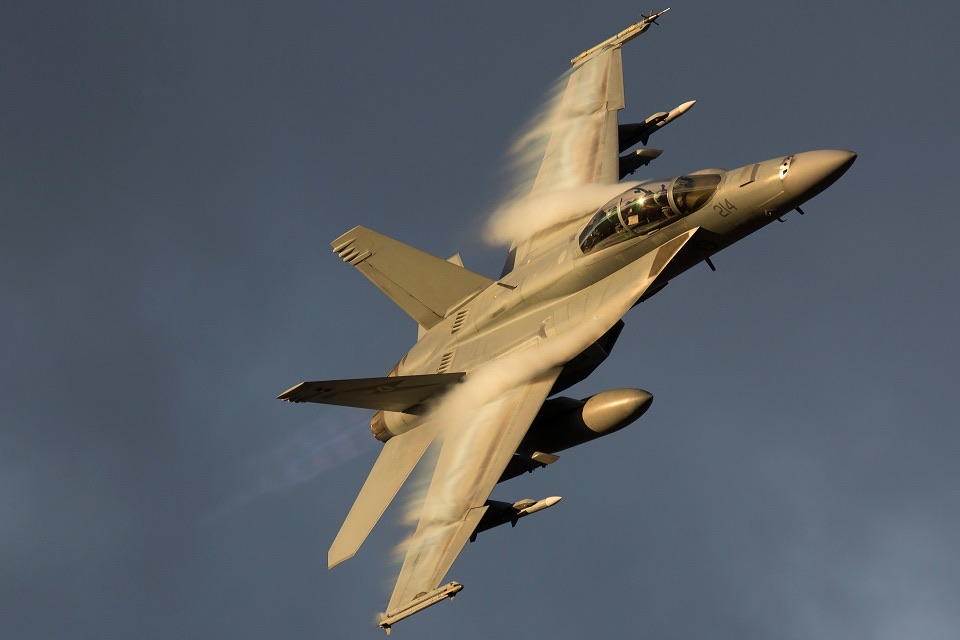
Australia operates 24 Boeing F/A-18F Super Hornets from No. 1 Squadron at RAAF Base Amberley. Introduced into RAAF service in 2010 and achieving Final Operational Capability in 2012, the twin-seat multirole fighters continue to undertake air interception, air superiority, close air support and maritime strike missions.
Powered by two General Electric F414 engines, the aircraft can reach speeds of Mach 1.6 and employ a broad range of precision-guided weapons, including AIM-120 AMRAAMs, AIM-9X Sidewinders, Joint Direct Attack Munitions, AGM-154 Joint Stand-Off Weapons and AGM-84 Harpoon anti-ship missiles.
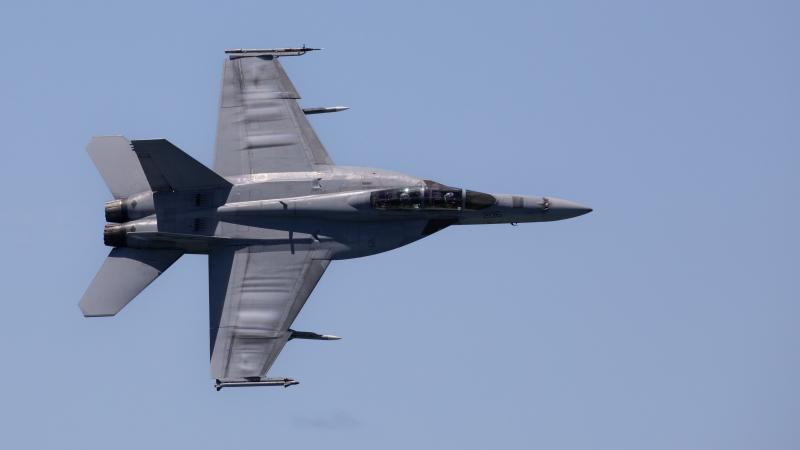
Advanced radar, targeting and electronic warfare systems allow the aircraft to perform strike, air defence and maritime operations across Australia’s vast operating environment.
Although stealth aircraft increasingly dominate discussions about future air combat, the Super Hornet remains one of the world’s most capable fourth-generation-plus fighters.
Its open architecture has enabled repeated avionics and mission-system upgrades, extending its operational relevance well beyond its original service life.
Former US Navy F/A-18 instructor Trevor “Gonky” Hartsock recently described the aircraft as a robust platform whose upgrade potential continues to keep it effective despite the emergence of fifth-generation fighters.
EA-18G Growler fleet gives Australia a unique electronic warfare capability
Perhaps even more strategically important is Australia’s fleet of 12 EA-18G Growlers.
Australia remains the only nation outside the United States to operate the dedicated airborne electronic attack aircraft, giving the RAAF a highly specialised capability to jam enemy radar systems, suppress integrated air defences and support strike packages operating in contested airspace.
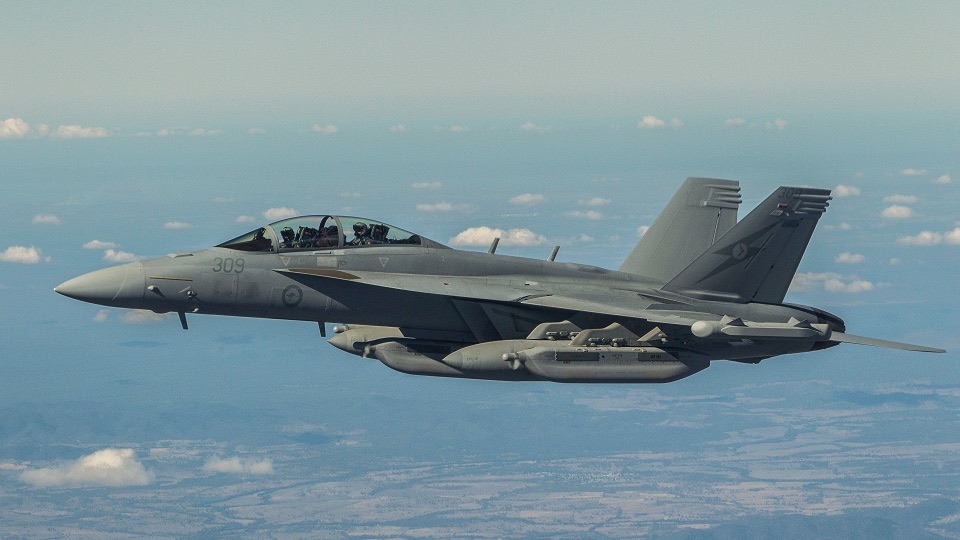
As electronic warfare becomes increasingly important in modern conflicts, maintaining highly trained aircrew and maintenance personnel is as critical as sustaining the aircraft themselves.
The latest training package, therefore, supports one of Australia’s most valuable high-end combat capabilities while ensuring continued interoperability with US forces across the Indo-Pacific.
RAAF modernisation combines Super Hornets, Growlers, F-35s and MQ-28 Ghost Bat
The training approval also reflects Australia’s broader approach to air combat modernisation.
Rather than replacing the Super Hornet fleet outright, Canberra is building a layered force structure that combines fourth-generation strike aircraft, fifth-generation stealth fighters and emerging autonomous systems.
Alongside its Super Hornets and Growlers, the RAAF is introducing the Boeing MQ-28 Ghost Bat collaborative combat aircraft.
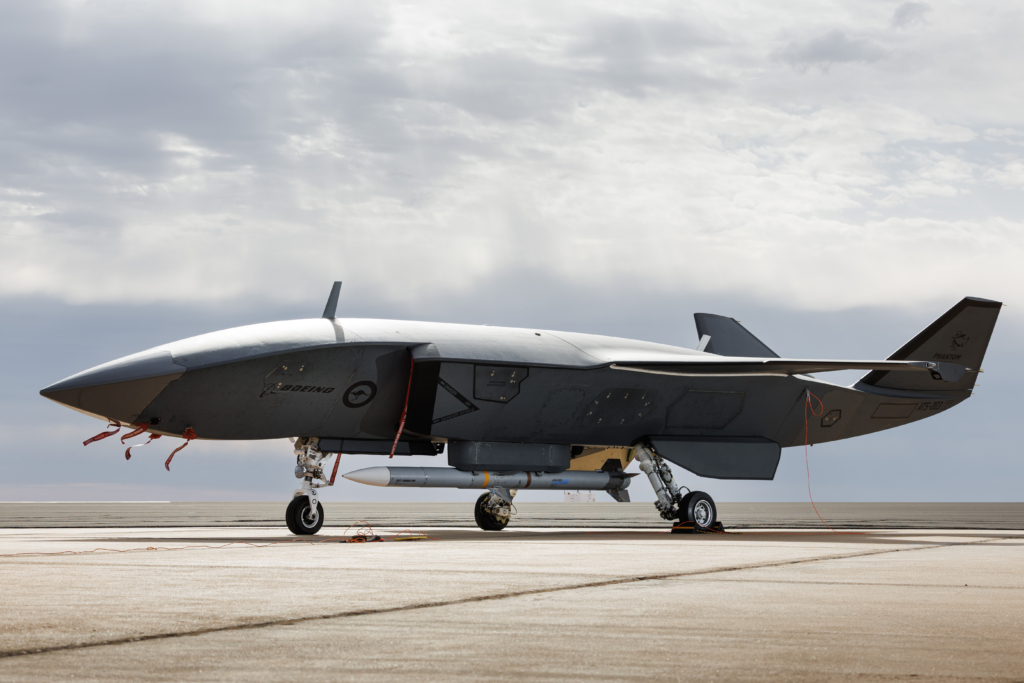
Developed in Australia in partnership with Boeing Defence Australia, the Ghost Bat is designed to operate alongside crewed aircraft, using autonomous technologies and artificial intelligence to extend sensing, strike and survivability during complex missions.
It is the first military combat aircraft to be designed and manufactured in Australia in more than 50 years.
That combination of crewed fighters, dedicated electronic attack aircraft and autonomous collaborative platforms reflects the direction many Western air forces are taking as they prepare for future high-intensity operations.
Rather than signalling continued reliance on ageing aircraft, the latest US approval demonstrates Australia’s determination to preserve combat readiness throughout that transition.
By investing in training as much as technology, Canberra is ensuring that experienced aircrew remain capable of operating an increasingly sophisticated and integrated air combat force.
Featured image: DVIDS
Sign up for our newsletter and get our latest content in your inbox.


More from


October 13, 202612 min read