


Donald Trump’s Iran war was a ‘death sentence’ for Spirit Airlines, say US lawmakers

3 min read
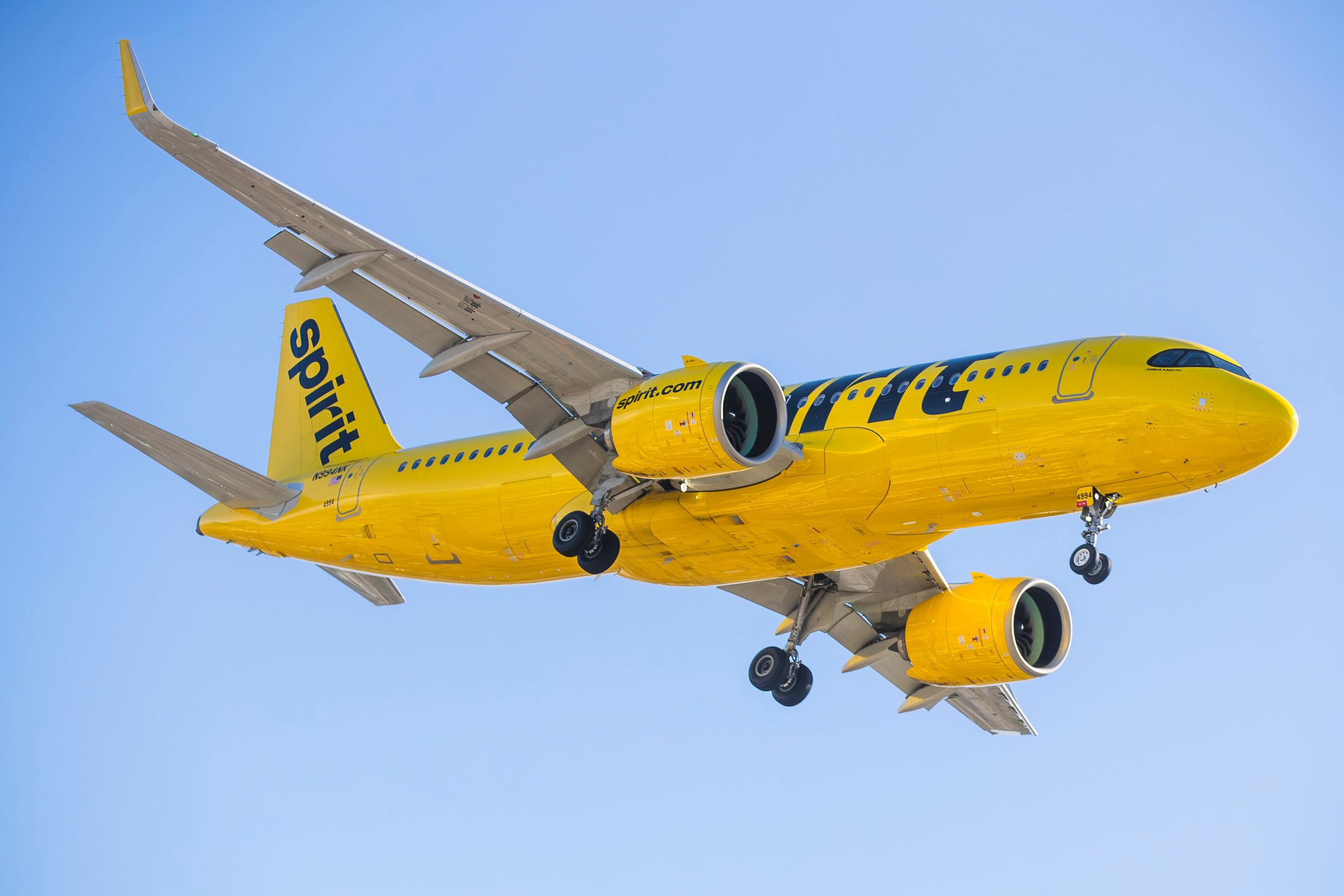
Two leading Congressional voices have blamed the collapse of Spirit Airlines on Donald Trump’s war on Iran, saying that spiking jet fuel costs attributable to the conflict in the Middle East were a “death sentence” for the low-cost carrier.
Jet fuel prices ‘doubled overnight’
Speaking at a hearing on airline consolidation in Washington DC, Jamie Raskin, Ranking Member of the House Judiciary Committee, laid the blame for Spirit’s demise squarely at the US president.
“We can’t have a serious conversation about the demise of Spirit Airlines without talking about the main culprit: the president’s disastrous and illegal war with Iran,” he said.
Citing the “cost of jet fuel [doubling] overnight”, he said Spirit had borne unsustainable losses from the volatile price of Jet A1 since it was already struggling to make a profit.
“For an ultra-low-cost carrier like Spirit, which operates on paper thin margins to deliver the best value to consumers, that was a death sentence,” the Democrat said.
Congresswoman Becca Balint, Member of the Subcommittee on the Administrative State, Regulatory Reform, and Antitrust, echoed those views.
Delivering her opening remarks at a subcommittee hearing examining airline consolidation, she said: “Spirit is gone now, but not because of antitrust enforcement. Spirit is gone because of the massive spike in jet fuel costs that are a direct result of President Trump’s unconstitutional war with Iran. Even the Spirit CEO said that fuel prices were the biggest factor in closing the airline.”
She added: “President Trump’s war of choice has made it all worse. Jet fuel prices have roughly doubled since the war began. Airlines are passing that burden directly down to their passengers through higher fares, more fees, and new fuel surcharges.”
Economists agree about the impact of the LCC on affordability of air travel.
Dubbed the “Spirit effect”, when a budget airline launches a route, the price of tickets on legacy carriers drops by around a fifth on average.
Is it true that fuel prices killed off Spirit Airlines?
While it is certainly true that fuel prices were the deciding factor in whether Spirit lived or died, its cards were marked since the Covid pandemic.
The airline never fully recovered from the downturn in air travel and the carrier endured two bankruptcies and a failed merger with JetBlue.
Increased domestic competition, falling passenger numbers, and poor financial performance did not help.
In its dying days, the company sought a bailout from the Trump administration; however when talks to secure that payout failed, the airline had no option but to fold.
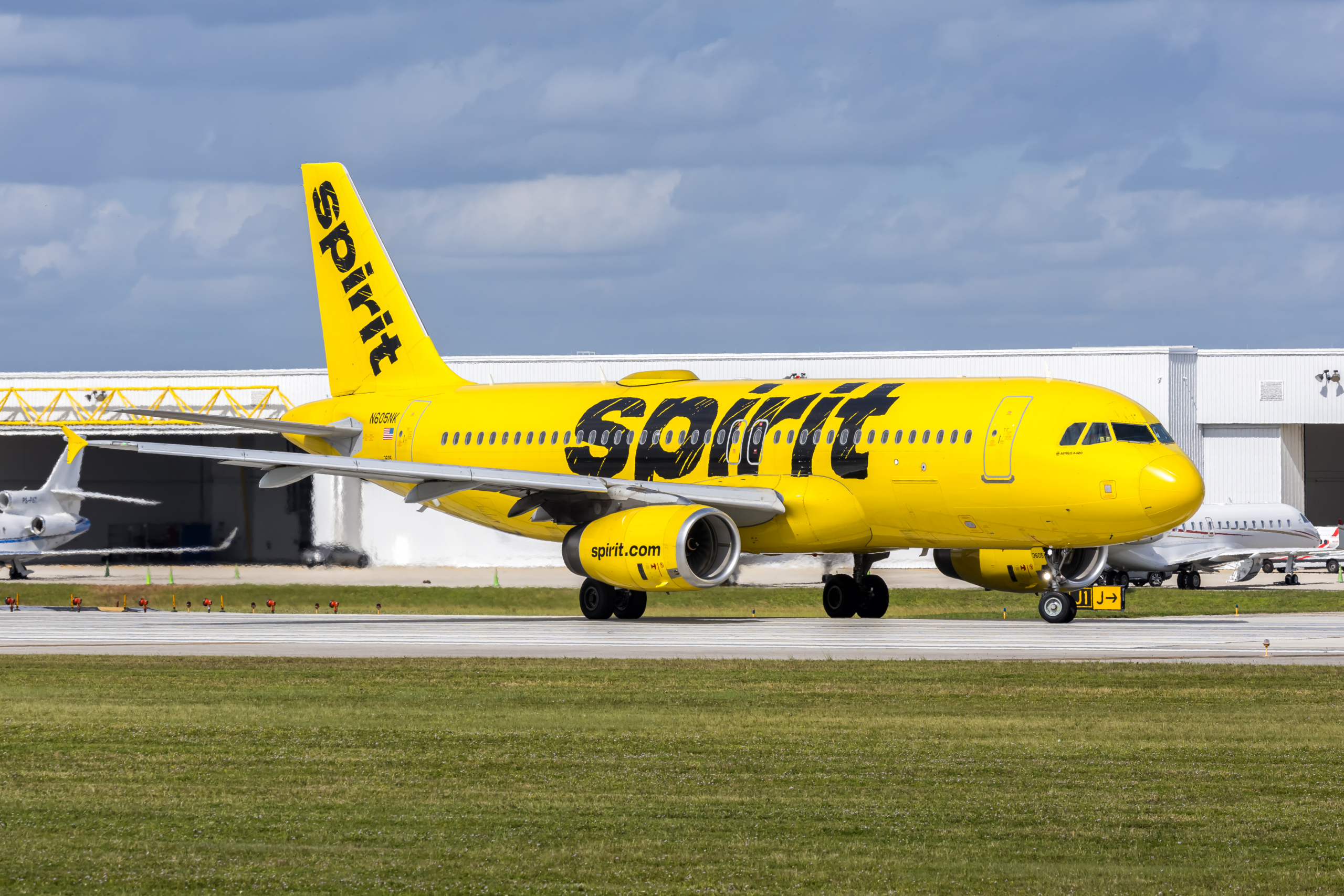
Warning over US airline consolidation
The debate over the failure of Spirit Airlines came as part of a wider discussion on the health of the US airline industry.
Both Raskin and Balint voiced their concern about consolidation within the sector, warning of the impact for consumers of having fewer airlines to chose from.
“In 2000, the four largest carriers controlled roughly 60 percent of domestic traffic. Today they control about 80 percent,” said Raskin.
“One merger after another has consolidated the market power of the four major airlines: American, Delta, Southwest, and United. The result: higher prices, lower wages, and growing profits.”
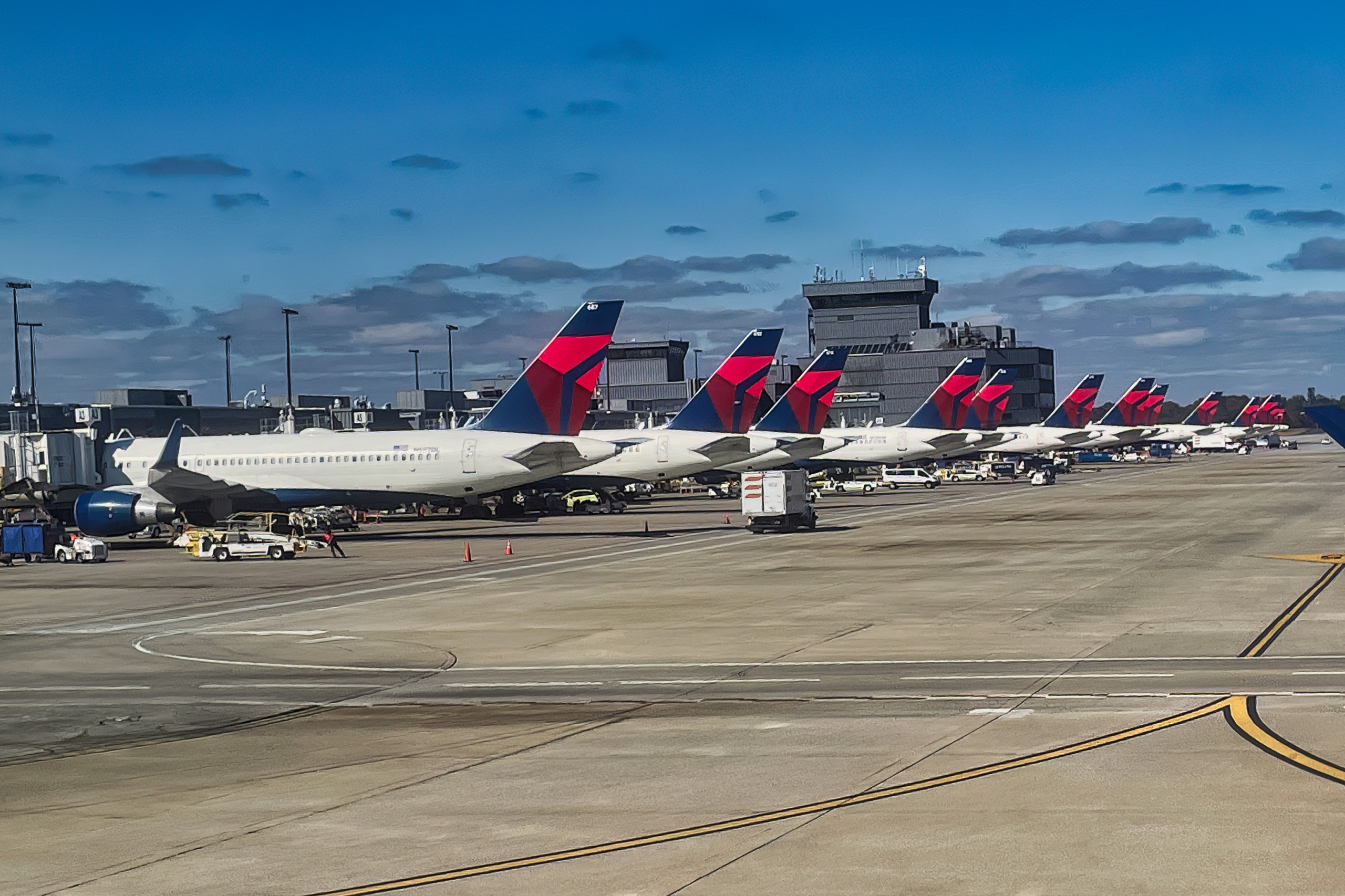
The drive to consolidate arguably peaked earlier this year amid rumours of a merger between United and American Airlines – and fourth and second largest airlines in the US, respectively – though the latter quickly poured cold water on the suggestion.
The combined United-American airline would have controlled 34% of the domestic US market.
Featured image: KKF / stock.adobe.com
Sign up for our newsletter and get our latest content in your inbox.


More from


September 25, 20264 min read


