What happened to EgyptAir’s Airbus A220s?

4 min read
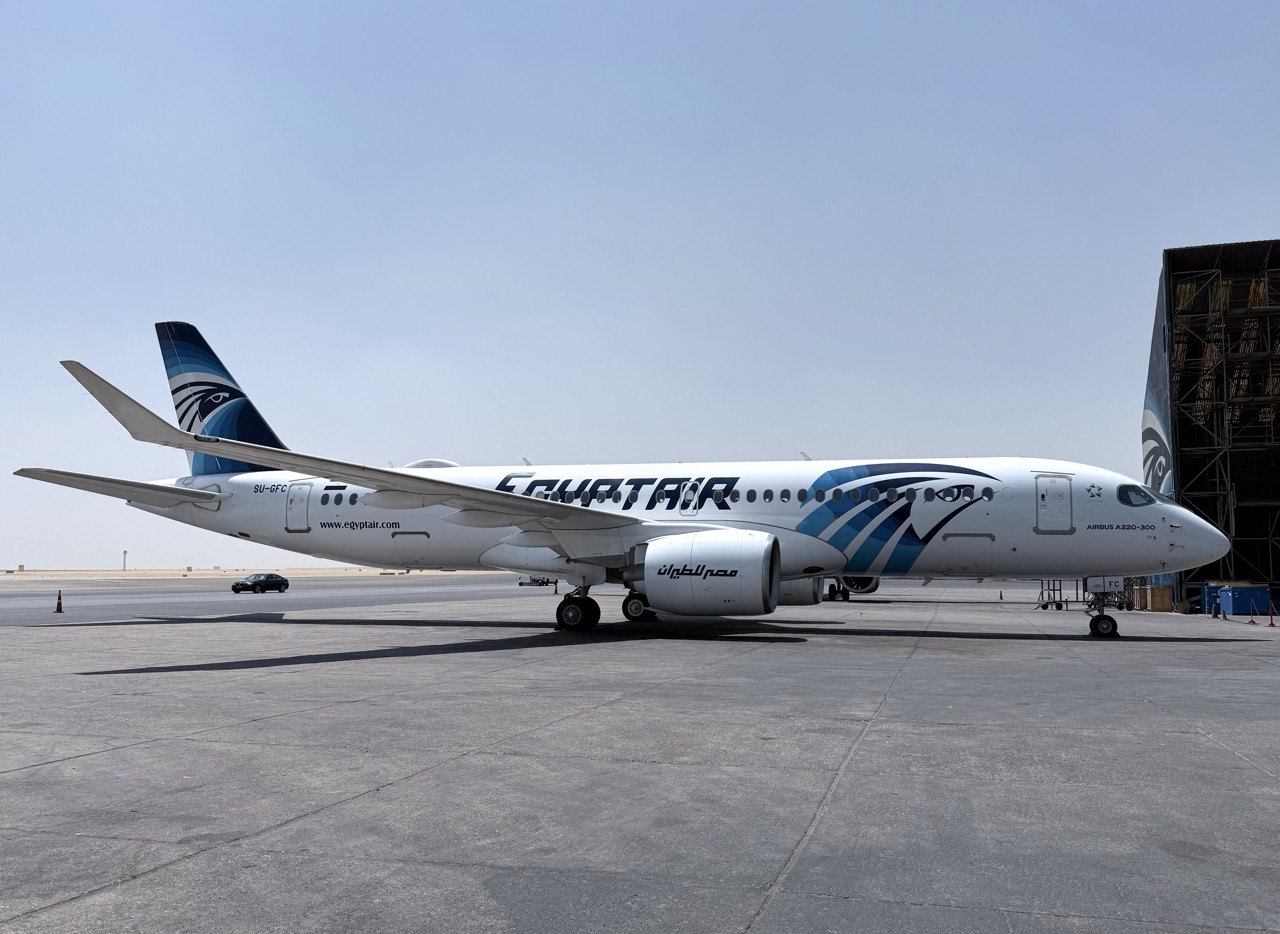
EgyptAir‘s 12 Airbus A220s spent only a brief time as part of the airline’s fleet mainly due to problems with the Pratt & Whitney engines that kept the planes grounded for extended periods. These issues forced the Egyptian flag carrier to operate older jets on routes intended for the A220, resulting in less efficient operations. To address the resulting losses, EgyptAir opted to sell the aeroplanes through aircraft lessor Azorra.
While most of the airline’s former A220-300s have gone on to fly for other carriers, some have become parts donors, helping ease industry-wide shortages still affecting the A220.
Azorra completes placement of all 12 EgyptAir A220s
On 10 June of this year, Azorra announced it had completed the placement of all 12 aircraft acquired from EgyptAir as part of the airline’s fleet transformation programme.
The final aircraft in the portfolio, purchased in February 2024, has now been delivered to Breeze Airways.

“This transaction highlights Azorra’s ability to create innovative solutions that deliver value across the aviation ecosystem,” said Azorra chief executive John Evans, expressing confidence in the aircraft type. “We remain strong believers in the A220 and the tremendous value it creates for airlines through its economics, performance and passenger experience.”
Capt. Ahmed Adel, chairman and chief executive of EgyptAir Holding Company, added: “We are pleased to have completed this transaction with Azorra, which formed an important part of our fleet transformation strategy.”
Why did EgyptAir retire the A220?
EgyptAir was an early customer for the Airbus A220-300, taking delivery of 12 aircraft between 2019 and 2021.
However, the type’s stay in the fleet proved short-lived. Former EgyptAir chairman Ahmed Adel previously acknowledged that the airline had experienced numerous problems with the aircraft and decided to phase out the type. By 2024, all 12 of EgyptAir’s A220 aircraft had left the fleet.

The move came amid reliability issues affecting Pratt & Whitney geared turbofan engines, which have disrupted operators across the industry.
Pratt & Whitney recalled the GTF series engines in 2023 after discovering that contaminated powdered metal had been used in the manufacture of certain parts, resulting in corrosion and cracking. The company has been addressing hundreds of affected engines and supporting airline customers, but the fault has had a severe impact on operators of both the Airbus A320neo and the A220.
Seven aircraft found a home at Breeze Airways
The biggest beneficiary of EgyptAir’s exit from the A220 has been US carrier Breeze Airways. The low-cost airline has focused its model on underserved markets where a lower-capacity narrowbody plane can prove more profitable than larger narrowbodies.
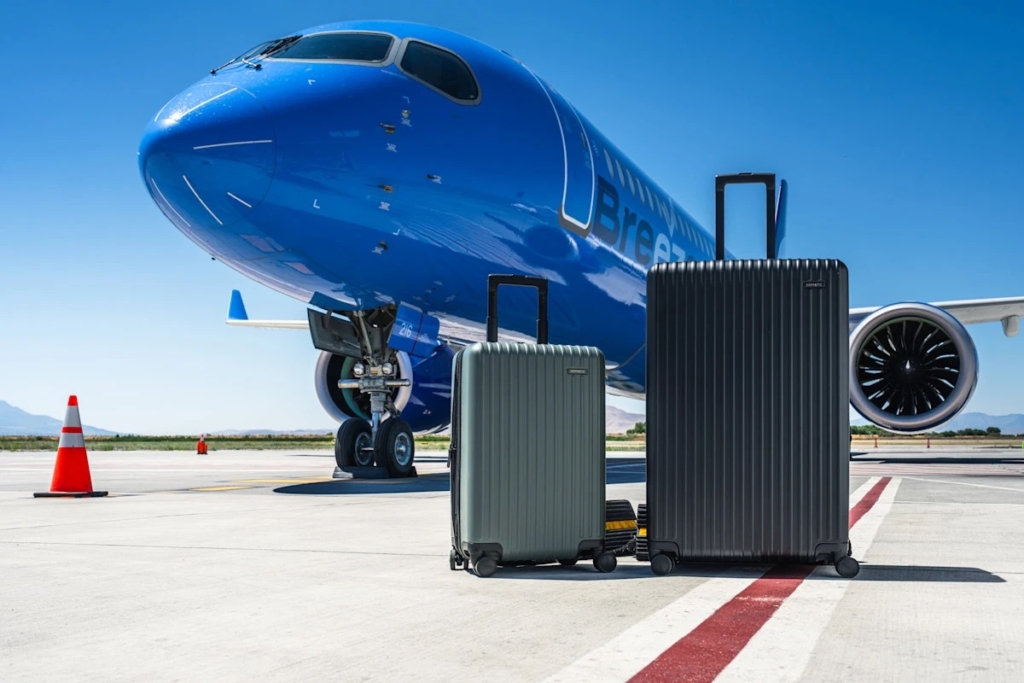
Seven aircraft from the EgyptAir fleet now fly for the airline, with the twelfth and final aircraft from Azorra’s portfolio recently joining Breeze.
The aircraft are:
- SU-GFA
- SU-GFB
- SU-GFC
- SU-GFD
- SU-GFG
- SU-GFH
- SU-GFI
Breeze has built the world’s third-largest A220 fleet and has continued to expand its network around the type.
One aircraft joined Cyprus Airways
Another aircraft, formerly registered SU-GFE, entered service with Cyprus Airways as 5B-DEC. The airline currently operates a fleet of four A220-300s and two Airbus A320-200s.

The aircraft is the only former EgyptAir A220 flown by a European operator.
Four aircraft supply spare parts
The remaining four aircraft are being used for spares for existing A220s in service. Former EgyptAir A220-300 SU-GFJ was re-registered as N560AZ and acquired by Delta Material Services for its parts. Delta has a fleet of 86 A220s, including 45 A220-100s and 41 A220-300s.
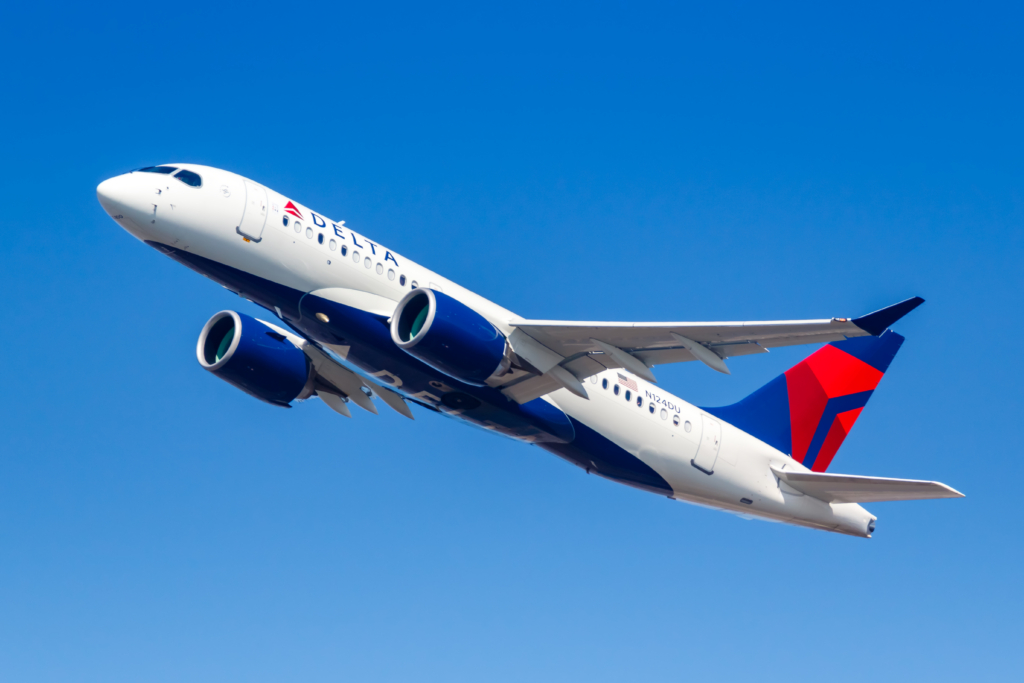
Three others remain under Azorra ownership and are listed as being used for spare parts support:
- N607BU (formerly SU-GFK)
- N563AZ (formerly SU-GFL)
- N562AZ (formerly SU-GFM)
In effect, one-third of EgyptAir’s former A220 fleet now supports maintenance of active aircraft.
“Beyond expanding our A220 portfolio, these aircraft are helping address critical spare engine and parts availability challenges while supporting operators around the world,” Azorra’s Evans said.
From failed fleet to industry support network
Although EgyptAir’s A220 programme proved short-lived, the aircraft have continued to serve the industry.
Some still carry passengers supporting airline networks, while others have become valuable sources of engines and components as operators face ongoing supply chain pressures and maintenance bottlenecks. In this way, he aircraft that EgyptAir decided it no longer wanted are now helping keep other A220s flying.
Featured Image: Azorra
Sign up for our newsletter and get our latest content in your inbox.


More from

October 17, 20264 min read