Beyond the air taxi: Sora’s latest flight tests point to a bigger future for electric aviation

4 min read
Much of the electric aviation industry’s attention has centred on air taxis carrying four or five passengers across cities. Sora Aviation is taking a different approach.
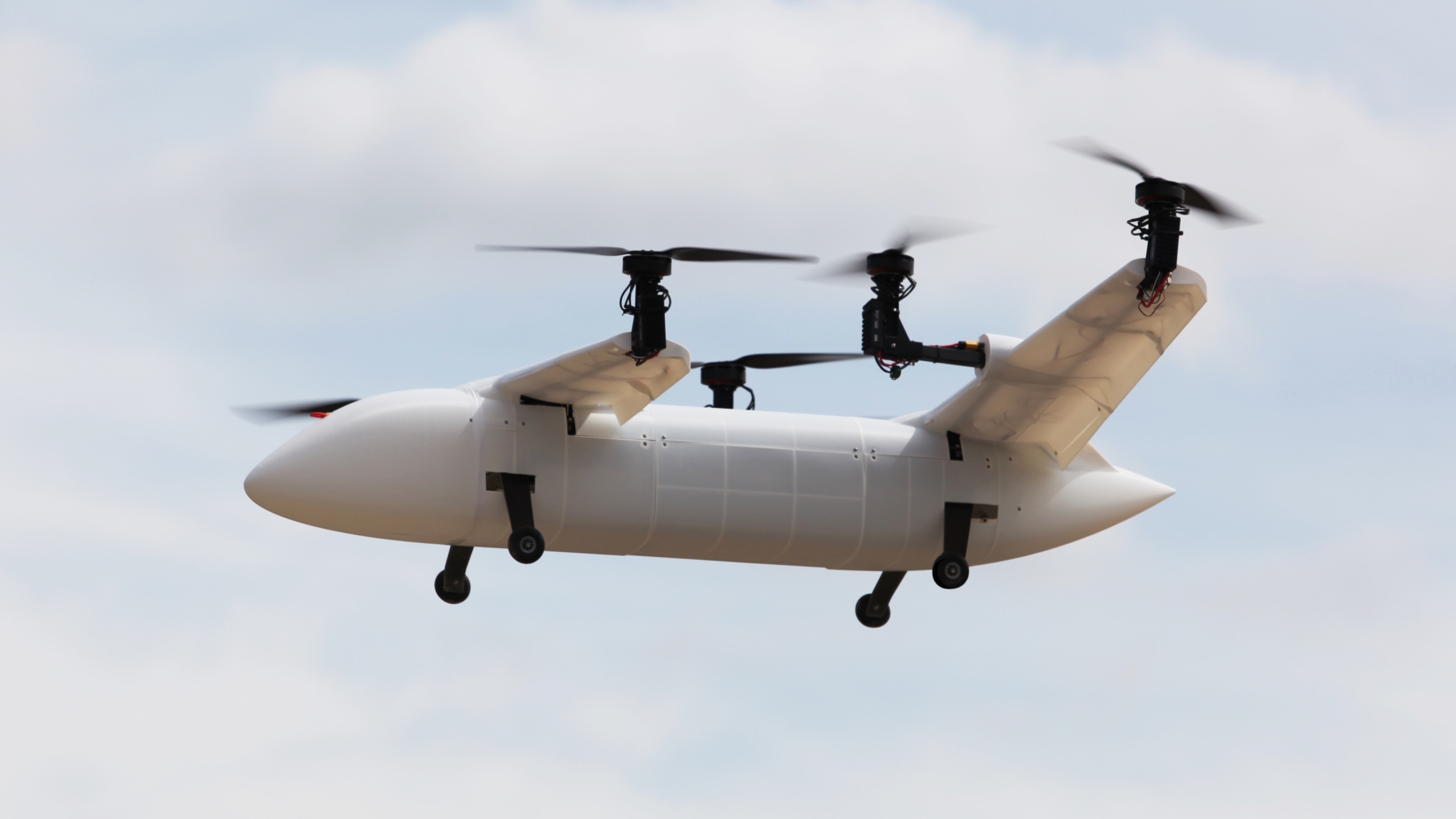
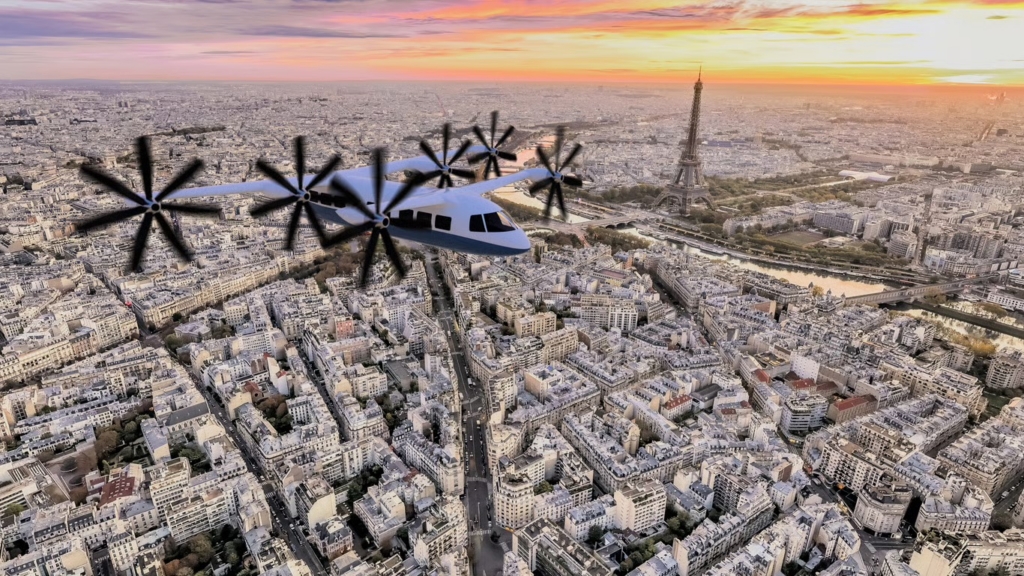
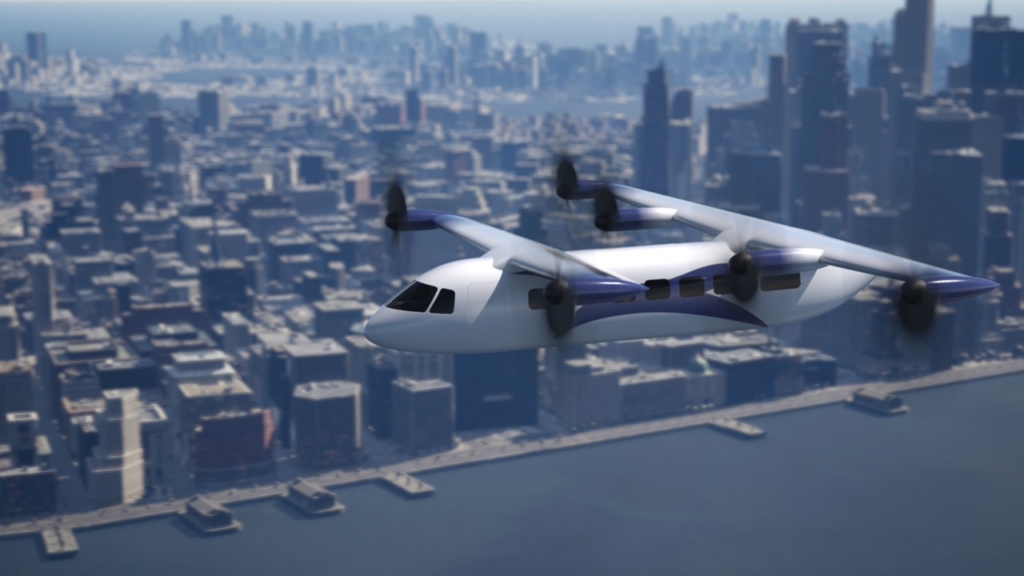
The British company has completed several months of vertical take-off and landing (VTOL) flight testing with a subscale demonstrator as it works towards developing the S-1, a proposed 30-seat electric aircraft.
While the test aircraft is only a fraction of the size of the planned design, the campaign marks an important step in reducing technical risk before construction begins on a full-scale prototype.
The trials were carried out at Snowdonia Aerospace Centre in Wales, where engineers evaluated the demonstrator’s flight characteristics, stability and control during repeated VTOL operations. The data will now be used to refine the design of the larger aircraft, which Sora plans to fly for the first time in 2028.
“This milestone demonstrates the maturity of our development approach and the strength of the engineering foundations underpinning the S-1 programme,” said Furqan Afzal, CEO of Sora Aviation. “We’ve deliberately invested in a rigorous test and validation strategy that combines simulation, laboratory testing, wind tunnel campaigns and representative flight demonstrators. The results we’re seeing
continue to reinforce our confidence that the S-1 can deliver the performance, safety and economics required to transform advanced air mobility at scale.”
A larger aircraft sets Sora apart in an increasingly crowded electric aviation market
The advanced air mobility sector has expanded rapidly over the past decade, with dozens of companies developing electric aircraft using a wide variety of designs and propulsion systems.
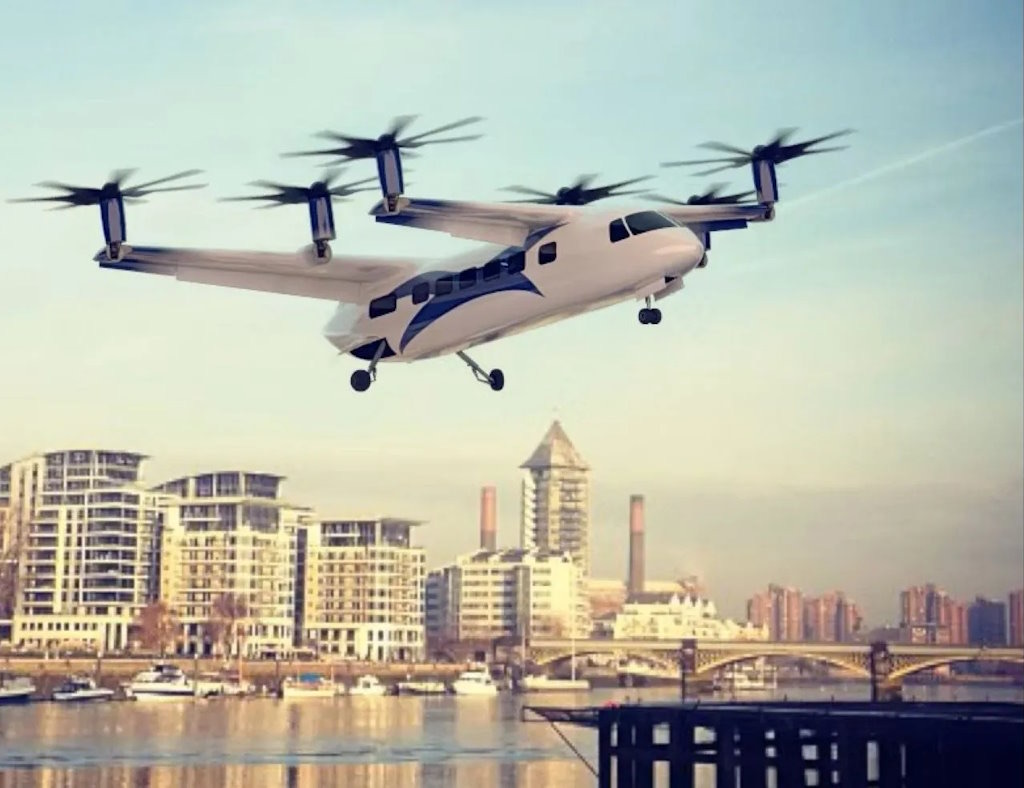
Most have focused on relatively small aircraft intended to carry a handful of passengers. Sora’s proposed S-1 stands out because of its size. With a planned capacity of 30 passengers, it represents a significantly larger concept than many of today’s electric VTOL aircraft currently under development.
That alone presents a different set of engineering challenges.
As aircraft become larger, designers must address more demanding requirements for flight controls, structural loads, propulsion integration and certification. Demonstrating these characteristics at a smaller scale has therefore become an important part of the development process.
Why aerospace companies still build small aircraft before building large ones
Although the demonstrator bears little resemblance in size to the planned S-1, it was not intended as a miniature prototype.
According to Sora, the aircraft was designed to replicate the aerodynamic characteristics of the future aircraft, including its overall configuration, centre of gravity and rotor arrangement. That allows engineers to compare flight-test results with computer models before committing to the next stage of development.
Scaled demonstrators have long formed part of aircraft development programmes.
Manufacturers routinely use them to validate aerodynamic behaviour, flight-control software and handling characteristics before investing in full-scale prototypes, helping identify potential design issues at a much earlier stage.
Dr Luke Bowen, Sora Aviation’s Chief Technology Officer, said the latest campaign had provided engineers with valuable information.
“Flight testing is one of several complementary tools we use to build confidence in the aircraft design,” he said.
“The data collected during these tests is helping us refine our models and improve confidence ahead of the next stage of development.”
The technology behind the demonstrator
The aircraft used during the trials incorporated the same aerodynamic layout and distributed propulsion concept planned for the larger S-1.
During the test programme, engineers evaluated hover performance, stability, control response and transition-related flight characteristics while comparing the results with predictions generated through simulation.
Sora said the campaign formed part of a wider verification programme that combines computational modelling, laboratory testing and flight trials to reduce technical uncertainty before the company proceeds to a larger aircraft.
The information gathered will contribute to detailed design work now underway ahead of construction of the full-scale prototype.
Electric aviation is entering a more demanding phase
The industry’s early years were largely defined by proving that electric aircraft could fly safely and repeatedly.
Attention is now shifting towards a different challenge: demonstrating that increasingly ambitious aircraft can progress through the long and complex stages of engineering development that eventually lead to certification.
Across the sector, manufacturers continue to pursue a range of technical approaches, including battery-electric, hybrid-electric and hydrogen-powered aircraft. Some programmes are aimed at urban operations, while others are exploring larger platforms capable of carrying more passengers.
Many remain years away from commercial service, and significant challenges still lie ahead, particularly in areas such as certification, energy storage, infrastructure and operating economics.
Against that backdrop, development milestones such as Sora’s latest flight campaign are less about setting records than reducing risk.
The next milestone will be the full-scale prototype
The successful completion of the demonstrator programme does not guarantee that the S-1 will reach commercial service.
Considerable work remains before the aircraft progresses through detailed design, prototype construction, certification and eventual entry into service.
For Sora, however, the latest flight tests represent an important engineering milestone rather than simply another demonstration flight.
The company is now using the results to finalise the design of the full-scale aircraft as it works towards the planned first flight.
Featured image: Sora