Horizon Aircraft picks BETA flight control system for Cavorite X7 hybrid VTOL

2 min read
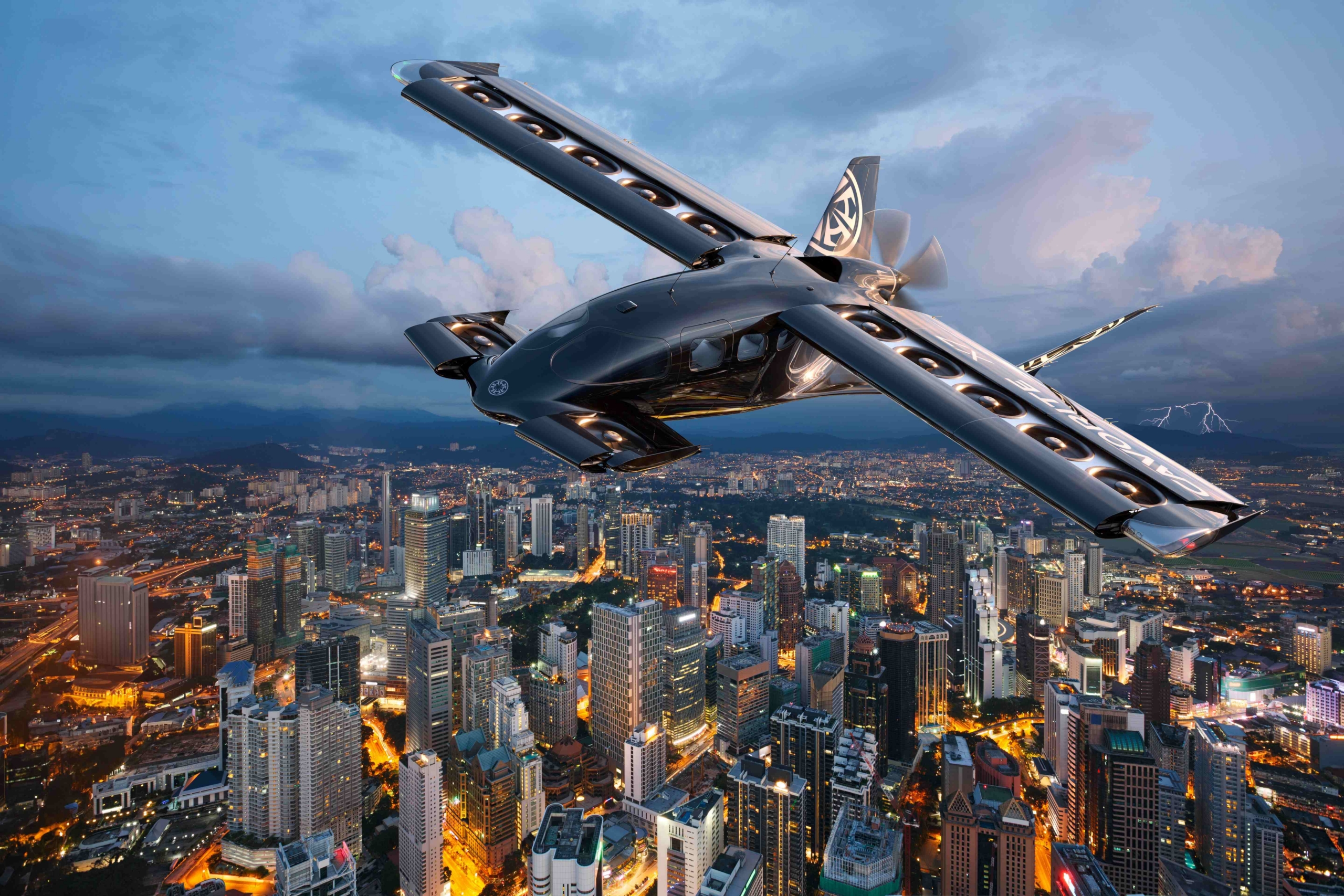
Horizon Aircraft has selected BETA Technologies to supply the advanced flight control computers and software for its Cavorite X7 hybrid-electric VTOL aircraft, as the Canadian developer moves the program deeper into testing and certification work.
The agreement will see Horizon integrate BETA’s fly-by-wire flight control hardware and customised software into the full-scale Cavorite X7. The aircraft is being designed to take off and land vertically, while flying most of its mission in conventional wingborne flight to improve speed, range and operational flexibility.
Flight control systems sit at the centre of VTOL aircraft performance, handling and safety. They are also one of the most critical parts of the certification pathway for any advanced air mobility aircraft, particularly those using powered-lift configurations.
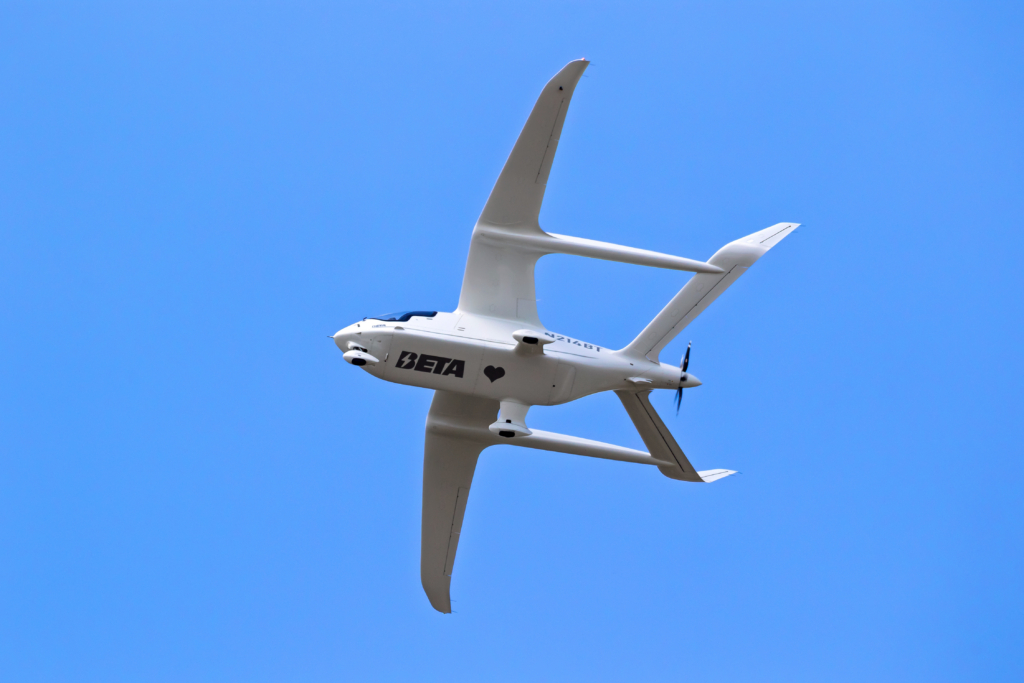
BETA’s flight control computer has been designed for modern VTOL aircraft and includes safety-critical software, system redundancy and a flexible architecture intended to support reliable operations. The company says the platform has been developed to support certification pathways, including FAA Part 21.17(b) powered-lift, Part 23 and Part 25 applications, as well as future international requirements from regulators, including Transport Canada and EASA.
Beta’s flight controls are selected for the Cavorite X7
Horizon chief technology officer Tom Brassington said the company took a methodical approach to selecting its flight control partner because of the importance of the system to the aircraft.
“Flight controls are at the heart of our aircraft, so the process of selecting a flight controls partner was done methodically,” Brassington said. He added that Horizon was attracted by BETA’s VTOL-specific fly-by-wire platform, shared engineering approach and ability to support the long-term demands of aircraft certification.
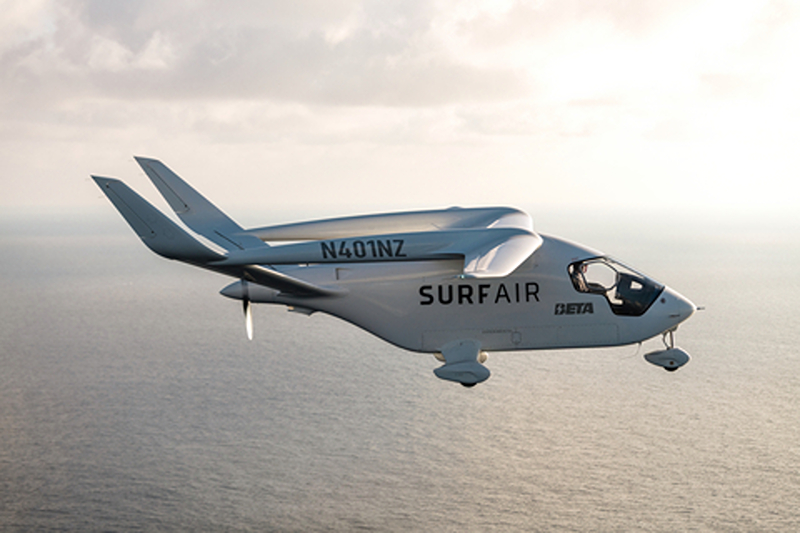
BETA founder and chief executive Kyle Clark said the company had built its flight control computers to meet demanding certification standards.
“They’re compact, purpose-built for powered-lift, and designed with the certification discipline that DAL-A software and hardware development demands,” Clark said.
The two companies will also benefit from commonality, as Horizon will use the same flight control computer hardware as BETA’s own aircraft fleet. That could support economies of scale, lower component costs and improve manufacturing efficiency as both companies continue development.
BETA has developed its flight control computers in-house alongside other electric aviation technologies, including motors, batteries and charging systems. The company said the system is designed to meet the environmental and lightning protection requirements needed for eVTOL operations in FAA and international airspace.
The architecture also has the potential to support future mission control integration for autonomous aircraft operations.

Horizon is developing the Cavorite X7 for regional operators, emergency service providers and military customers. The company says the aircraft is intended to combine vertical takeoff capability with efficient wing-borne flight, giving it a broader operating profile than aircraft designed primarily around short urban missions.
Featured image: Horizon Aircraft
Sign up for our newsletter and get our latest content in your inbox.


More from


October 17, 20264 min read