


Ukraine has approved a record 413 new drone systems in 2026 so far

5 min read
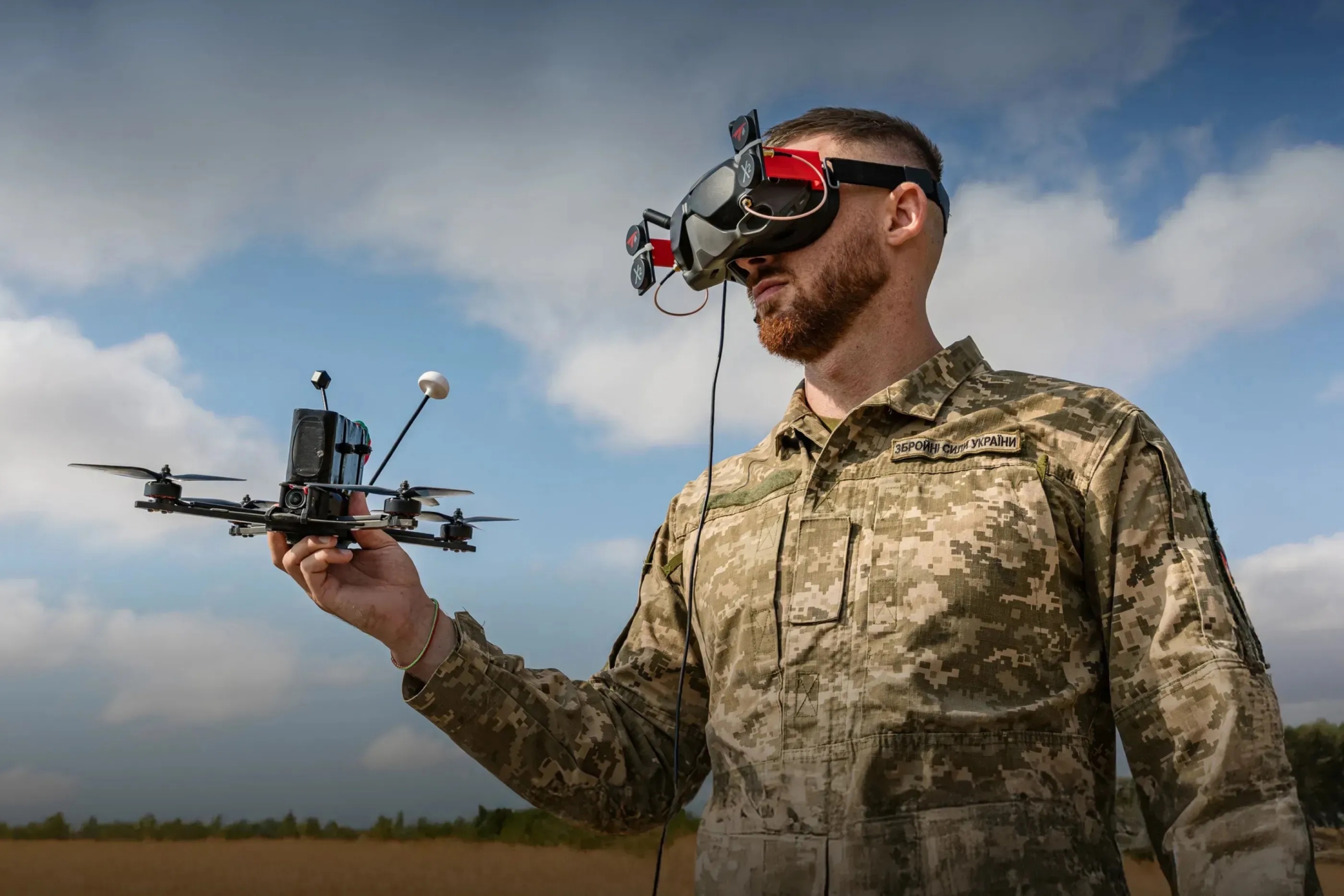
Ukraine has approved a record 413 new unmanned aerial systems (UAS) for use by its defence forces since the beginning of 2026, highlighting the speed at which the country’s drone industry is adapting to battlefield requirements and the growing role of domestically developed systems in modern warfare.
The Ministry of Defence said the figure is more than 30% higher than during the same period in 2025 and over 73% above the equivalent period in 2024.
Almost all of the newly approved systems have been designed and manufactured in Ukraine.
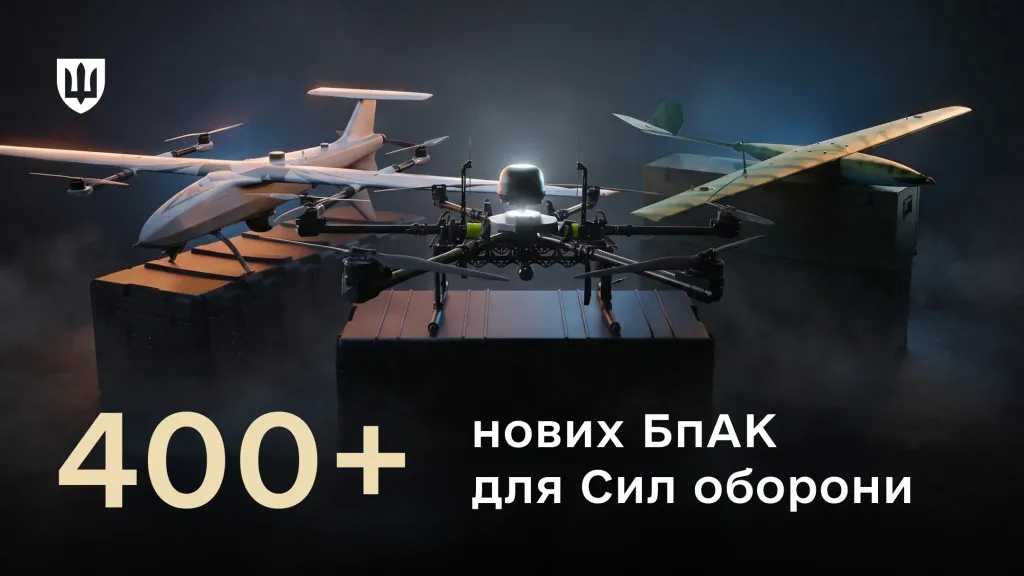
The approvals cover a broad range of capabilities, from reconnaissance and strike missions to interception, electronic support and long-range attacks.
Rather than focusing on a single class of drone, Ukraine is expanding an increasingly specialised fleet designed to perform different roles across the battlefield.
The pace of approvals also reflects the speed at which the conflict has driven innovation.
As operational requirements evolve, manufacturers are developing increasingly specialised unmanned systems, while the Ministry of Defence is accelerating the process of evaluating and authorising new designs for military service.
Domestic Ukraine manufacturers continue to expand production
The latest approvals underline the rapid growth of Ukraine’s domestic defence industry.
Among the newly codified systems are platforms including Halka, Skyriper Minotaur, Beshket, Shturm, Bababoom, Zorro, Blinc, Optoslon, Chumak, Sokil, Hydra, Kruk, Dzyha, Kharyok, Buran, Bilyi Vovk and Sichen.
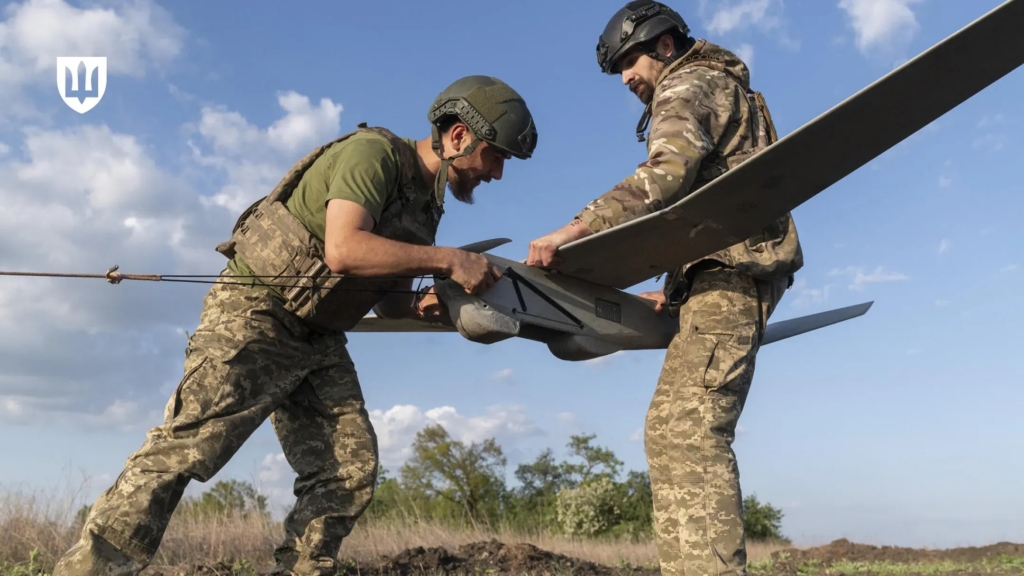
While the systems differ in design and intended mission, together they illustrate the breadth of Ukraine’s unmanned aircraft sector, which now includes companies developing reconnaissance platforms, strike drones, interceptor systems and long-range attack capabilities.
The rapid increase in approvals also indicates that manufacturers are moving from prototype development towards larger-scale production capable of supplying operational units.
Ukraine’s drone fleet is becoming more specialised
The latest approvals include aerostat, fixed-wing, and multirotor reconnaissance systems; fixed-wing and copter strike drones; first-person-view (FPV) drones; bomber UAVs; interceptor drones; relay drones; target drones; fibre-optic systems; front-strike platforms; and deep-strike drones.
That diversity illustrates how unmanned aircraft are no longer viewed simply as reconnaissance platforms or loitering munitions.
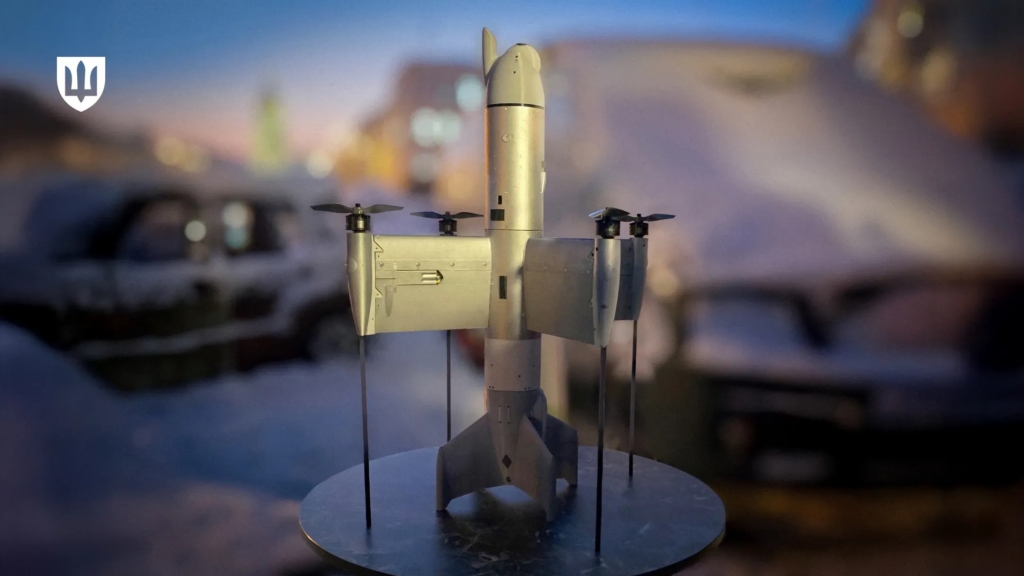
Modern operations increasingly rely on drones to perform dedicated tasks across every stage of a mission. Reconnaissance aircraft locate targets, relay drones extend communications, interceptor drones counter incoming threats, while strike platforms attack targets ranging from frontline positions to logistics infrastructure further behind the battlefield.
The Ministry of Defence said multirotor strike drones and fibre-optic systems account for the largest share of the newly approved platforms. It also reported a significant increase in front-strike drones.
Fibre-optic drones reflect changing electronic warfare
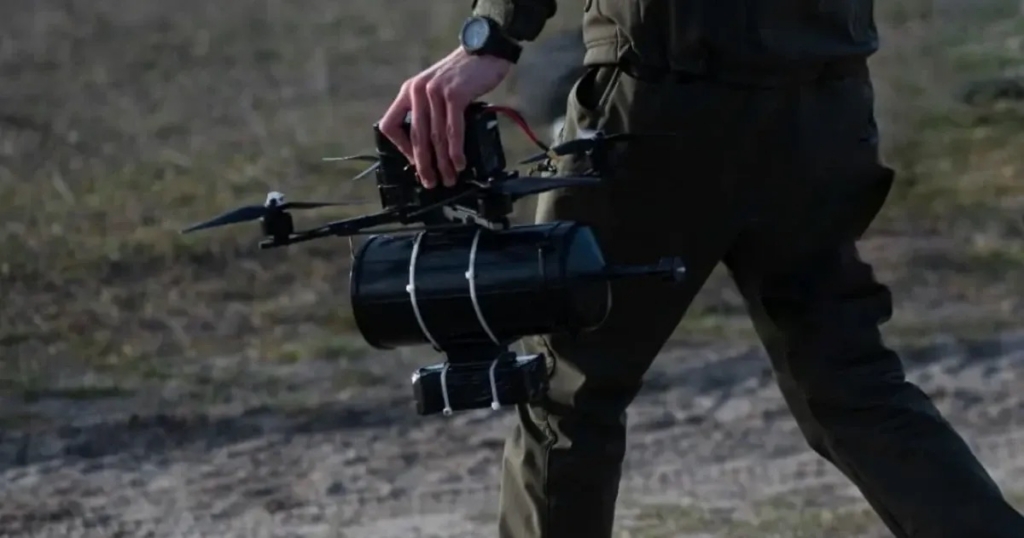
One of the clearest trends in this year’s approvals is the growing number of fibre-optic drones.
Unlike conventional FPV systems that rely on radio communications, fibre-optic drones remain connected to the operator through a lightweight cable that unspools during flight.
Because they do not transmit command signals over radio frequencies, they are far less vulnerable to electronic jamming, which has become one of the defining features of the war in Ukraine.
Electronic warfare has forced both sides to adapt continuously, with new countermeasures often driving equally rapid changes in drone design.
The increased number of fibre-optic systems suggests manufacturers are responding directly to operational feedback from the battlefield, where maintaining reliable control of unmanned aircraft has become as important as extending their range or payload.
Interceptor drones are becoming a larger part of Ukraine’s air defence
Another notable development is the growing number of interceptor drones entering service.
Interceptor UAVs are designed to engage hostile drones rather than ground targets and have become an increasingly important layer of Ukraine’s air defence network.
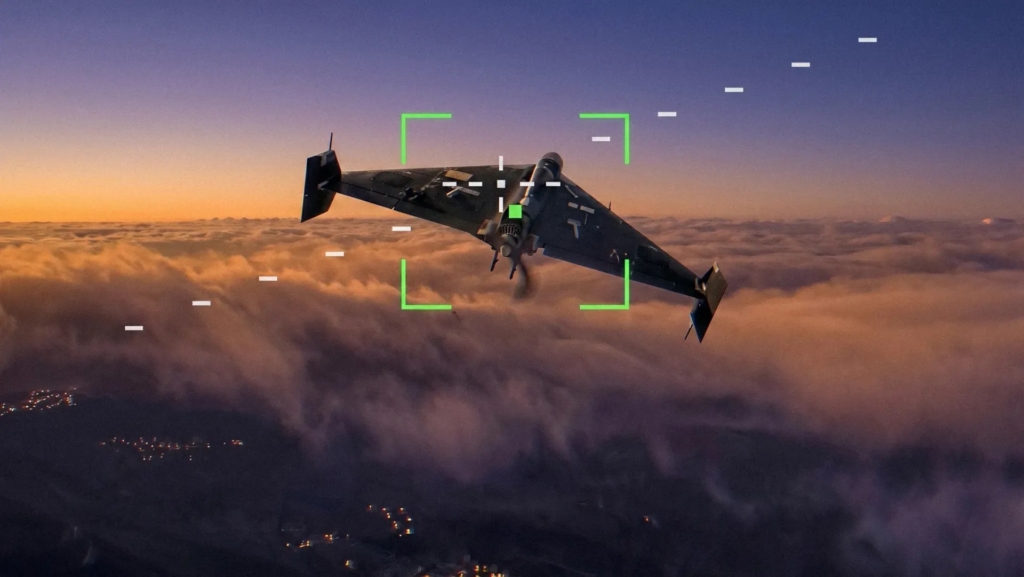
Their inclusion alongside reconnaissance, strike and relay platforms shows how the country’s unmanned fleet is evolving into a complete operational ecosystem rather than a collection of individual weapon systems.
The Ministry of Defence has already announced plans to procure thousands of domestically developed Octopus interceptor drones as part of wider efforts to strengthen protection against one-way attack drones.
Ukraine’s drone industry is beginning to look beyond domestic demand
The expansion of Ukraine’s drone sector is no longer focused solely on meeting military requirements at home.
Earlier this month, Ukrainian manufacturer F-Drones completed the country’s first authorised export of finished combat drones after receiving approval to supply 2,000 F10 strike UAVs to the United States under a Pentagon contract linked to the Drone Dominance programme.
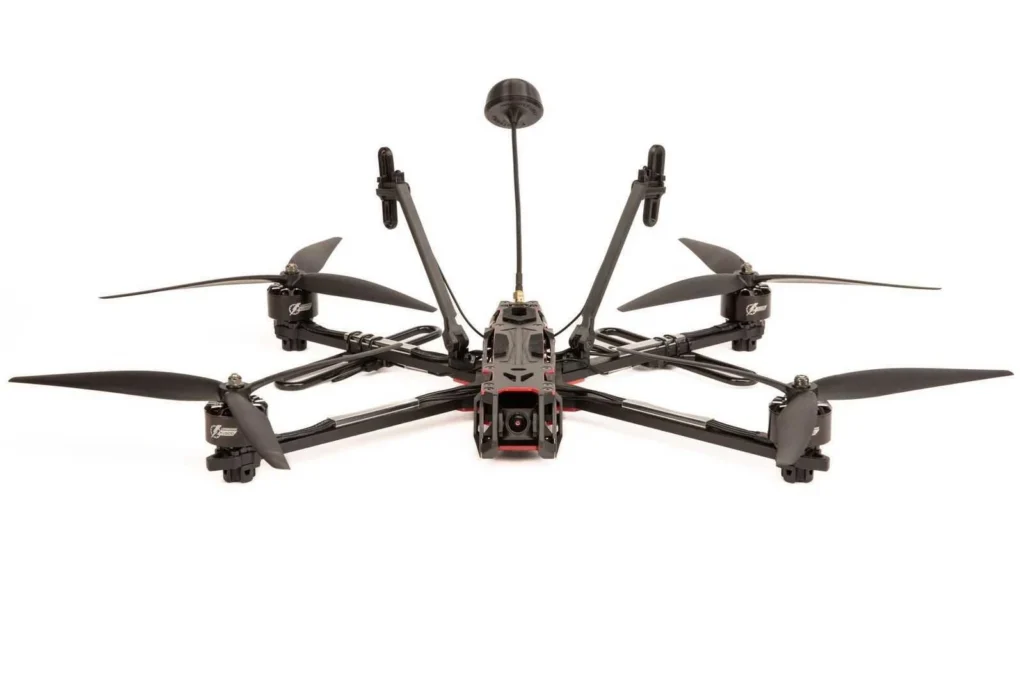
The shipment marked the first officially approved export of completed Ukrainian-made combat drones to another continent.
The export followed the introduction of a new government mechanism allowing approved Ukrainian defence manufacturers to supply equipment to partner nations under controlled export arrangements.
Although domestic military requirements remain the priority, the move indicates that Ukraine’s drone industry is beginning to establish itself as an international supplier as well as a wartime manufacturer.
Rapid expansion of Ukraine’s drone industry is also being reinforced through international partnerships
On the sidelines of the NATO Summit, Ukraine and Germany signed an agreement to launch the joint production of BARS unmanned aerial vehicles under Kyiv’s Build with Ukraine initiative.
The agreement, signed by Ukrainian Foreign Minister Andrii Sybiha and German Defence Minister Boris Pistorius, provides for Germany to finance the initial production phase, with all aircraft produced under the programme to be supplied to Ukraine’s Defence Forces.
The accord follows similar drone technology cooperation agreements signed with the Netherlands and Estonia during the summit, reflecting a broader effort by European partners to support Ukraine’s rapidly expanding unmanned aircraft industry through joint production and technology collaboration rather than procurement alone.
The figure of 413 approved unmanned systems is significant not simply because of its scale, but because it reflects how quickly new technologies are moving from development into operational service.


