5,000 aircraft and counting: A look at the incredible Air Tractor

3 min read
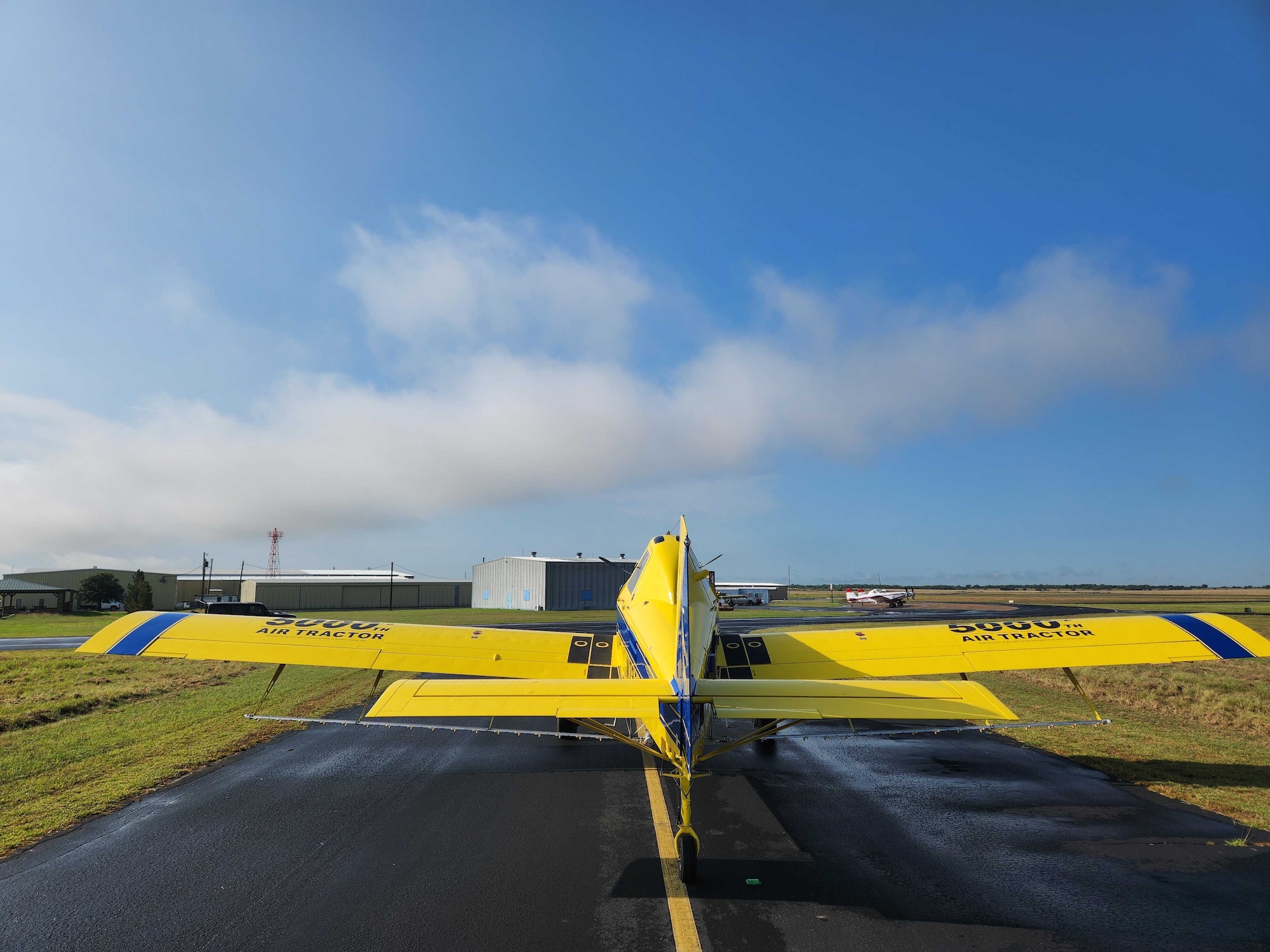
At the end of May this year, Texas-based manufacturer Air Tractor reached an exciting production milestone with the delivery of its 5,000th aircraft.
In a sector where production volumes are usually fairly modest and highly specialised, this is a big deal. It reflects a sustained global demand for tough, mission-focused utility aircraft designed for demanding low-altitude operations.
A legacy rooted in the field
Founded in 1978 by aeronautical engineer Leland Snow, Air Tractor grew out of decades of innovation in agricultural aviation.
Before founding Air Tractor, he designed a series of dedicated crop-spraying aircraft under his own name, most notably the Snow S-1 and S-2 series. These early designs in the 1950s and 1960s introduced purpose-built features like good low-speed handling, high payload efficiency, and durability for repetitive spraying work.
Air Tractor moved this on further. It was conceived as a more capable, higher-performance platform tailored to intensive aerial application work.
This was all about function over form. The aircraft were engineered to fly close to the ground, carry heavy chemical loads, and withstand repetitive high-cycle operations in harsh environmental conditions.
What makes the AT series so effective in the field?
The early AT-300 series formed the foundation of what would become a long-running and successful aircraft family. Even now, the AT-802 still stands as the largest and most widely recognised model in the lineup.
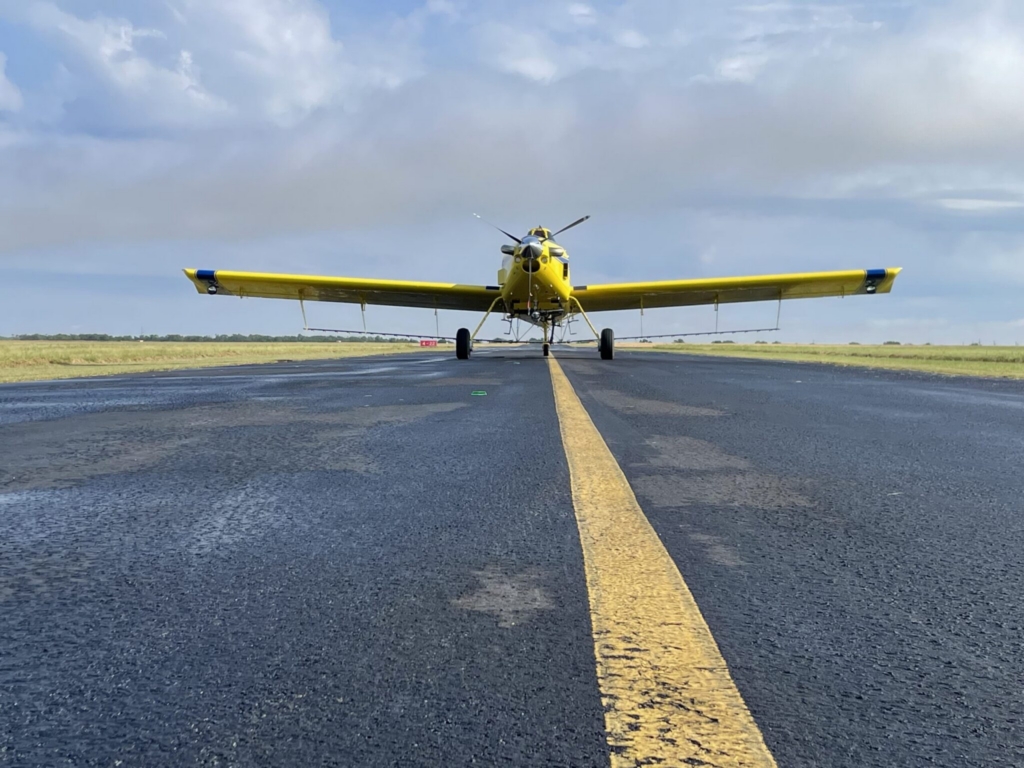
Across the range, the design is consistent: a high-wing configuration for stability in turbulent low-altitude air, a strong airframe built for rough-field operations, and a powerful turboprop engine delivering strong payload-to-range performance.
Why is Air Tractor still so dominant in agricultural aviation?
Agricultural operations remain the backbone of Air Tractor production. Across major farming regions in the United States, South America, Australia, and beyond, the aircraft are a familiar sight during planting and growing seasons.
They are used for aerial application of fertilisers, pesticides, and herbicides so that very large agricultural areas can be covered quickly.
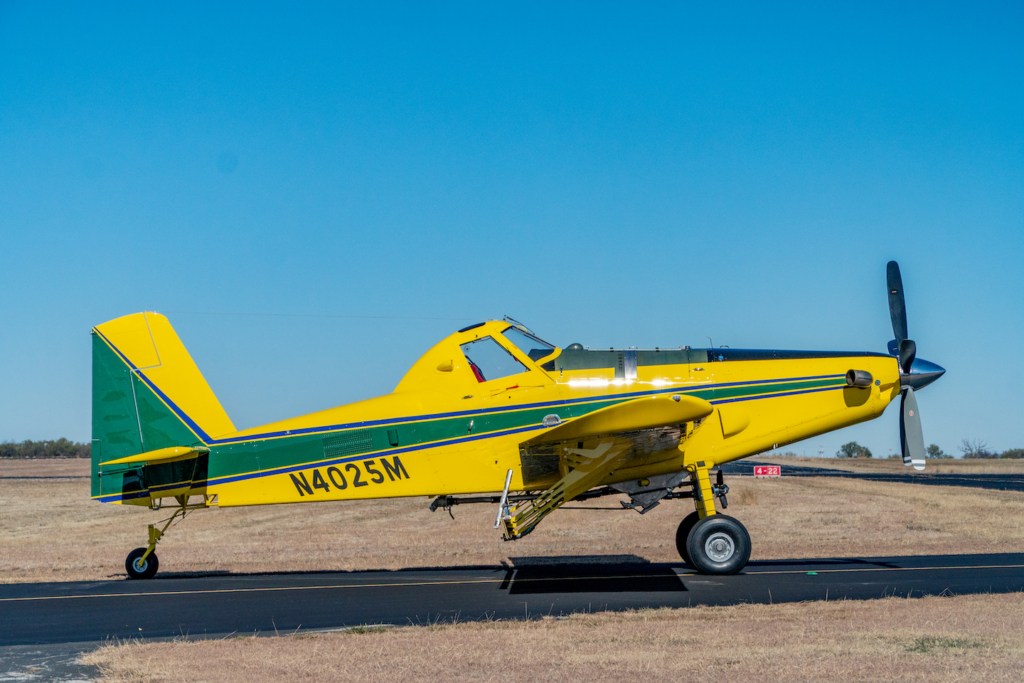
It can also operate from short rural airstrips and apply treatments with precision, reducing crop damage and offering better efficiency compared with ground-based methods.
How is the Air Tractor being used in aerial firefighting?
While the Air Tractor has its roots in agriculture, it’s now increasingly being used for aerial firefighting, particularly the AT-802F Fire Boss and related variants.
Equipped with fire retardant tanks (or amphibious floats in the Fire Boss configuration), these aircraft can operate from lakes, reservoirs, and short airstrips.
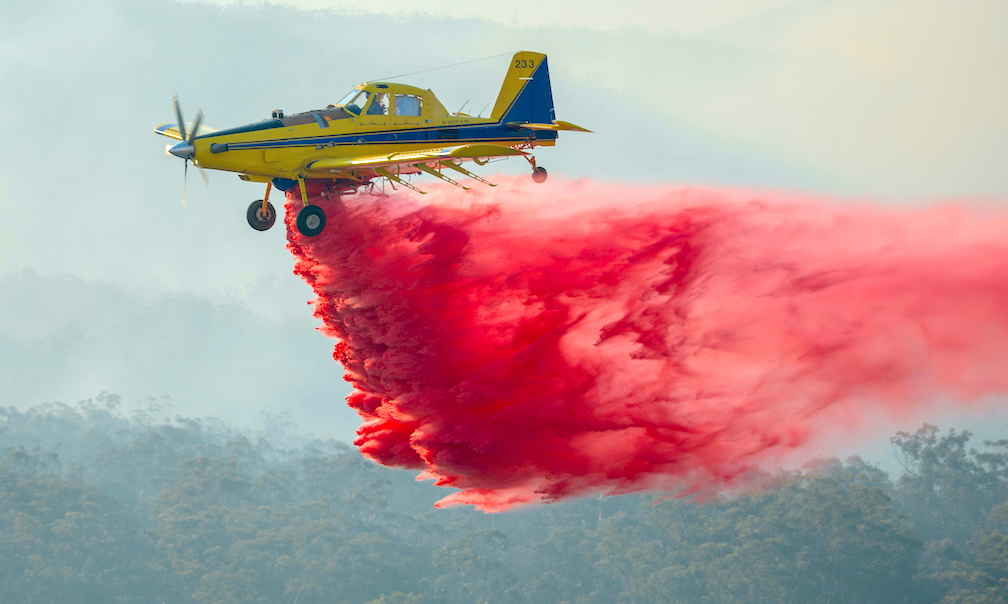
The ability to dump fire-retarding liquid in steep terrain or fast-moving fire zones makes the Air Tractor especially useful in putting out forest fires on hillsides or mountains.
Surveillance and remote operations
Beyond agriculture and firefighting, Air Tractor aircraft are also being used in specialist utility roles. These include border surveillance, environmental monitoring, and light transport missions in remote regions.
Their long endurance, relatively low operating costs, and ability to operate away from major airport infrastructure make them well-suited to missions that require flexibility and fast deployment.
Why has the Air Tractor design stood the test of time?
Air Tractor’s success comes from not constantly reinventing its aircraft, but steadily improving them over time – upgrading avionics, engines, and payload systems while keeping the same familiar handling pilots already know.
That consistency reduces training needs and helps fleets stay in service for years, which is vital in industries where the aircraft are used hard and expected to last.
A workhorse built for the future
A big part of Air Tractor’s longevity is simple economics – it’s affordable to buy, tough enough to work hard, and straightforward to maintain, which is exactly what operators in agriculture and firefighting need.
And with wildfires becoming more frequent and global food production still under pressure, demand isn’t going anywhere.
Reaching 5,000 aircraft isn’t a finish line for Air Tractor, but another step in a design story built for some of aviation’s toughest jobs.
Featured image: Air Tractor