


How Airbus is keeping the NH90 fit for the future

3 min read
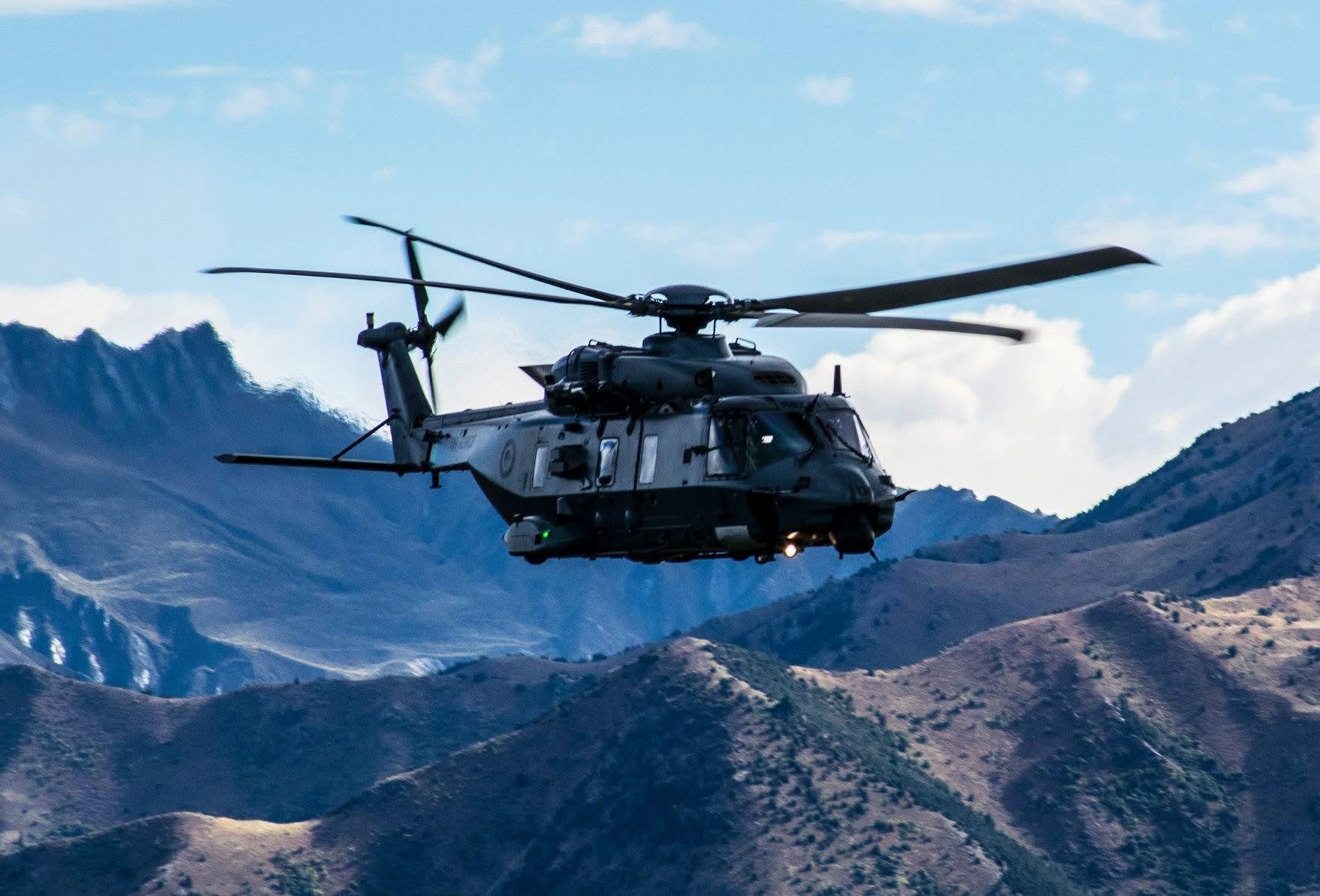
The twin-engine multi-role NH90 rotorcraft has long been a major player in military aviation. With more than 530 helicopters currently in service worldwide, it has an impressive cumulative total of over 500,000 flight hours.
Despite this, the NH90 has no doubt had its challenges and controversies over the years. But Airbus is now said to be turning its attention towards improving its availability, capabilities and lifespan.
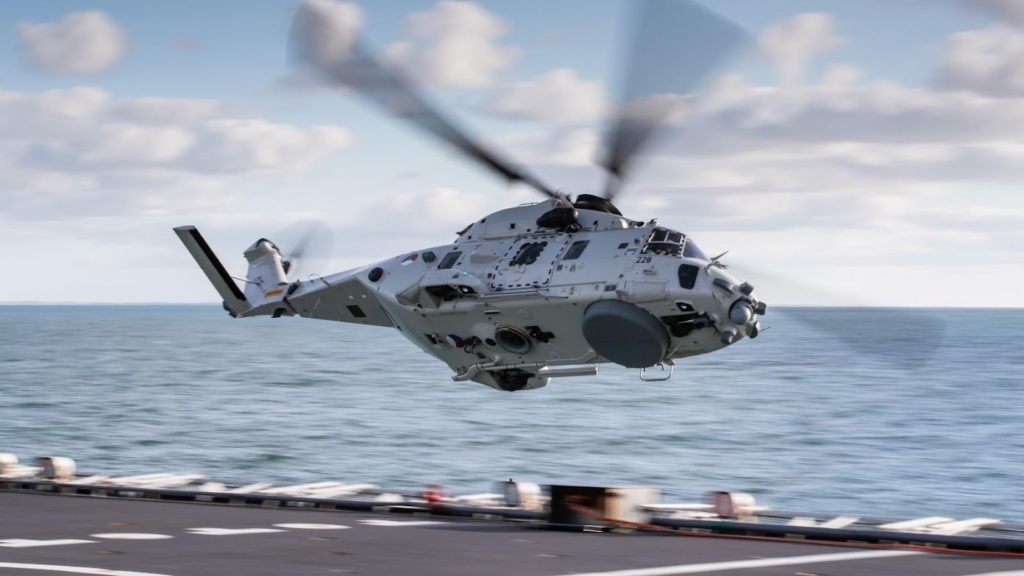
According to Airbus Helicopters’ NH90 Programme Director, Axel Aloccio, the aircraft has come through years of development and refinement.
“We have devoted a great deal of effort to development, qualification, the industrial ramp-up, and then resolving maturity issues,” he explains.
“The focus is now on helping operators keep their fleets flying and ready for deployment.”
NH90 support network focuses on fleet availability
A significant part of that effort centres on logistics and sustainment. Most NH90 operators participate in Through Life Support (TLS) agreements. These are managed through the NATO Helicopter Management Agency (NAHEMA), providing a framework for long-term support services across participating nations.
Alongside TLS, a newer support model known as the NH90 Operational Support (NOS) contract is gaining traction.
France, Germany and Belgium are among the countries using the arrangement, which provides integrated logistics management. It also guarantees on spare-parts availability and access to additional support services when required.
Airbus says it has also ramped up production and repair work on critical parts, helping double the supply of spare components in recent years.
Additionally, it has introduced a swap programme with NH Industries, allowing operators to exchange parts and get replacements more quickly.
Block 1 upgrade to enhance military helicopter capabilities
The next major milestone is the Block 1 upgrade, planned for both the Tactical Transport Helicopter (TTH) and NATO Frigate Helicopter (NFH) variants. It will bring software improvements as well as better connectivity, interoperability, data-sharing and electronic warfare capabilities.
Development is already underway, with qualification work expected to start in 2028. Airbus and NAHEMA are also discussing retrofit contracts that could cover more than 200 in-service helicopters.
It’s essentially about making sure the aircraft continues to fit changing operational needs and integrates into more connected, networked environments.
Airbus targets 50-year service life for NH90 helicopters
One of the biggest developments is a proposed extension of the NH90’s service life.
Airbus is working with NAHEMA to raise the planned lifespan from 30 to 50 years. If approved, this would affect newly ordered aircraft, including Spanish NH90s due after 2030, which could remain in service into the 2080s.

Airbus also expects continued interest from NATO countries as well as markets in Asia and the Middle East, supported by a long-term roadmap to keep the aircraft up to date.
Future NH90 developments include manned-uncrewed teaming
Airbus has also started work on the NH90 Block 2 concept, recently signing an architecture study contract with NAHEMA to look at future upgrades and long-term capability options.
The study includes a modular avionics system to make it easier to add new technologies, updated maintenance approaches to reduce costs and improve availability, and improved mission systems for future battlefield requirements.
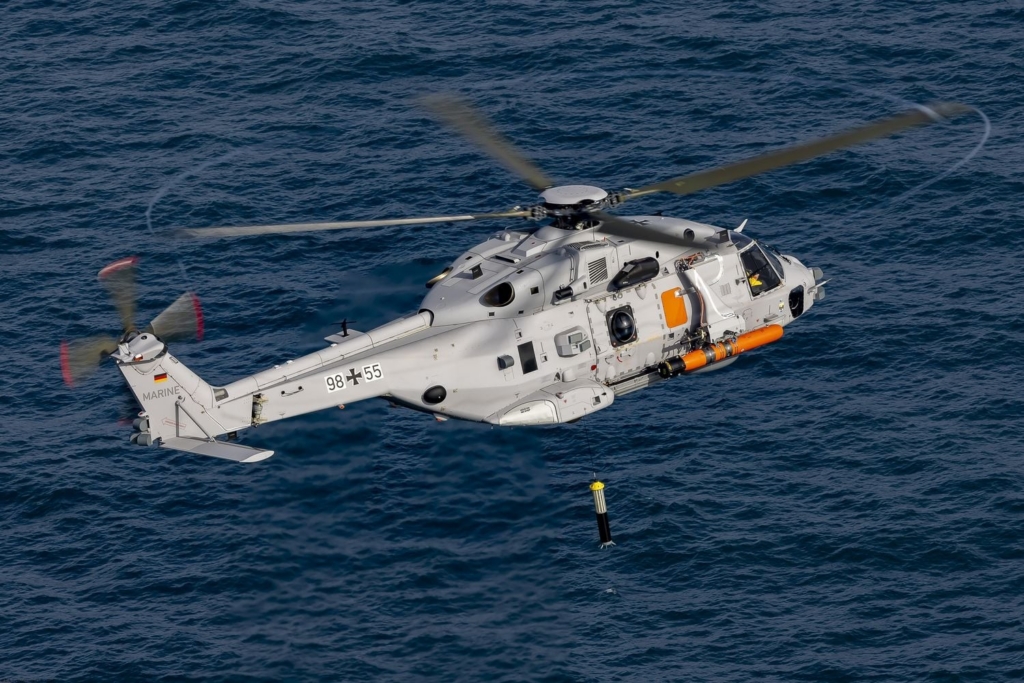
It also looks at better connectivity and working alongside uncrewed systems, as manned-uncrewed teaming becomes more common in military operations.
NH90 programme enters next phase of long-term evolution
Altogether, the support improvements, capability upgrades and service-life extension plans set out how Airbus intends to keep the NH90 at the centre of military helicopter operations for the long term.
It’s no secret that the NH90 somewhat divides opinion. But for operators already flying the type, and those considering it in the future, the message from Airbus is a positive one.
Featured image: Emma Lewis
Sign up for our newsletter and get our latest content in your inbox.



More from


September 21, 20263 min read


