EAA AirVenture Oshkosh 2026: 5 rare vintage aircraft that will be stealing the show

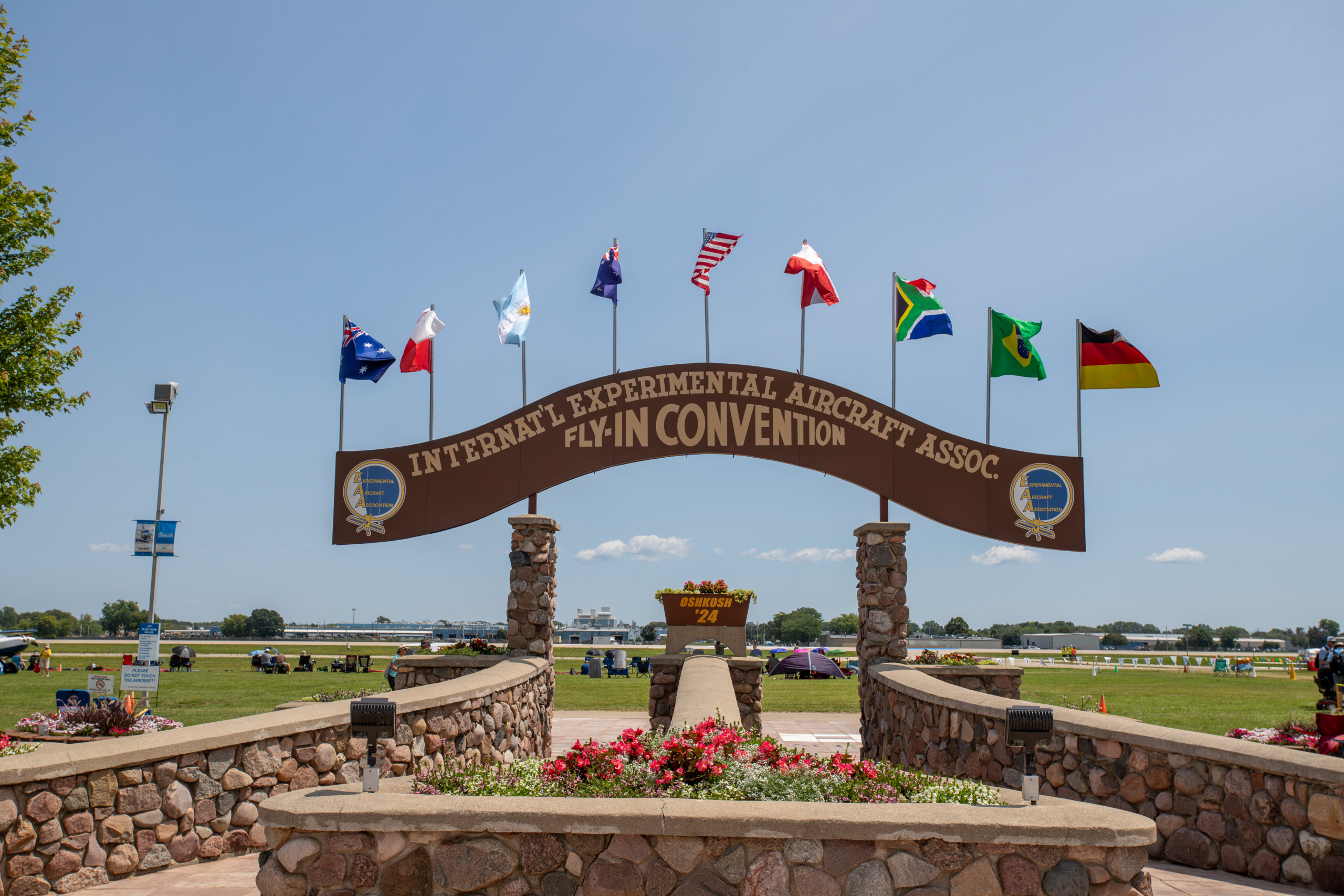
As far as air shows go, EAA AirVenture at Oshkosh remains one of the biggest and best in the worldwide air show calendar.
This year’s iteration of the Experimental Aircraft Association AirVenture Oshkosh show (to give it its full title) is expected to be bigger than ever, with over 10,000 aircraft of all shapes and sizes due to attend between 20 and 26 July at the event held at Wittman Regional Airport (OSH) in Oshkosh, about 90 miles (145 km) north of Milwaukee, Wisconsin.
As part of this year’s celebrations, five aircraft in particular will be turning heads as part of the event’s ‘Vintage in Review’ show. This part of the event features unique and iconic aircraft that were built and flown during the first half-century of aviation.
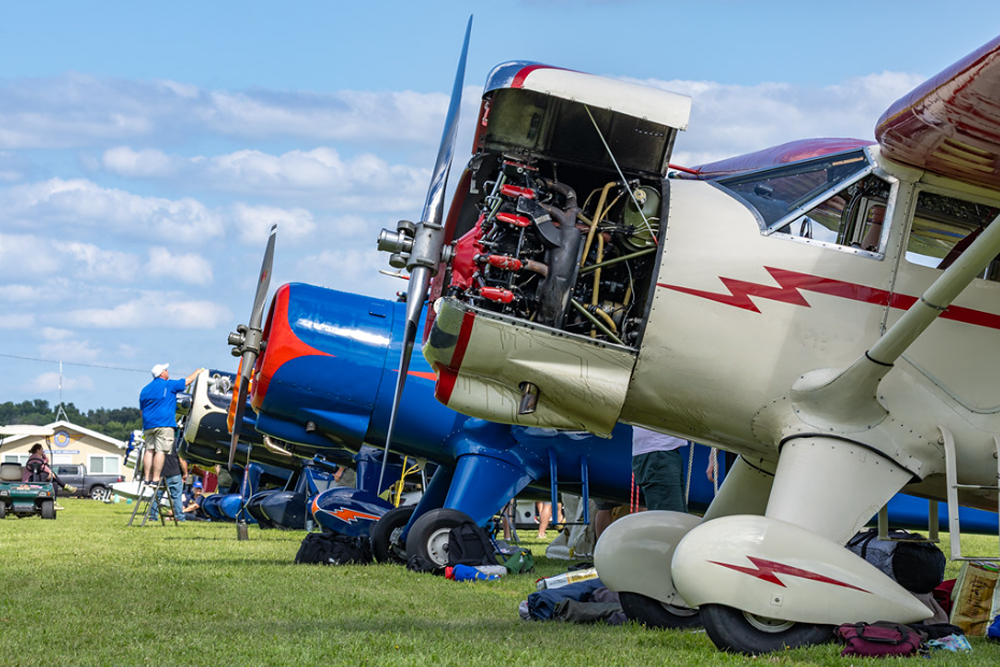
As well as the vintage aircraft themselves, the pilots of these magnificent aircraft will be interviewed alongside their rare and unique antique and classic aircraft, providing some insight into just what it takes to restore them and have them back on the display circuit.
For visitors to AirVenture Oshkosh, the Vintage in Review exhibits shine a light on aviation of yesteryear, reminding them of the spirit of aviation in the first part of the last century.
Previewing the Oshkosh Vintage in Review 2026 show
The five aircraft so far listed for this year’s Vintage in Review all date back to between 1934 and 1953 and are all single-engined fixed-wing aircraft.
Each has its own history dating back decades, brought to life by the time and dedication of the teams and owners who look after them.
The aircraft announced so far this year include the following:
- 1934 Granville Brothers Gee Bee R-6 QED replica – Monday 20 July
- 1946 Aeronca Champ – Tuesday 21 July
- 1935 National Airplane and Motor Co. Bluebird LP-4 – Wednesday 22 July
- 1944 Stinson L-5E – Thursday 23 July
- 1953 Temco T-35A Buckaroo – Friday 24 July
On the days listed above (subject to late changes and aircraft availability), these aircraft will be presented in Concours conditions, with their owners meeting the public and taking questions on the history of their specific aircraft.
As ever, the Vintage in Review event is expected to draw thousands of visitors, which is held at the Vintage Red Barn Hangar owned by the Vintage Aircraft Association and located on the north side of the airfield.
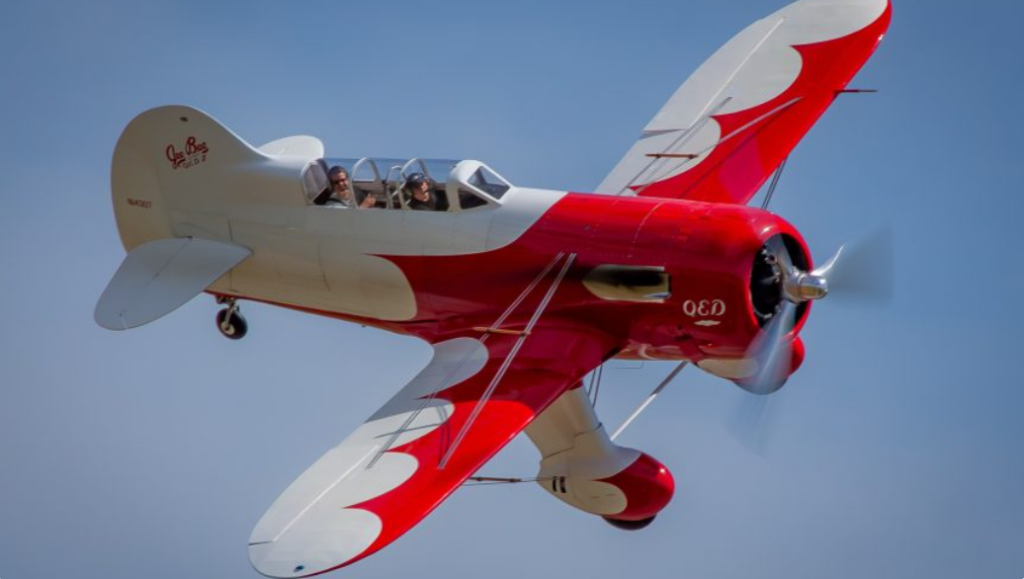
1934 Granville Brothers Gee Bee R-6 QED (replica)
The original Granville Brothers Gee Bee R-6 QED was the final major aircraft produced by the famous Granville Brothers, whose Gee Bee racers became legendary for their speed and distinctive ‘bumble bee-like’ appearance.
Completed in 1934, the R-6H variant was built as a long-range racing and touring aircraft for pilot Jacqueline Cochran to compete in the prestigious MacRobertson Air Race from England to Australia. The initials QED stand for the Latin phrase quod erat demonstrandum, meaning “it is proven.”
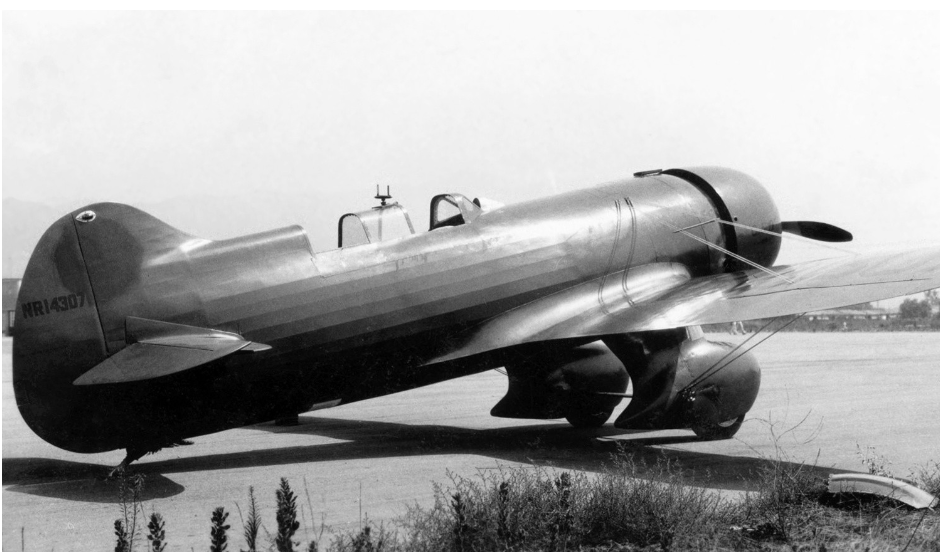
Unlike the short-course Gee Bee racers that preceded it, the R-6 was designed with a larger fuel capacity for long-distance flights. It retained the characteristic Gee Bee shape, including a powerful engine housed in a streamlined fuselage with relatively small wings.
However, it was larger and more practical than the famous R-1 and R-2 racers. The aircraft was powered by a Pratt & Whitney Hornet radial engine after the preferred Curtiss Conqueror engine was unavailable at the time.
Despite its advanced design, the QED suffered a series of mechanical problems and never finished a race it entered. During the 1934 MacRobertson Air Race, flap and tail issues forced Cochran and her co-pilot to withdraw. Later race attempts were also ended by engine failures and other setbacks.
The aircraft later gained fame in Mexico after aviator Francisco Sarabia purchased it, renamed it Conquistador del Cielo (“Sky Conqueror”), and used it to set a non-stop speed record from Mexico City to New York in 1939.
Today, the sole surviving R-6 is preserved in a museum in Ciudad Lerdo, Mexico, making it an important artefact of the golden age of air racing.
The example appearing at this year’s AirVenture is a replica of the original R-6 aircraft. Registered as N14307, the Mid America Flight Museum completed the first post-restoration flight of the Gee Bee QED II replica in May 2026 at Grimes Municipal Airport near Urbana, Ohio.
The aircraft had been a labour of love for the MFAM’s restoration team in Urbana for nearly three years. Once the aircraft completed its flight testing programme, the Gee Bee QED II was flown to the Mid America Flight Museum’s main location at Mount Pleasant, Texas, where it is now on public display, although taking a week off to display at this year’s AirVenture.
1946 Aeronca 7AC Champ
The 1946 Aeronca Champ (Model 7AC Champion), often simply referred to as ‘The Champ’, is one of the most beloved light aircraft of the post–World War II era.
Designed by Ray Hermes and produced by the Aeronca Aircraft Corporation of Middletown, Ohio, the Champ was introduced to meet the growing demand for affordable personal and training aircraft after the war.
According to the Wings of History website, the Champ first entered service in late 1945, and 1946 became its breakout year, with Aeronca producing thousands of aircraft as part of the postwar aviation boom. At peak production, the company was building dozens of Champs every day.
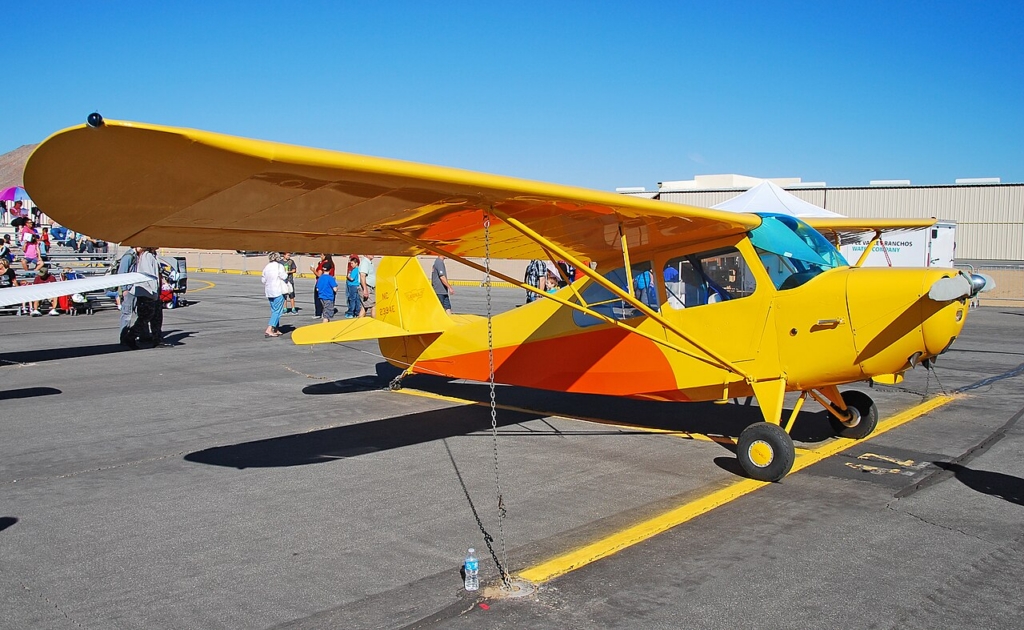
The Champ was a high-wing, fabric-covered monoplane with tandem seating for two people and conventional tailwheel landing gear. Powered by a 65-horsepower Continental A-65 engine, it offered simple, economical flying and excellent handling characteristics.
Unlike the competing Piper Cub, the Champ could be flown solo from the front seat, providing better forward visibility during taxiing, take-off, and landing. This feature made it especially popular with flight schools as a training aircraft as well as with private owners.
With a wingspan of 10.6 meters (35 feet), a top speed of about 95 miles per hour, and a range of roughly 270 miles (432 km), the Champ was not designed for speed but for enjoyment and practical flight training. Its forgiving manners and low operating costs earned it a reputation as an ideal primary trainer.
More than 7,000 Champs were built, and many remain airworthy today, treasured by vintage aircraft enthusiasts and tailwheel pilots around the world.
1935 National Airplane and Motor Company Bluebird LP-4
The 1935 National Airplane and Motor Company Bluebird LP-4 was a light sport aircraft developed in Billings, Montana, during the height of the Great Depression. Although relatively obscure today, the Bluebird occupies a unique place in American aviation history as one of the very few aircraft types designed and produced in Montana.
The aircraft was intended to provide affordable private flying at a time when aviation was transitioning from a pioneering activity into a practical means of transportation and recreation.
The LP-4 was a compact, two-seat, single-engine aircraft featuring conventional tailwheel landing gear and simple construction. Its design emphasised economy, ease of operation, and reliability, qualities that appealed to private owners and flying enthusiasts. According to EAA Vintage, records indicate that the aircraft accommodated two occupants and used a single reciprocating engine.
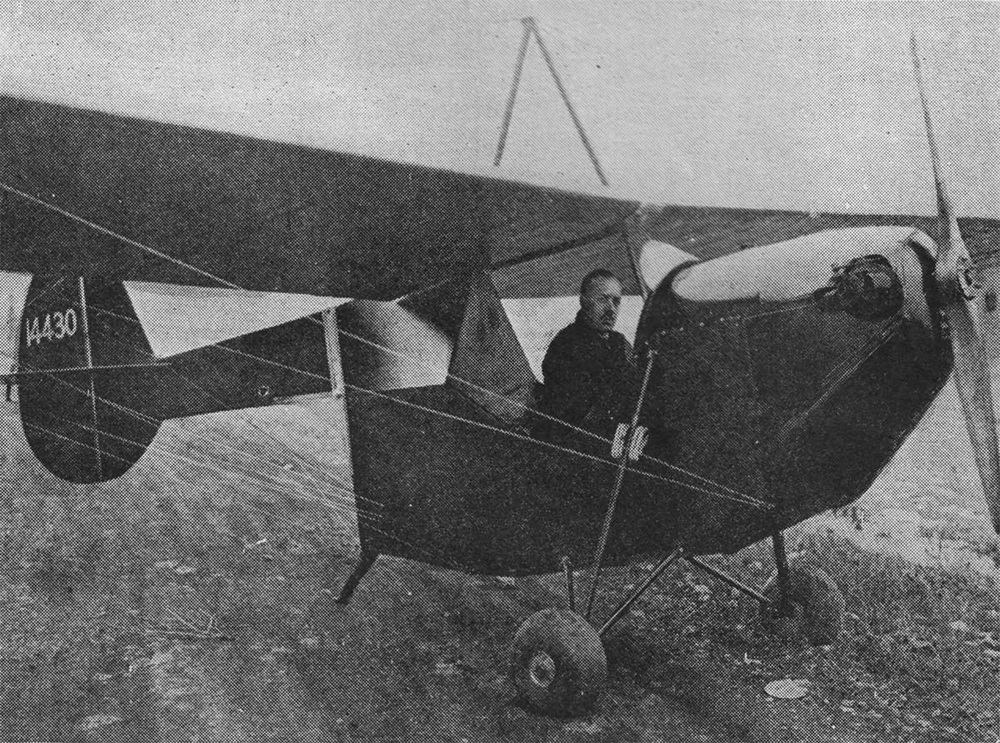
Despite its promising concept, the Bluebird was produced only in extremely limited numbers. The economic challenges of the 1930s made it difficult for small aircraft manufacturers to compete against larger, better-funded companies.
As a result, the National Airplane and Motor Company remained a small regional enterprise, and the Bluebird never achieved widespread commercial success.
Today, the Bluebird LP-4 is remembered primarily by vintage aircraft historians and restorers. Its significance lies not in production totals or performance records, but in its representation of the ingenuity and enterprising spirit that characterised American aviation during the interwar years.
The example to be displayed at AirVenture, owned and restored by Tim Talen, is thought to be the sole remaining example of an LP-4 anywhere worldwide.
1944 Stinson L-5E
The 1944 Stinson L-5E ‘Sentinel’ was one of the most capable liaison and utility aircraft used by the United States Army Air Forces during World War II. Nicknamed the ‘Flying Jeep,’ the L-5E was designed to operate from short, rough airstrips close to the front lines, carrying out a wide variety of missions that today are often performed by helicopters.
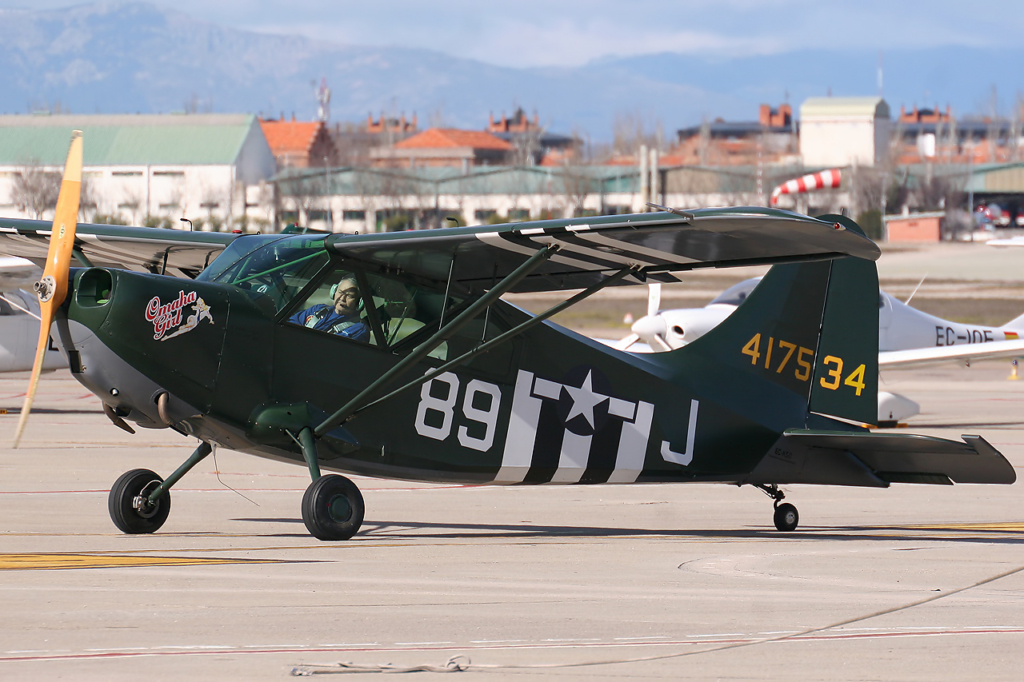
These included artillery spotting, reconnaissance, courier flights, casualty evacuation, search and rescue, and the delivery of personnel and supplies. More than 3,500 L-5s were built between 1942 and 1945, making it the second most widely used American liaison aircraft of the war.
The L-5E variant represented an important improvement in the Sentinel series. It featured a redesigned rear fuselage that could accommodate a litter patient or cargo, provisions for a K-20 aerial reconnaissance camera, and manually drooping ailerons that improved low-speed handling and short-field performance.
These characteristics made it especially valuable in difficult combat environments where space for take-off and landing was limited.
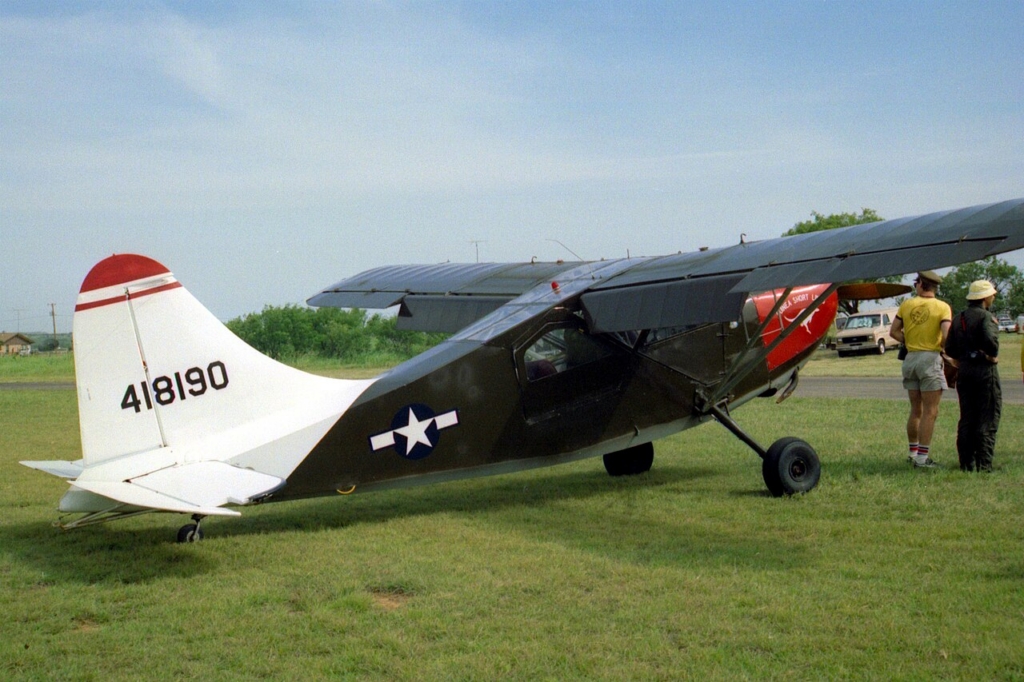
Powered by a 185-horsepower Lycoming O-435 engine, the aircraft could reach approximately 130 mph and had a range of about 360 miles (576km). Its fabric-covered steel-tube construction was rugged, lightweight, and easy to repair in the field.
The 1944 L-5E served extensively in Europe, the Pacific, and the China-Burma-India theatres. Its ability to land almost anywhere and perform countless support tasks earned it a reputation as one of the most versatile and indispensable aircraft of World War II.
Many surviving examples remain airworthy today and are popular attractions at vintage aviation events such as EAA AirVenture Oshkosh.
1953 Temco T-35A Buckaroo
The 1953 Temco T-35A Buckaroo was a light military trainer aircraft developed by Temco Aircraft of Dallas, Texas, during the early years of the Cold War.
Designed as an economical primary trainer, the Buckaroo was intended to provide military pilots with an affordable stepping stone between basic flight instruction and more advanced training aircraft. The design evolved from the civilian Globe Swift, a popular light aircraft that Temco had acquired and modified into a tandem-seat trainer.
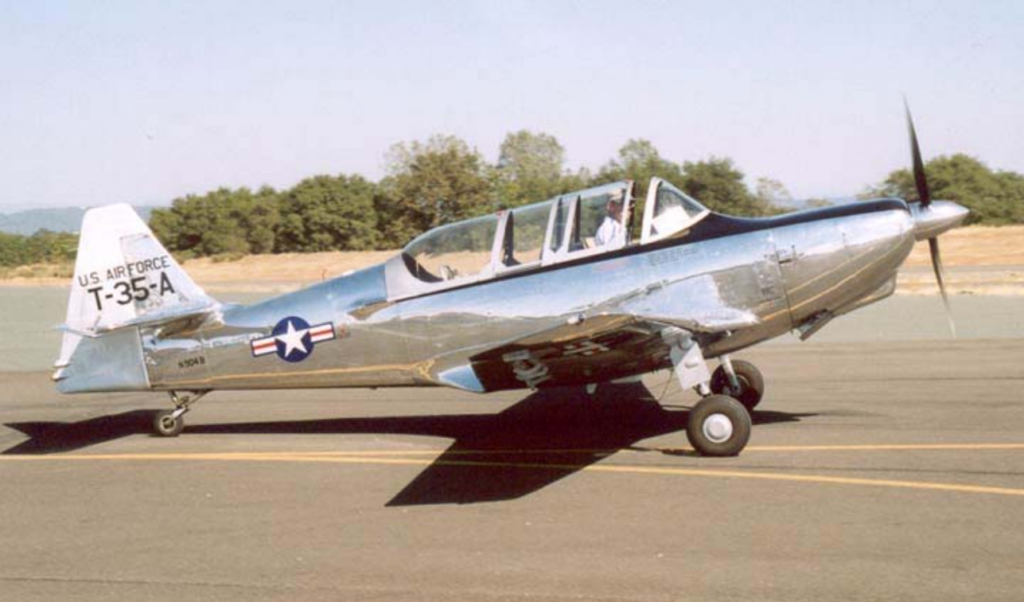
The T-35A featured all-metal construction, conventional tailwheel landing gear, and tandem seating beneath a streamlined canopy. Powered by a 145-horsepower Continental engine, it offered straightforward handling and low operating costs.
Temco hoped the aircraft would win a major U.S. Air Force trainer contract, competing against several rivals, including the aircraft that eventually became the Beech T-34 Mentor. Despite promising performance and extensive testing, the Buckaroo failed to secure a large American military order.
Production remained limited, with only 26 Buckaroos of all variants built. The principal production version, the T-35A, was supplied to the Royal Saudi Air Force through the Mutual Defence Assistance Program.
These aircraft were unusually well equipped for a trainer, carrying provisions for machine guns and rockets for weapons instruction. Small numbers were also evaluated by Israel, Greece, Italy, and the United States Air Force.
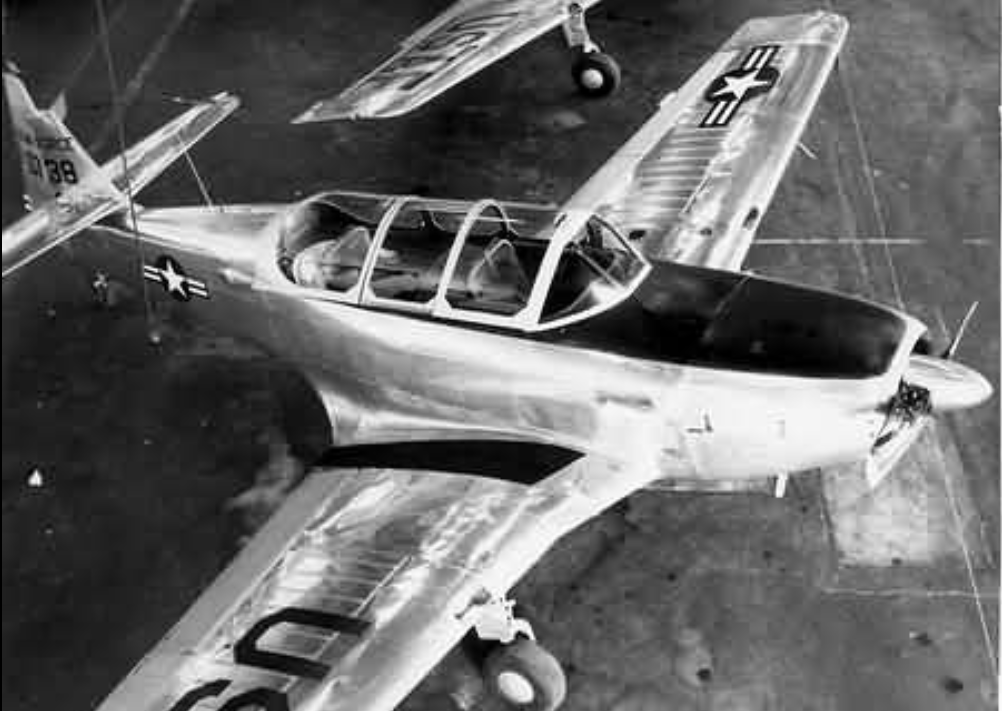
Although it never achieved widespread success, the Buckaroo remains an intriguing example of postwar American aircraft design. Its sleek appearance, economical concept, and connection to the Globe Swift make it a favourite among aviation historians.
Several examples survive today, and a handful remain on the US civil registry, preserving the legacy of this rare and distinctive trainer.
Be at EAA AirVenture Oshkosh to see more vintage aircraft
EAA AirVenture Oshkosh event is expected to attract tens of thousands of visitors and aircraft enthusiasts to Wittman Regional Airport later in July.

With some of the latest designs in light aircraft mingling effortlessly with vintage aircraft of yesteryear (such as those listed above at the Vintage in Review display), the event truly offers something for everyone.
And with over 10,000 visiting aircraft expected to attend over the five days of the show, the small rural airfield in Oshkosh becomes one of the busiest airports on the planet – itself a remarkable sight!
Featured image: Paul Novorolsky / stock.adobe.com