How a retired American Airlines pilot landed a vintage seaplane on a Phoenix highway

4 min read
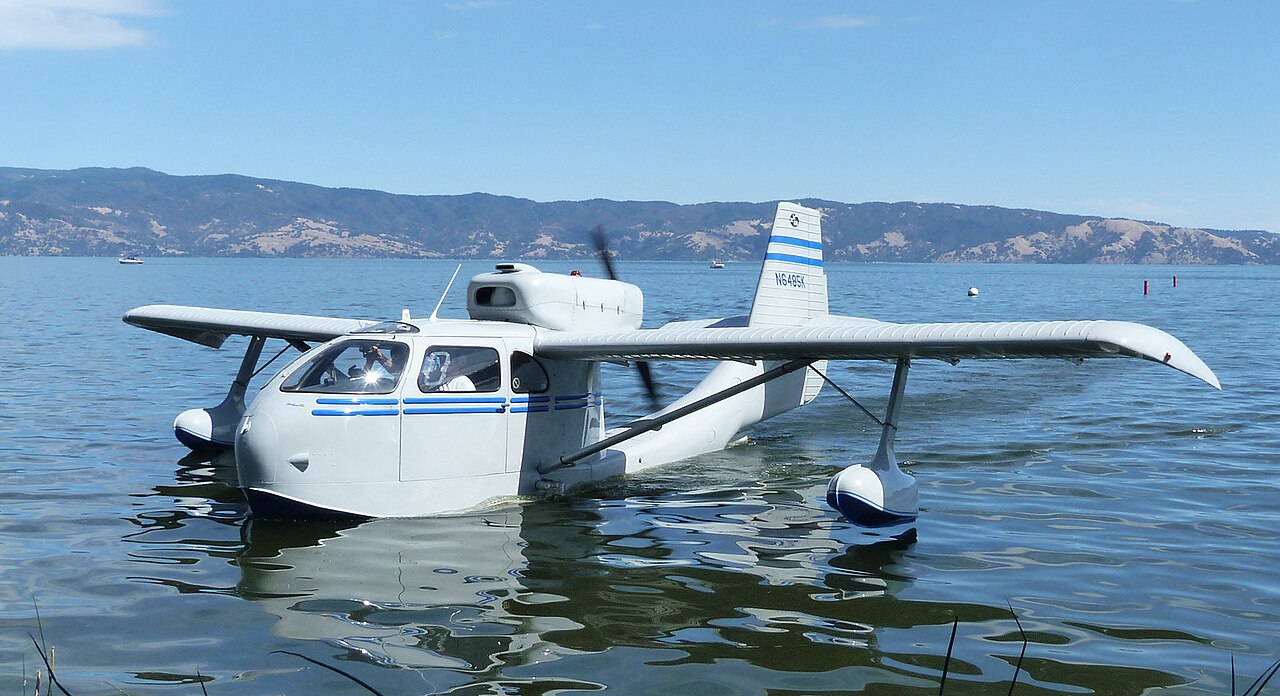
A vintage seaplane made an emergency landing on a Phoenix street after suffering an in-flight engine failure, with a veteran airline pilot drawing on more than four decades of experience to bring the aircraft down safely in just over two minutes. All three occupants walked away unscathed, with no injuries on the ground.
Vintage seaplane makes emergency landing on Phoenix street after engine failure
On April 19, a small amphibious aircraft was undertaking a local flight from a private airstrip in Arizona when its engine failed, forcing the pilot to carry out an emergency landing on a nearby main road.
In what became a highly controlled forced landing, all three occupants of the 79-year-old Republic RC-3 Seabee were able to walk away unhurt, with only minor damage to the aircraft.
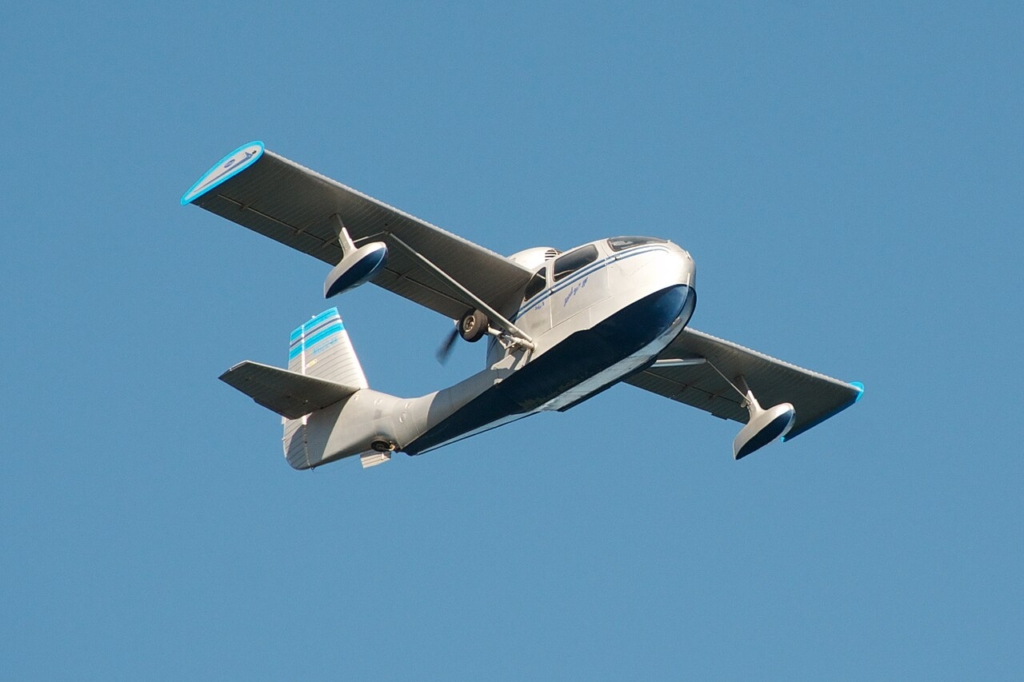
The aircraft, registered N6518K, was being flown by Captain Mike Tragarz, a retired American Airlines captain with over 44 years of flying experience. The aircraft was operating a local sightseeing flight over the Phoenix Valley area, carrying two friends, both pilots, including one who is the head of the Seaplane Association in Montenegro.
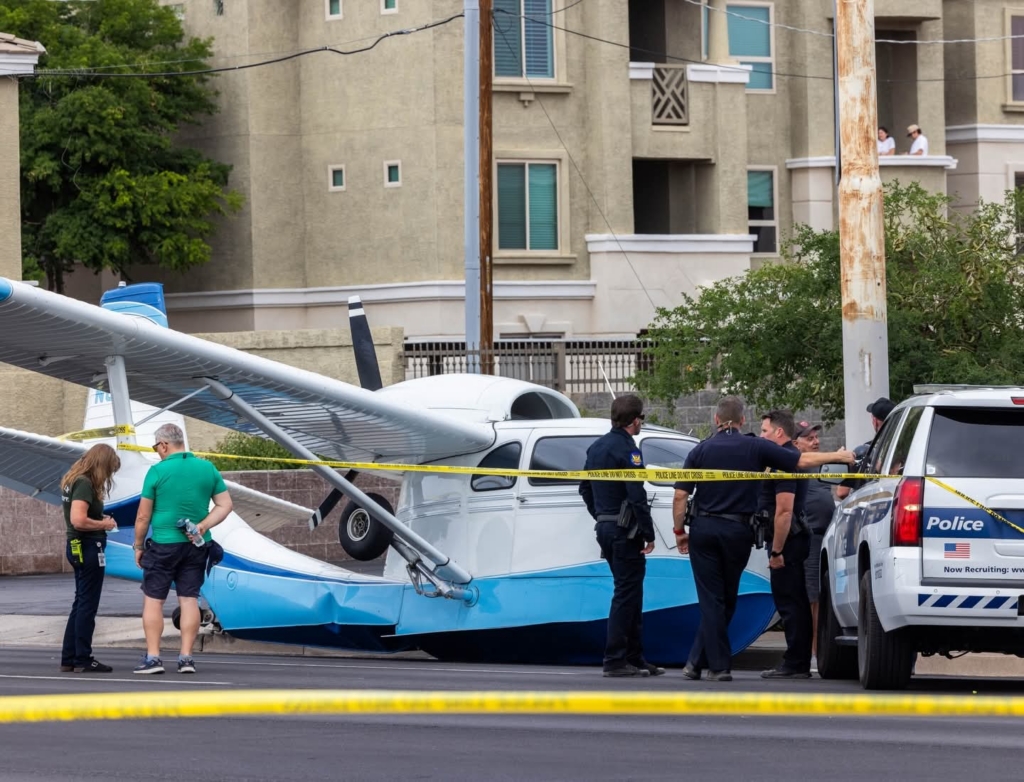
Upon landing, the Phoenix Fire Department said all three occupants exited the aircraft and were evaluated at the scene. No residents, vehicles or structures were hit, although the landing caused minor damage to a local fire hydrant.
Two-minute engine failure emergency forces rapid landing decision over Phoenix
Flight tracking data from Flightradar24 shows that the aircraft departed from Hangar Haciendas Airpark in Maricopa County at around 14:00 local time on 19 April.
Climbing to around 2,500ft and operating outside the boundary of Phoenix Sky Harbor International Airport, the aircraft was flying in the Glendale area when those on board first detected an issue with the aircraft’s single Franklin 6A8 engine.
Speaking with local radio station KTAR 92.3FM, Tragarz said he was first alerted by a passenger who noticed smoke coming from the engine. While the aircraft was not on fire, it was clear that a serious issue had developed, and power was lost shortly afterwards.
Despite attempts to restore power, Tragarz quickly recognised that the situation had become a forced landing scenario. With limited altitude and time available, he initially considered diverting to Phoenix Sky Harbor, but determined that the aircraft would not be able to reach the airport safely.
“This whole incident was over in two minutes and 10 seconds from the beginning to touchdown,” Tragarz explained.
Veteran pilot executes precise emergency landing on Phoenix city street
Having ruled out the airport, Tragarz identified Seventh Street in downtown Phoenix as the safest available option, avoiding residential areas and offering a clear, straight stretch of road.
Crucially, he noted that traffic lights at both ends of the section he selected were red, holding vehicles in place and creating a temporary buffer zone.

Lining the aircraft up with the road, Tragarz committed fully to the landing. “I was making that right-hand turn to head for Sky Harbor, and I was just about crossing Seventh Street, and I looked out, and I’m like, there it is right there,” he said. “Made the commitment. That was it.”
Following standard off-airport landing procedures, he kept the aircraft’s retractable landing gear retracted, bringing the aircraft down on its belly to maximise friction and reduce the landing roll.
The execution required exceptional precision. Tragarz cleared overhead power lines by around 40ft (13 metres), then lowered the nose to pass beneath a lane-control sign spanning the road, touching down just 10 to 15 feet (3 to 5 metres) beyond it.
All occupants escape uninjured after seaplane’s forced street landing
The aircraft came to a halt at the kerbside of Seventh Street, where all three occupants exited safely. Emergency services quickly secured the scene.
The Phoenix Fire Department dealt with a dislodged fire hydrant struck by the aircraft’s wingtip, but no other damage or injuries were reported.
The street was closed for several hours while the aircraft was recovered and taken away for inspection.
Speaking afterwards, Tragarz attributed the successful outcome to experience built over decades of airline flying. “Muscle memory kicks in, and so you start the procedures. Pucker factors just don’t help the situation,” he said.
The Federal Aviation Administration and National Transportation Safety Board are expected to investigate the incident and determine the cause of the engine failure.
What is the Republic RC-3 Seabee amphibious aircraft?
The Republic Seabee was a postwar American amphibious aircraft built by Republic Aviation. Its origins lie in designer Percival “Spence” Spencer’s earlier Air Car prototype, which the company acquired during the Second World War.
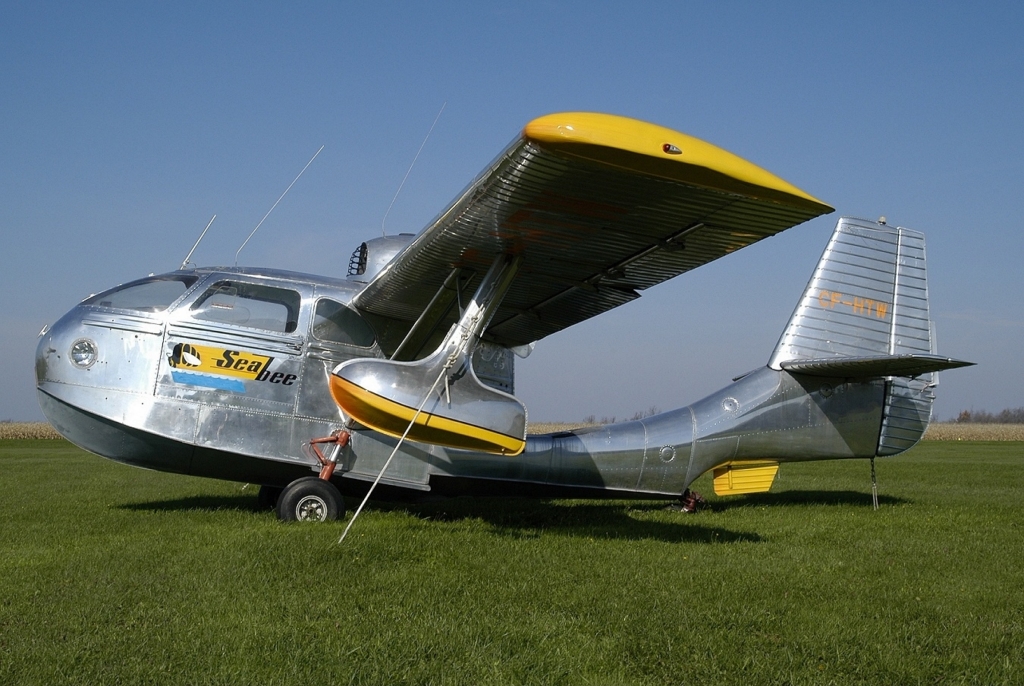
First produced in 1946, the aircraft featured a pusher engine mounted above the cabin, retractable landing gear, and the ability to operate from both land and water. Its spacious cabin and rugged design made it popular with private owners, sportsmen, and bush pilots.
However, the anticipated postwar boom in private aviation failed to materialise, and production ended in 1947 after around 1,060 aircraft had been built.
Today, surviving Seabees are considered vintage classics, valued for their distinctive design and versatility, and the Phoenix incident is a striking reminder of both their resilience and the skill required to operate them safely under pressure.
Featured image: Bill Larkins / Wikimedia Commons
Sign up for our newsletter and get our latest content in your inbox.


More from


October 17, 20265 min read

October 17, 20264 min read