Ukraine’s F-16s edge closer to cruise missile capability as USAF tests Rusty Dagger

3 min read
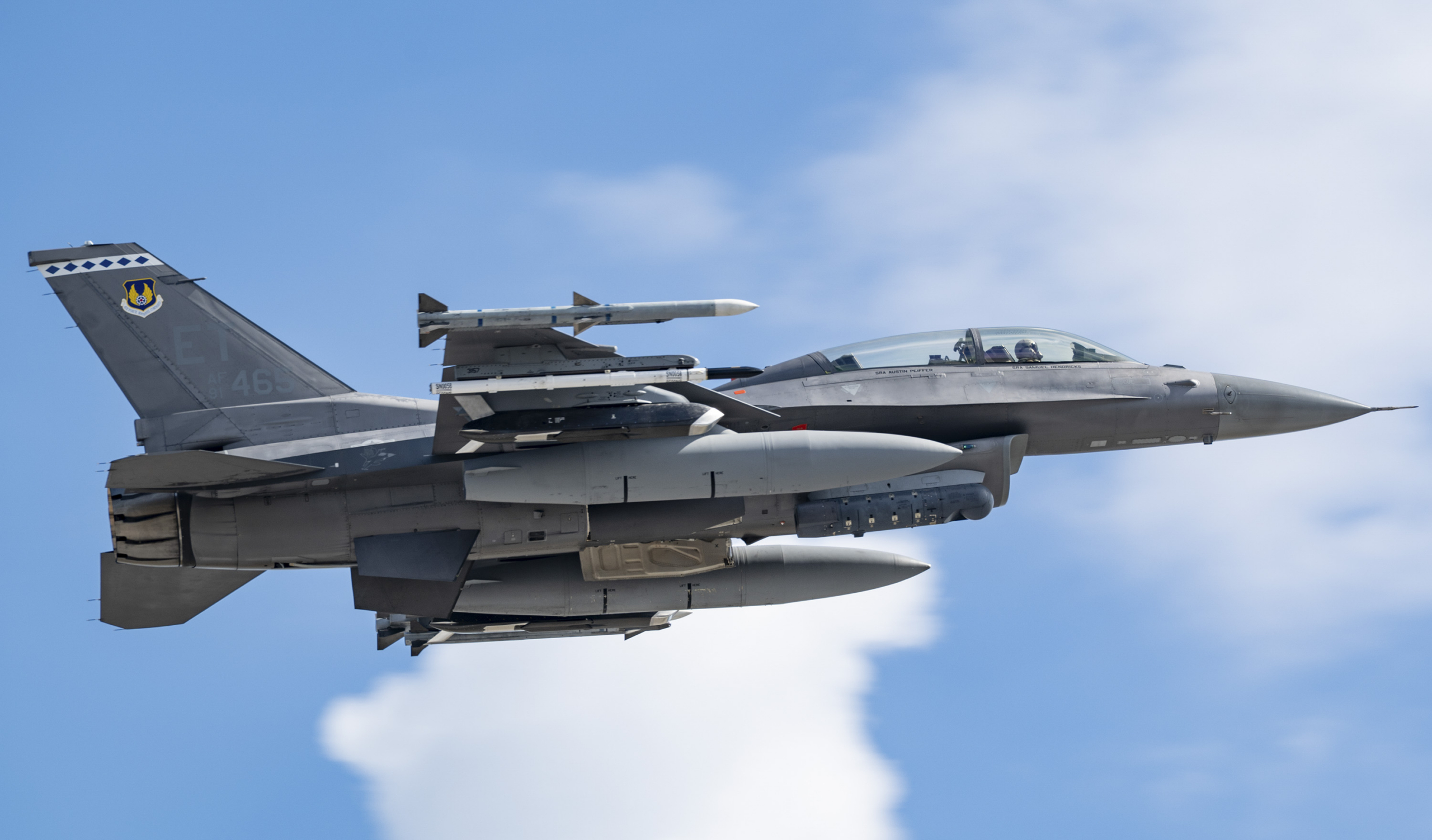
The US Air Force has successfully test-fired its new Family of Affordable Mass Munitions – Lugged (FAMM-L) weapon from an F-16, with mounting evidence confirming the missile as the AGM-188A Rusty Dagger.
The test, conducted on April 13 by the Team Eglin Test Enterprise, marks a key milestone in integrating the low-cost cruise missile onto one of the most widely used Western fighter jets, and signals rapid progress in a programme closely tied to Ukraine’s growing F-16 capability.
USAF completes F-16 integration test for FAMM-L missile
The United States Air Force said the test campaign included fit checks, loading validation, and flight compatibility assessments, culminating in the successful carriage and release of the weapon from an F-16D.
Lt Col Brett Tillman, commander of the 780th Test Squadron, described the pace of integration as “incredible”, underscoring the urgency behind fielding the capability.
While the Air Force did not formally identify the missile, imagery from the test shows a weapon marked “Extended Range Attack Munition”, directly linking it to the ERAM programme and the AGM-188A Rusty Dagger.
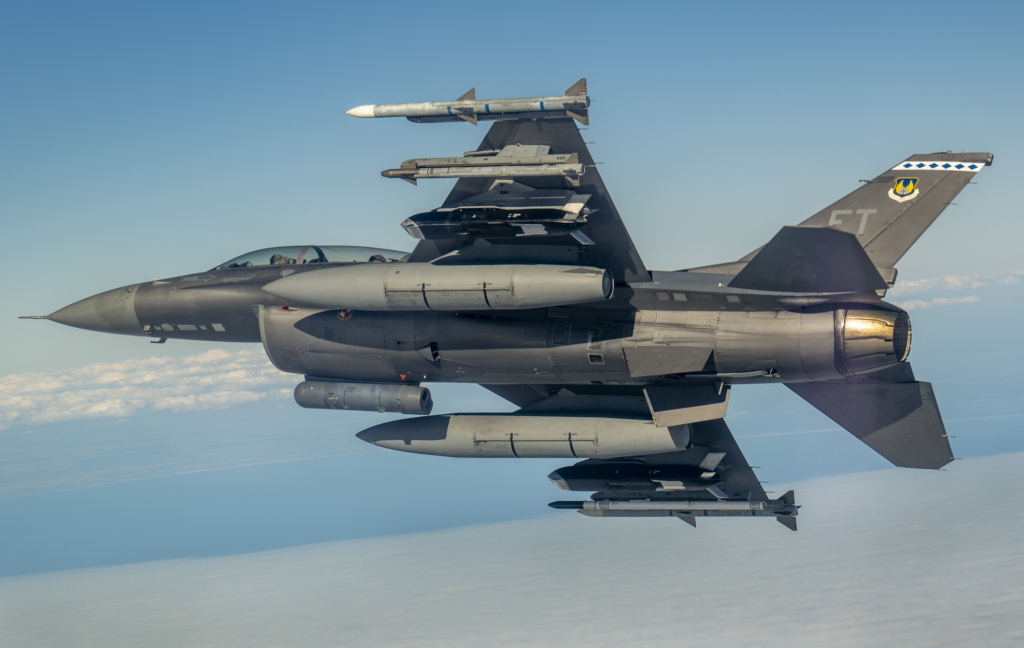
Further confirmation came from developer Zone 5 Technologies, which publicly acknowledged its role in supporting the rapid integration effort.
AGM-188A Rusty Dagger cruise missile linked to ERAM programme
The AGM-188A Rusty Dagger is a low-cost, air-launched cruise missile being developed under the Extended Range Attack Munition (ERAM) programme, led by Zone 5 Technologies.
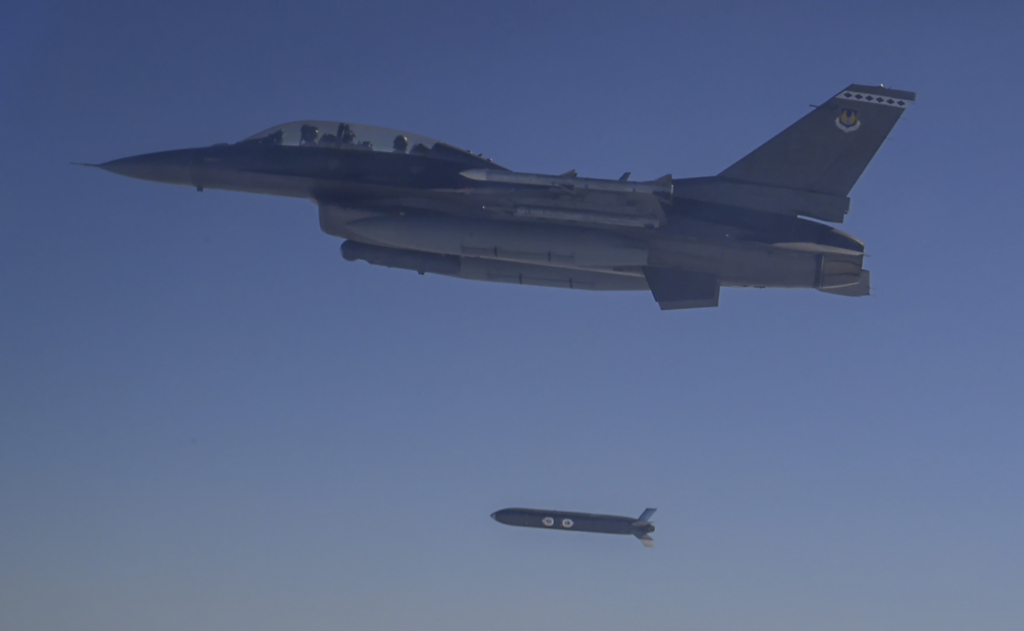
Designed as part of the US push towards “affordable mass”, the missile offers a combination of range, precision, and scalability that allows it to be deployed in large numbers.
ERAM-class weapons are:
- Subsonic, turbojet-powered cruise missiles
- Precision-guided for air-to-ground strike missions
- Designed with a stand-off range of around 250 nautical miles (460 km)
- Approximately 500 lb (227 kg) in weight
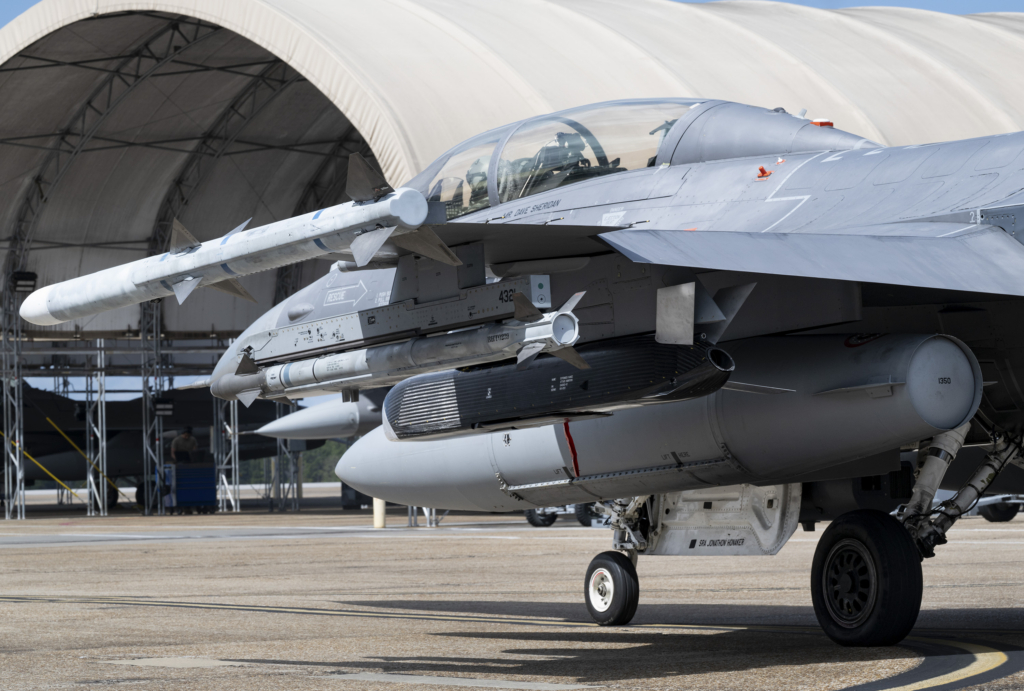
Reporting suggests the Rusty Dagger could reach targets at distances of up to 400 km, providing a significant stand-off strike capability at a fraction of the cost of traditional cruise missiles.
In August 2025, the US approved the potential sale of up to 3,350 ERAM missiles to Ukraine, highlighting the scale at which these weapons are expected to be deployed.
Ukraine’s F-16 fleet gains long-range strike capability
Ukraine’s growing fleet of F-16s has primarily been used for air defence, intercepting Russian cruise missiles and one-way attack drones, while also helping to deter Russian fighter operations.
However, Kyiv has lacked a cost-effective long-range strike option for the aircraft.
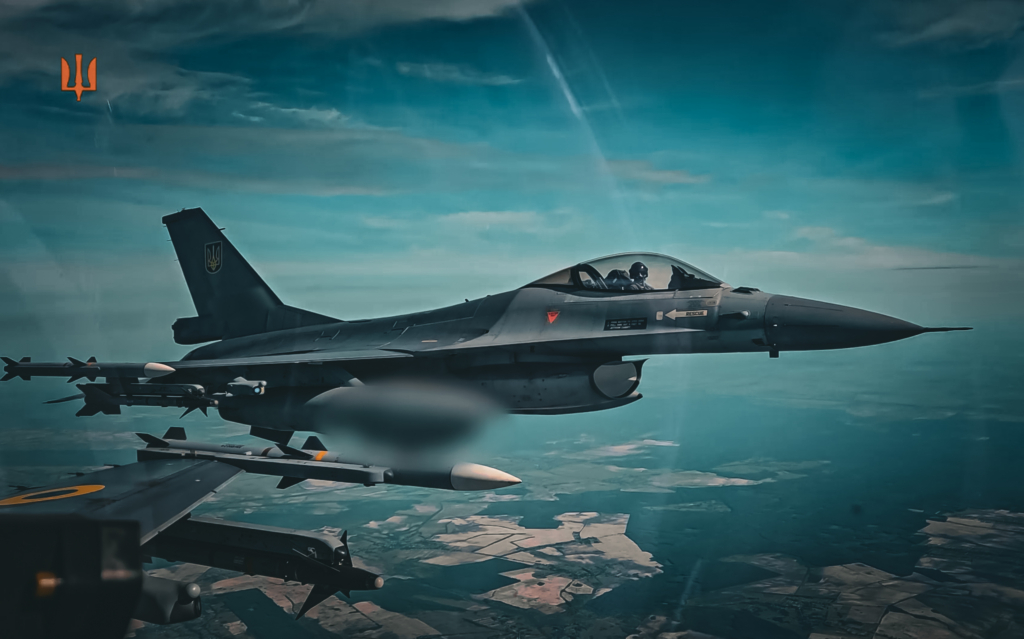
The introduction of the Rusty Dagger could significantly expand that capability, allowing Ukrainian pilots to strike targets from well outside contested airspace while carrying multiple weapons per sortie.
Because of their relatively small size and lower cost, aircraft could launch large volleys in a single mission, overwhelming defences through volume as much as precision.
Initial deliveries of the missile to Ukraine are expected by the end of 2026, according to defence reporting.

The FAMM-L programme forms part of a broader US effort to develop cheaper, scalable precision weapons that can be fielded rapidly and in large quantities.
Originally driven by Ukraine’s urgent operational needs, the Rusty Dagger is now also being incorporated into the US military’s own Affordable Long-Range Weapons strategy.
The approach reflects lessons learned from modern conflicts, where the ability to deploy large numbers of low-cost precision munitions is increasingly seen as critical to countering both advanced air defences and massed drone threats.
Featured Image: US Air Force / Tech. Sgt. Thomas M. Barley
Sign up for our newsletter and get our latest content in your inbox.


More from

October 17, 20265 min read


October 17, 20264 min read