


FedEx Express completes first McDonnell Douglas MD-11 test flight following six-month grounding

5 min read
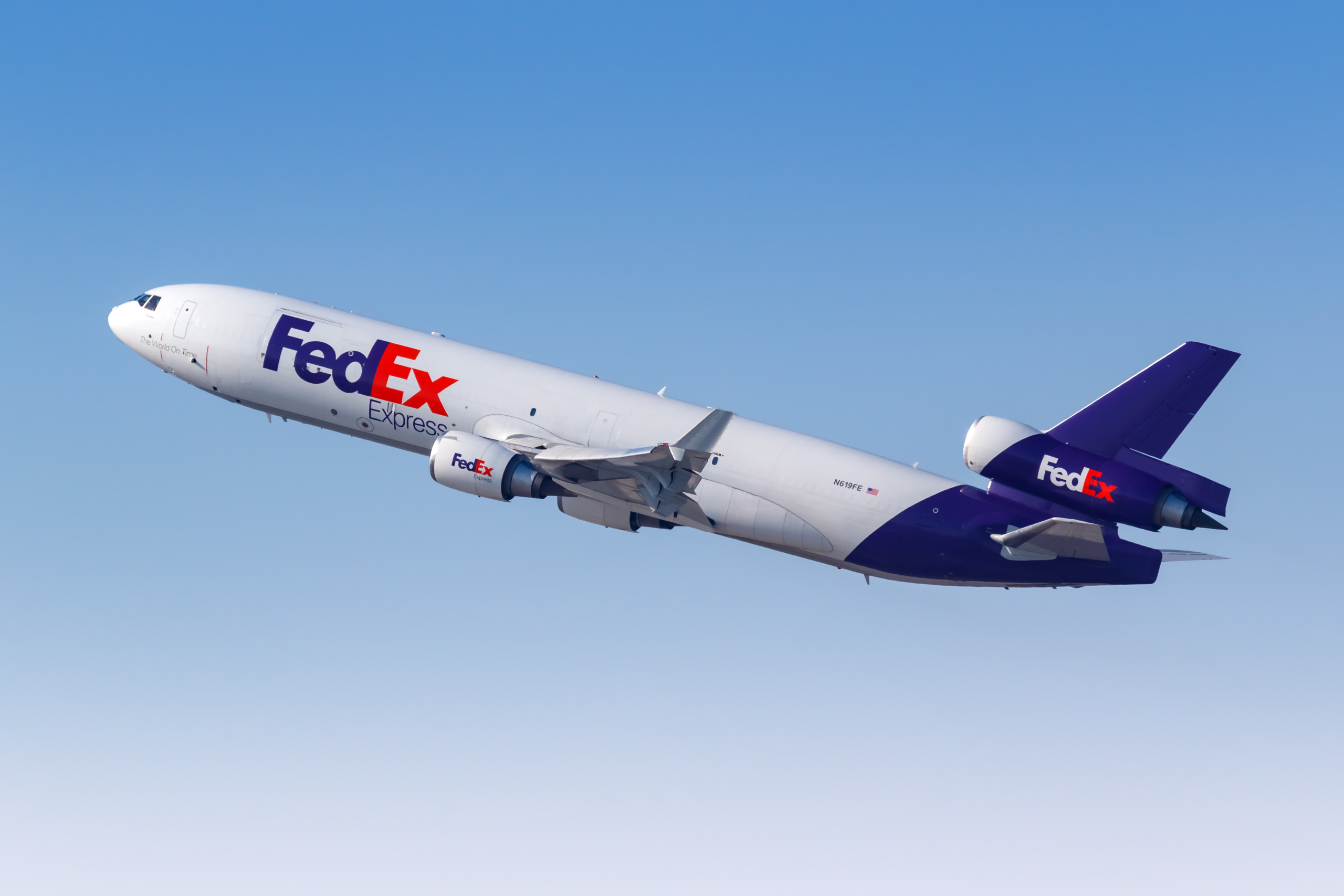
A FedEx Express McDonnell Douglas MD-11F has performed the first test flight for the type in six months, departing Memphis (MEM) for a one-hour and 15-minute flight. The flight marked the return to flying of the MD-11 since a UPS example crashed on take-off from Louisville, Kentucky on 4 November 2025, killing the three occupants on the aircraft and 12 people on the ground.
FedEx Express performs first MD-11 flight in six months
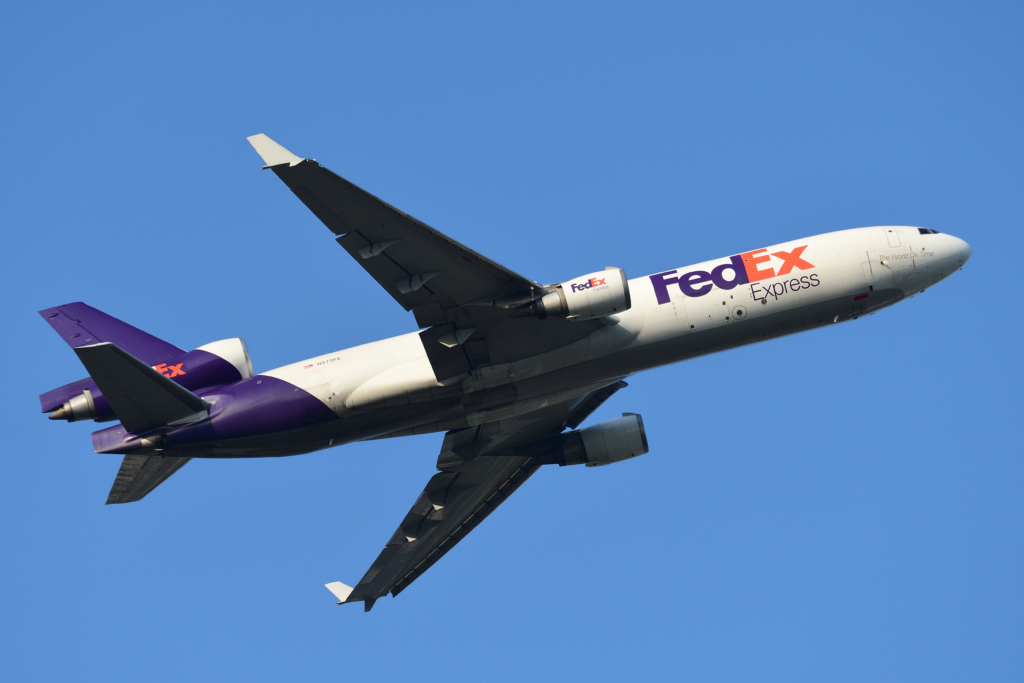
On 9 May, a FedEx Express McDonnell Douglas MD-11F (registration N621FE) conducted the first test flight for the type in roughly six months, after it was grounded following the crash of a UPS example in November 2025.
The aircraft departed Memphis International Airport (MEM) on a one-hour-and-15-minute flight as FX9045. The flight followed engineering modifications mandated by the Federal Aviation Administration as a result of the UPS crash.
The background to the recent test flight was the National Transport Safety Board inquiry into the UPS MD-11 accident, which found that an engine and pylon separated during take-off.
Investigators linked the failure to structural fatigue issues in a bearing component, prompting regulators to ground the MD-11 fleet worldwide while Boeing developed a fix.
FedEx's MD-11F conducts a test flight, a first since
— FL360aero (@fl360aero) May 10, 2026
UPS Flight 2976 crash in November last year that led to issuance of the Emergency Airworthiness Directive AD 2025-23-51 on November 8 for MD-11 models.
The McDonnell Douglas MD-11F (N621FE) conducted the test flight, taking an… pic.twitter.com/C4aMChui8q
According to Aid Data News, the FedEx Express aircraft performed the short test flight from Memphis as engineers and flight crews validated modifications, inspections, and operational procedures tied to the grounding order.
As the largest remaining operator of the MD-11 with 29 aircraft still in its fleet, FedEx has been keen to get its aircraft back flying and has taken a leading role, along with Boeing and the FAA, in achieving this goal.
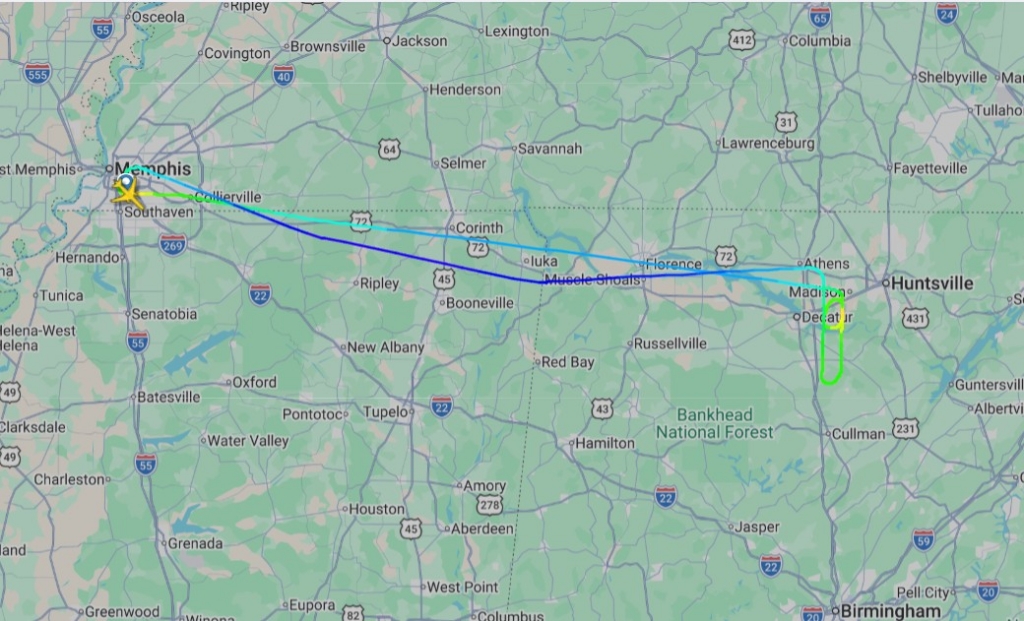
According to Flightradar 24, the aircraft involved departed Memphis at 17:39 local time on 9 May and headed east toward Huntsville, Alabama. After carrying out a missed approach at Huntsville International Airport (HSV), the aircraft returned to Memphis, where it touched down safely at 18: 54.
Following this test flight, the aircraft then departed Memphis the following day, this time heading on a route-proving flight to Miami International Airport in Florida. The aircraft landed safely in Miami after one hour and 47 minutes in the air, where it remains at the time of writing.
The airline will now perform a series of other route-proving flights throughout the rest of May to satisfy the FAA that the MD-11 is fit to fly.
Once these flights have been carried out and the FAA re-certifies the aircraft, FedEx Express will return its fleet to the air. UPS, however, will not. After the Louisville accident, the company said that regardless of the outcome of the NTSB investigation, it would not return its fleet of MD-11s to revenue service. The carrier had 27 active aircraft at the time of the accident, with the remaining 26 aircraft now in storage.
What happened to UPS flight 2976?
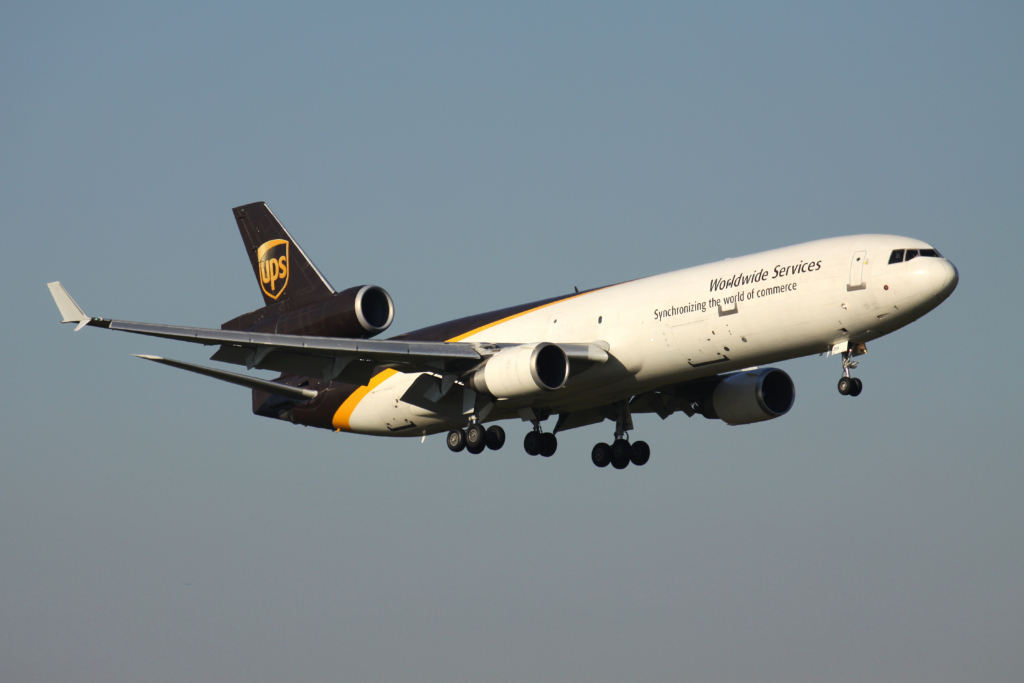
On 4 November 2025, UPS Flight 2976, the UPS MD-11 freighter registered N259UP, crashed shortly after take-off from Louisville’s Muhammad Ali International Airport (SDF) while operating a cargo flight to Honolulu.
The aircraft carried three crew members, all of whom were killed. Twelve people on the ground also died when the aircraft struck industrial buildings near the airport, making it one of the deadliest cargo aircraft accidents in US aviation history.
Investigators determined that the aircraft’s left engine and pylon assembly separated from the wing during rotation during the take-off roll. Witnesses and surveillance video showed a large fireball erupting from the aircraft’s left side moments before the crash.
Flight-data evidence indicated the MD-11 briefly climbed to roughly 30 meters (100 ft) before losing control and impacting the ground. Cockpit recordings captured a repeating fire warning bell in the final seconds of flight.
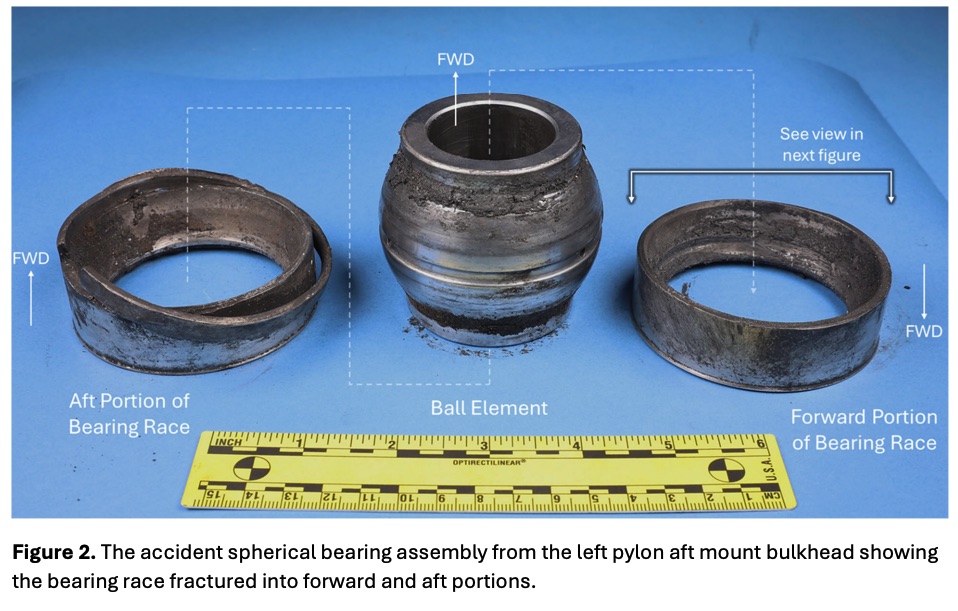
The NTSB found fatigue cracks in a critical pylon support component known as the aft mount lug. Investigators said the cracks had developed over many flights and eventually caused structural failure. Following the accident, the FAA grounded MD-11 fleets worldwide pending inspections and engineering fixes, effectively halting almost all remaining MD-11 cargo operations globally.
The MD-11 has a chequered safety record overall
Built between 1990 and 2000, McDonnell Douglas (later taken over by Boeing) delivered 200 MD-11s in total. Although primarily designed as a widebody trijet to replace the DC-10, the aircraft later found its niche as a freighter, operating with several major cargo airlines worldwide during its career.
However, the MD-11 became known as having something of a mixed safety record. Throughout the bulk of its operational life, there have been 10 hull loss incidents involving the type, with around 260 deaths as a result. Its hull-loss rate is noticeably worse than that of aircraft like the Boeing 777 or Airbus A330.
Aviation analysts and pilots generally point to several reasons the MD-11 developed this reputation for poor safety. The MD-11 had a reputation for being unforgiving during landing, especially in unstable approaches or bounced touchdowns.
Several major accidents involved hard landings, roll oscillations, or loss of control after touchdown. Some crews transitioning from the DC-10 found the MD-11 less forgiving, with the horizon stabiliser in particular being less responsive upon landing.
Additionally, once retired from passenger service, many surviving MD-11s ended up flying freight for operators like UPS and FedEx. Cargo operations often involve more take-offs and landing cycles using older airframes, which can increase operational risk exposure over time.
This was the case with the UPS Louisville accident, where investigators found evidence of metal-fatigue cracking in the engine support structure as a result of increased aerodynamic stresses resulting from increased take-offs and landings.
Featured image: Markus Mainka / stock.adobe.com


