


Tower, approach and en-route: Understanding modern air traffic control

3 min read
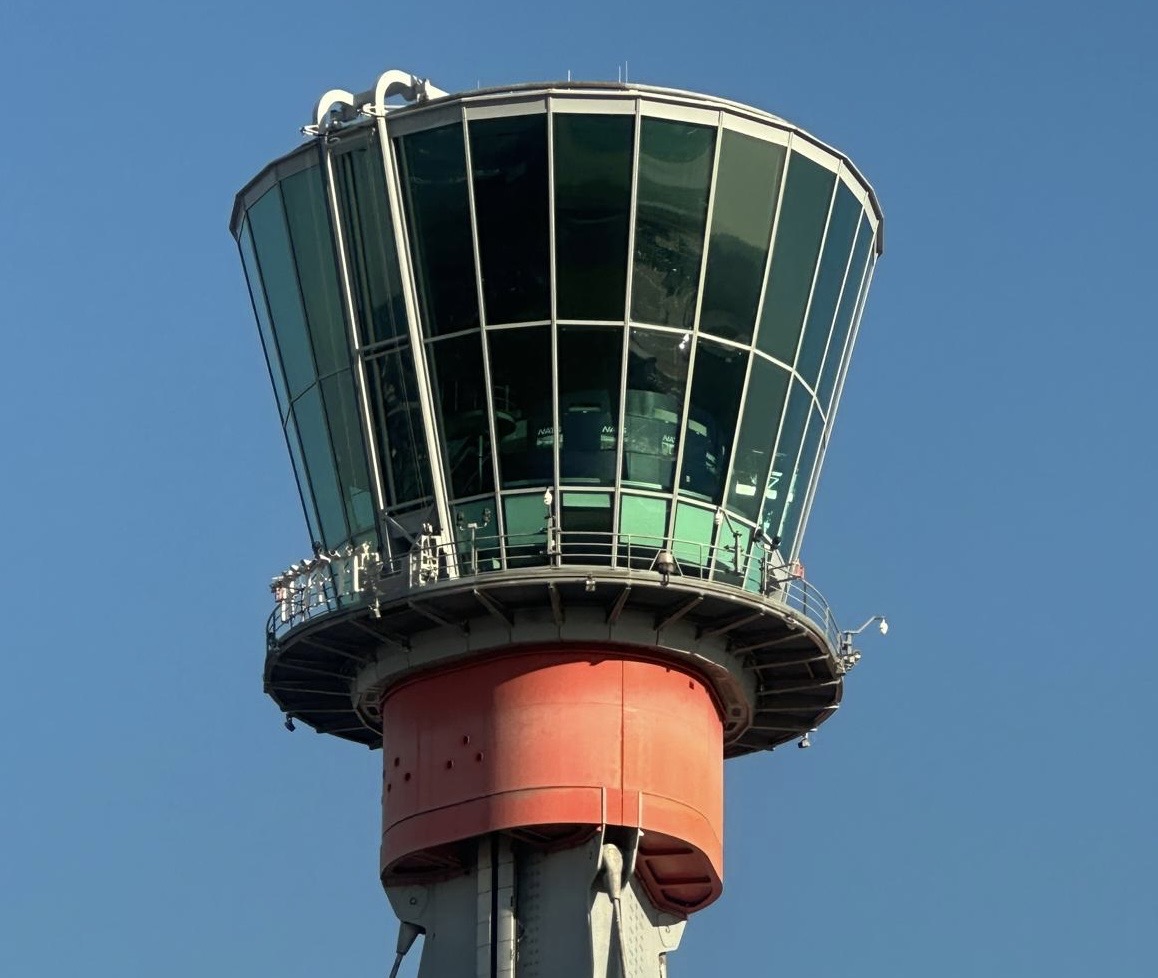
Broadly speaking, air traffic controllers fall into two groups: radar controllers, who handle en-route and approach duties (often referred to as “area control”), and tower controllers, who manage aircraft on and around the airport itself.
Together, they provide what is known as an Air Traffic Service (ATS), tasked with keeping aircraft safely separated and efficiently sequenced from departure to arrival.
Tower control: managing the airport itself
Tower control is the most visible part of the system and operates from the control tower, often within the Visual Control Room (VCR). Controllers here are responsible for everything happening on the airfield: take-offs, landings, runway crossings, taxiways, and aircraft moving in the circuit pattern.
At larger airports, tower operations are shared between several controllers. A “Ground” controller manages aircraft moving between gates and runways, while a “Delivery” controller may issue pre-departure clearances and coordinate slot timings before engines are even started.
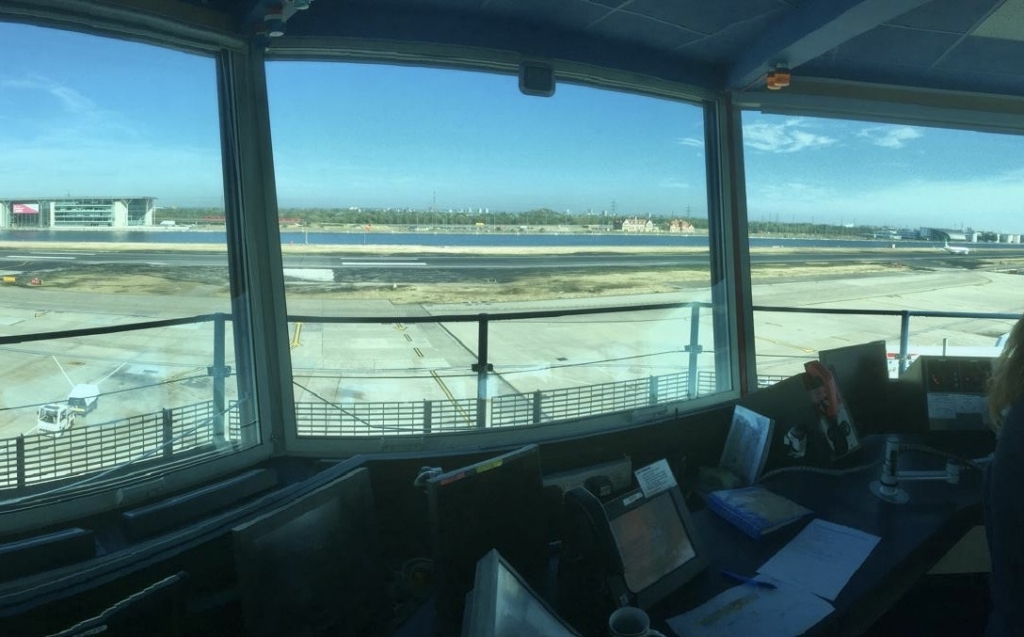
Once aircraft are ready, they are handed from Delivery to Ground, and then to Tower for take-off clearance.
Much of this work is done by eye, but during bad weather and poor visibility, controllers rely on surface movement radar, lighting control panels, and instrument displays to maintain situational awareness.
Tower controllers also coordinate closely with airfield services like fire and rescue teams and pushback tugs, for safe and orderly movement across the airport.
Approach control handles the transition phase
Approach control sits between tower and en-route operations. Radar controllers in this phase manage aircraft as they climb out of or descend into airports (sometimes via holding patterns), guiding them through Standard Instrument Departures (SIDs) and Standard Terminal Arrival Routes (STARs).
They operate within controlled airspace surrounding airport clusters, sequencing traffic so arrivals and departures don’t conflict. Airports, including Glasgow Airport, Southampton Airport, Aberdeen Airport, and Belfast International Airport, all rely on structured approach services, sometimes located within the airport tower itself.
In the London area, approach control is centralised in radar units where controllers work specific sectors. “Essex Radar” manages traffic for Stansted and Luton, while “Thames Radar” handles flows to and from London City Airport and Biggin Hill Airport.
During peak demand, a “Director” or “Final” controller sequences aircraft from holding patterns before handing them to tower for landing clearance.
What does en-route control manage?
Once aircraft leave terminal airspace, control moves to en-route (or area) control. This is the cruise phase of flight, where aircraft are flying at higher altitudes across long distances.
The sky is divided into Flight Information Regions (FIRs) and Upper Information Regions (UIRs) to keep everything organised. In the UK, this is managed by NATS from Swanwick in Hampshire and Prestwick in Scotland.
Controllers here handle traffic spread over huge areas, coordinating constant handovers between sectors and neighbouring countries as aircraft move across borders.
Across Europe, Eurocontrol helps coordinate this flow between national airspaces.
Alongside radio calls, controllers also use systems like CPDLC (Controller-Pilot Data Link Communications) to send clear, text-based instructions and reduce radio congestion.
Technology and digital towers
Air traffic control is now moving into a new phase of digital tower systems, where controllers don’t have to be physically in the airport anymore. Instead, live video from high-definition cameras, radar, and sensors is sent to remote control centres, where aircraft are tracked on screens with real-time labels and movement data.
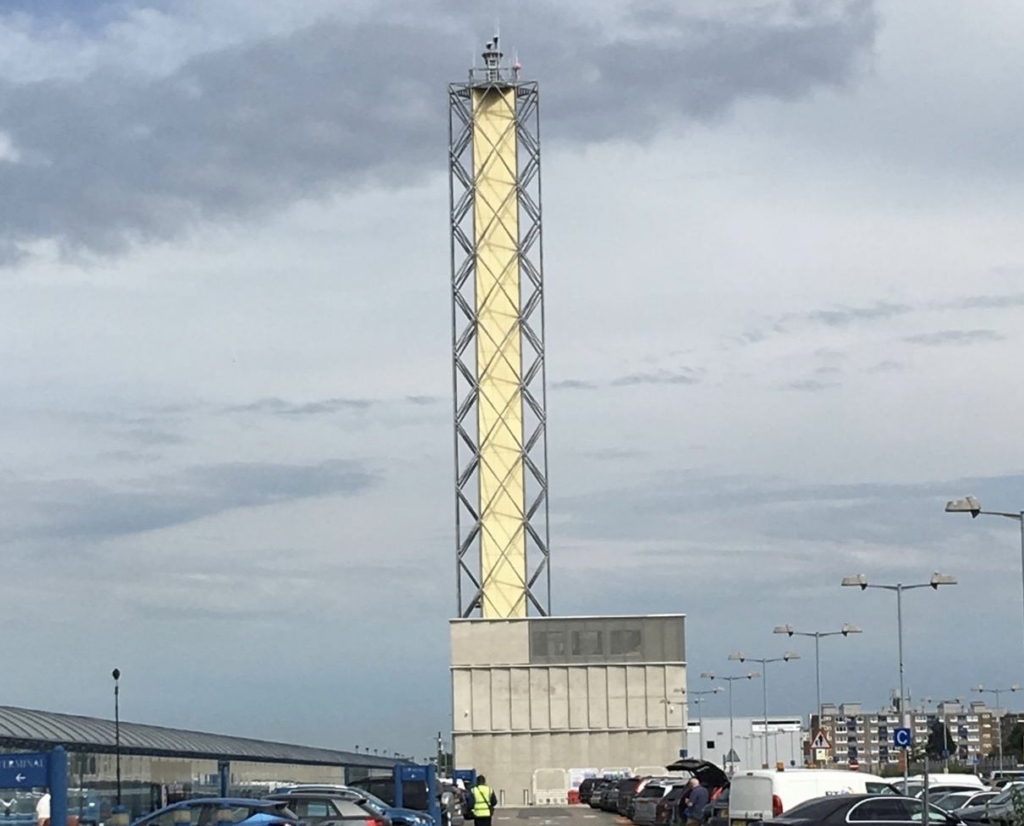
Some airports already use this setup, like London City Airport, which is controlled remotely from Swanwick. It’s a simple shift in location, but a big step in how modern air traffic control works.
Overall, while the tools and technology are changing quickly, the core job remains the same: keeping aircraft separated and safely moving from gate to gate.
Featured image: Pete Wilson
Sign up for our newsletter and get our latest content in your inbox.


More from

October 25, 20266 min read

October 25, 20265 min read


