


EUROCONTROL prepares Europe’s skies for AI-assisted air traffic management

4 min read

EUROCONTROL is in the midst of a significant digital modernisation programme, and has revealed its plan to replace parts of its ageing infrastructure with a modern, cloud-enabled platform.
The organisation, which coordinates air traffic flows across 42 member states, is working with Red Hat to update its 25-year-old technology backbone with something fit for the future.
“Taking advantage of the cloud for our mission-critical systems will improve the ability of the network to safely and efficiently scale capacity up or down depending on the growth or decline of air traffic,” says Antonio Licu, Head of Technology Division at EUROCONTROL.
Moving to a cloud-enabled platform will give EUROCONTROL more operational resilience and will support integration of real-time operational analysis and future AI tools.
EUROCONTROL readies for soaring air traffic demand
Air traffic management has become dramatically more complex over the past few decades, as rising flight volumes and increasingly data-driven operations place growing demands on Europe’s aviation infrastructure.
After handling 11.12 million flights in 2025, EUROCONTROL expects annual traffic across its network to rise to around 12.4 million flights by 2031.
That growth is placing mounting pressure on the systems that underpin European air traffic management, which must process ever larger volumes of operational, routing and network data in real time.
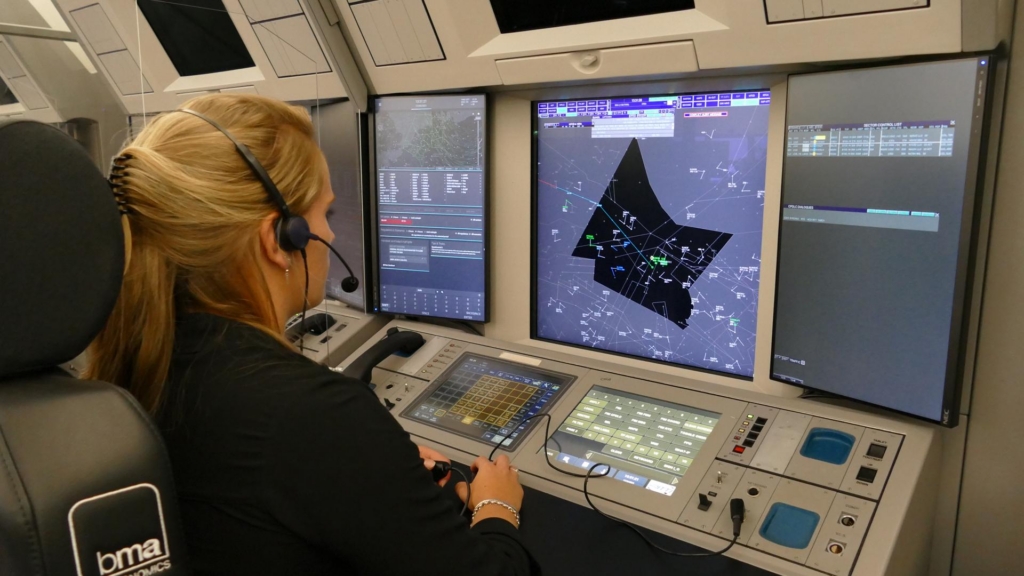
By moving to Red Hat’s OpenShift platform, EUROCONTROL aims to unify these previously fragmented data streams into a single management environment, creating the foundation for more advanced automation, operational analysis and future AI-assisted tools.
“Red Hat’s collaboration with EUROCONTROL showcases the power of open hybrid cloud in transforming critical infrastructure while retaining full control over the resulting stack,” says Leonard Bodmer, vice president at Red Hat.
“By embracing Red Hat OpenShift, EUROCONTROL is gaining the flexibility it needs to adapt its organisation and maintain digital sovereignty according to rapidly evolving European aviation dynamics.”
How EUROCONTROL says cloud infrastructure will improve operations
EUROCONTROL says moving towards a hybrid cloud-based infrastructure will allow Europe’s air traffic management network to become more scalable, resilient and data-driven as flight volumes continue to rise.
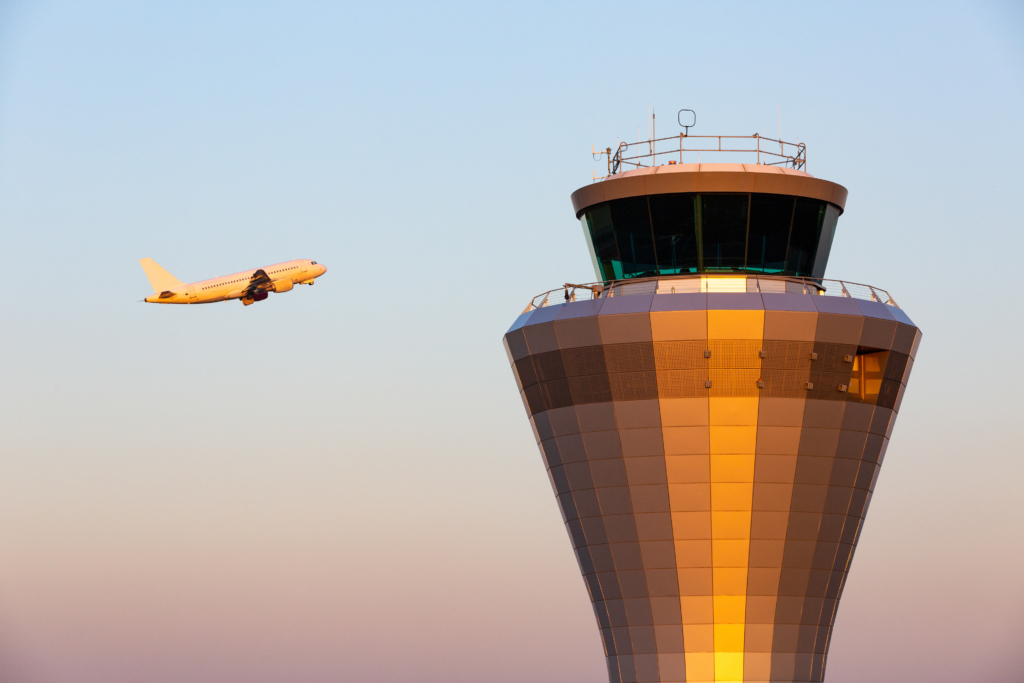
- Better scalability: Operations can expand or contract in response to real-time traffic levels across Europe’s airspace.
- Real-time analysis: Data that previously took days to process can now be analysed immediately.
- AI-enabled traffic optimisation: Machine learning tools could help identify more fuel-efficient and environmentally sustainable flight paths.
- Modernised air traffic systems: EUROCONTROL is replacing elements of its 25-year-old digital backbone, including NOTAM and aeronautical data systems.
- Improved resilience: Hybrid cloud infrastructure is designed to strengthen operational continuity during disruptions or traffic surges.
- Greater digital sovereignty: EUROCONTROL says the platform will give it more transparency and control over critical aviation infrastructure.
- Faster software updates: Automating infrastructure management should allow quicker deployment of new operational tools and services.
- Better network integration: A unified platform will support data sharing between airlines, airports, air navigation providers and other stakeholders.
The organisation says the changes will help future-proof Europe’s air traffic management network as annual flight volumes continue growing and operational complexity increases.
Could AI eventually help manage Europe’s air traffic?
While EUROCONTROL’s latest announcement focuses on infrastructure, the long-term implications could be far broader as AI becomes increasingly embedded in air traffic management.
With access to larger volumes of operational data in real time, future AI tools could help predict congestion before it develops, recommend reroutes around weather or disruption, and optimise flight trajectories across the network within seconds.
Machine learning systems may also support controllers by identifying emerging bottlenecks, highlighting potential conflicts earlier, and modelling the downstream impact of delays across Europe’s tightly interconnected airspace.

For airlines, the potential benefits could include lower fuel burn, shorter routings and more efficient recovery from disruption events.
AI is unlikely to replace human air traffic controllers, particularly in Europe’s highly regulated safety environment, but it could increasingly act as a decision-support layer sitting behind the scenes, processing operational complexity at a scale impossible through traditional systems alone.
As air traffic volumes continue rising and airspace becomes more congested, the ability to process and act on live operational data in near real time may become one of the defining technologies shaping the future of European aviation.
Featured image: EUROCONTROL


