South African Airways’ turnaround story unravels as CEO quits and audit flags accounting errors

4 min read
A week after South African Airways (SAA) Group CEO Professor John Lamola and three non-executive directors announced their resignations, the airline is navigating a deepening financial crisis.
Lamola announced his resignation on Friday, 10 April. He confirmed that he will step down as CEO at the end of April, four years after leading the airline out of business rescue. No formal reason was given for his departure.
However, the timing is hard to separate from the rapid unravelling of the airline’s financial reporting. The announcement was also preceded by a board meeting chaired by Transport Minister Barbara Creecy.
Industry analysts are signalling that the airline’s recovery narrative may not be as solid as previously portrayed.
The South African Cabin Crew Association says South African Airways CEO Professor John Lamola’s sudden resignation couldn’t have come at a worse time. https://t.co/ATdCWccbJp
— SABC News (@SABCNews) April 11, 2026
According to a report in The Citizen newspaper, aviation analyst Guy Leitch said the recent wave of departures at SAA points to deeper structural problems within the airline.
“Even when a brave face was put on things, claiming a profit in the 2025 annual report, for example, the problems ran deeper than first suspected,” he said.
South African Airways under John Lamola: turnaround and expansion
Lamola has been credited with transforming the airline over the past few years. The airline appointed him as a non-executive director in 2021 before promoting him to group CEO in May 2022.
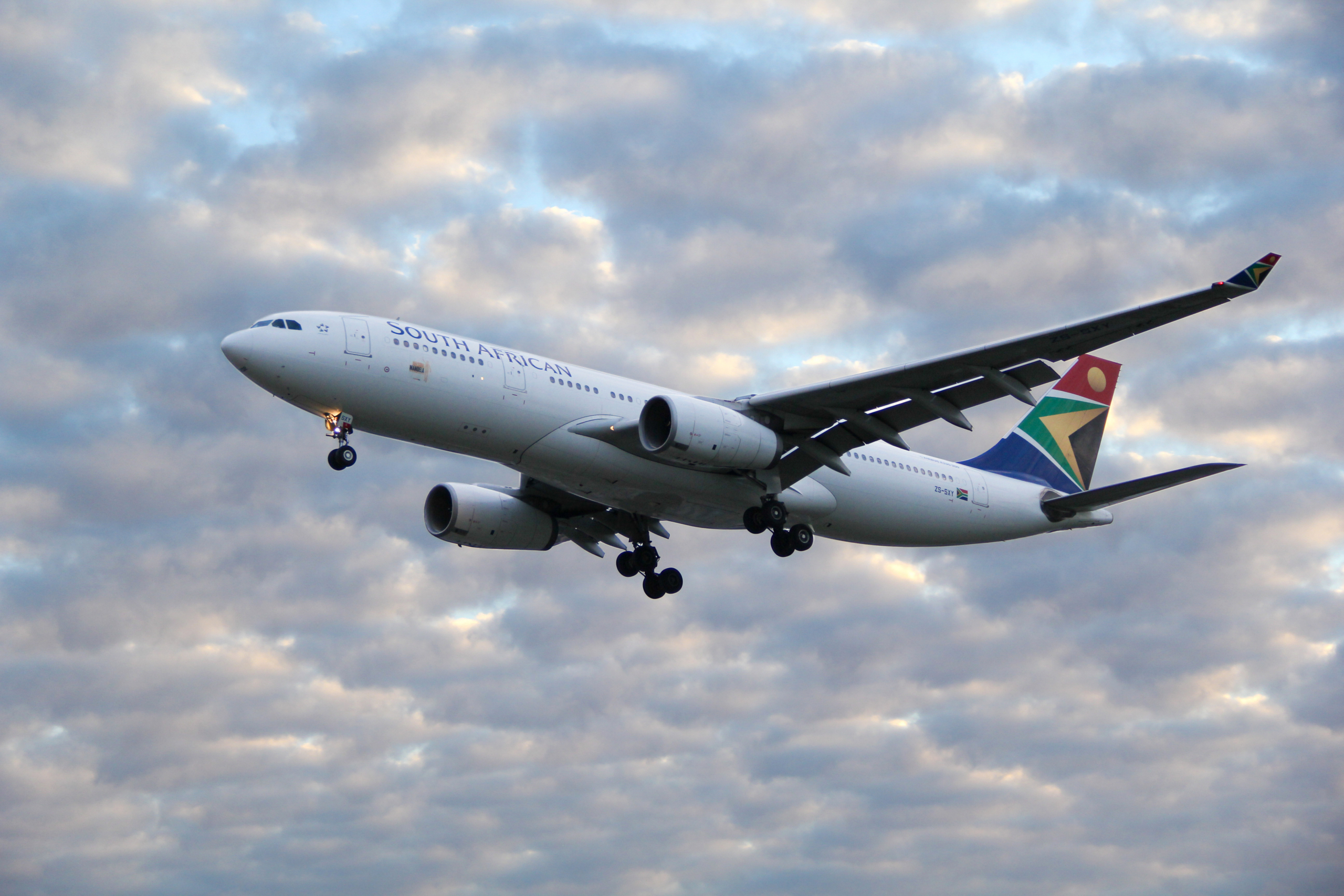
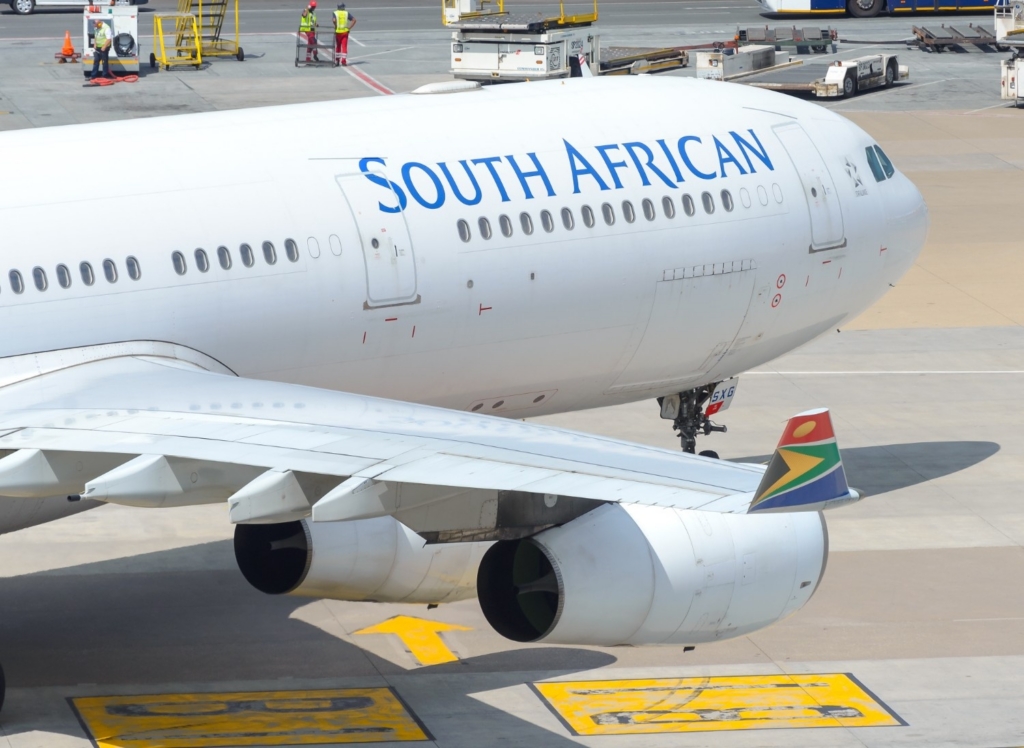
In the immediate aftermath of the pandemic, the airline operated a skeleton fleet of just five aircraft across six routes. Four years on and the carrier currently has 19 aircraft in its fleet, serving 17 destinations, including the relaunch of prestigious long-haul routes to São Paul in Brazil and Perth in Australia.
Alongside this, domestic and regional connectivity has been strengthened with increased frequency to destinations including Harare, Accra, Mauritius, Kinshasa and a new route to Lubumbashi.
Under Lamola’s stewardship, “SAA implemented a disciplined and focused rebuilding strategy, restoring operations and re-establishing its position within a highly competitive global aviation market,” the airline said.
Chairperson of the board, Sedzani Mudau, reinforced this, crediting Lamola with playing a “pivotal role in rebuilding SAA and positioning it for sustained success.” In an internal note to staff seen by Business Explorer, Lamola himself reflected that “Every journey, no matter how meaningful, must one day come to an end.”
He also pointed to the airline’s return to profitability in the 2022/23 financial year – its first in 11 years – as a defining legacy. “It was more than a financial milestone,” he wrote. “It was a symbol of belief restored.”
It transpires that belief may have rested on financial foundations that don’t add up.
South African Airways accounts under scrutiny after audit findings
After a turbulent period marked by the impacts of the global pandemic, corruption and mismanagement, the formerly cash-strapped airline reported its total revenue surging 183% to R5.7 billion ($308m) and a net profit of R252 million ($13.6m) for its 2022/23 financial year – figures that Lamola himself celebrated during the company’s annual general meeting in 2024.
Speaking at the time, Lamola said the company’s financial results were “emblematic of the hard and careful work” that went into relaunching the carrier as a globally admired brand. “This has put SAA on a path to financial sustainability without reliance on the fiscus,” he said.
However, in March 2025, the Special Investigating Unit (SIU) added SAA to a growing list of institutions under investigation for allegations of serious maladministration, corruption, and unlawful conduct.
Auditors have now found the airline misreported its financial performance across the 2022/23 and 2023/24 periods with a R431 million ($23.3m) accounting error linked to debt relief from its business rescue.
While the airline reported a profit in 2022/23, this was misleading, as it was due to a once-off gain; without it, the airline actually made a loss of R221 million ($12m). The same error was then recognised again in the airline’s 2023/24 accounts as “sundry income”, temporarily inflating results to show a R60 million ($3.2m) profit. Once corrected by auditors, turning the reported profit into a loss of R371 ($20.1m ).
The 2024/25 results, published in February 2026, are now equally contested. SAA claimed an operating profit of R336 million (18.2m) and a net group profit of R155 million ($8.4m). However, the Auditor-General found the accounts so unreliable that it issued a disclaimer audit.
What next for South African Airways after CEO resignation?
Although no specific reason has been given for Lamola or the other directors, the announcement comes as the airline’s financial results are unravelling. The search for a permanent CEO is currently underway, with Matshela Seshibe, the CEO of SAA’s subsidiary company, Air Chefs, appointed as the acting GCEO in the meantime.
Whoever takes up the reins will inherit a legacy of structural challenges. The collapse of a deal with the Takatso Consortium in 2024 has left the 100% state-owned airline without much-needed private investment or strategic backing.
Its plans to expand routes and modernise its fleet in line with a vision to serve 42 million passengers through South African airports by 2030 remain constrained by limited funding. Alongside these financial pressures, the new CEO must restore faith in the airline’s financial reporting.
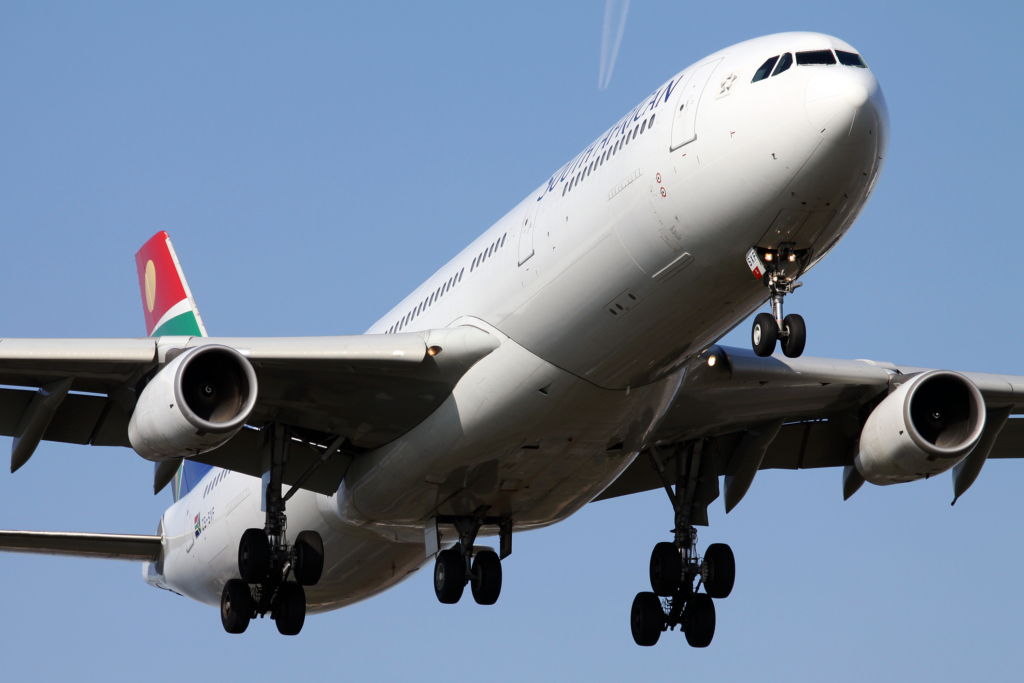
Featured image: Mateusz / stock.adobe.com