


Rolls-Royce believes it has the perfect two-engine formula for collaborative combat aircraft

5 min read
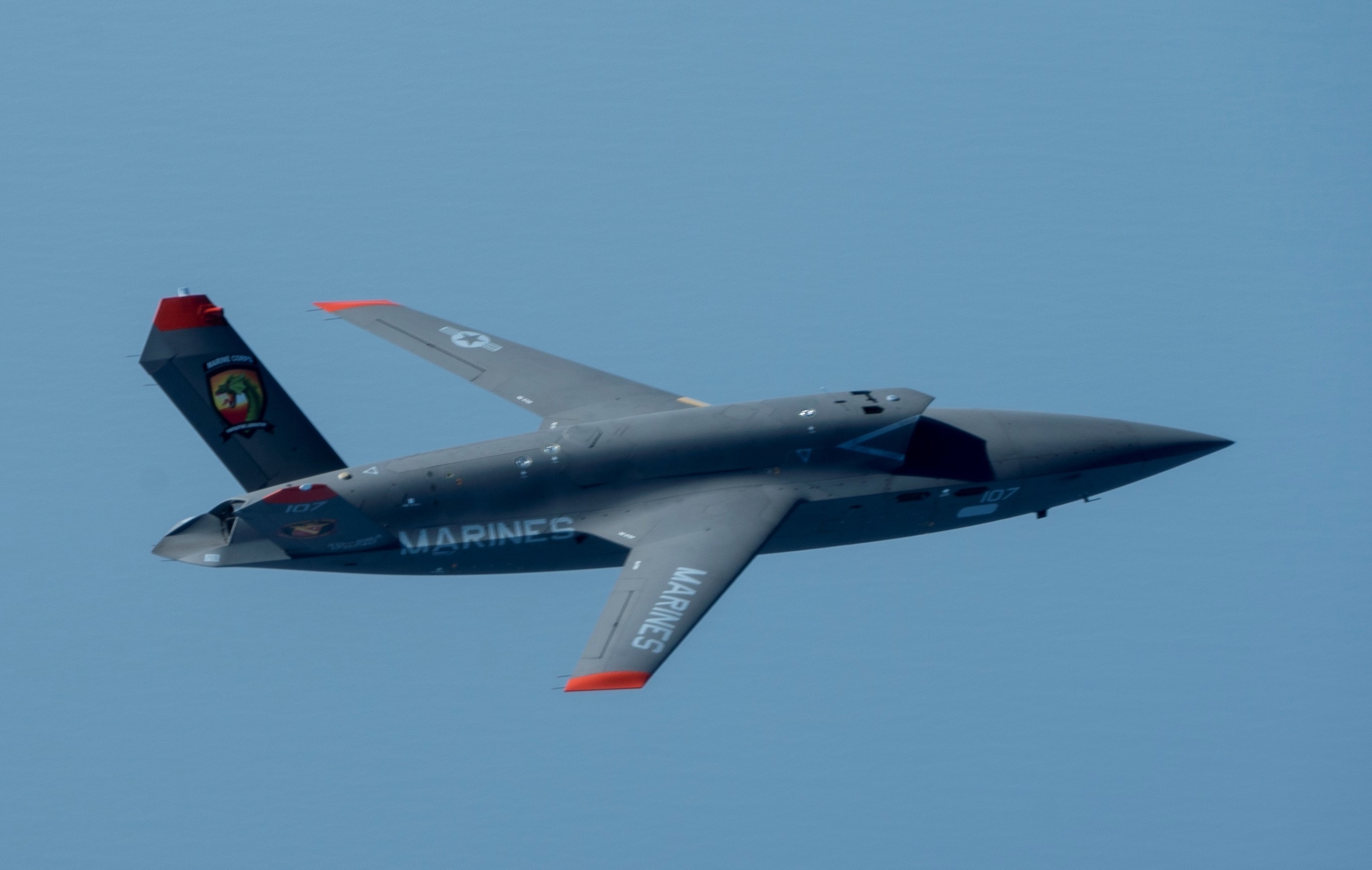
Collaborative Combat Aircraft (CCA) are autonomous, unmanned vehicles that operate in conjunction with crewed combat aircraft, offering a strategic advantage over isolated systems.
With a need for efficiency and survivability across a range of missions, CCAs are powered by next-generation engines to achieve range, speed, flexibility, and operational scale. Rolls-Royce, one of the pioneers in CCA engine technology, is positioned to drive mission success through its advanced propulsion systems.
Next-generation CCAs have low-observable designs and feature advanced sensors and collaborative systems for diverse military missions. Rolls-Royce addresses the defence market timelines with a two-engine approach. One os the high-performing Allison Engine (AE) family, which is operational and readily available.
Another is a family of small two-spool propulsion platforms, Orpheus, to address the needs of future autonomous CCAs. The UK-based engine manufacturer is committed to the CCA mission, with both ready-now capability and accelerated innovation towards next-generation engines.
Kaare Erickson, Senior Vice President of Strategic Campaigns for Combat and Strategic Systems at Rolls-Royce, highlights the importance of the two-engine formula.
Theme 1: Leveraging proven technologies today while advancing next-generation architectures
Rolls-Royce currently offers its AE family to power a range of small military vehicles, including helicopters. The platform serves a multitude of applications, including combat, intelligence, commercial and business aviation, and naval marine vessels.
With over 7,500 AE engines delivered since acquiring the program in the 1990s, these engines power advanced aircraft like the Boeing MQ-25 Stingray and RQ-4 Global Hawk.
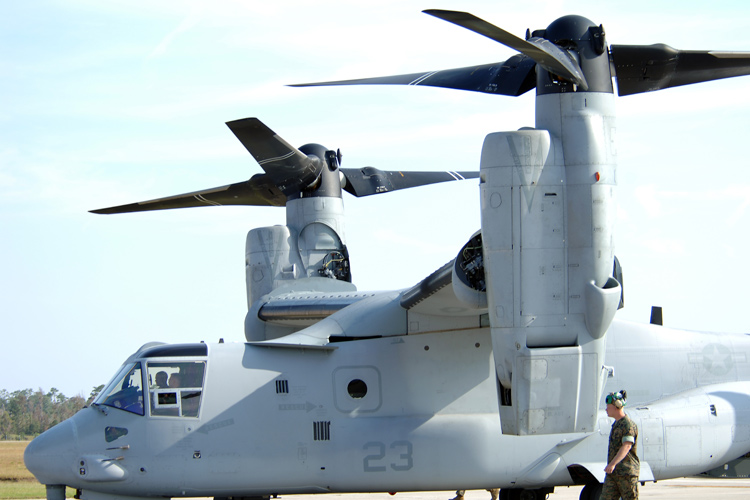
The Rolls-Royce AE engine is set to power the Bell V-280 Valor (now called the MV-75) for the US Army’s Future Long-Range Assault Aircraft (FLRAA) programme.
| The platforms powered by the AE family engines | |
|---|---|
| Bell Boeing V-22 Osprey | The AE 1107C featuring tiltrotor technology for vertical and horizontal operations |
| Boeing MQ-25 Stingray | The AE 3007N generating more than 10,000 lbs of thrust and additional electrical power for the aircraft |
| Bell V-280 Valor | The AE 1107F which will offer 2,440 nautical miles of range as well as unmatched speed and manoeuvrability |
| Textron Ship-to-Shore Connector (SSC) Hovercraft | The AE 1107C MT7 gas turbine offering increased fuel efficiency, performance and dependability |
Rolls-Royce is developing Orpheus, a family of scalable and configurable small engines to power future CCAs. These engines are built to support advanced sensors, autonomy, and a range of survivability systems for complex missions.
Drawing from proven architectures and technologies, these power plants will provide advanced capability solutions. With comprehensive testing of the prototypes underway, Rolls-Royce will continue to offer its AE engine until the Orpheus matures into a transformative power solution.
Rather than waiting for years to perfect a futuristic design, Rolls-Royce takes the two-engine approach to address evolving timelines. Erikson states that “we strongly believe the fastest way to deliver capability to the warfighter is to leverage proven engines today while advancing next-generation architectures in parallel and injecting the technologies to add capability only as necessary.”
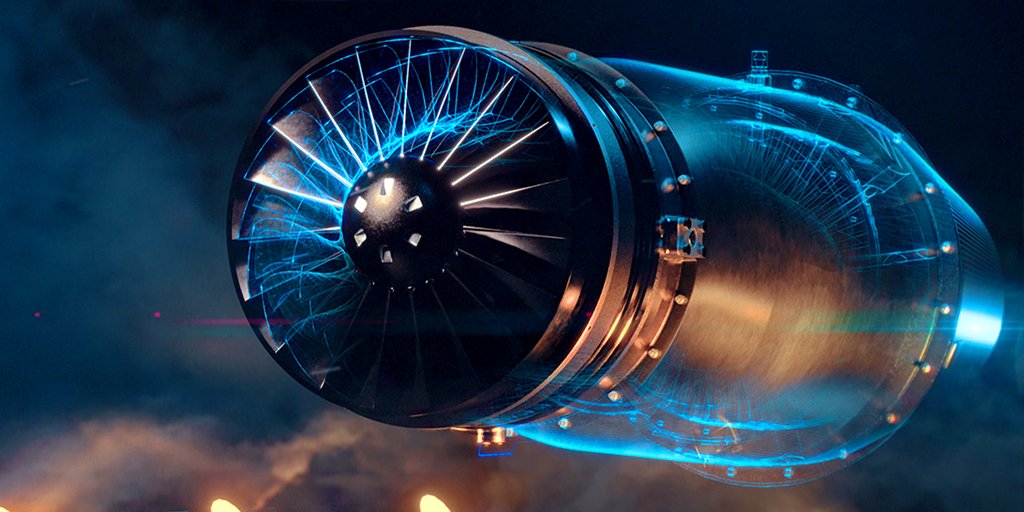
With two experimental engines designed, manufactured, and successfully tested in under two years, the engines can be rapidly scaled and adapted for a diverse range of applications.
“We bring proven autonomous platform experience today, advanced technology solutions, plus a future engine family purpose-built for scalable autonomous systems,” said Erikson.
Theme 2: The aircraft range, efficiency, and operational requirements drive the size of the engine
Future CCAs are designed to operate at very high speeds and altitudes, requiring greater performance, performance, and survivability. Moreover, embedded installations, autonomy processors, and mission systems demand substantial electrical power and thermal management.
“Smaller engines with compact cores simply struggle to generate enough electrical power without performance penalties or stability risks”, said Erikson.
As missions become more complex, increasing the size of the engine becomes paramount in generating power and ensuring stability. However, an optimal balance of size and efficiency is required to enable mission readiness at all fronts. Slightly larger engine cores offer much more flexibility across dynamic variables of the design and operations.
“We believe there’s an overlap point where you can deliver meaningful capability without driving unaffordable complexity, and that’s exactly where our portfolio sits,” said Erikson.
An optimal design with a relatively smaller thrust-class propulsion system leverages smart materials and additive manufacturing techniques to power future CCAs.
Theme 3: Continuous evolution of existing technologies
Kaare Erikson revealed a compelling “ready-now” capability of the AE 3007 while explaining how the next-generation Orpheus complements the AE program. With the AE 3007’s performance on advanced unmanned aircraft, it is ready for the kinds of missions future CCAs will demand. From high-altitude performance to long-range endurance missions, the engine is ready to deliver what is required today.
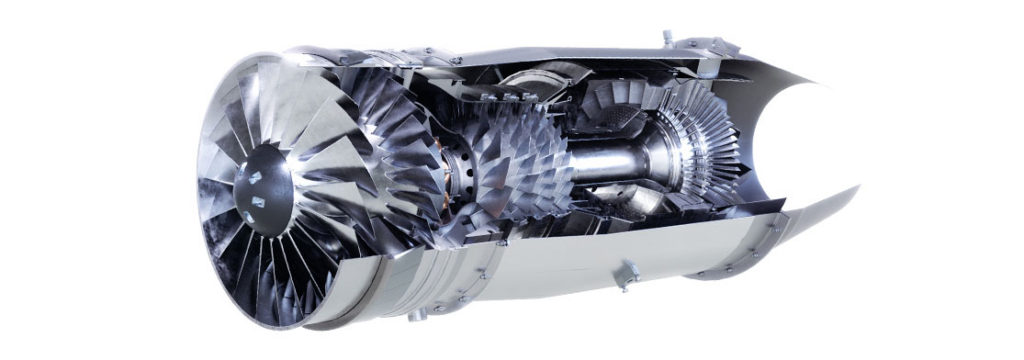
“It [AE 3007] powers the RQ-4 Global Hawk at altitudes above 60,000 feet for extremely long endurance missions. It powers the MQ-25 Stingray, a highly embedded, carrier-based autonomous aircraft that demands tight integration, robustness, and reliability in harsh operating environments. And it’s certified to fly at nearly Mach 0.935 in commercial service,” Erikson explained.
The diversified combination of speed, endurance, embedded installation experience, and electrical power capability is available for use today. Moreover, a resilient supply chain that has mature and predictable support for the AE program. Customers like the US Air Force that operate such aircraft do not have to wait for what is readily available now.
Theme 4: Orpheus is set to complement the ready-now capability of the AE engine
Erikson emphasises that while current systems have seen significant advances, the next generation engine capabilities will be based on the future capability, range, survivability, and mission flexibility needs. The clean sheet Orpheus design is set up to break the traditional engine development model, adding a new architecture that delivers significant capability for future autonomous platforms.
“We challenged ourselves to move faster, use digital engineering aggressively, integrate additive manufacturing intelligently, and focus on speed-to-test rather than perfecting requirements on paper for years,” explained Erikson. “The result was a clean-sheet engine on a test stand in eighteen months – something almost unheard of in propulsion.”
With more than 130 test events across 25 engine configurations already completed, the engine could scale significantly faster than traditional engine programs. Moreover, it would offer tailored solutions for different autonomous platforms while maintaining commonality. Erikson explained that “it [the Orpheus] gives us the flexibility to respond quickly as CCA requirements mature without restarting development cycles from scratch.”
Rolls-Royce will continue to offer its AE engine for current programs until the Orpheus matures into a transformative collaborative solution across diverse domains.
Featured Image: Rolls-Royce
Sign up for our newsletter and get our latest content in your inbox.


More from


October 4, 20264 min read


