Should I book a holiday abroad this summer?

6 min read

With the school summer break just around the corner, demand for international flights remains strong.
Yet the backdrop feels more uncertain than usual, with concerns around Middle East tensions, fuel prices and availability, and persistently high fares giving the usual “Spain or Greece?” a whole new level of complexity.
So, should you book a foreign holiday this summer? The honest answer is that it depends less on headlines and more on your own tolerance for risk, timing, and flexibility.
Having said that, there are some clear trends worth considering before you click “confirm”.
Summer flight demand remains high but prices are volatile
Despite wider economic nerves, airlines are still reporting strong forward bookings. Ryanair continues to see solid summer demand across its European network, especially to Mediterranean destinations like Spain and Portugal, while easyJet has highlighted resilient demand for both package holidays and city breaks.
This matters because pricing is largely driven by load factors – that is, how full aircraft are. As seats fill, fares usually rise. This is particularly the case closer to departure, which is why booking earlier is still often recommended for fixed summer dates.
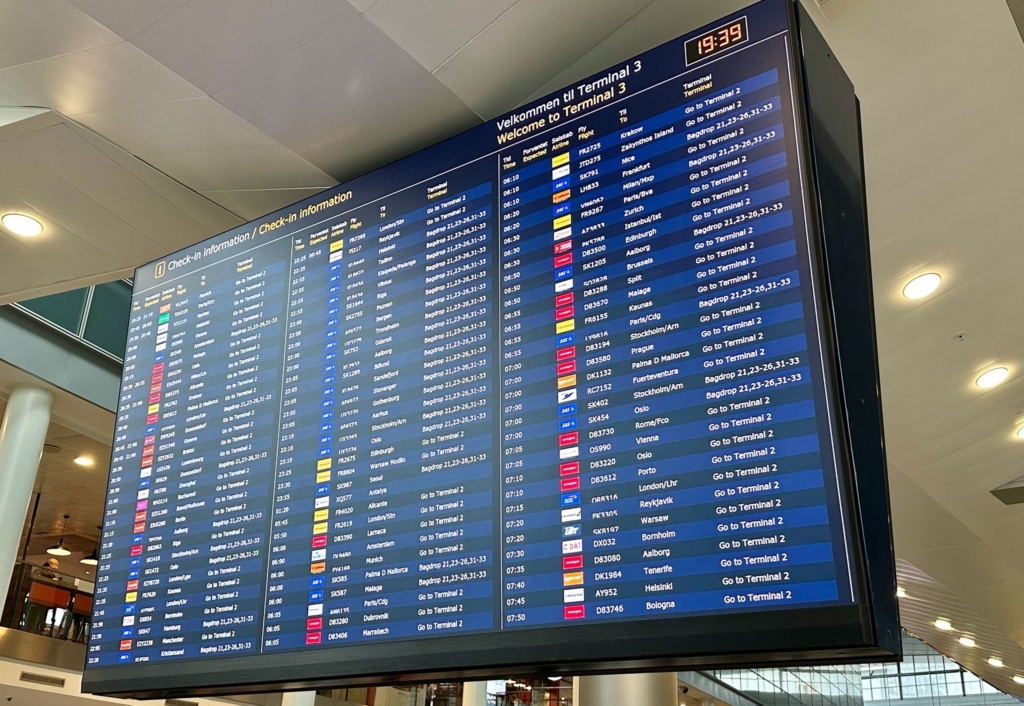
However, 2026 isn’t a straightforward “book early and save” market, with fares on busy short-haul routes becoming more volatile and able to shift quickly with demand and remaining availability.
As an example, at the time of writing, we found plenty of Ryanair flights to Palma de Mallorca from London Stansted starting at just £22 in peak August. This is extremely cheap compared to previous years, clearly showing that although demand is still said to be high, 2026 is far from “normal”.
The impact of Middle East geopolitical tensions
Flight cancellations are of course nothing new, with 75% of UK passengers hit by flight delays and cancellations in 2025 alone.
But this year, ongoing instability in parts of the Middle East has added a new dimension into the mix, with confidence in global aviation markets taking a sizeable hit.
Airspace restrictions or rerouting, as seen particularly at the beginning of the war, can make flights slightly longer or more expensive to operate. But for UK travellers going to places like Spain, Italy, Greece, or Turkey, the effect is usually indirect rather than something that changes the whole route.
What matters more is how uncertainty feeds into margins. When tensions rise, airlines often face higher insurance and safety-related costs, and fuel prices can become more jumpy.
Even the fear of disruption in oil-producing regions can push jet fuel prices up for a short time, which then gradually feeds into ticket prices.
Jet fuel prices, airline hedging and what it means for ticket costs
Jet fuel remains one of the largest costs in aviation, often accounting for around a quarter of total airline expenditure depending on the carrier and route. When oil prices rise, airlines are affected, but not immediately or directly in fare pricing.
This is where fuel hedging comes in. Airlines typically lock in fuel prices months or even years ahead to smooth volatility, meaning changes in oil prices feed through gradually rather than causing instant fare spikes.
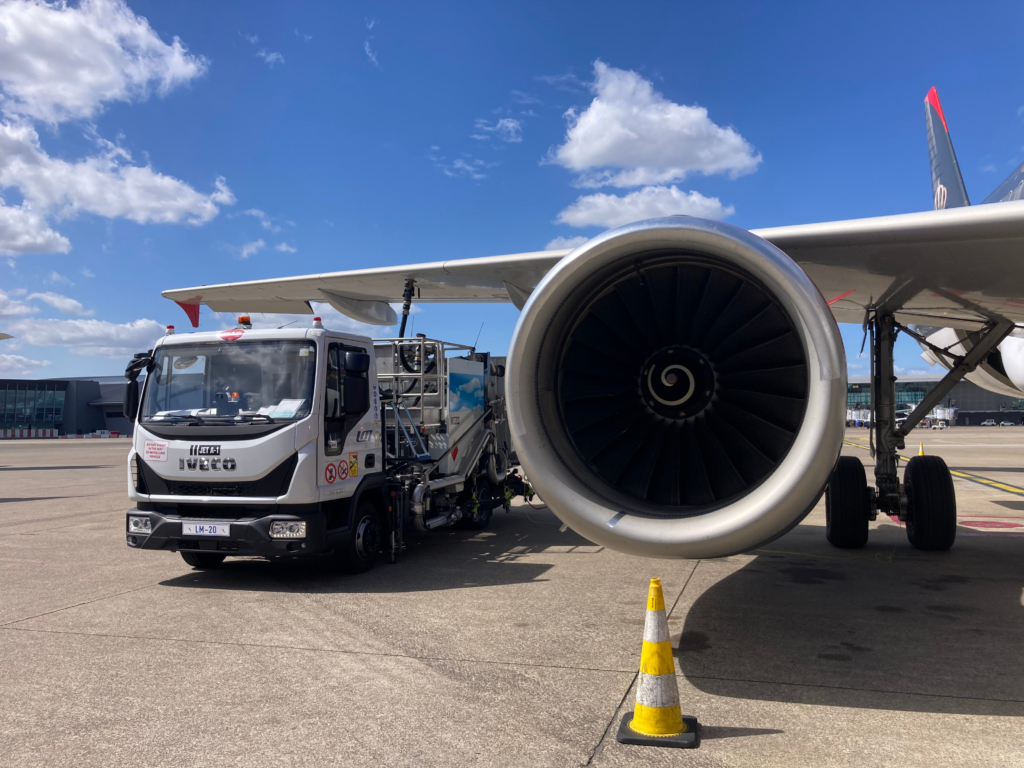
British Airways, as part of IAG, has traditionally used structured hedging, alongside other legacy carriers. Low-cost airlines tend to use a more flexible mix of hedging and market exposure to stay competitive.
For passengers, this means fuel shocks are rarely reflected immediately in booked fares, but they can influence the availability of lower promotional prices and the overall baseline for future tickets.
Could I have to pay more after I’ve booked my holiday?
Strictly speaking, no. However, whilst the base fare is fixed once booked, extras like seat selection, baggage, or package changes can still vary.
As an extra point to note around protection, under UK261, passengers are generally entitled to help or compensation if flights are rescheduled, cancelled or significantly delayed. This can include meals, accommodation, re-routing, or refunds. Much of the frustration comes from seeing cheaper fares appear later through last-minute dynamic ticket pricing, which is a normal part of yield management.
Package holidays tend to feel more stable because flights, hotels, and transfers are bundled into one fixed price, which is why they remain popular.
How is the aviation industry approaching summer 2026?
Across the industry, the broad picture remains consistent. It will remain a structurally higher-cost environment shaped by labour pressures, airport charges, and fuel volatility.
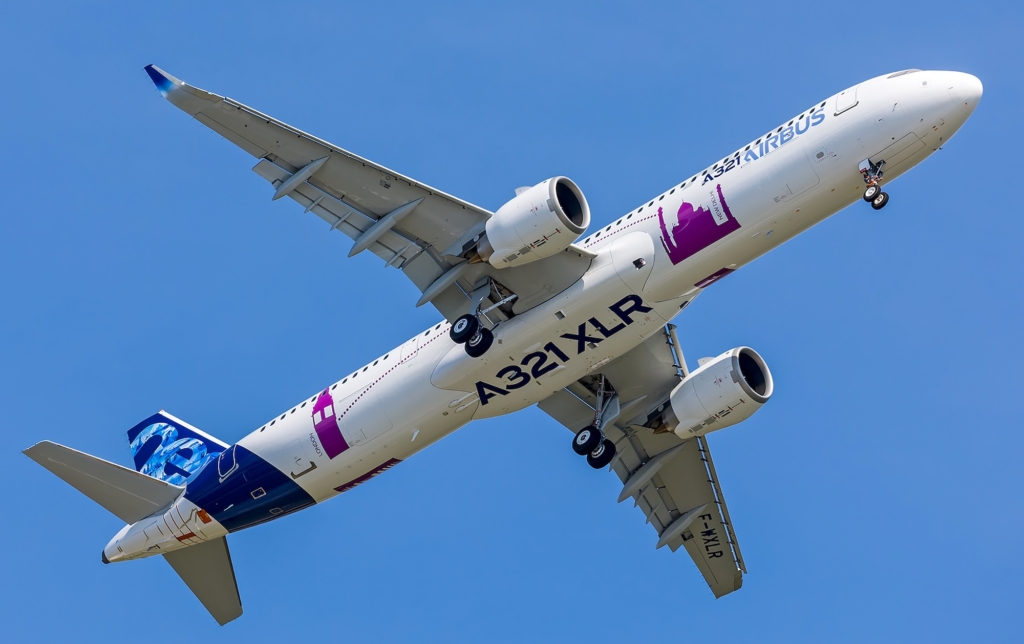
In the UK and European markets, airlines have also been cautious about rapid expansion. Aircraft delivery delays, for example, with the Airbus A321XLR, and supply chain constraints have slowed down fleet growth. This, in turn, keeps seat capacity relatively tight during peak seasons.
What could summer 2027 look like compared to summer 2026 travel?
Looking ahead, there is little sign that next summer will be significantly cheaper or more stable. Forecasts still point to decent demand for short-haul European holidays, especially from UK travellers, which keeps pricing pressure in place.
Even if geopolitical tensions ease and fuel becomes less volatile, it would likely be offset by rising airport charges, maintenance and labour costs.
Overall, the outlook is gradual change rather than any sharp drop or rise in fares.
Is it worth booking flights now or waiting?
This is really a practical thing, rather than speculative. Passengers with fixed travel dates and budgets generally prefer booking early, especially on popular routes where availability can be tighter during peak periods.
Where travellers have some flexibility, there are cheaper fares to be had – but there is a risk of fewer choices as aircraft fill.
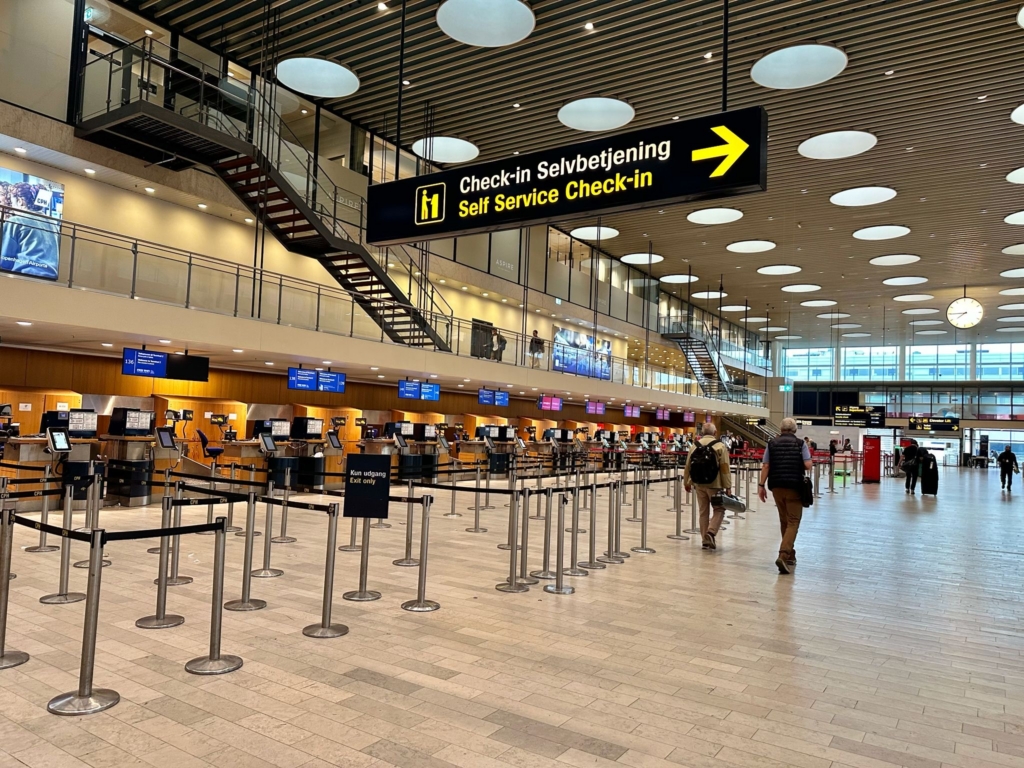
Price sensitivity also matters. Some travellers prefer locking in a known cost for reassurance, while others are willing to track fares and adjust plans in search of savings.
The fact is, some people always go for a package holiday (not least for the ABTA and ATOL protection) while others plump for separate flights alongside accommodation that can be cancelled last-minute.
There is no single best strategy, and it’s largely down to luck as always. The old adage “you pay your money and you take your chance” still applies.
Final verdict on booking a summer holiday in 2026
Air travel in 2026 is not unstable day-to-day, despite the horror stories you see in the media. But it is sensitive to geopolitics, fuel prices, and limited airline capacity. All of these can shape fares in ways passengers don’t always see.
Despite that, airlines are still competing for UK holiday travellers as they always have. Now more than ever, it’s about understanding your rights and staying as flexible as you possibly can.
Featured image: Hawaiian Airlines