Dynamic pricing explained: How airlines set ticket prices in real time

4 min read

Spotted a fabulously cheap (or at least pretty reasonable) flight in the morning, then come back later only to find it’s gone up? That’s dynamic pricing in action.
Airlines no longer rely purely on fixed fare “buckets.” Instead, advanced revenue management systems like PROS, Sabre AirVision, Amadeus Altéa and Lufthansa Systems NetLine recalculate fares in real time.
At lightning speed they can digitally analyse everything from competitor prices, demand forecasts and history data to the rate at which current bookings are being made.
Why do airlines use dynamic pricing?
Once a flight departs, any empty seat is lost revenue. That’s why pricing is built around maximising “load factor” – that is, the percentage of seats filled.
In practice, airlines generally need load factors above 80% to stay profitable. The more bums on seats, the more money to be made.

As seats fill up, airlines know the remaining ones are in higher demand, especially during peak times like school holidays, events, for popular destinations or on new routes. So they charge more.
Many late bookers, like business travellers, are also willing to pay a premium. This is particularly the case for business class seats, or flights during sociable hours that can help prevent jetlag. Pricing algorithms adjust fares in real time to reflect that.
How dynamic pricing affects airline revenue management and profitability
Dynamic pricing is standard practice across the industry. Around 80% of airlines around the world now use some form of dynamic pricing and it’s central to airline economics.
The financial impact is significant. Studies suggest that effective dynamic pricing strategies can increase airline revenues by up to 7% annually, while more advanced “continuous pricing” models could push gains into the 10-15% range.
In aviation margins are notoriously thin, so even incremental improvements matter. The smallest price increases can bring in millions of dollars for large carriers.
Which airlines use dynamic pricing?
As we know, it’s a widely adopted practice. Delta Air Lines is one example where AI-driven pricing is being used, having heavily invested in systems that can adjust fares up to the minute across its network. European and Middle Eastern carriers including Emirates, Lufthansa and Qatar Airways are also actively using similar technologies, particularly as they expand retail-style booking models.
Meanwhile, American Airlines and United Airlines have gone for a more measured approach. Rather than handing everything over to fully automated systems, they’re gradually weaving dynamic pricing into their wider commercial strategies like loyalty programmes and promotional campaigns. Basically, they’re aiming to balance new technology with some human oversight.
The end game is the same though: faster, more granular pricing decisions based on live demand.
Why do fuel prices, demand and capacity changes instantly affect airline ticket prices?
Recent events in the Middle East have shown us how dynamic pricing responds to external shocks, and how airlines react.
A sharp rise in jet fuel costs due to the Iran conflict has forced carriers including Air France-KLM, Emirates, British Airways and others to increase fares within days.
Fuel is the single largest overhead for airlines. It typically accounts for around 25-30% of total operating costs, which means price increases are often unavoidable when oil markets spike.
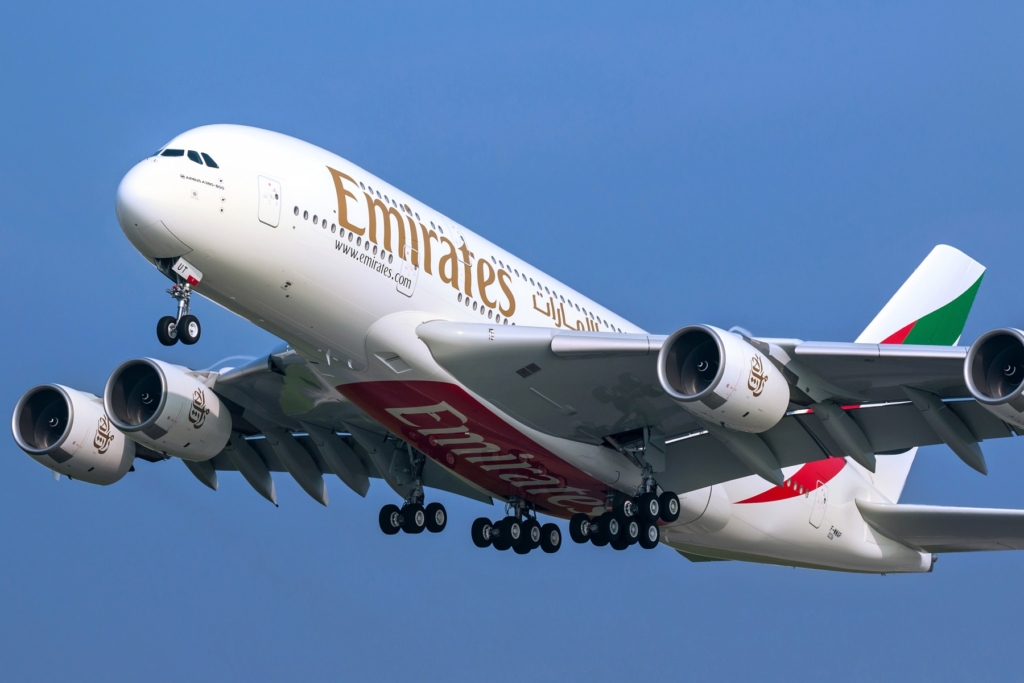
At the same time, some airlines have reduced capacity to manage costs. Scandinavian carrier SAS for example has recently cut selected flights, tightening supply and pushing fares higher through the same pricing systems.
This is where dynamic pricing really comes into its own. Faced with rising costs and changing demand, airlines are constantly adjusting fares in real time as conditions evolve. Sometimes large price changes can happen within just a few hours.
What dynamic pricing means for passengers
For passengers, all these sudden fluctuations in price can be a headache. Prices might change several times a day, and two people on the same flight can pay very different fares. But for airlines, this constant adjustment is crucial: too low and they lose revenue, too high and seats go empty.
Dynamic pricing works because it tracks overall demand, rather than individual passengers, to keep fares balanced.
Where does the future of dynamic pricing lie?
The next phase is already coming down the tracks. Airlines are moving towards “continuous pricing,” powered by AI, where fares can be set much more accurately.
The potential benefits are huge. Industry analysts and aviation consulting firms, including IATA, say airlines could unlock billions globally, with individual carriers boosting revenue by 2-3% just from smarter pricing.
For passengers, it means fares will keep changing. Prices aren’t fixed – they’re a live calculation, shifting with demand, competition, fuel price and a host of other factors.
Featured image: stock.adobe.com
Sign up for our newsletter and get our latest content in your inbox.


More from


October 17, 20264 min read